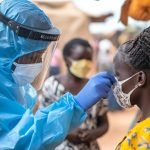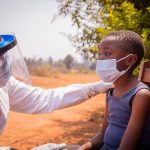


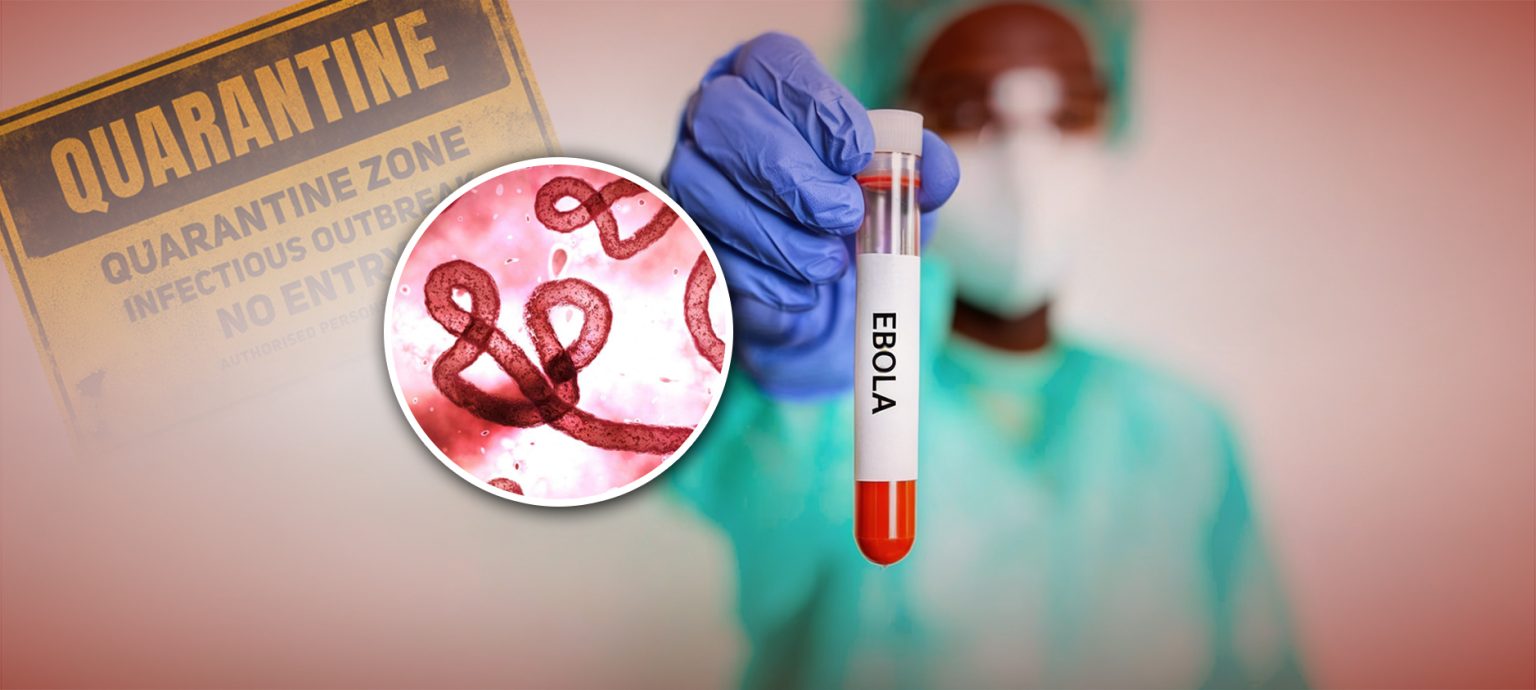

While Kenya has not recorded a confirmed Ebola case yet, authorities say the threat remains real due to the country’s porous borders, dense urban centres and extensive regional mobility.
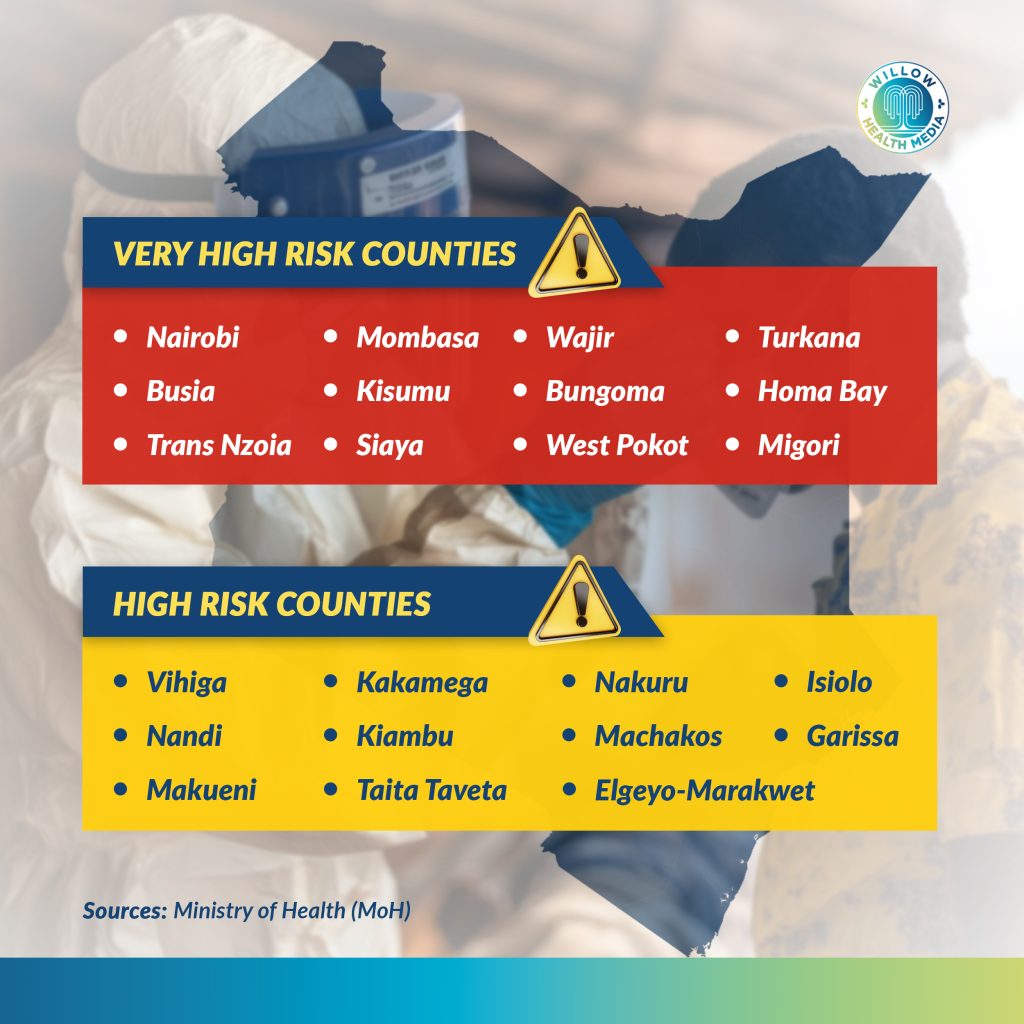
Kenya has identified 23 counties at heightened risk of Ebola Virus Disease (EVD) as health authorities race to prevent the deadly disease from crossing into the country amid a worsening regional outbreak.
The Ministry of Health yesterday designated 12 counties as “very high-risk” and another 11 as “high-risk”, warning that Ebola’s early symptoms closely resemble common illnesses such as malaria, flu and stomach infections, making the disease difficult to detect in its initial stages.
The counties classified as very high-risk are Nairobi, Mombasa, Wajir, Busia, Kisumu, Bungoma, Trans Nzoia, Siaya, West Pokot, Turkana, Homa Bay and Migori. High-risk counties include Vihiga, Kakamega, Nakuru, Kericho, Nandi, Kiambu, Machakos, Kilifi, Makueni, Taita Taveta, Isiolo, Elgeyo-Marakwet and Garissa.
The alert comes as East Africa remains on edge following the Ebola outbreak in neighbouring Uganda, where authorities continue battling transmission in districts near the Kenyan border, raising fears of cross-border spread through trade, travel and informal migration routes.
Speaking during a national coordination meeting when she released the list, Public Health Principal Secretary Mary Muthoni warned that Ebola’s ability to mimic other diseases makes it especially dangerous in countries with high burdens of infectious illnesses.
“Most of the symptoms are non-specific and that makes this virus very dangerous because you would think it is another disease,” PS Muthoni said. “When it presents with fever, vomiting and abdominal pain, these are non-specific symptoms. Increased sensitivity of staff at the technical service is critical.”
Many of the counties flagged by the Ministry of Health sit along key trade and migration corridors
Health officials say common Ebola symptoms include sudden fever, body weakness, diarrhoea, vomiting, abdominal pain, sweating and unexplained bleeding in severe cases. Because many of these symptoms overlap with malaria, typhoid and other tropical illnesses common in Kenya, delayed diagnosis remains one of the biggest risks to outbreak control.
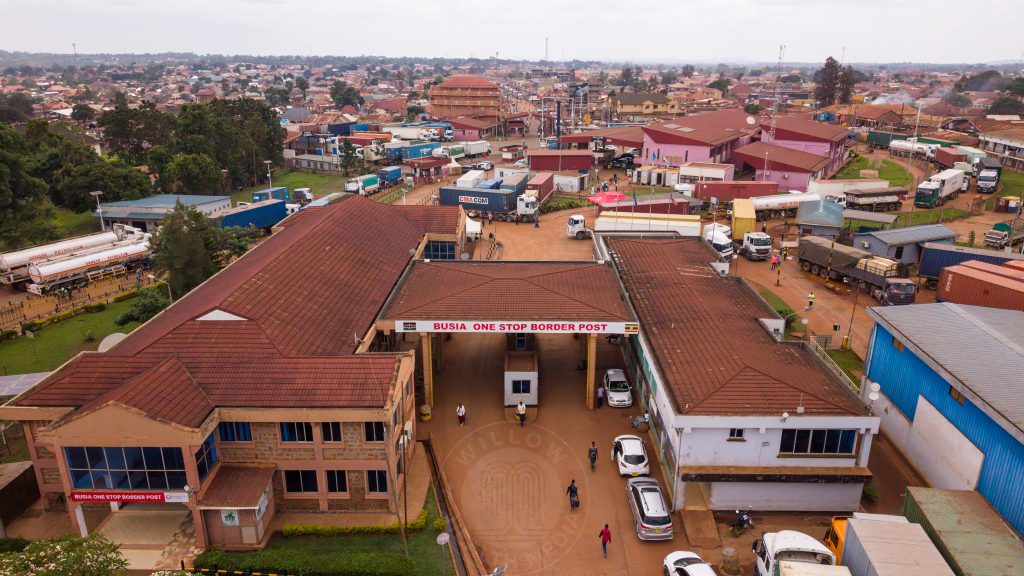
That challenge is particularly acute in busy border counties and transport hubs where thousands of travellers move daily between Kenya and neighbouring countries. Many of the counties flagged by the Ministry sit along key trade and migration corridors linking Kenya to Uganda, South Sudan, Tanzania, Somalia and Ethiopia.
While Kenya has not recorded a confirmed Ebola case, authorities say the threat remains real due to the country’s porous borders, dense urban centres and extensive regional mobility.
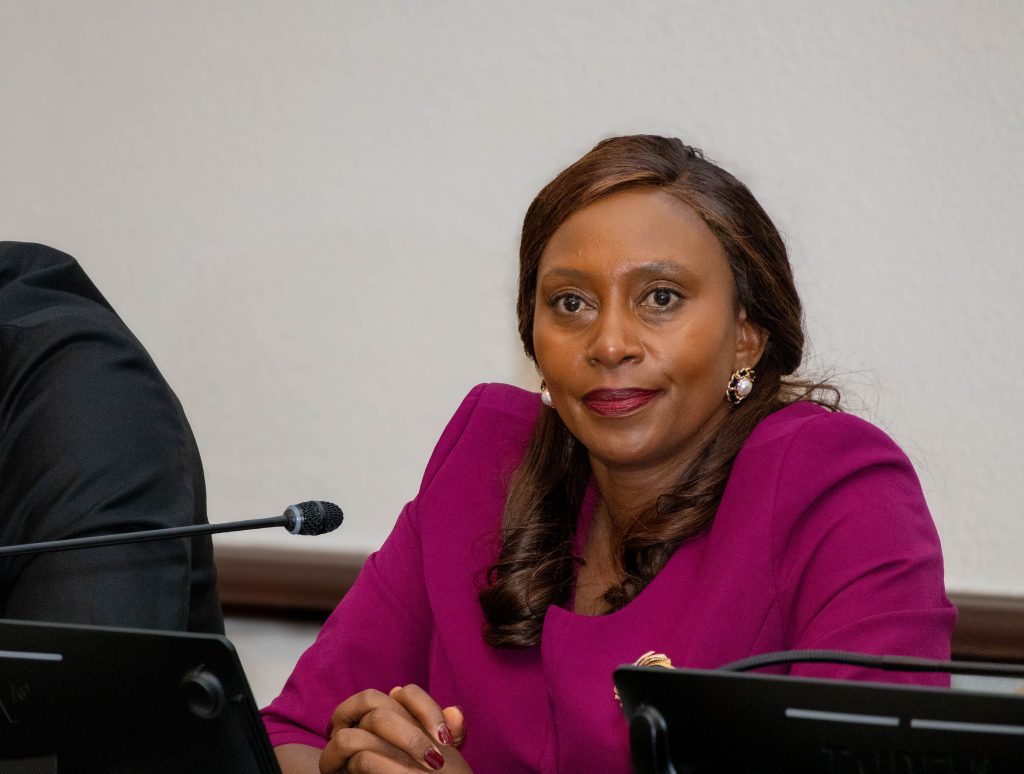
“We still do not have any reported confirmed Ebola virus disease case,” Muthoni said. “We have suspected Ebola virus disease samples that have been tested, which is 22 as at this morning, and all of them have turned negative.”
Even so, public health experts caution that outbreaks are often detected only after community transmission has already begun, especially when early symptoms are mistaken for less severe illnesses or when patients self-medicate instead of seeking medical attention.
The Ministry says surveillance systems have now been intensified at ports of entry, airports and border crossings. In the last 24 hours alone, Kenyan border teams screened 13,548 travellers, bringing the cumulative number screened since the alert began to more than 66,000.
Officials are also working with neighbouring countries to harmonise exit and entry screening procedures in a bid to close surveillance gaps across the region.
Kenya has mapped out surge response teams that can be rapidly deployed to high-risk counties if a case is detected
“We have assessed the ports of entry and we will continue deploying healthcare workers at the ports of entry so that we can build on the capacity that is there,” Muthoni said.
The heightened response reflects painful lessons learned during the Covid-19 pandemic, when delayed detection, misinformation and strained health systems exposed major weaknesses in preparedness across Africa.
This time, Kenya is attempting a more coordinated response before a confirmed case emerges. The government has reactivated structures previously used during Covid-19, including the national emergency operations centre, digital surveillance systems and rapid response coordination platforms.
“We have activated the methods that were used during the Covid-19 pandemic and it is working,” Muthoni said.
The country has also mapped out surge response teams that can be rapidly deployed to high-risk counties if a case is detected. According to the Ministry, Kenya has placed 118 healthcare workers on standby for emergency deployment and trained 90 field response personnel.

Another 70 healthcare workers have recently completed specialised training, while more than 1,000 health workers have undergone sensitisation on Ebola detection, isolation and case management. The National Public Health Laboratory, KEMRI Nairobi, KEMRI Kisumu and a mobile laboratory stationed in Busia have all been activated for Ebola testing and surveillance.
Still, experts warn that preparedness extends beyond laboratories and airport screening. One of the most difficult aspects of Ebola control is identifying cases early within communities before widespread transmission occurs. This requires strong public awareness, rapid reporting systems and trust in healthcare institutions.
Community engagement could determine whether Kenya succeeds in preventing an outbreak or repeats mistakes seen during previous epidemics
Health officials are particularly concerned about high-risk populations such as healthcare workers, commercial sex workers, hunters, animal handlers, forest rangers and caregivers, many of whom may face repeated exposure during an outbreak.
Muthoni urged Kenyans not to ignore symptoms or resort to self-medication. She advised anyone experiencing fever alongside symptoms such as body weakness, diarrhoea, abdominal pain or excessive sweating to seek immediate medical attention at the nearest health facility.
“We are going to up our risk communication to ensure that the members of the public and the communities know exactly what they need to do,” she said.
The government has now mobilised community health promoters and volunteers to support surveillance, awareness creation and early reporting at community level, particularly in counties bordering Uganda.
Public health specialists say community engagement could determine whether Kenya succeeds in preventing an outbreak or repeats mistakes seen during previous epidemics where fear, stigma and misinformation delayed containment efforts.
The challenge is compounded by the fact that many border communities depend on daily cross-border movement for trade, healthcare, farming and family ties, making complete movement restrictions almost impossible.
Risk communication will be critical in avoiding panic while ensuring the public remains alert
In western Kenya especially, informal crossing points remain difficult to monitor despite intensified surveillance at official entry points.
The Ministry also acknowledged persistent gaps in preparedness, including the need for more isolation capacity, protective equipment, faster diagnostics and continuous frontline training.
Busy referral hospitals in high-risk counties may face immense pressure if suspected cases rise rapidly, especially in already overstretched health systems grappling with shortages of healthcare workers and medical supplies.
Beyond hospitals, experts say risk communication will be critical in avoiding panic while ensuring the public remains alert.
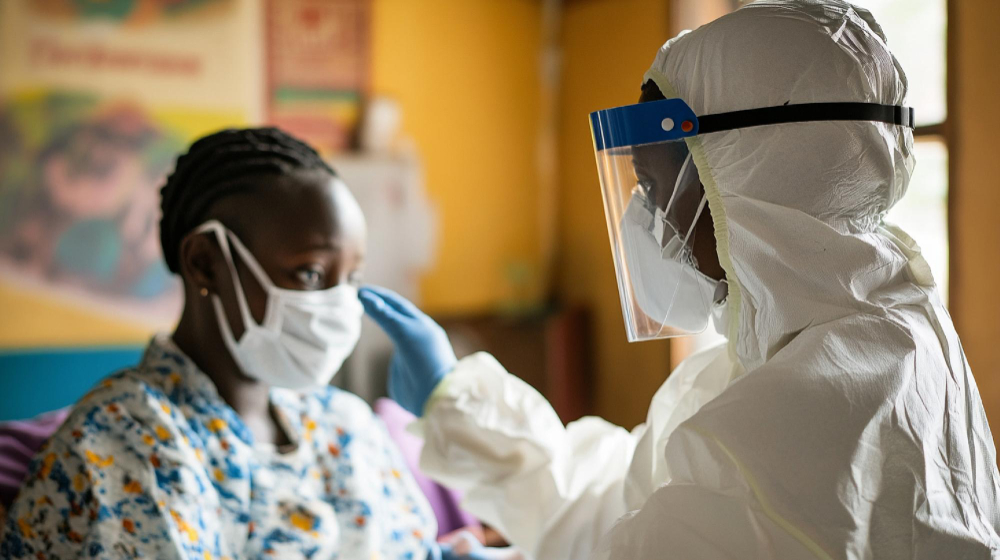
“We have a lot of avenues that we can tap into. We have Safaricom, we have the news media,” Muthoni said, calling for coordinated communication campaigns to improve public awareness.
Across Africa, governments are increasingly recognising that future pandemics are not a question of if, but when. Ebola, Marburg, Mpox and Covid-19 have all demonstrated how quickly infectious diseases can overwhelm fragile health systems and disrupt economies, education and livelihoods.
For Kenya, the current Ebola alert is not only a test of border surveillance and laboratory readiness, but also a broader assessment of whether the country can rapidly detect threats, communicate risk effectively and maintain public trust during a health emergency.
The Ministry insists the country is better prepared than before, citing strengthened laboratory networks, trained response teams, digital surveillance systems and closer regional coordination.
But officials also acknowledge that preparedness must remain continuous, especially as outbreaks evolve across the region.
As Kenya intensifies surveillance in its 23 high-risk counties, health experts say the most important defence may ultimately lie in public vigilance: recognising symptoms early, reporting suspected cases quickly and seeking treatment before the virus gains an opportunity to spread silently through communities.
We believe in the free flow of information
Republish our articles for free, online or in print, under Creative Commons licence.