

From a solar-powered oxygen plant to a farm that feeds the wards, Tophill Hospital was designed to need nothing it cannot provide itself.
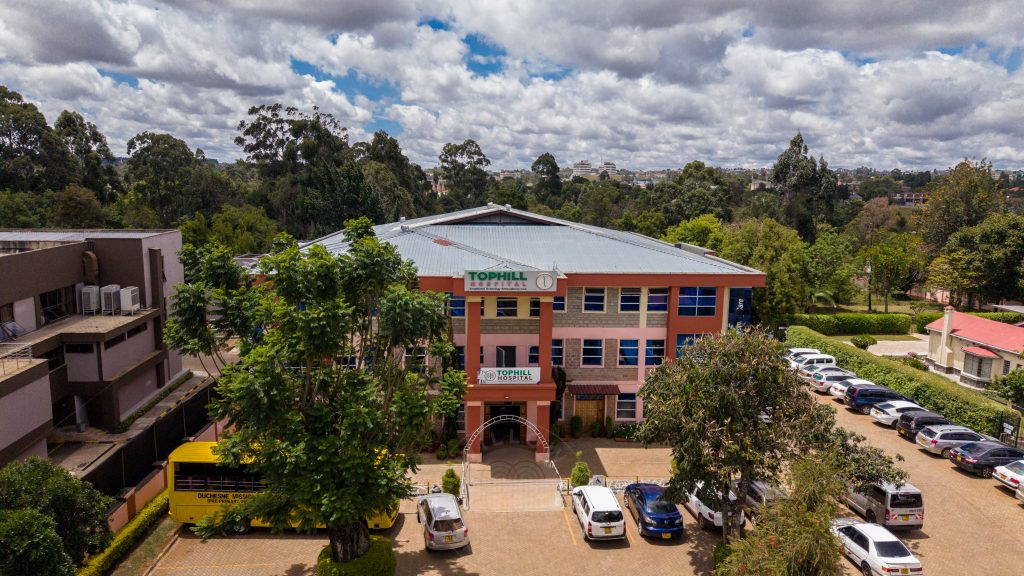
Above the rooftops of Elgon View estate in Eldoret, Tophill Hospital, a spine and brain centre, rises like a promise. From the air, the hospital’s grounds are serene, with paved surfaces and clean lines demarcating the car park. The ambient hum from the aesthetic trees within and outside its walls makes it feel like a place designed to heal.
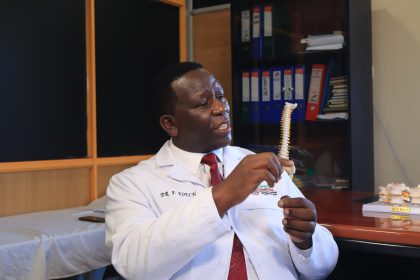
Tophill was founded by Dr Florentius Koech, a renowned neurosurgeon, and opened its doors to patients in 2017. Dr Koech had earlier led the establishment of the neurosurgery department at Moi Teaching and Referral Hospital (MTRH) in 2007, shortly after returning from Australia, where he trained. After 10 years at MTRH, he left to pursue his commitment to high-quality care.
His reason was grounded in outcomes.
“At times, patient outcomes were discouraging because some important things that complement the doctors’ work were not available. I want the best for my patients, and to achieve excellent results, we need support in technology and equipment,” Dr Koech said.
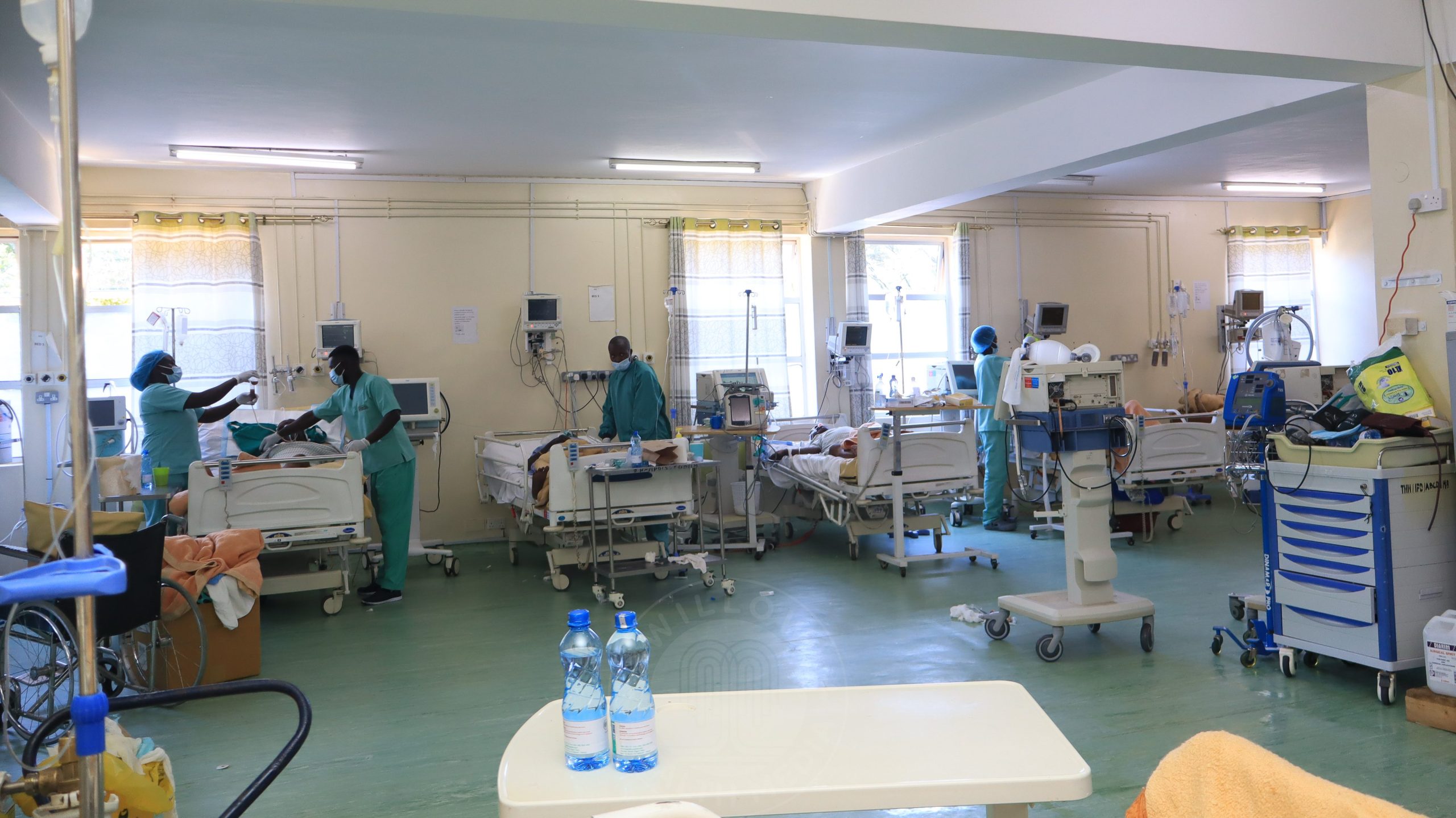
Inside Tophill’s walls, every second of life-saving care depends on electricity. For years, that dependence on Kenya Power was a source of quiet fear. Like many cities in Kenya, Eldoret’s grid is unpredictable, and power blackouts in a hospital are not just inconvenient; they are dangerous.
The uncertainty gave Dr Koech sleepless nights. In 2022, after consulting and benchmarking, he installed a solar power generation system, not as a backup, but as the hospital’s main power source. “The initial cost was high, but the investment was worth every penny. During the day, we power everything here using the solar system. Kenya Power just comes in at night.”
Monthly electricity bills dropped from Ksh1.5 million to between Ksh400,000 and Ksh500,000
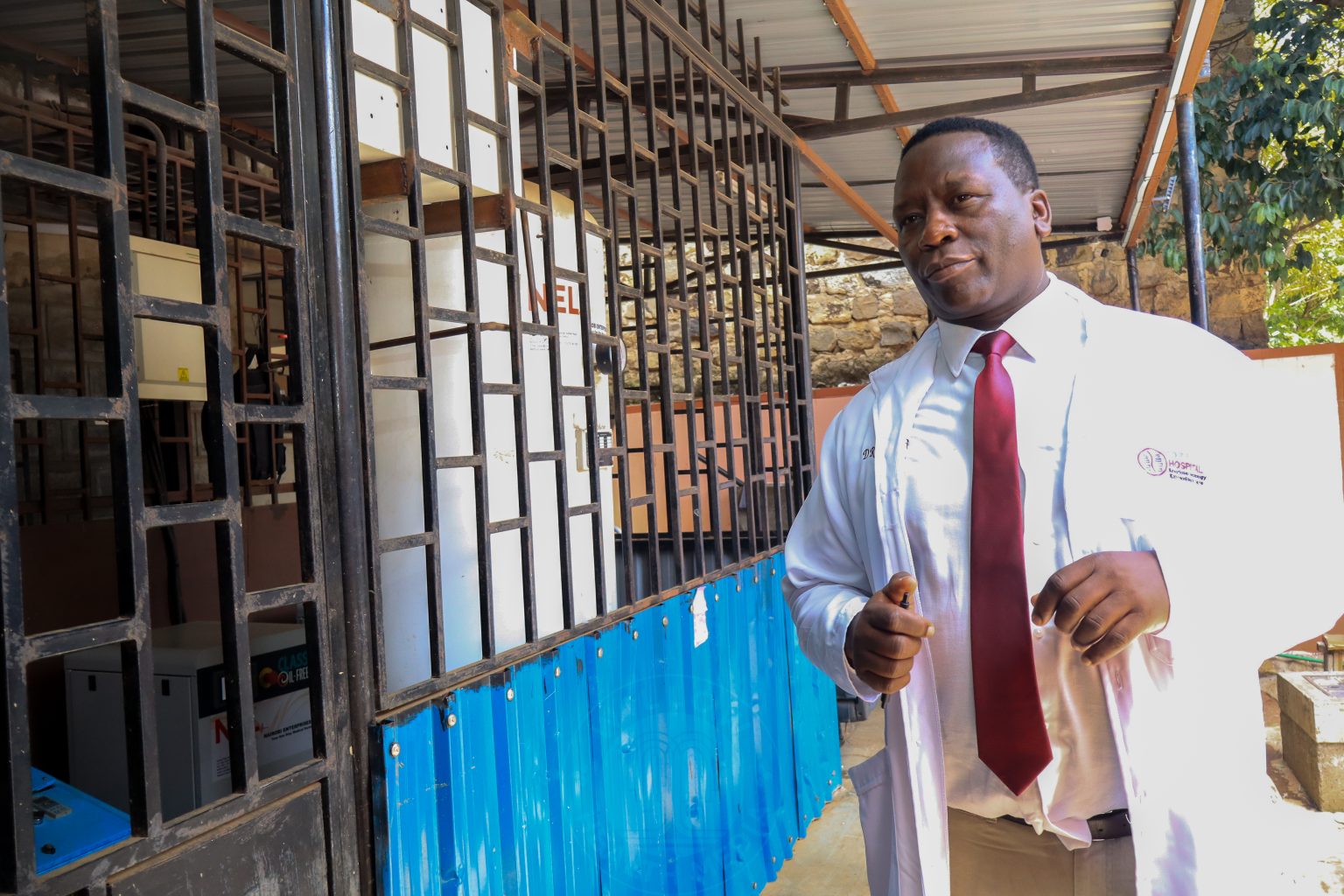
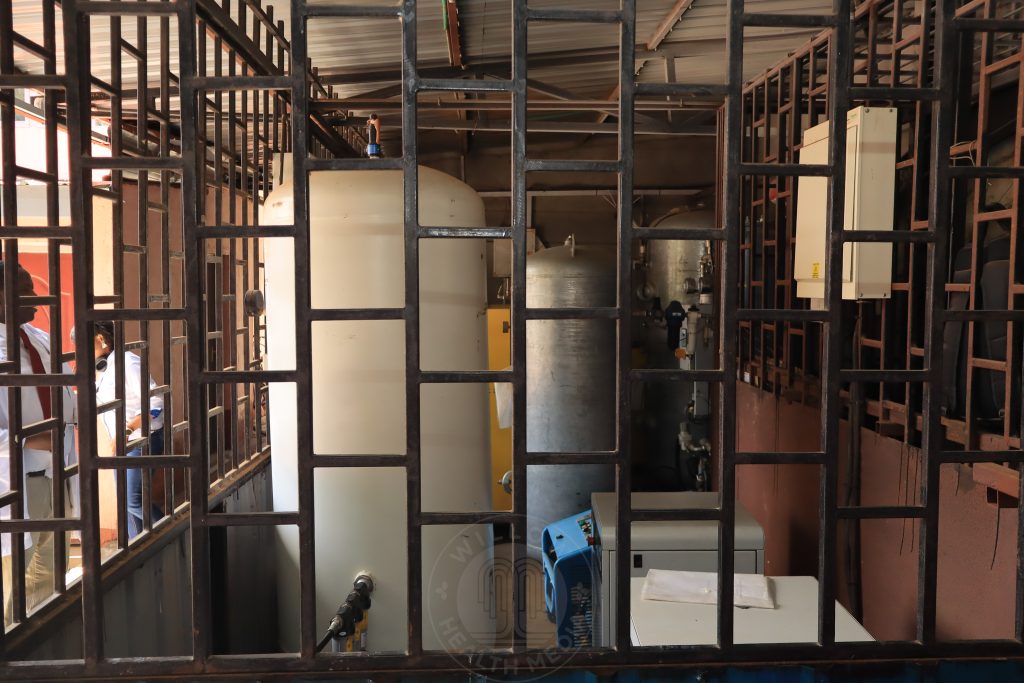
Two years earlier, in 2020, Dr Koech had installed a separate solar system to power the hospital’s on-site oxygen plant, ending an even more frightening dependence. “It was scary when the electricity went off, and you have patients who need oxygen. We had to quickly outsource and hope that the next delivery arrived in time,” he recalled.
Those scares are now gone. The savings have also been significant. Monthly electricity costs have dropped from Ksh1.5 million to between Ksh400,000 and Ksh500,000, while the cost of running the oxygen plant fell from Ksh800,000 to Ksh100,000.
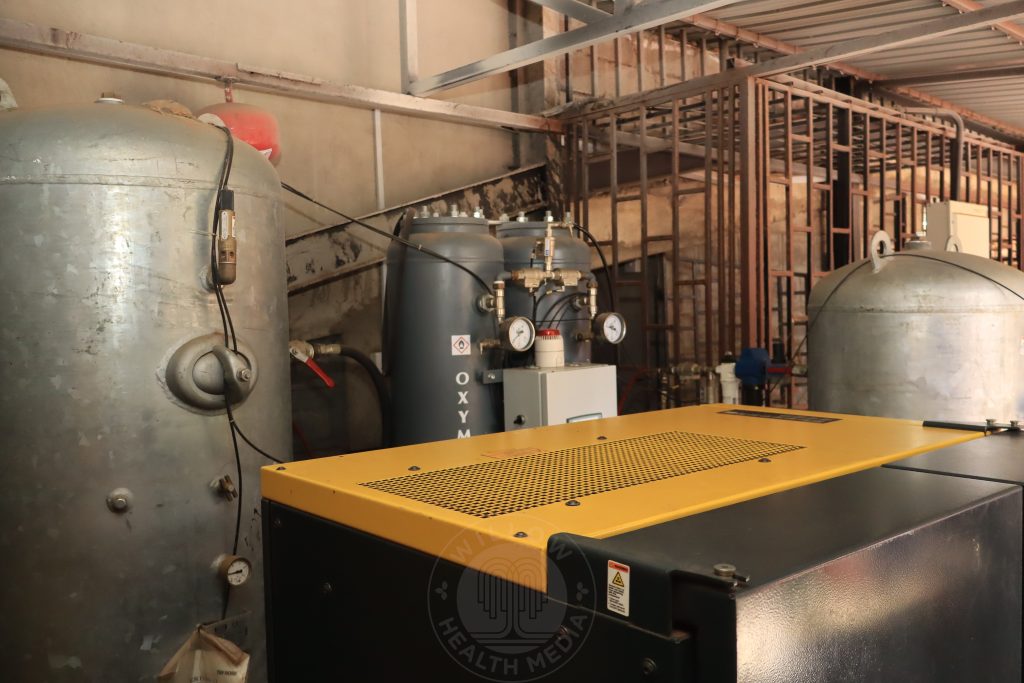
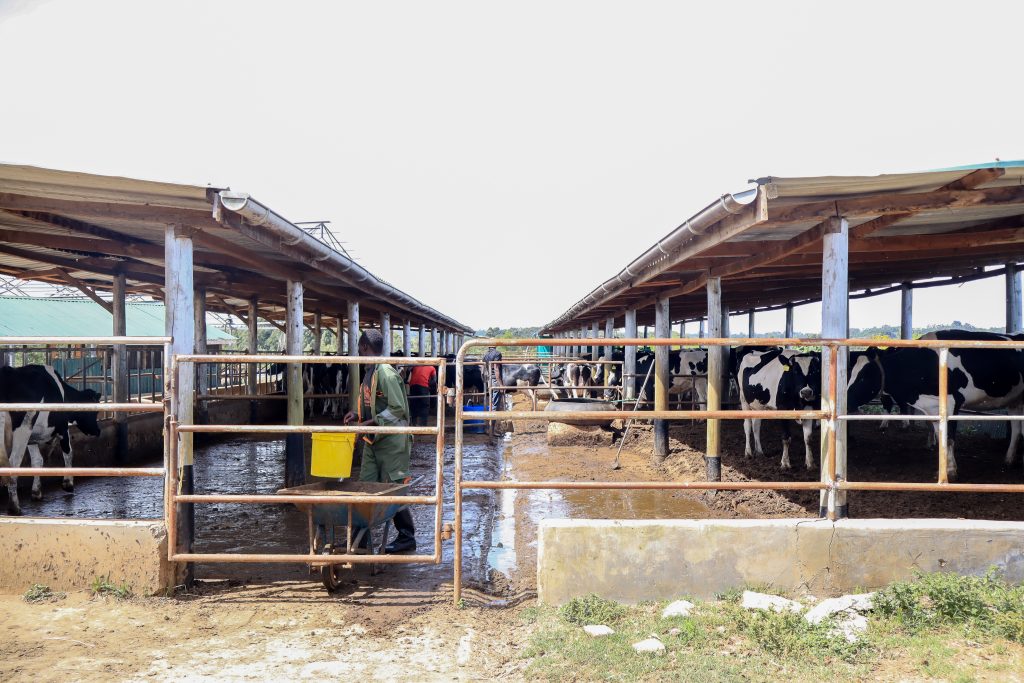
The philosophy of clean, affordable and reliable energy extends beyond the hospital. At Dr Koech’s farm in Kapseret, about 10 kilometres from Tophill, dairy and chicken units, greenhouses and electric fencing all run on solar power, a space where he occasionally steps away to decompress.
The farm also sustains the hospital’s kitchen. According to Ng’eno Kibelel, an administrator at Tophill, most food supplies for patients are sourced directly from there. “The hospital’s cafeteria and the farm operate cordially. We get milk, chicken, vegetables and meat fresh from the farm,” he said.
The farm delivers between 200 and 240 pieces of chicken and around 300 cabbages per month to the hospital
Solomon Komen, the head of the cafeteria, said the hospital receives between 150 and 170 litres of milk daily, 100 litres in the morning and the remainder in the afternoon. The farm produces up to 400 litres, depending on the number of lactating cows, with the surplus sold in local markets.
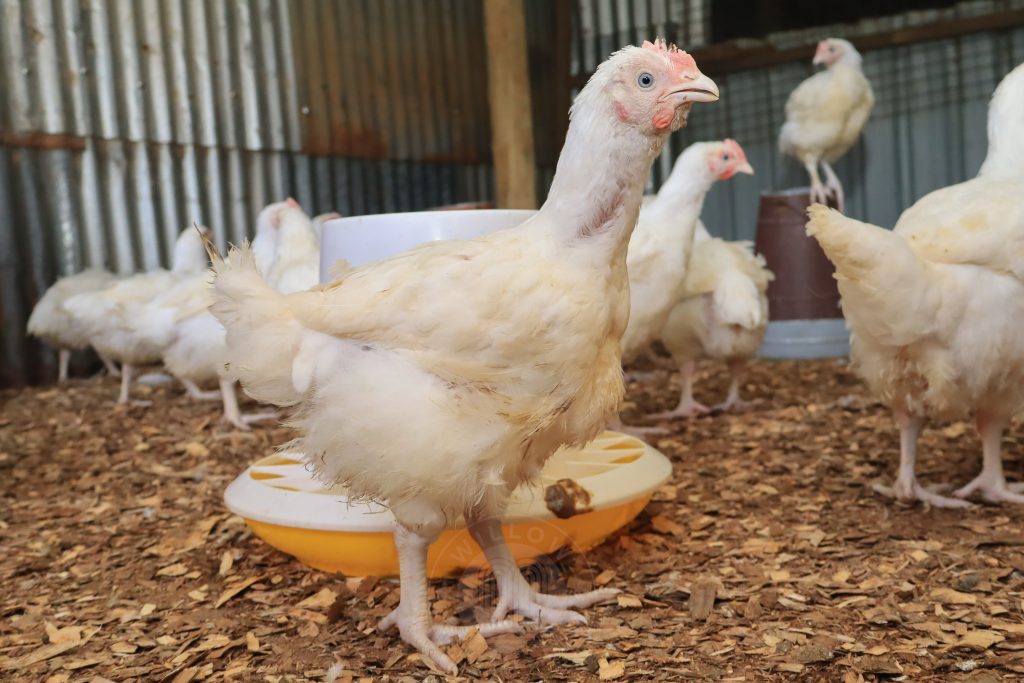
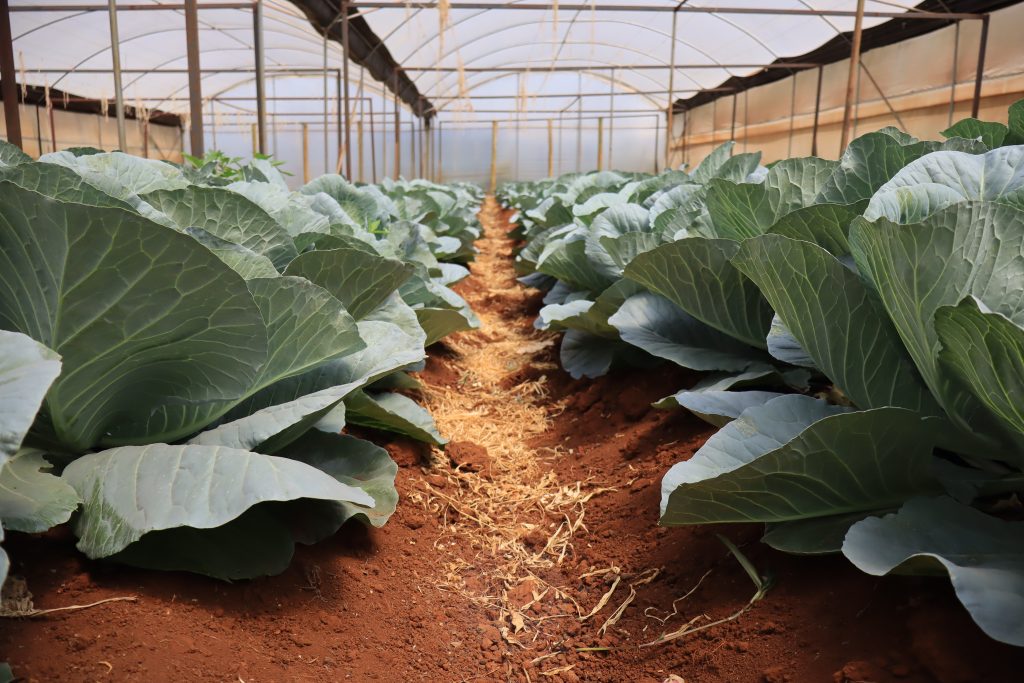
When supply is consistent, the farm also delivers between 200 and 240 chicken to the hospital, alongside an average of 300 cabbages per month. The hospital only outsources these commodities during production cycle changes.
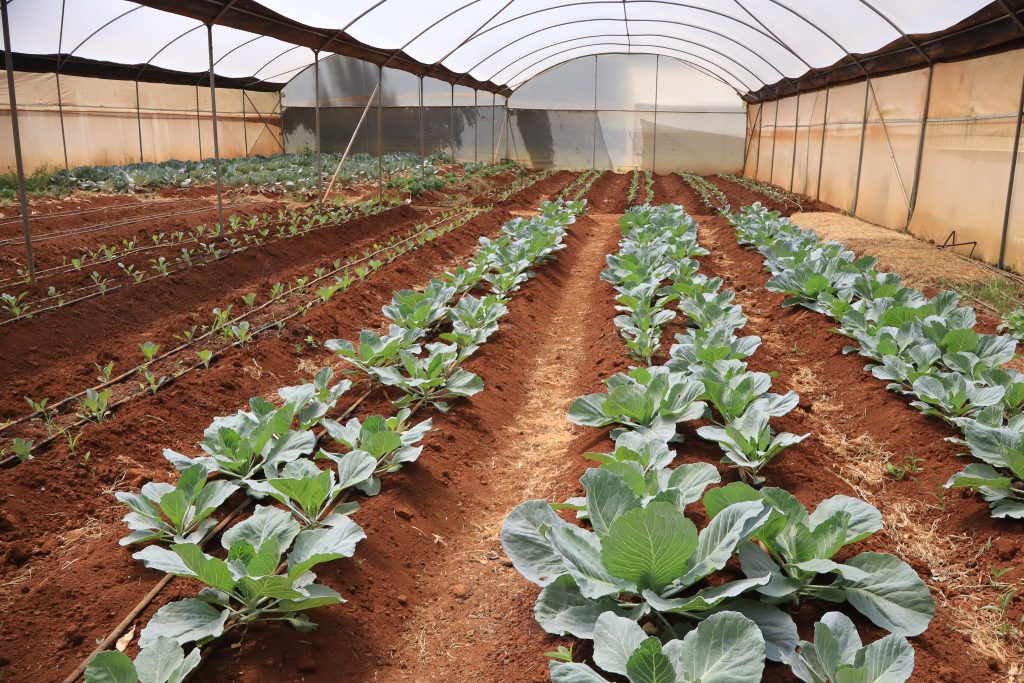
It is a closed loop of care: the farm sustains the hospital, and the hospital sustains its patients. At the centre of it all is a neurosurgeon driven by the belief that excellent patient care should not depend on forces beyond his control, whether grid electricity or food market prices.
“Every cent saved goes a long way,” Dr Koech said, including toward the hospital’s Ksh40 million operating microscope, which has improved efficiency in patient care.
Photos by Christopher Kipsang.