Chronic illness, thin cash transfers and lonely homes shape old age for millions. Advocates want health, income and care systems to work as one.
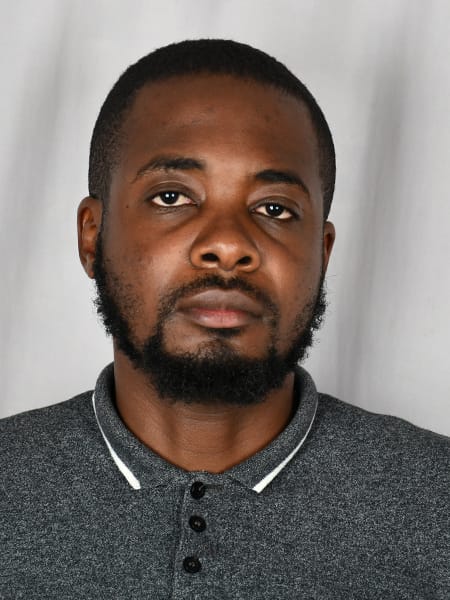
At 64, Francis Nyagaka has no plans to sit back and wait for his children to take care of him. He has spent most of his life working for himself and keeps looking for things to do so that he does not have to depend on them.
Staying independent has become harder. Nyagaka lives with joint problems and has been treated for ulcers and high blood pressure. This year alone, he says, he has been admitted to hospital three times. “Government doesn’t have a plan for us who are in self-employment for sure,” he says. He wants programmes that lighten the work of older people in farming, cattle rearing and small businesses.
Nyagaka is among a growing number of Kenyans navigating old age while still working, supporting families and managing illness. Kenya has about 2.7 million people aged 60 and above, roughly six per cent of the population, according to the 2019 Kenya Population and Housing Census. That number is projected to more than double to about 6.4 million by 2045.
Their stories, shared as Kenya marked the International Day of Older Persons from 30 September to 2 October, point to the same gaps: chronic illness and rising health costs, a cash transfer stretched across whole households, care that falls almost entirely on families, and a legal framework still waiting on Parliament. The question is whether the country’s health, income and care systems can change quickly enough.
The celebrations, organised by the Ministry of Health and the Ministry of Labour and Social Protection with partners, ran under the theme “Advancing Healthy Ageing and Older Persons’ Rights in Kenya: Coordinated Health, Social Protection and Community Action.” It reflects a challenge increasingly hard to ignore. Ageing is not only a health issue. It affects income, housing, food security, caregiving, sanitation, and the ability of older people to remain independent.
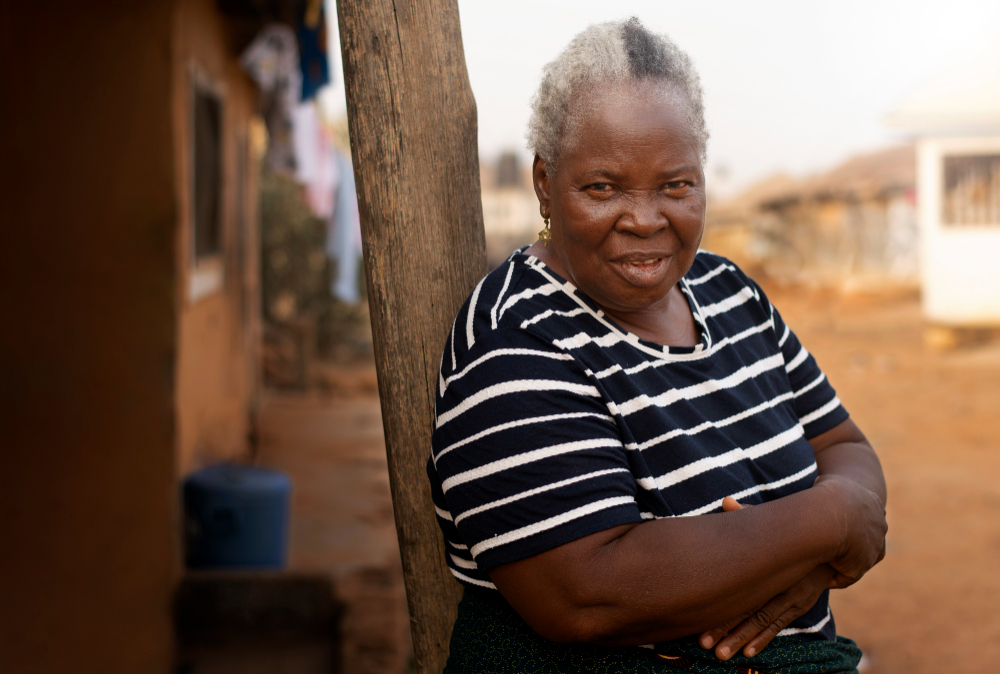
She receives Ksh2,000 a month via Inua Jamii but uses cash for consumption with her grandchildren
For 65-year-old Lotukui Lonyakwea from Turkana, farming has been one way of surviving. Floods have destroyed much of the communal land she works on, and the small piece that remains is shared among about 200 community members.
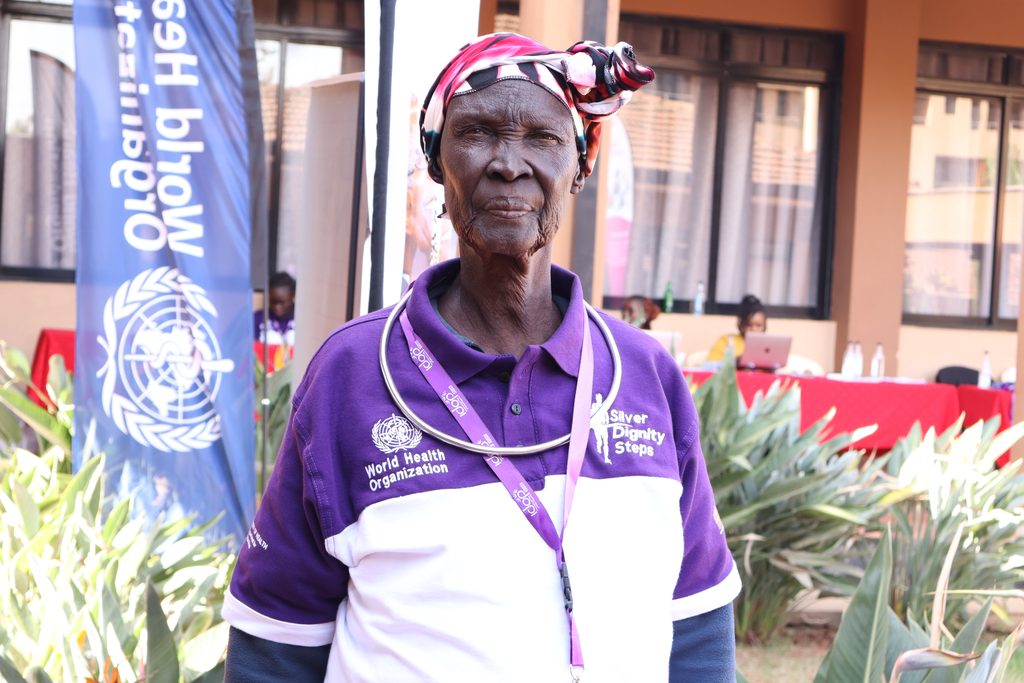
She receives Ksh2,000 a month through the Inua Jamii programme. “I have children who are unemployed and have my grandchildren. We use this money for consumption mostly, but it is hardly enough to cover food and school expenses for my grandchildren, since I am the sole breadwinner of my family,” she says.
She is among roughly 1.22 million vulnerable senior citizens receiving the stipend. More than 60 per cent of beneficiaries are women, according to the Ministry of Labour and Social Protection. Healthcare is another hurdle. “When we go to the hospital, we are asked for Social Health Authority (SHA), yet we do not have the money required during registration,” she says.
Lonyakwea wants the government to raise the Inua Jamii amount and help rehabilitate the land her community depends on. For her, income, food, family and healthcare are tightly bound together.
At 63, Zebediah Ochieng from Homa Bay sells tomatoes and vegetables to meet his daily needs. Poverty is his biggest challenge. He educated his children to university level, but unemployment has created tension at home. “We have educated our children, but they still lack employment. This has led to enmity between us and our children since they see us parents as the cause of their unemployment,” he says.
Church activities are the main source of joy and recreation, while staying active and connected matters as much as treating disease
He also struggles to meet healthcare costs, yet he has found purpose elsewhere. “Church activities is my main source of joy and recreation,” he says. Staying active and connected can matter as much as treating disease, though individual coping cannot replace wider social protection.
In Turkana, 72-year-old William Chegem grows vegetables along the Turkwel River. Women’s empowerment groups provide a generator to pump water to the farms. The vegetables feed his household, and the surplus is sold to meet basic needs.
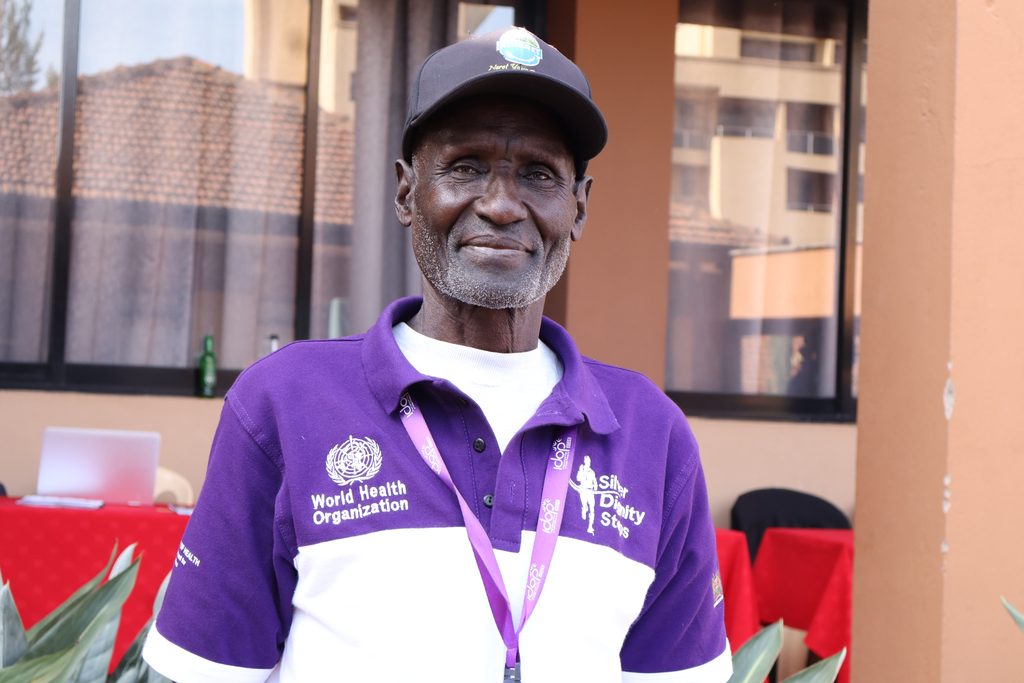
He says non-governmental organisations (NGOs) are helping older people and wants the government to work more closely with them. His experience suggests solutions need not begin with entirely new systems. They can start with helping older people stay economically active, strengthening community groups, supporting small-scale farming, and ensuring healthcare and social protection reach those most in need.
Where people live may also shape how they experience old age. According to the Kenya National Bureau of Statistics (KNBS), people in the Mount Kenya counties tend to live the longest. In Nyeri, women can expect to live 75.8 years and men 66.4 years, the highest in the country, against national averages of 66.5 and 60.6 years. Kiambu, Kirinyaga, Tharaka Nithi and Embu also rank among the top counties for women’s life expectancy.
The census recorded 14,040 centenarians, with the highest numbers in the Eastern region: 1,079 in Meru, followed by Makueni with 853. Meru also has a significantly high number of people aged 90 and above.
Among women, life expectancy is lowest in Tana River at 58.6 years, followed by Kilifi, Isiolo, Turkana
At the other end of the scale, men in the Lake Region have the shortest lives. In Homa Bay and Migori, men can expect to live just 50.5 years, followed by Siaya at 53.4 and Kisumu at 54. Among women, life expectancy is lowest in Tana River at 58.6 years, followed by Kilifi, Isiolo and Turkana.
The differences have been linked to lifestyle and healthy diets, and to environments with less industrial pollution, traffic, congestion and the stress of urban centres such as Nairobi, Mombasa and Kisumu. Stronger community and family ties in rural Eastern and Central Kenya are also cited as a source of mental and social support. That raises a question for fast-growing cities: can the same support and healthier environments be built into them?
Julie Omollo, Assistant Director, Social Development in the State Department for Social Protection and Senior Citizens Affairs, and focal person for the 2026 conference, says the biggest opportunity lies in coordination. Once passed, the Older Persons Bill, now before Parliament, would give ministries a legal framework to work together. “We are looking forward to having an immediate action plan after the bill is passed,” she says.
The cash transfer targets people aged 70 and above, along with younger people from severely vulnerable families. Many Kenyans keep working into their 60s and may still have some resources, she says, so the priority is reaching more people from 70, when they are most vulnerable. “For government, it is better when we increase or extend the number of people reached with the cash transfer from the age of 70, when they are extremely vulnerable,” she says.
Over the next five years, Omollo wants the bill passed and fully implemented, stronger coordination among ministries, academia, partners and older people’s organisations, and a completed national assessment of older persons. “The only way you can put measures in place is when you know the true status of older persons in the country,” she says.
Caring for older people means supporting caregivers, strengthening community health services and long-term illness beyond hospitals
Families are smaller, and more women are working, so fewer are available to provide unpaid care to older relatives. Dr Lydia Atambo, co-founder of African Centre of Excellence for Healthy Older Persons (ACEHOP), says Kenya must take its care economy seriously. “If we don’t invest in who cares for the older people, then we will have a problem,” she says.
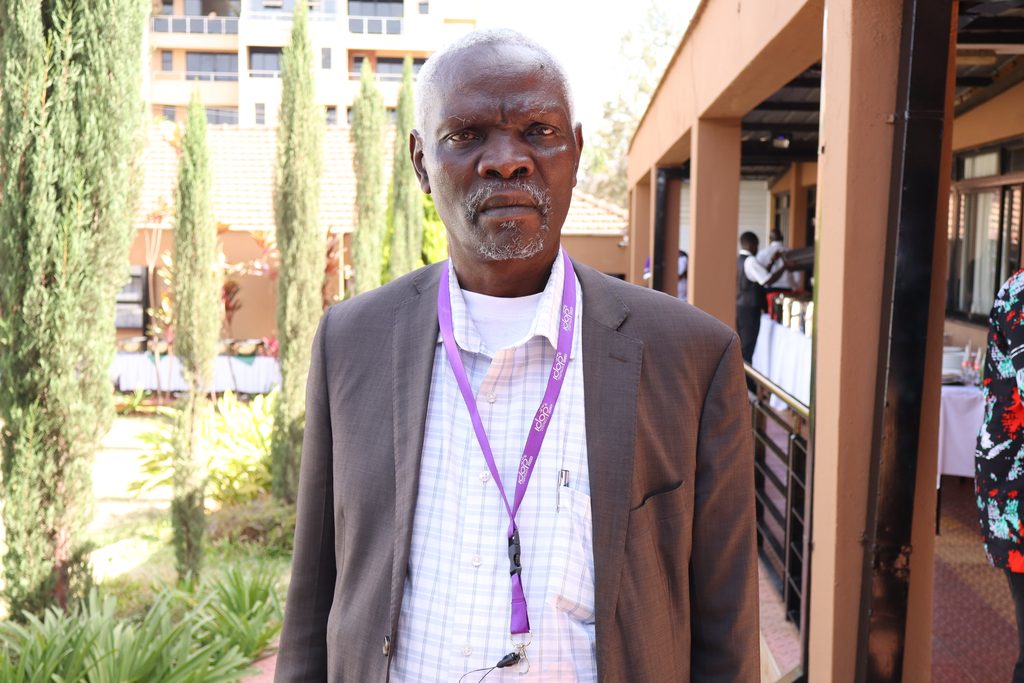
That means training and supporting caregivers, strengthening community health services, and ensuring care for long-term illness beyond the hospital. The four older people at the conference show why. Their resilience is clear, but so are the limits of what individuals can do alone.
According to the World Health Organization (WHO), Kenya’s life expectancy stood at 66.8 years in 2021. As more people reach old age, more will need long-term support for hypertension, diabetes, cancer, dementia, disability, and other chronic illnesses.
For Nyagaka, affordable and continuous care matters as much as a nearby hospital. Primary healthcare needs to catch problems earlier and help people manage several conditions over time, with rehabilitation, mental health, palliative and dementia services closer to home. More insurance partners should be brought in so older persons can keep accessing proper care into their sunset years.
The home itself can decide how well someone ages. Wider doors and ramps can mean the difference between independence and dependence, and a pit latrine used for decades can become hard to manage with painful joints. Age-friendly communities need accessible housing, sanitation, transport and public spaces.
How people age depends on how they were taken care of from the age of two
Loneliness can follow retirement, the death of a spouse, illness, or children moving away. Community, farming and religious groups offer companionship. The celebrations at the Kenya Institute of Special Education included a companionship corner for older people without spouses, an idea that could outlast a three-day event.
Dr Esther Muinga of the Ministry of Health’s Department of Healthy Ageing and Palliative Care says early life shapes old age. “What we do to a child at two years of age,” she says, “depends on how they age.”
Dr Jane Muita of the Association of Former International Civil Servants says age should be seen as an achievement rather than a problem. “That contribution is easily overlooked when older people are seen mainly as dependants,” she says.
The task now is turning individual resilience into stronger systems: extending protection to vulnerable people before 70, strengthening community care, supporting older workers and building age-friendly communities. The bill could coordinate these efforts, but legislation alone will not be enough. The planned national assessment could show where needs are greatest, so interventions rest on evidence rather than assumptions.
With 6.4 million Kenyans expected to be over 60 by 2045, the country still has time to prepare.
For Nyagaka, the goal is to keep doing things for himself. For Lonyakwea, it is enough support to feed her family, farm her land, and access healthcare. For Ochieng, it is work and community. For Chegem, it is partnerships that build on what already works.
The question is not whether older people can cope. They already are. It is whether the systems around them will catch up.
We believe in the free flow of information
Republish our articles for free, online or in print, under Creative Commons licence.