

An 86 per cent preparedness score let Kenya move fast when its first case walked into hospital. Now Africa CDC wants other countries to prepare before the virus arrives.
The last of the 135 people placed under Ebola monitoring in Kenya have returned home, and the country is now counting down to a possible Ebola-free declaration this December.
Kenya has not reported a new case since October 19, 2026. All nine confirmed cases have been linked to a single imported infection, with no evidence of community transmission. Two people died, including the index patient. The final group of contacts was released on November 11, and the country has entered the mandatory 42-day countdown required before the outbreak can be declared over.
The response has earned praise from the Africa Centres for Disease Control and Prevention (Africa CDC), which credits Kenya’s preparedness, rapid detection and coordinated action with preventing wider transmission in Nairobi.
Africa CDC Director-General Dr Jean Kaseya said Kenya’s investments in preparedness before the virus arrived had allowed it to respond quickly. “Before receiving that person, Kenya had a score of 86 per cent in terms of preparedness. This is why Kenya could react quickly,” Dr Kaseya told health ministers and development partners during a high-level ministerial webinar convened by Africa CDC. “Today, thanks to this action that Kenya took, we can say we have control of the Ebola outbreak in Nairobi,” he said.
Marking six months since the outbreak was declared in the Democratic Republic of Congo (DRC), Dr Kaseya again held up Kenya as proof that early action works. He said the death toll would have been far higher had the country not been well prepared.
Kenya notified the World Health Organization (WHO) of an Ebola case within 24 hours of lab confirmation
Kenya confirmed its first imported case of Bundibugyo Ebola Virus Disease on October 6, 2026. The patient, a Kenyan national, had travelled by road from the DRC to Uganda, spent a night there and then flew to Kenya. He died despite efforts by healthcare workers to save his life.

Kenya notified the World Health Organization (WHO) within 24 hours of laboratory confirmation, in line with the International Health Regulations.
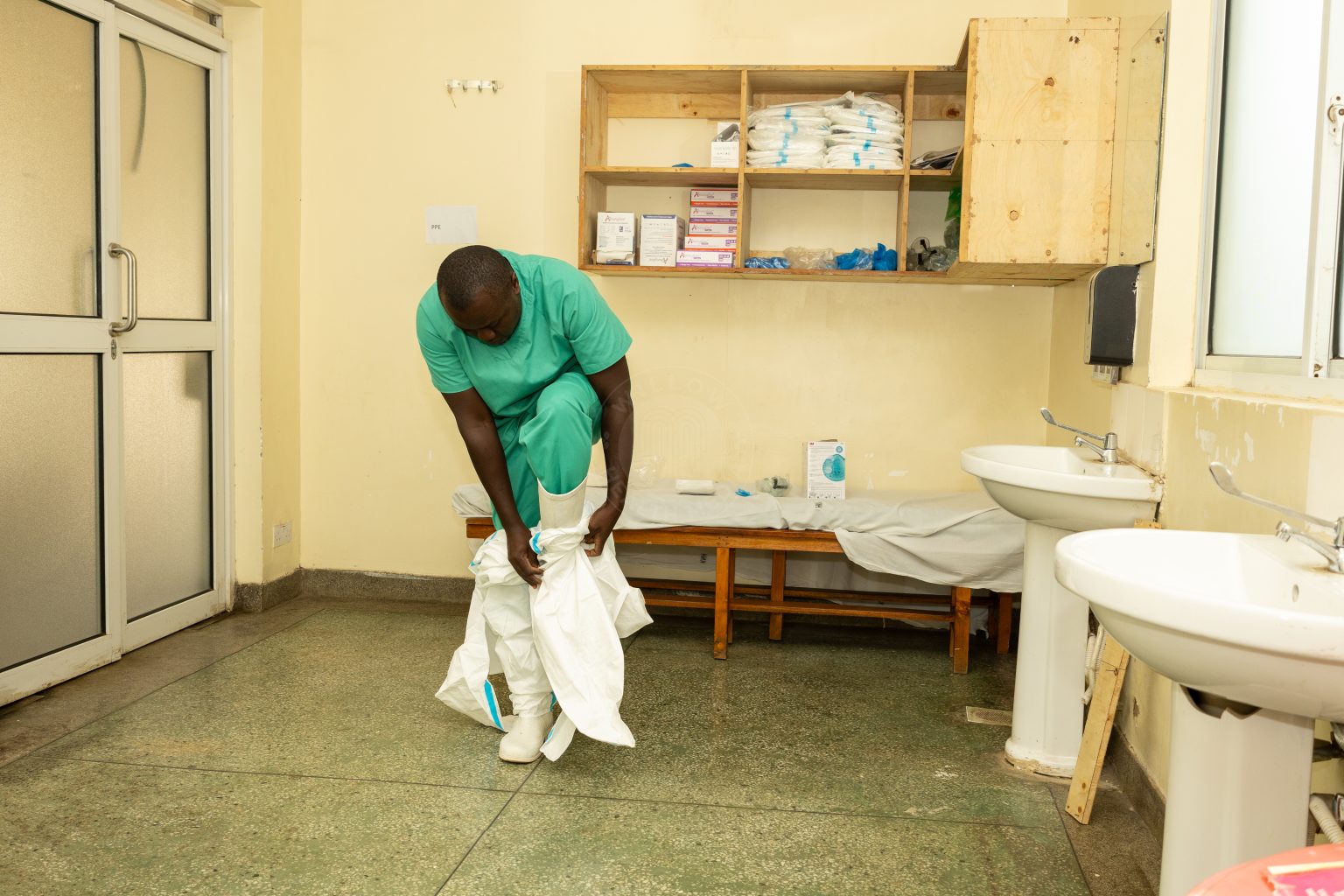
Eight more cases followed: four family members and four healthcare workers who had attended to the index patient in hospital before Ebola was suspected. On November 3, five patients were discharged from Ebola treatment units after testing negative.
At the Africa CDC webinar, Dr Patrick Amoth, Director General for Health, delivered a statement on behalf of Health Cabinet Secretary Aden Duale. The statement said every infection had been traced to the index patient and “We have found no chain of transmission outside our monitored contacts and no evidence of community transmission.”
Genomic sequencing confirmed the link to the first case and to the Bundibugyo lineage circulating in the DRC. Kenya shared its findings with Africa CDC to strengthen regional understanding of how the outbreak spreads.
The first 20 contacts who completed 21 days of monitoring returned home to their families
All 135 contacts were traced, nine of them outside Kenya, and the countries concerned were notified under the International Health Regulations. Contacts in Kenya received daily follow-up and were released in phases as each completed 21 days of monitoring, beginning with 20 on October 26. “The first 20 contacts who completed their 21 days of monitoring returned home to their families,” the statement said.
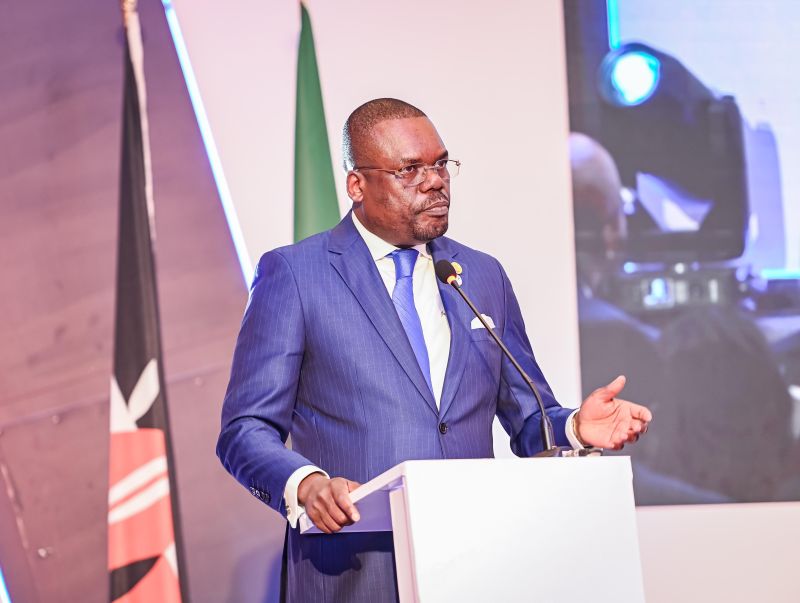
Dr Kaseya singled out the patient’s arrival in Nairobi. According to his account, the patient went straight to hospital, and within about two hours clinicians had suspected Ebola, collected samples and begun testing. Ministry reports place the patient’s isolation on October 3, two days before his death. “After two hours, he was suspected, they collected the sample, and we got the result, but unfortunately he passed away,” Dr Kaseya said.
The speed limited the patient’s contact with a wider network of people before isolation. Dr Kaseya urged African governments to learn from Kenya. He noted that the outcome could have been very different had the patient first gone to a family home or mixed extensively with friends and relatives.
Prof Salim Abdool Karim, who leads the Emergency Consultative Group advising Africa CDC, said the team left its assessment confident in Kenya’s handling of the case. “We went away confident that our colleagues in Kenya were on top of the case that they presented,” Prof Abdool Karim said.
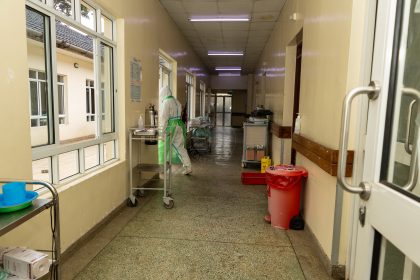
National emergency operations structures were activated, County Emergency Operations Centres prepared
The government declared Ebola a formidable epidemic under the Public Health Act, giving the response a legal basis. A national task force brought together both levels of government and development partners; national emergency operations structures were fully activated, and County Emergency Operations Centres were prepared in 11 high-risk counties.
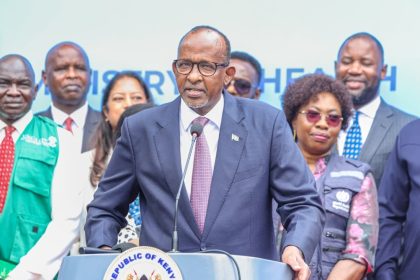
The Ministry of Health says more than 810,000 travellers have been screened at 26 points of entry since the response began in May 2026. Five laboratories have been designated, including two mobile laboratories along the Uganda border, with results in six to 12 hours.
Kenya has also established 211 isolation and treatment beds, trained close to 5,000 healthcare workers and kept between 300 and 400 responders on standby. The toll-free line 719 runs around the clock, and psychosocial support is available to patients, contacts, their families and frontline workers.
Africa CDC has mobilised about $1.5 million (Ksh195 million) in financial, technical and operational support, plus equipment worth about $350,000 (Ksh45.5 million) for Kenya’s Public Health Emergency Operations Centre.
The government also acknowledged Rwanda’s donation of 500 doses of an antiviral medicine used in managing the cases. Other partners included WHO, the United Nations Children’s Fund (UNICEF), the United States, India, China and the Intergovernmental Authority on Development (IGAD). The European Union contributed diagnostic tests.
There is no licensed, specific treatment for the Bundibugyo strain, leaving patients dependent on investigational and donated medicines
Four of the nine confirmed cases were healthcare workers, said Duale. Their infections show the risks health workers face when patients first present with symptoms that resemble other illnesses.
Duale called for stronger infection prevention and control, adequate personal protective equipment and better sanitation in healthcare facilities. The government also raised concern that there is no licensed, specific treatment for the Bundibugyo strain, leaving patients dependent on investigational and donated medicines whose supply is uncertain.
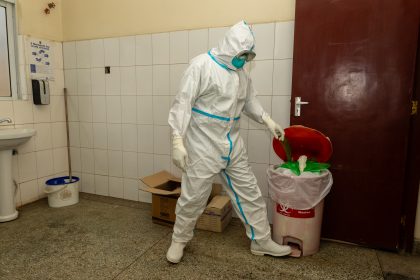
Kenya asked Africa CDC and its partners to facilitate early and equitable access to candidate vaccines and therapeutics, including monoclonal antibodies. It also committed to stronger cross-border surveillance and information sharing with the DRC and Uganda.
Kenya has kept travel and trade open, avoiding restrictions beyond those justified by the International Health Regulations and scientific evidence.
Dr Kaseya urged other African countries to follow suit. “We are not talking about travel restrictions. We are not talking about trade restrictions. We are saying let us keep our borders open,” he told the ministers.
The countdown does not mean the work is over. Surveillance, traveller screening and preparedness in border counties will continue until December 23, and beyond, while the outbreak persists elsewhere in the region. Holding these gains will depend on sustained vigilance and cooperation across borders.
We believe in the free flow of information
Republish our articles for free, online or in print, under Creative Commons licence.