
WHO says shutting official crossings would push travellers onto unofficial routes where no one can screen them, while choking trade the region depends on.
Kenya will keep its border with Uganda open despite confirming its first imported case of Bundibugyo virus disease, a deadly species of Ebola with no approved vaccine or treatment. Health experts say closing official crossings would push travellers onto unofficial routes beyond the reach of screening, while choking trade.
“It is not economically useful to close official borders as people use ‘panya routes’ (unofficial ones) making screening impossible,” said Dr Neema Kimambo, the World Health Organization (WHO) Representative to Kenya. She called border closures counterproductive.
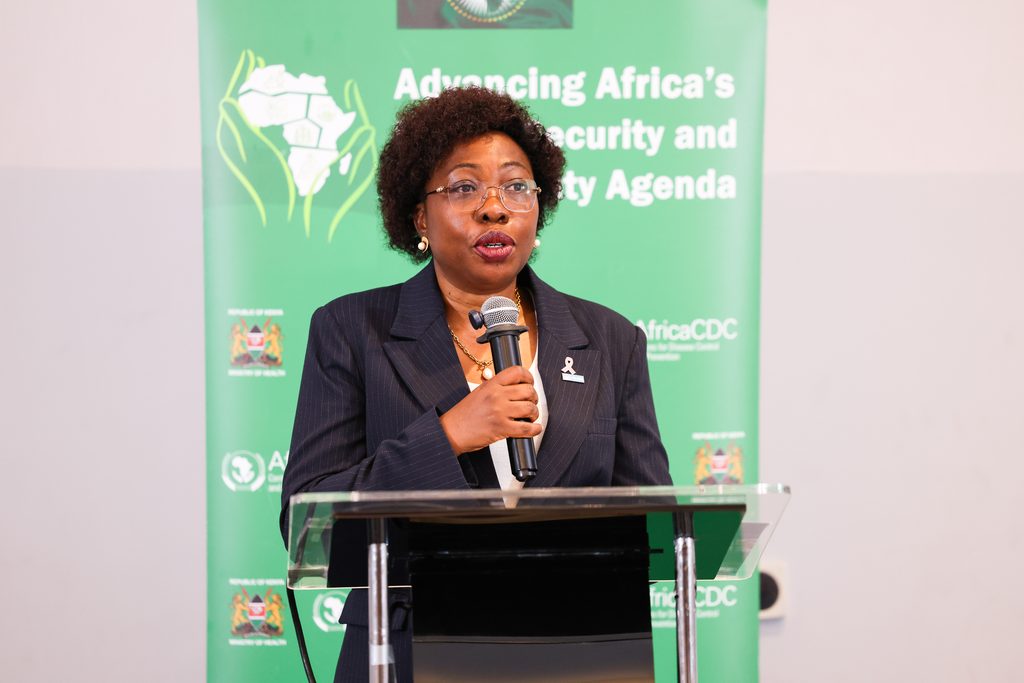
Dr Kimambo was speaking in Nairobi at a media engagement and national outbreak reporting workshop themed Public Trust, Transparency and Collective Action in the Ebola Response.
Her position reflects WHO’s global advice. When Kenya confirmed the case on October 5, many expected border closures.
WHO instead advised against restricting travel to or trade with the Democratic Republic of the Congo (DRC), Uganda or Kenya.
WHO Director-General Dr Tedros Adhanom Ghebreyesus said blanket restrictions are less effective than screening and contact tracing.
WHO has held this position since declaring the outbreak a Public Health Emergency of International Concern (PHEIC) on May 17. Dr Wessam Mankoula, Director of the Centre for Disease Preparedness and Response at the Africa Centres for Disease Control and Prevention (Africa CDC), said Kenya’s commendable response is why its borders remain open. The imported case, he said, “had a history of surveillance throughout its journey”.
As a result, flight passengers, crew, airport staff, family members and hospital staff are all being monitored during the 21-day incubation period, so any new case among them can be quickly quarantined. The only worst-case scenario, he warned, is if “a case is reported outside the group under monitoring.”
The Ministry of Health reported a second Ebola case, a relation of the first imported case
Dr Kimambo said the 21 days since October 5 provide a “window of opportunity to contain and protect the community”, though further imported cases remain possible. Indeed, on October 14, the Ministry of Health reported a second Ebola case, a relation of the first imported case.
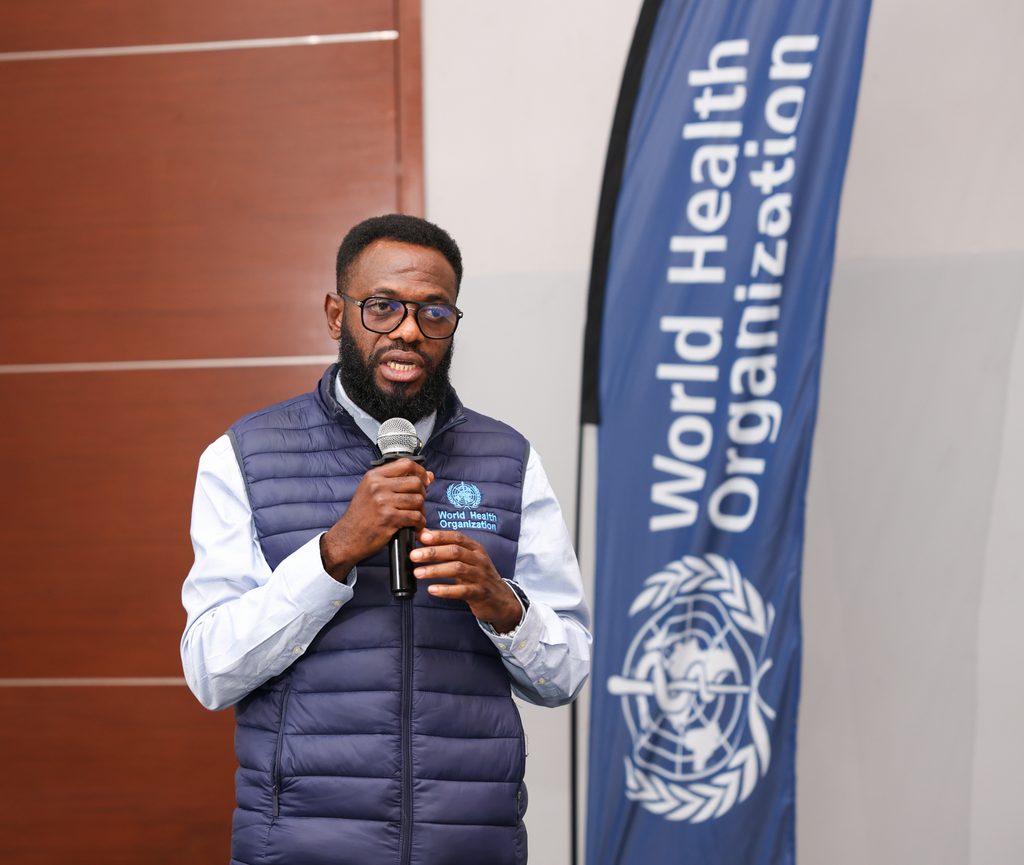
Dr Martins Livinus of the WHO Kenya Emergency Preparedness and Response Team said risk assessment began when the DRC announced its first case in May, and that “WHO staff and those from Africa CDC were embedded in the Kenya Ministry of Health Task Force” to streamline preparedness.
Dr Mankoula contrasted Kenya with the DRC, where “there is no clarification on (Ebola) transmission line from the first case in May”, making contacts impossible to track.
Kenya’s contact list for its single case had more than 100 people, he said, while DRC responders were working with 10 contacts against an ideal of 50, and many new cases fall outside the list.
“Deaths happen in the community in DRC with mourners mingling and thus increasing infection rates. In Kenya, the imported case happened in a hospital facility,” he explained. Because the patient died in hospital, community exposure was limited. He added that insecurity in the DRC forces responders to evacuate, meaning the “Ebola risk might last longer in DRC”.
The toll reflects this gap. By October 10, the DRC had recorded 8,978 confirmed cases and 4,336 deaths, a case fatality rate of 48.3 per cent, according to South Africa’s National Institute for Communicable Diseases (NICD).
Evidence from the 2014 to 2016 West African epidemic supports open borders
Uganda shows what early action achieves. Dr Mankoula said the country “has had only two Ebola deaths due to reporting early and seeking care.” According to WHO, 18 of Uganda’s 20 confirmed cases recovered, a case fatality rate of 10 per cent. Authorities monitored more than 800 contacts, roughly 40 per case, and declared the outbreak over in August.
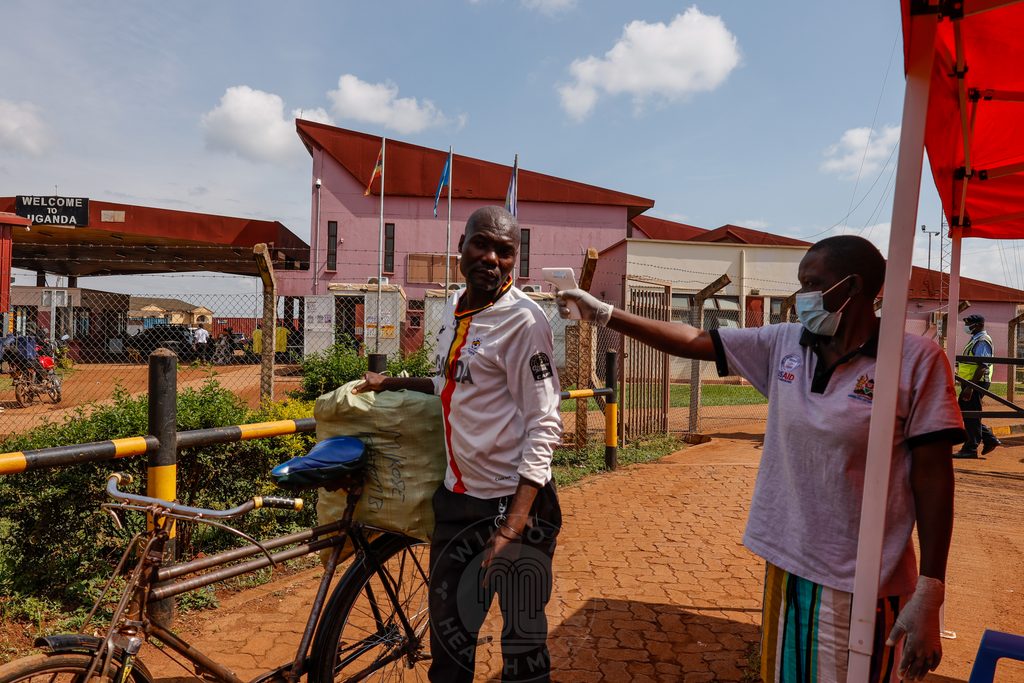
Evidence from the 2014 to 2016 West African epidemic supports open borders. A 2014 modelling study by researchers at Northeastern University in the United States found that an 80 per cent cut in airline traffic delayed international spread by only three to four weeks.
Kenya’s own case makes the point. According to the Ministry of Health, the patient travelled by road from the DRC to Kampala, then flew into Nairobi. Closing the land border would not have stopped him.
Under the International Health Regulations (2005) (IHR), which bind Kenya as a WHO member state, countries are expected to use measures no more restrictive than necessary.
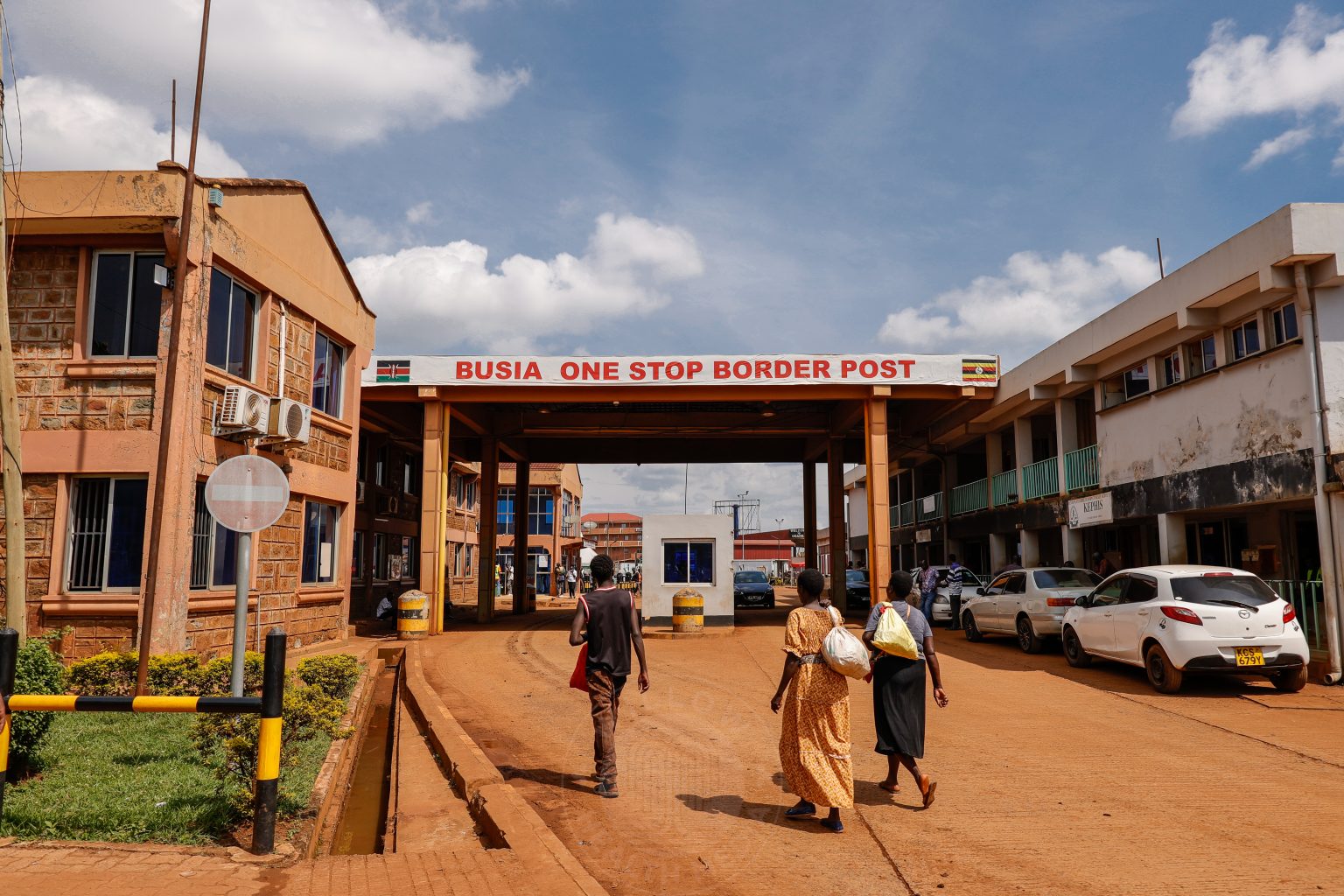
The Kenya-Uganda border runs for about 814 kilometres. In Busia County alone, the International Organization for Migration (IOM) identified 63 crossing points, only three of them officially gazetted, according to a 2022 brief by the Social Science in Humanitarian Action Platform (SSHAP).
Border closures push people onto unofficial routes, an open, staffed border keeps travellers visible to the health system
The IOM estimates that close to 23,000 people cross the border in Busia County daily, more than three-quarters through informal points. That leaves more than 17,000 people a day without a temperature check, travel history or contact details. Closures would push even more people onto these routes, while an open, staffed border keeps travellers visible to the health system.
Malaba is the region’s commercial artery. According to the Kenya Revenue Authority (KRA), about 80 per cent of Mombasa cargo bound for Uganda, Rwanda, Burundi, the DRC and South Sudan passes through the Malaba One Stop Border Post, which cleared an average of 1,500 trucks a day in 2022.
Busia handled an average of 600 trucks a day in 2023, according to media reports.
Kenya has seen what disruption looks like. During COVID-19 testing in 2020, Malaba handled 50 trucks or fewer a day, with queues stretching more than 50 kilometres on either side, according to reports at the time.
A closure would choke fuel, food and the medical supplies the Ebola response depends on. Open borders also let Kenya screen and test at scale. According to the Ministry of Health, authorities had screened 652,584 travellers and tested 267 samples by October 6.
The testing ran across five laboratories, including mobile units at the Busia and Lwakhakha border points. WHO says it has delivered about 1,000 Ebola tests and 1,000 personal protective equipment kits to high-risk counties.
The lesson is not to shut the gate but to staff it better through clinical vigilance, fast testing, thorough contact tracing
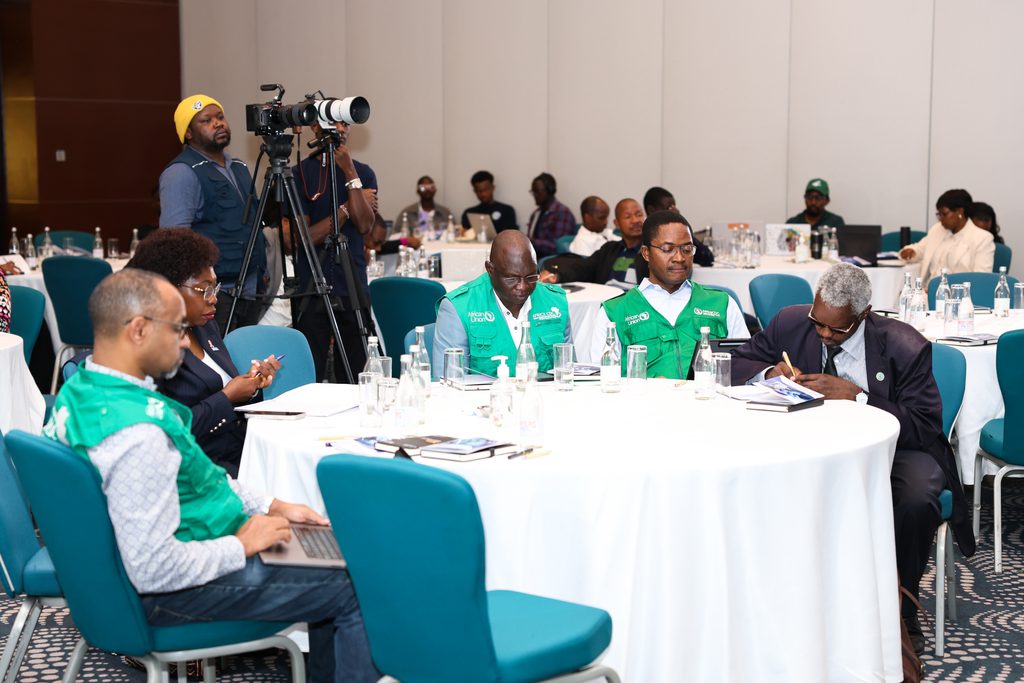
Still, WHO’s advice works only if screening is effective. The patient entered Kenya despite heightened regional surveillance.
The lesson is not to shut the gate but to staff it better through clinical vigilance, fast testing, thorough contact tracing and community surveillance in border villages.
Experts at the workshop agreed that information matters as much as screening. Dr Kimambo described it as critical, especially for Ebola in a country that had never recorded a case.
“What media shares dictates how people seek care and whether health workers have confidence in their roles,” she said. Dr Mankoula said “the biggest challenge with Ebola response in DRC is mistrust and misinformation”, but that awareness can change behaviour.
He urged journalists to resist the pressure to break news, verify information, “fight fear with facts” and encourage early care-seeking. Dr Livinus agreed, warning that “disinformation and misinformation are the biggest outbreak”.
Nancy Okwengu, WHO’s Infodemics Management Officer, said social listening showed that clear information builds trust, as “fear increases stigma from multiple sources of information and one of the fears Kenyans had was fear of lockdown.”
For now, that fear appears unfounded. Kenya’s border remains open, and its defence rests on watching every contact closely until the countdown ends.
We believe in the free flow of information
Republish our articles for free, online or in print, under Creative Commons licence.