


Kenya’s admission to the international research partnership marks an important step towards strengthening African participation in dengue research, closing critical gaps in diagnosis and treatment, and ensuring that evidence from the continent informs the development of future interventions.
For decades, dengue fever in Kenya has been closely associated with the Coast, where Mombasa, Kilifi, Kwale and Malindi have experienced recurrent outbreaks. But the disease is increasingly being detected beyond these historically affected areas, with recent outbreaks in Garissa and Wajir raising concerns about its changing geographical spread and the country’s capacity to respond.
Between January and August 2026, Kenya recorded nearly 10,000 dengue cases, compared with approximately 4,300 in 2025 and 1,400 in 2024, according to the World Health Organization (WHO). The figures point to a growing public health challenge as the infection continues to spread into areas where health workers may have limited experience diagnosing and managing it.
Against this backdrop, the Kenya Medical Research Institute (KEMRI) formally joined the Global Dengue Alliance on October 27, 2026, becoming the first African research institution to join the international partnership. The announcement was made during the alliance’s meeting in Kuala Lumpur, Malaysia.
Established in 2022, the Global Dengue Alliance brings together research institutions from dengue-endemic countries, including Brazil, Malaysia, India and Thailand, alongside the Drugs for Neglected Diseases initiative (DNDi). Its central objective is to accelerate research into safe, effective, affordable and accessible treatments for dengue.
Kenya’s admission is significant because it gives African researchers an opportunity to contribute more directly to an international research agenda that has largely drawn on evidence from other dengue-endemic regions. It also creates opportunities to generate evidence on how the disease presents itself in African populations, where its true burden may be considerably higher than routine surveillance suggests.
Although outbreaks have historically been concentrated along the Coast, transmission has also been reported in northern and western Kenya
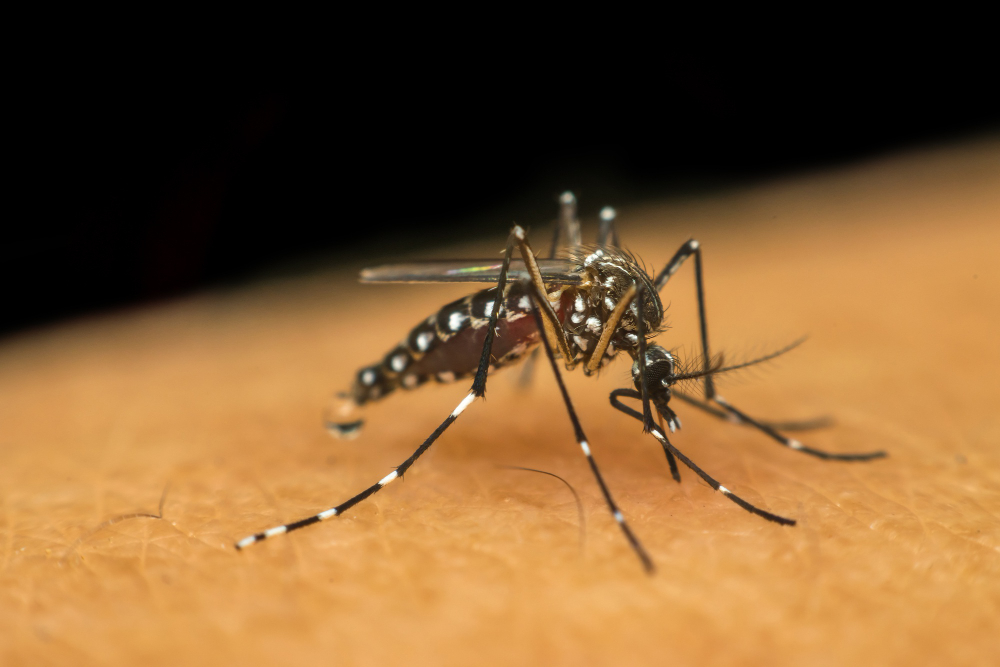
Dengue is a mosquito-borne viral infection transmitted primarily by infected female Aedes aegypti mosquitoes. The virus has four major serotypes, DENV-1, DENV-2, DENV-3 and DENV-4. Infection with one serotype provides long-term immunity against that particular type but does not guarantee protection against the other three. Subsequent infection with a different serotype can increase the risk of severe dengue.
Kenya has detected all four serotypes since its first reported dengue epidemic in 1982. Although outbreaks have historically been concentrated along the Coast, transmission has also been reported in northern and western Kenya and areas bordering Uganda, South Sudan and Ethiopia.

The changing pattern is particularly evident in north-eastern Kenya. A Ministry of Health situation report covering July 5-12, 2026, recorded 96 new cases in Wajir County across five sub-counties, with Wajir East accounting for approximately 91 per cent of infections reported during that week.
Garissa County had recorded 1,583 cumulative cases since April, alongside five suspected deaths, with four in Garissa Township and one in Hagadera Refugee Camp. Although no new cases were reported during the subsequent surveillance week, continued monitoring remained necessary.
The outbreaks demonstrate why dengue surveillance cannot be confined to counties traditionally associated with the disease. They also highlight the importance of understanding how transmission occurs in different geographical and population settings.
Dr Erick Muok, KEMRI Acting Director of Research and Development, said the true burden of dengue in Africa remains underestimated because of underdiagnosis and underreporting.
Dengue symptoms, including fever, headache, muscle and joint pain, can resemble those of malaria and other infections
Through the partnership, KEMRI intends to contribute African expertise and evidence to research on dengue surveillance, diagnostics, clinical management and the development of new treatments.
The challenge begins with identifying the disease. Dengue symptoms, including fever, headache, muscle and joint pain, can resemble those of malaria and other infections. In areas where malaria is common, patients presenting with fever may initially be investigated or treated for other illnesses, delaying appropriate diagnosis.
Limited access to laboratory testing compounds the problem. Without reliable diagnostic services, some infections may be missed, while others may be recorded as suspected cases without laboratory confirmation. This affects not only individual patient management but also the accuracy of surveillance data used to guide public health interventions.
The WHO estimates that approximately 5.6 billion people worldwide are at risk of dengue, with between 100 million and 400 million infections occurring annually. Many infections are mild or produce no symptoms, making the disease difficult to measure accurately.
For African countries, strengthening diagnostic and surveillance systems is therefore essential to establishing the scale of transmission and identifying populations most at risk. Beyond surveillance, Kenya’s membership could help address a major gap in dengue treatment research.

Dr André Siqueira, Head of DNDi’s Global Dengue Programme, said KEMRI’s experience in clinical research, diagnostics, surveillance and outbreak response will help ensure that research responds to the needs of affected populations in Africa.
He said dengue is no longer a disease confined to traditionally endemic regions and that addressing it requires global cooperation.
“While we have seen important advancements in vaccines and vector control, there is still no specific treatment for dengue and more research is needed to close this critical gap,” he said.
Other approaches being explored include antiviral medicines and host-directed therapies, which aim to influence the body’s response to infection
Despite advances in vaccine development and mosquito control, there is currently no specific approved antiviral treatment for dengue. Clinical management remains largely supportive, involving careful monitoring for warning signs, maintaining fluid balance and managing complications. Severe dengue can cause serious bleeding, organ impairment and circulatory shock, making early recognition and appropriate medical care critical.
The alliance is working to address this treatment gap. Through collaboration between DNDi and India’s Serum Institute, a promising treatment candidate is progressing towards a Phase III clinical trial expected to begin in early 2027 in Brazil, Thailand and Malaysia.
Other approaches being explored include antiviral medicines and host-directed therapies, which aim to influence the body’s response to infection. Kenya’s participation could help broaden the geographical and scientific reach of this research, creating opportunities for African patients and research institutions to be included in future studies.
This matters because treatments developed using evidence from other populations and settings must also be evaluated for their relevance and suitability in the communities where they will eventually be used.
The alliance’s expansion into Africa could therefore help shift the continent from being primarily a recipient of global health interventions to an active contributor to the evidence, clinical research and scientific decisions that shape them.
These interventions remain important because vaccines and future treatments cannot replace mosquito control and effective surveillance
The importance of this partnership extends beyond the development of new medicines. Better research can help countries understand where transmission is occurring, improve early detection and identify the interventions most likely to protect vulnerable populations.
In Kenya, these priorities are already evident in the different approaches counties are taking to manage the disease.

In Mombasa, where dengue is considered endemic, healthcare workers and Community Health Promoters have been trained to recognise, notify and report suspected cases through existing surveillance systems. The county has also encouraged health facilities to procure rapid dengue test kits to support early diagnosis.
Mombasa County Disease Surveillance Coordinator, Nassoro Mwanyalu, has previously highlighted the importance of collaboration between public health officials, clinicians, environmental health officers and communities in preventing transmission. The county also conducts targeted fumigation after the short and long rainy seasons.
These interventions remain important because vaccines and future treatments cannot replace mosquito control and effective surveillance.
Evidence from India’s approval of the Qdenga dengue vaccine shows that progress in vaccine development offers another potential tool in reducing the disease burden. However, Kenya would still need regulatory approval from the Pharmacy and Poisons Board before the vaccine could become available locally. Decisions on access and possible inclusion in public immunisation programs would also need to be made.
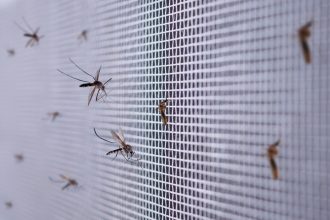
The mosquito responsible for most dengue transmission breeds in stagnant water, including uncovered storage tanks, buckets, tyres and other containers around homes and settlements. Eliminating breeding sites, covering water containers and protecting against mosquito bites therefore remain essential preventive measures.
For the wider continent, it could open pathways for stronger research partnerships and a more representative evidence base to guide future interventions
Kenya’s entry into the alliance comes as emerging research suggests that dengue transmission may be more widespread across Africa than routine surveillance has captured.
DNDi-led epidemiological studies in Senegal, Ghana and the Democratic Republic of the Congo have found evidence of transmission that may previously have gone unrecognised. Detailed findings from these studies are expected to be published in early 2027.

These findings reinforce the need for African institutions to strengthen their capacity to investigate the disease rather than rely solely on reported outbreaks to establish its geographical reach.
For KEMRI, membership offers an opportunity to bring local research expertise, clinical experience and evidence from affected communities into international scientific collaboration. For the wider continent, it could open pathways for stronger research partnerships and a more representative evidence base to guide future interventions.
Ultimately, the value of Kenya’s admission will depend on what the partnership delivers: more research involving African populations, better understanding of dengue transmission, improved diagnostic capacity and, critically, affordable treatments that reach the communities that need them.
As dengue continues to challenge health systems beyond its traditionally recognised hotspots, Africa cannot afford to remain on the margins of the global response. Kenya’s entry into the Global Dengue Alliance is an important step towards ensuring that the continent helps shape the research and solutions needed to fight the disease.
We believe in the free flow of information
Republish our articles for free, online or in print, under Creative Commons licence.