


Dengue fever is spreading into new parts of Kenya, from outbreaks in Garissa and Wajir to endemic transmission in Mombasa. A new vaccine, now cleared in 43 countries including India, offers a fresh tool, though Kenya’s regulators must still weigh in.
Dengue fever has killed at least five people and infected more than 1,600 others this year in Kenya’s north-eastern counties of Garissa and Wajir, a region with no history of sustained dengue transmission until recently, according to the Ministry of Health’s Emergency Preparedness and Response Weekly Situation Report released in July.
Wajir County remains in active outbreak mode, with 96 cases recorded across five sub-counties in the surveillance week of 5-12 July 2026; Wajir East alone accounts for 91 per cent of those infections, pointing to sustained transmission within one sub-county.

Garissa County has logged a cumulative 1,583 cases since April, including five suspected deaths, four in Garissa Township and one in Hagadera Refugee Camp. No new cases emerged in the latest surveillance week, suggesting the outbreak there may be easing, though health officials continue to monitor it closely.
Adults aged 25 to 44 make up 37 per cent of Garissa’s reported infections, while children under five account for nearly 15 per cent, underscoring how the disease cuts across age groups. Only a small proportion of these cases have been confirmed by PCR testing; most remain classified as suspected infections based on clinical symptoms.
Kenya’s outbreak is unfolding against a global backdrop, and it helps explain why the country has become newly vulnerable. The World Health Organization (WHO) recorded 14.4 million dengue cases and more than 11,000 deaths worldwide in 2024, a record toll it attributes partly to climate change, rapid urbanisation, increased travel and expanding mosquito habitats.
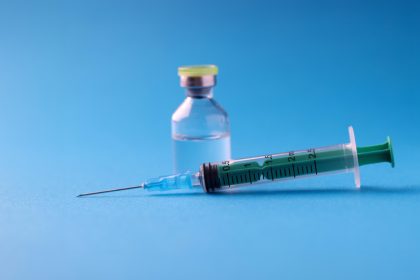
Developed by the Japanese pharmaceutical company, Qdenga is designed to protect against all four dengue virus serotypes
Together, these forces are pushing the disease into regions where it was previously uncommon, including Kenya’s arid north-east, precisely where the Garissa and Wajir outbreaks are now unfolding.
Now a new tool has emerged in the global fight. Takeda Pharmaceutical’s dengue vaccine, Qdenga, has been approved by India’s drug regulator, the first such clearance in the country and the latest addition to a list of 43 countries where the two-dose vaccine is now authorised.
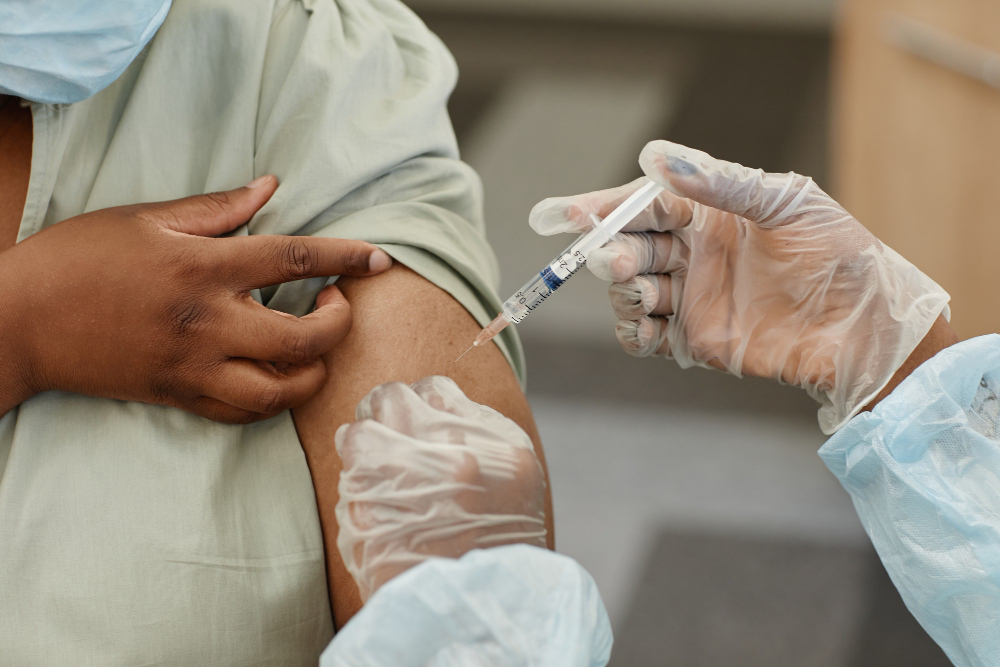
Developed by the Japanese pharmaceutical company, Qdenga is designed to protect against all four dengue virus serotypes and is given as two injections three months apart to people aged four to 60. Unlike Sanofi’s earlier vaccine, Dengvaxia, which is recommended only for people with a previous dengue infection because of safety concerns, Qdenga can be administered regardless of whether someone has been infected before, a distinction that widens who can realistically be vaccinated.
Clinical trial data released by Takeda showed the vaccine achieved 80.2 per cent efficacy against laboratory-confirmed dengue a year after the vaccination schedule was completed, and cut dengue-related hospitalisations by more than 90 per cent after 18 months. Experts caution that no vaccine alone can eliminate dengue outbreaks, but reducing severe disease and hospital admissions on that scale could substantially ease the pressure on health systems during epidemics like the one now underway in Garissa and Wajir.
India is a major global vaccine-production hub and one of Kenya’s top two sources of pharmaceutical imports alongside China
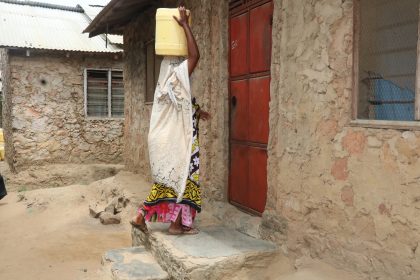
Dengue is transmitted primarily by Aedes aegypti mosquitoes, which breed in stagnant water around homes and urban settlements. Eliminating breeding sites, improving waste management, covering water storage containers and protecting against mosquito bites remain the cornerstone of prevention, alongside whatever role a vaccine eventually plays.
Takeda expects Qdenga to become available in India during the first half of 2027, initially through private healthcare facilities rather than the public system. The company has partnered with Indian manufacturer Biological E to produce up to 50 million doses a year, part of a wider plan to lift global production capacity to 100 million doses annually by 2030.
That manufacturing push matters for Kenya specifically, not just symbolically. India is a major global vaccine-production hub and one of Kenya’s top two sources of pharmaceutical imports, alongside China; it exported more than $352 million (Ksh45.6 billion) worth of pharmaceutical products to Kenya in 2024, according to the United Nations COMTRADE database.
As dengue outbreaks grow more frequent in Kenya, expanded global production could eventually widen access, should the vaccine receive regulatory approval from Kenyan authorities. That approval is neither guaranteed nor imminent. Kenya’s Pharmacy and Poisons Board would first need to clear Qdenga, and policymakers would then have to decide whether to fold it into public immunisation programmes or make it available only through private healthcare, as India plans to do initially.
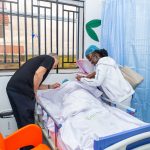
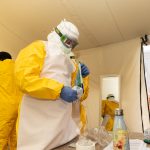
Healthcare workers and Community Health Promoters have been trained in dengue case detection, notification and reporting
The disease’s reach in Kenya extends well beyond the current north-eastern outbreak. In Mombasa County, dengue is considered endemic, and studies comparing Kenyan cities have found higher mosquito densities and greater human exposure there than in Nairobi or Kisumu, helping to explain why the coast keeps experiencing recurrent outbreaks.
Mombasa’s Disease Surveillance Coordinator, Nassoro Mwanyalu, says healthcare workers and Community Health Promoters have been trained in dengue case detection, notification and reporting through Kenya’s existing disease surveillance system, and that the county has encouraged facilities to procure rapid dengue test kits for early diagnosis.
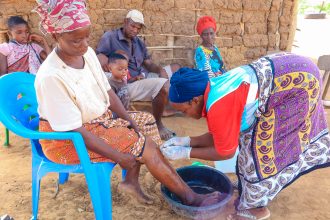
Prevention, he says, rests on a multisectoral approach involving public health officials, clinicians, environmental health officers and community stakeholders, with “risk communication and community engagement on dengue transmission and management in the community” central to that effort.
Health workers have also received standard case definitions to sharpen recognition and reporting, and the county runs targeted fumigation exercises after the short and long rainy seasons to cut adult mosquito populations in higher-risk areas.
One misconception the county is working to correct is that poor solid waste disposal drives transmission there. In fact, the Aedes aegypti mosquito breeds mainly in stagnant water, in uncovered water storage tanks, buckets, tyres and other household containers, not rubbish. Surveillance data suggest transmission in Mombasa has stayed relatively low in recent months, with some facilities reporting no cases for weeks at a time.
Strengthening surveillance, early diagnosis, vector control and access to appropriate care will help protect communities
Prof Samuel Kariuki, Eastern Africa director of the Drugs for Neglected Diseases initiative (DNDi) and a researcher at the Kenya Medical Research Institute (KEMRI), argues that strengthening surveillance, early diagnosis, vector control and access to appropriate care will be critical to protecting communities and building resilient health systems, an approach that mirrors what Mombasa is already attempting through training, community sensitisation, household visits, social media outreach and fumigation.
Qdenga’s approval in India will not resolve Kenya’s dengue burden on its own, and any path to local availability runs through the country’s own regulators first. But paired with the vector control, surveillance and rapid diagnosis that counties such as Mombasa are already building, and with the outbreak response under way in Garissa and Wajir, a proven vaccine adds a tool that has so far been missing from Kenya’s response.
For a country where an arid north-east is now recording the kind of outbreak once confined to its humid coast, and where a busy port city has learned to live with the disease year-round, the combination of stronger prevention, faster detection and, eventually, vaccination offers the clearest route yet to fewer outbreaks, fewer hospitalisations and fewer of the deaths already recorded in Garissa Township and Hagadera this year.
We believe in the free flow of information
Republish our articles for free, online or in print, under Creative Commons licence.