

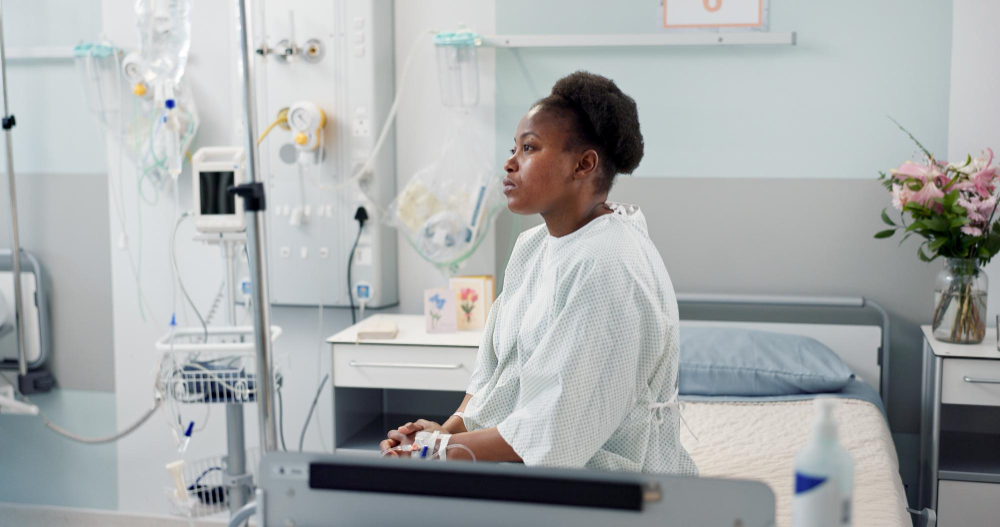

For thousands of Kenyan mothers, a long labour ends in a wound no one sees. Obstetric fistula is preventable and treatable, yet many women still suffer in silence.
For nearly two months, the rains had held off. At the hospital entrance stood Sarah Sarange*, a first-time mother, holding her baby close to her chest with her right arm. Her left hand gripped an umbrella against the scorching sun, and the baby’s bag hung from her shoulder.

At the waiting bay, she took a seat at the far end of a metal bench, folded her umbrella and breastfed her hungry baby. After her vital signs were taken at reception, she returned to her spot and waited patiently to see the doctor.
When her turn came, she explained that she had undergone a caesarean section at a Level 4 facility after prolonged, obstructed labour, despite seeking care as soon as labour began. She was discharged on the third day with a urinary catheter and told to return a fortnight later for a wound review and catheter removal.
Five days after discharge, however, she arrived at our facility with two complaints. Urine was leaking continuously despite the catheter, and she was passing gas and stool through her vagina. She had resorted to wearing adult diapers.
The constant leakage of urine, stool and the odour that came with it, had left her socially isolated
Sarah was living with two types of obstetric fistula at once: a vesicovaginal fistula (VVF) and a rectovaginal fistula (RVF).
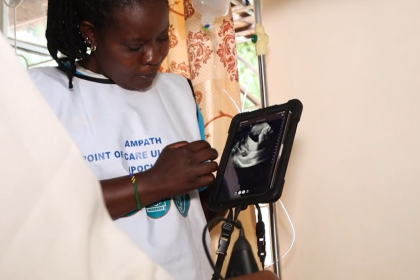
The constant leakage of urine and stool, and the odour that came with it, had left her socially isolated and pushed her marriage to the brink of collapse. These were some of the darkest moments of her life, and the sadness showed on her face. Women living with fistula may experience depression, anxiety, stigma and difficulty holding down a job, though family support and access to treatment can shape how hard it hits.
Because our facility is a fistula repair centre with a resident fistula surgeon, Sarah’s repair was done the same day. She was discharged after 21 days, with follow-up appointments and postoperative instructions.
Her story reflects a condition that remains common in the region. A 2025 study published in BMJ Global Health estimated that 457,000 women aged 15 to 64 were living with obstetric fistula in 2020 across 55 low- and middle-income countries. The burden in sub-Saharan Africa, which includes Kenya, was nearly twice that of Asia, at 71 and 36 cases per 100,000 women, respectively. Yet most cases are preventable, and many are treatable.
What is obstetric fistula?
Obstetric fistula is an abnormal opening between a woman’s vagina and her bladder, rectum or ureter (the tube that carries urine from the kidney to the bladder). There are three main types:
- Vesicovaginal fistula (VVF): an opening between the vagina and bladder, causing continuous leakage of urine. This is the most common type.
- Rectovaginal fistula (RVF): an opening between the vagina and rectum, causing stool and gas to leak through the vagina, with foul-smelling discharge.
- Ureterovaginal fistula (UVF): an opening between the vagina and ureter, causing continuous leakage of urine even though the woman can still pass urine normally. It may also cause abdominal and flank pain, fever, chills, nausea and vomiting.
Some women, like Sarah, have more than one type at the same time.
What causes it?
Most cases result from obstructed labour that is not recognised and managed in time. During prolonged labour, the baby’s head presses the bladder and surrounding tissues against the mother’s pelvic bones, cutting off their blood supply. The tissue dies and eventually sloughs off, leaving a fistula.
Factors that contribute to obstructed labour include:
- Physical pelvic immaturity due to early marriage or adolescent pregnancy
- Poor maternal health and malnutrition during pregnancy and labour
- Female genital mutilation (FGM), particularly type III, which narrows the vaginal opening through cutting and stitching of the labia, leaving scar tissue that can complicate childbirth
- Large babies weighing 4,000 grams (4kg) or more at birth
- Abnormal positioning of the baby, such as transverse lie (lying sideways)
- Fetal abnormalities, such as hydrocephalus (excess fluid in the brain)
An emergency caesarean section can be lifesaving in obstructed labour. However, inadequate surgical expertise or poor surgical technique can itself result in a fistula.
All three types can also develop without childbirth. VVF and UVF may result from pelvic surgery, radiotherapy (treatment using radiation) or pelvic trauma. RVF may arise from fourth-degree perineal tears (severe tears involving the rectum), Crohn’s disease (chronic inflammation of the digestive tract), radiotherapy, cancer or local trauma.
Can it be prevented?
Yes. Most obstetric fistulas linked to prolonged, obstructed labour are entirely preventable with timely, quality maternal care. Preventive measures include:
- Timely access to emergency obstetric care, including caesarean section when needed
- Skilled birth attendants who monitor labour and spot danger signs early
- Using the World Health Organization (WHO) Labour Care Guide to monitor labour and support timely decisions. Its impact depends on effective implementation, well-trained health workers and access to emergency care.
- Preventing early marriage and adolescent pregnancy
- Ending FGM
- Improving girls’ access to good nutrition and healthcare
- Preventing and responding to sexual violence, including rape, and ensuring survivors receive timely medical care and support
How is it treated?
Obstetric fistulas are often treatable. Treatment depends on the fistula’s size, location, condition and duration, and on any complications. Some small, recent fistulas may heal with continuous bladder drainage, while others need surgery. Recent fistulas heal faster than long-standing ones, so women should seek care as early as possible.
After any fistula repair, women should:
- Keep the genital area clean and dry
- Eat a balanced diet and drink enough water
- Avoid heavy lifting, intense exercise and sex until the surgeon confirms complete healing
- Follow medical instructions and attend all follow-up appointments
- Watch for fever, severe pain, unusual discharge, heavy bleeding or returning leakage
Each type also needs specific aftercare. After VVF repair, keep the catheter in place as advised and report any return of leakage. After RVF repair, follow dietary advice, avoid straining on the toilet and report any stool or gas passing through the vagina. After UVF repair, follow catheter-care instructions, monitor urine flow, and report reduced output, unusual leakage, flank pain or difficulty urinating.
Is all leakage a sign of fistula?
No. Stroke, diabetes, urinary tract infections, menopause, bladder stones and tumours can also cause a sudden urge to urinate and leakage. A health worker can tell these apart through assessment and tests.

When VVF is suspected, a simple dye test is done. The bladder is filled with coloured fluid, and if the dye leaks into the vagina, a fistula is suspected. If none appears, further evaluation is needed.
Living with obstetric fistula is not a life sentence. With timely care, treatment and support, no woman should have to suffer in silence, and women can reclaim their health, dignity and quality of life.
*Not her real name.
Dr Rachel Kerubo is a Resident Medical Officer in the Department of Internal Medicine at Nyamira County Referral Hospital.
We believe in the free flow of information
Republish our articles for free, online or in print, under Creative Commons licence.