


After surviving a suicide attempt, Sammy Kibiwott rebuilt his life and became a father. Another family continues to live with the loss of a son who died by suicide, underscoring why recognising distress, opening safe spaces for conversation and connecting people to professional support matter.
Dear reader, this story delves into shadows, exploring themes of darkness and despair. It confronts difficult realities: violence, self-harm and mental health struggles. It may stir emotions or evoke painful memories. Please approach with care and pause if needed. Remember, you are not alone. Help is available.
At around 3pm one August afternoon in 2018, after years of loss, homelessness and uncertainty after failing to trace a father he had never known, Sammy Kibiwott reached a crisis point and attempted suicide on his late grandmother’s farm.
But just in the nick of time, some women passing by saw him and raised the alarm. Joseph Kemboi, a neighbour, intervened and helped him. Kibiwott was rushed to Iten County Referral Hospital, where he was admitted for three days. Since the incident, the physical scars have never faded.
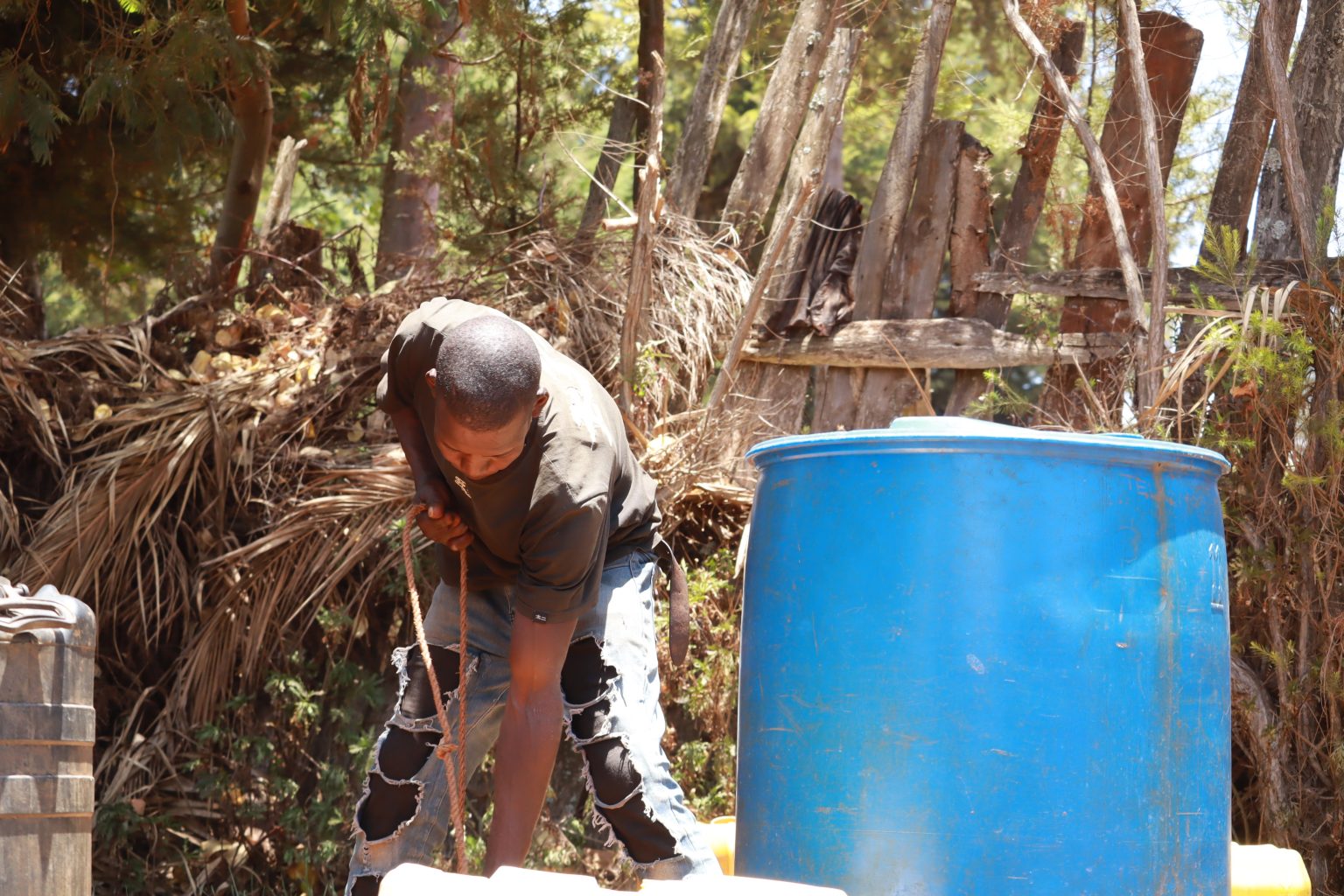
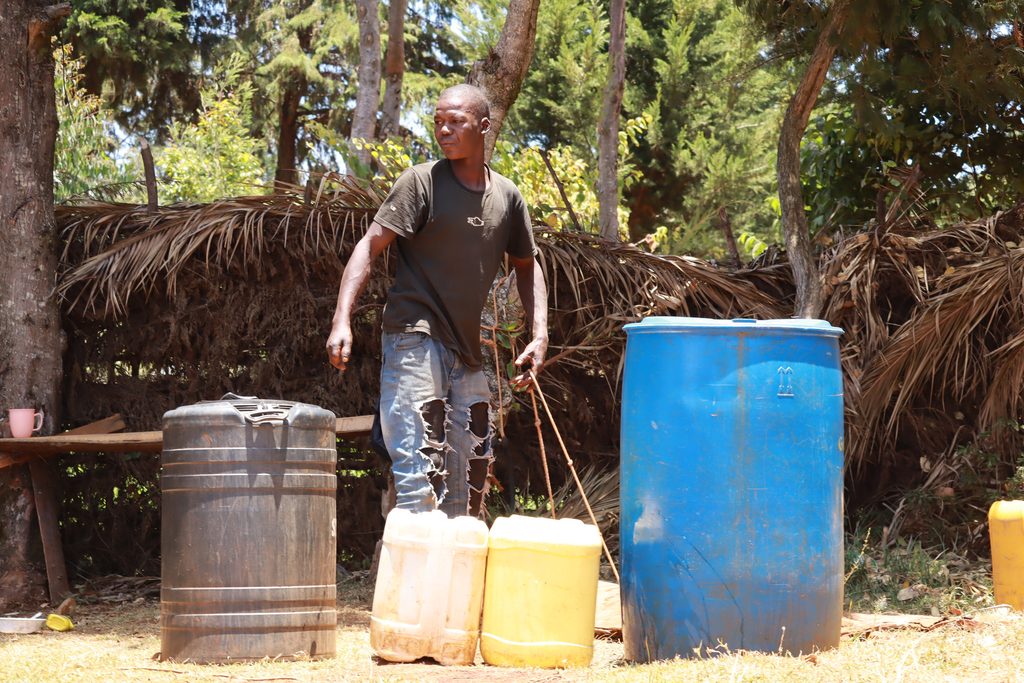
Today, dressed in a black T-shirt, ripped jeans and sneakers, the 40-year-old fills a yellow 20-litre container with water for the day’s chores at his home in Kapteren. Between that dark afternoon and this ordinary one lies a story of strangers, and one woman’s decision to take him in, pulling him back from the edge, and losses that had been building for more than a decade.
Kibiwott was 10 years old when his mother remarried and moved away, leaving him with his grandmother. He grew up poor, sometimes going to bed without food and struggling even for school uniform. Still, the talented footballer and centre volleyball player at Cheberen Primary School sat for his Kenya Certificate of Primary Education (KCPE) exams.
His grandmother died in 2007, and everything unravelled. His uncles chased him away and told him to find his biological father, but his mother had never disclosed where his father’s family lived, and the search went nowhere. Homeless, Kibiwott began doing casual work around the village from age 12 to survive.
He remembers the pain and terror, and urges anyone contemplating the same thing to step back and seek help instead
“I started working around the village when I was as young as 12 years old to pay my school fees, get food and buy clothes. I used to farm, look after animals in the forest and do other manual jobs,” he says.
He moved between households taking whatever work came, and lost three fingers on his right hand in a chaff-cutter accident while chopping Napier grass at another family’s home. The losses, homelessness and the uncertainty wore down his mental health until, by 2018, he had convinced himself there was no reason to keep living. That is when he made the suicide attempt.
Anita Jepkogei took him in after the women’s screams alerted the village, and he has lived with her since 2018.
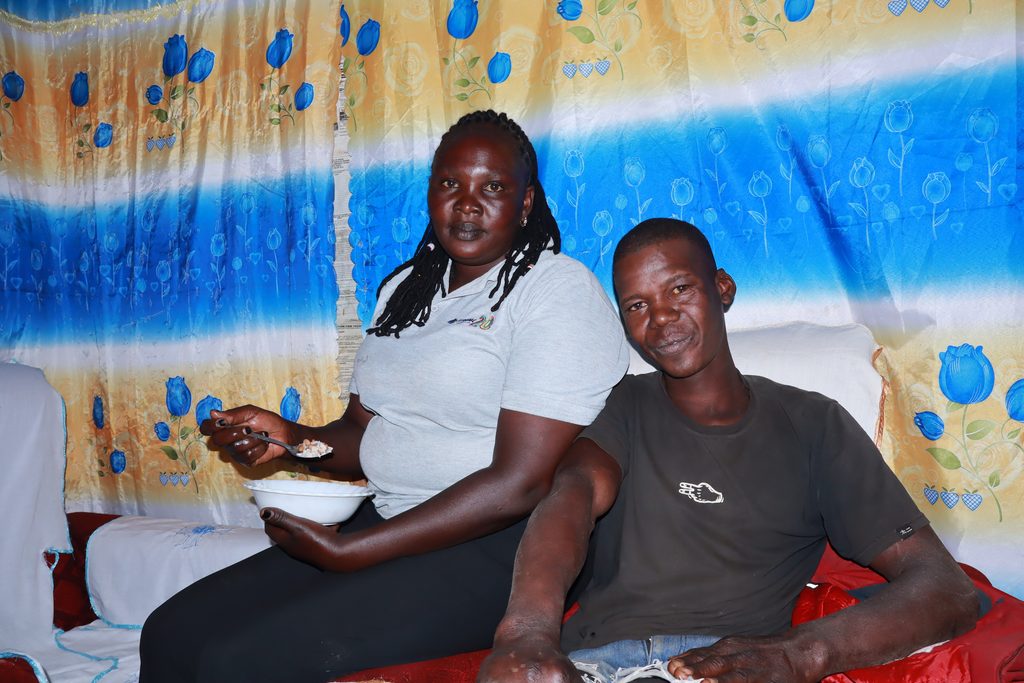
“Since I took him as my child, Kibiwott, although depressed, has always been hardworking. We are tracing the whereabouts of his father and his family while advising him to accept the situation, focus on his life and raise his four-year-old daughter,” Jepkogei says.
Kibiwott now says suicide is no longer an option. He remembers the pain and terror and urges anyone contemplating the same thing to step back and seek help instead.
“Today, I would be lying in the grave and forgotten. The daughter I have today would not have been possible if I had died back then,” he says.
Sadly, not every family gets a second chance. In Simotwo village, also in Elgeyo Marakwet County, 76-year-old Benjamin Magut has spent years clearing the bush around the grave of his fourth-born son, Kipkogei Magut, who died by suicide in 2009, aged 21.
His mother, Helena Jepkoech, who has 16 children, remembers the day precisely. Tending her kitchen garden, she was drawn by screams from the neighbourhood and found her son dead inside the house where he had been sleeping alongside the neighbours’ sons.
“My son was a quiet person and never shared what he was going through until his death”
The family had put his recent hallucinations down to the alcohol he had started drinking. That morning, the friends he worked with left early for jobs in Nairobi, leaving him behind. That is the day he died by suicide.
“Kipkogei died a painful death that you would never wish on anyone. My son was a quiet person and never shared what he was going through until his death. As a parent, giving birth and raising 16 children, only for one of them to die by suicide, is heartbreaking,” Helena says.
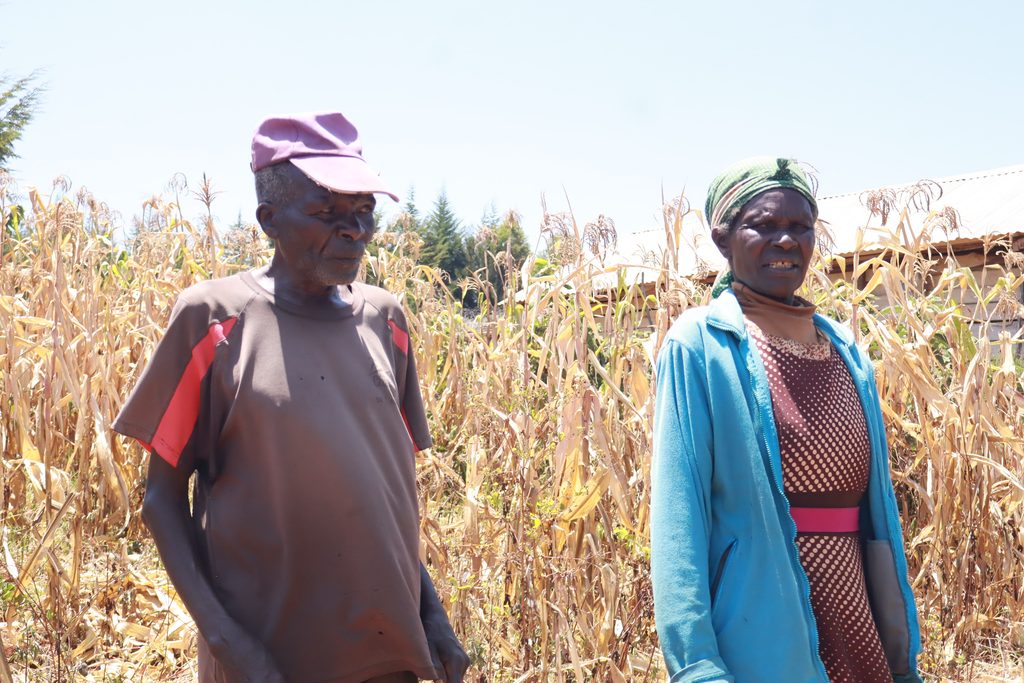
For Magut, the tragedy underscores the need for safe spaces where people can talk about their struggles before they become overwhelming.
Kipkogei and Kibiwott are just two figures in a pattern the data bears out. The World Health Organization (WHO) now estimates more than 720,000 people die by suicide worldwide each year, with 73 per cent of suicides occurring in low- and middle-income countries.
Kenya continues to carry a significant suicide burden, although gaps in reporting make its full scale difficult to establish.
Globally, suicide was the third leading cause of death among people aged 15 to 29 in 2021
WHO estimated that 2,438 people died by suicide in Kenya in 2021, translating to a crude mortality rate of 4.6 deaths per 100,000 people. Men accounted for nearly three-quarters of the estimated deaths, with 1,772 male deaths compared with 666 among women. The estimated crude suicide mortality rate among men was 6.7 per 100,000, more than twice the 2.5 recorded among women.
WHO, however, classifies the quality of Kenya’s suicide mortality data as very low, meaning the estimates should be interpreted cautiously. Globally, suicide was the third leading cause of death among people aged 15 to 29 in 2021, Kipkogei’s age bracket, while older men aged roughly 50 to 64 also show high vulnerability.
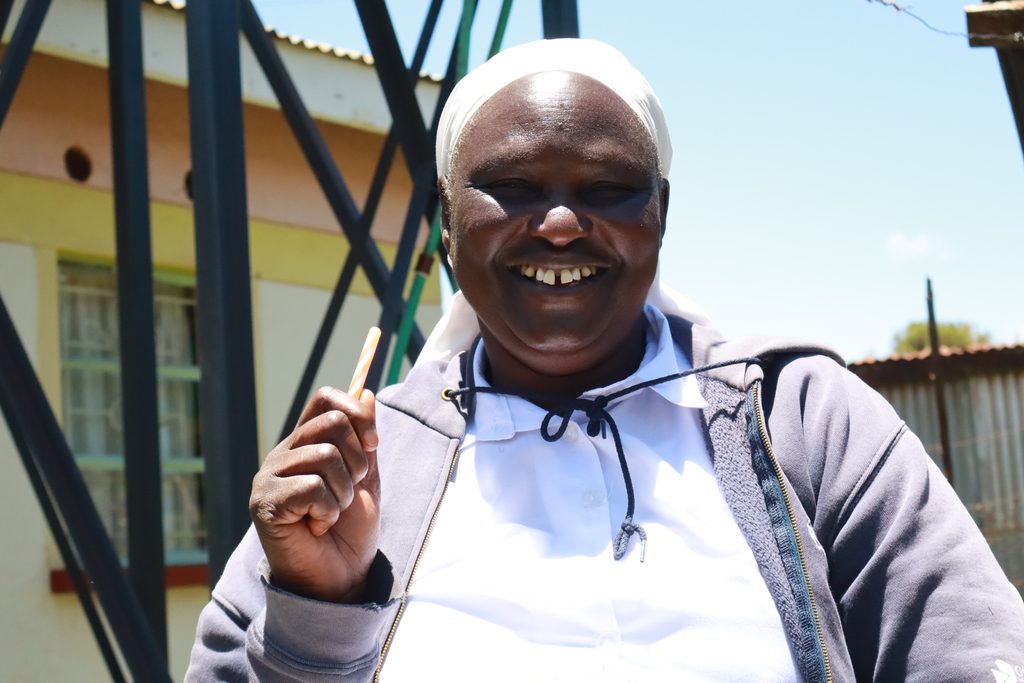
Counselling psychologist Magrine Jeruto points to a consistent set of causes, among them economic distress such as poverty and unemployment, untreated depression, anxiety and substance abuse, and social pressures including family conflict and the stigma surrounding mental health and masculinity.
Jeruto says suicidal behaviour is rarely sudden. She says it is usually preceded by changes in mood, sleep and eating patterns, excessive drinking, careless spending, withdrawal, hallucinations, persistent anger and self-hatred, all warning signs that tend to be dismissed until it is too late.
“The signs are very visible, but people, families, workmates and even society tend to ignore them until reports of suicide hit their doorsteps. That is when they start talking about what they have seen. By then, it is already too late. If we give attention to the early signs, reducing suicide is possible,” she says.
Survivors need more than a family conversation, as many require sustained support from a professional counsellor, psychologist or psychiatrist
Stigma, Jeruto says, hits men hardest. Women often have more outlets for talking through their problems, through churches, women’s groups and friendships, while men are more likely to keep their struggles to themselves.
“We still have a gap as a country. People do not have enough avenues to share and speak out. But if, as a community, we create such forums, especially for men, reducing suicide can be achieved,” Jeruto notes.
She adds that survivors need more than a family conversation, as many require sustained support from a professional counsellor, psychologist or psychiatrist, alongside close monitoring from those around them. She describes counselling as gradual, starting with everyday conversation before slowly building enough trust for someone to open up.
“Opening up is healing medicine. When one starts sharing what they are going through, it is a way of releasing the pressure and tension inside. That is where healing starts,” she says.
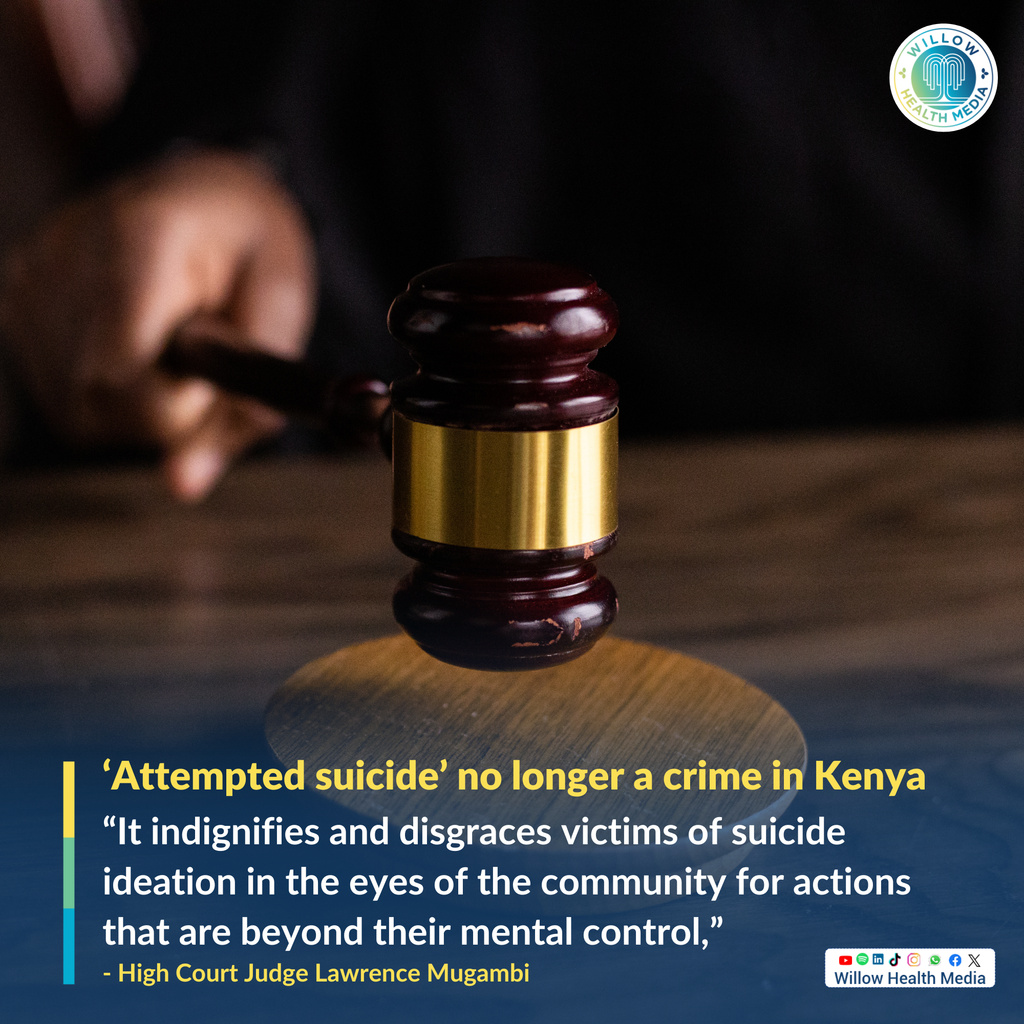
Kenya has begun addressing suicide at the policy level too. Kenya’s National Suicide Prevention Strategy 2021–2026 set a target of reducing suicide mortality by 10 per cent by 2026 through measures including improving access to care, reducing stigma, strengthening suicide surveillance and research, and reforming laws that hinder people from seeking help.
One of its major objectives has since been realised. In January 2025, the High Court declared unconstitutional the law that criminalised attempted suicide, shifting the approach from punishment towards treatment and support. However, as the strategy reaches the end of its implementation period, there is not yet sufficient publicly available evidence to establish whether Kenya has achieved its overall target of reducing suicide mortality by 10 per cent.