
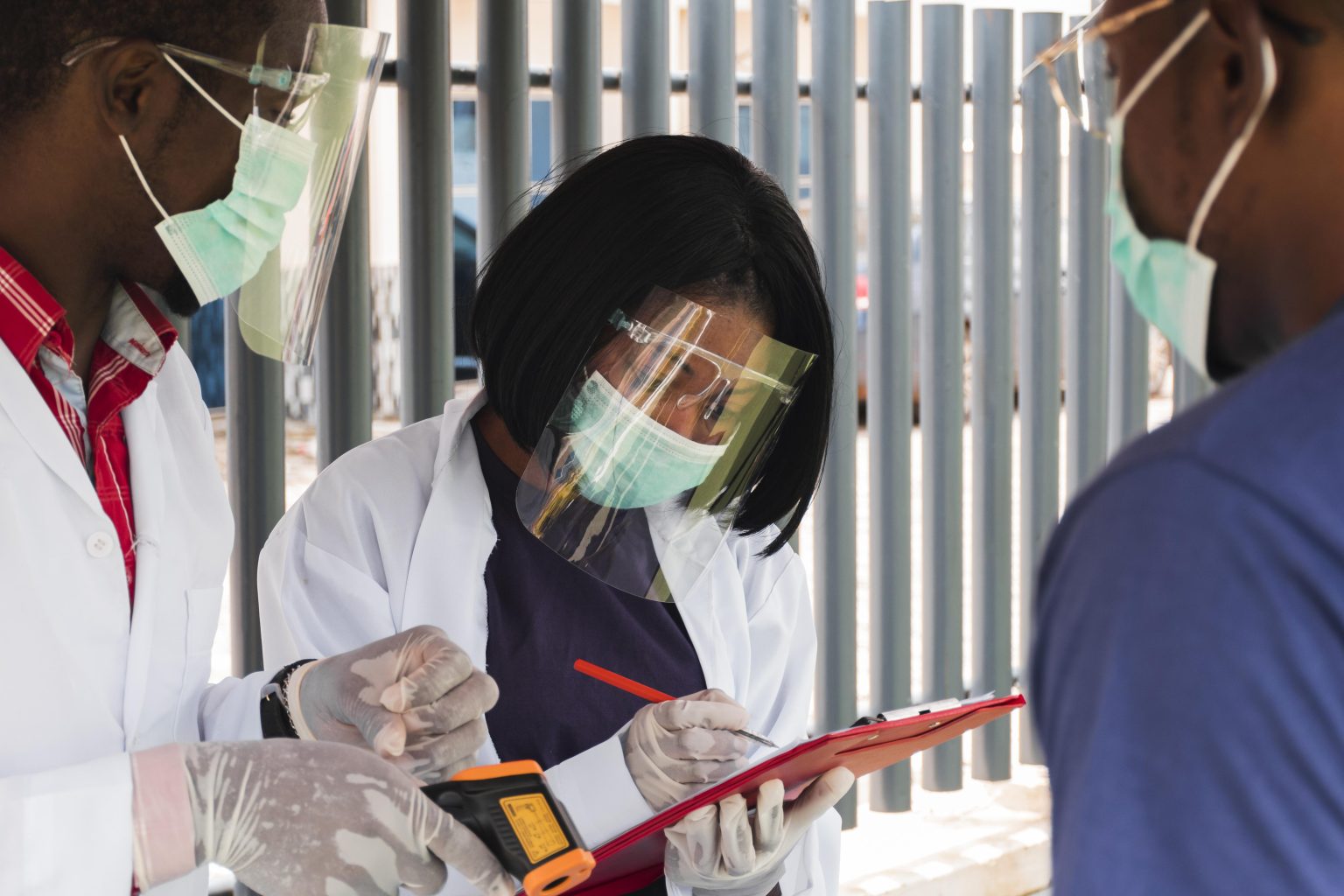

The new plan includes the use of artificial intelligence and spatial modelling to forecast transmission patterns and identify emerging hotspots before they develop into larger outbreaks.
African health leaders today launched what they described as the continent’s most ambitious coordinated Ebola response effort in years: a six-month joint preparedness and response plan aimed at containing the rapidly spreading Bundibugyo Ebola outbreak before it escalates into a wider regional crisis across East and Central Africa.
The new strategy, jointly unveiled by the Africa Centres for Disease Control and Prevention (Africa CDC) and the World Health Organization (WHO), comes amid growing concern over the speed and complexity of the outbreak, which is unfolding in one of Africa’s most fragile and highly mobile regions.
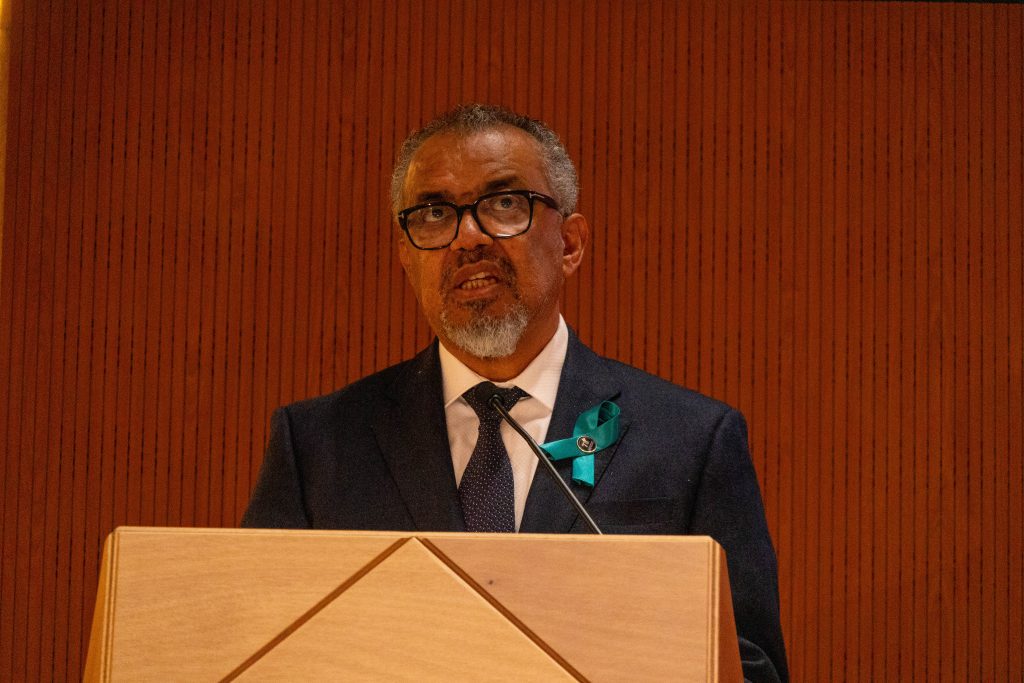
Running from June to November 2026, the continental plan requires US$517.7 million (approximately Ksh67 billion) and brings together governments, scientists, health workers, communities and humanitarian agencies under what health leaders call a “one plan, one budget, one team” approach.
“The only way to beat this outbreak is through close partnership, working together under the leadership of the affected countries in one coordinated effort,” said WHO Director-General Dr Tedros Adhanom Ghebreyesus during the launch. “One plan, one budget, one team.”
For Kenya and other East African countries with extensive cross-border movement, the strategy signals a shift from isolated national responses toward a continent-wide health security system designed to respond faster, coordinate better and prevent outbreaks from spiralling out of control.
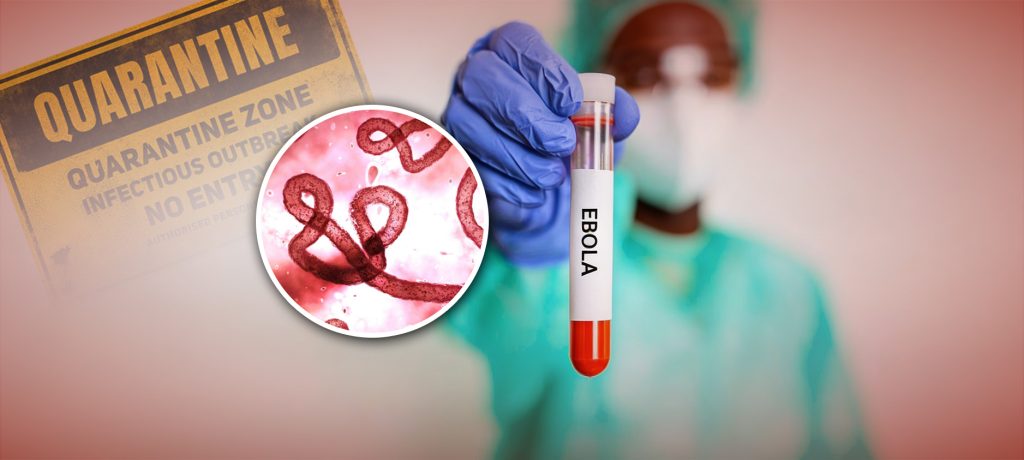
The outbreak, centred in the mining-rich Ituri province of eastern DRC, has already exposed major weaknesses in surveillance, laboratory systems and infection prevention across the region. Unlike previous Ebola outbreaks linked to the Zaire strain, there are currently no licensed vaccines or approved specific treatments for the Bundibugyo species, forcing health workers to rely heavily on traditional containment measures such as surveillance, laboratory testing, contact tracing, isolation and community engagement.
Conflict, displacement, porous borders and extensive cross-border trade have made containment of the virus difficult
“Containing Ebola depends on political commitment, sustained financing, and the trust and engagement of communities. This plan places communities at the centre because without their participation, contact tracing falters, safe care is delayed and transmission continues,” said Dr Tedros.
Health officials say the virus had already spread significantly before authorities detected it.
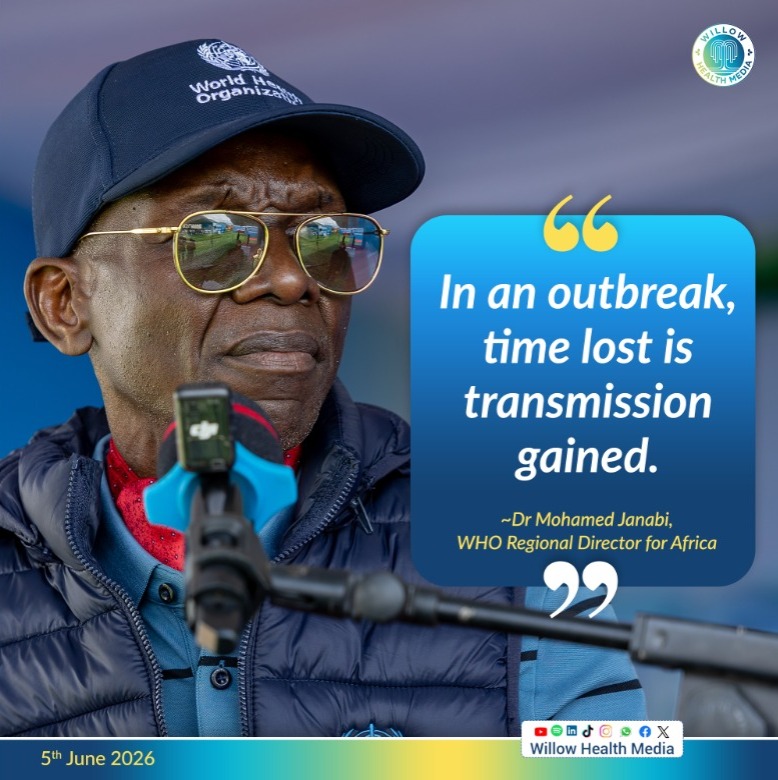
“The virus was already ahead of us,” said WHO Regional Director for Africa Dr Mohamed Yakub Janabi.
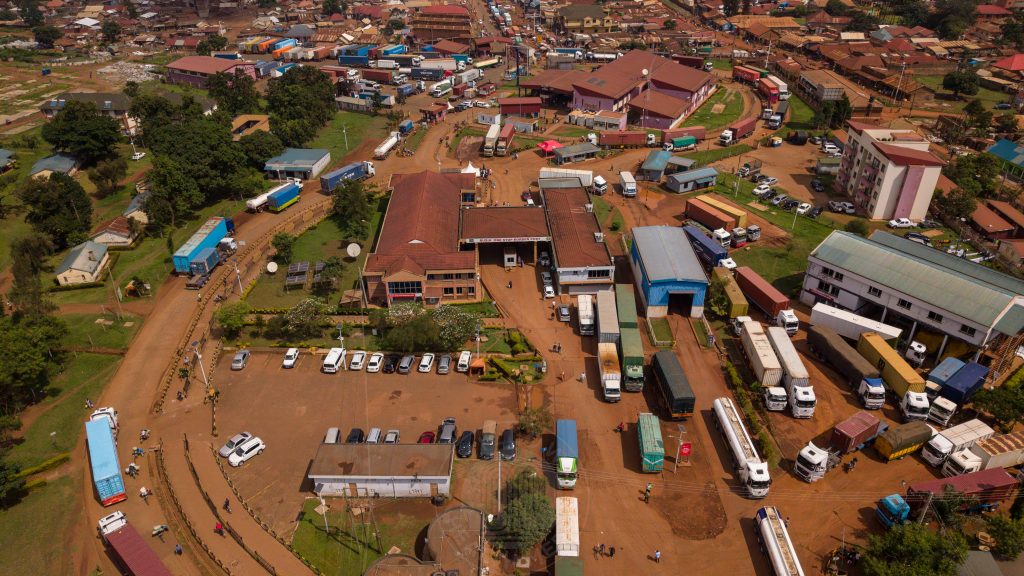
Africa CDC says hundreds of confirmed infections have already been reported, while thousands of contacts remain under active monitoring across affected zones. Officials warn that conflict, displacement, porous borders and extensive cross-border trade have made containment especially difficult. The movement of miners between DRC and Uganda has emerged as a major transmission concern.
“As you know, the outbreak is happening in an area where mining is common,” said Dr Wissam Mankoula of Africa CDC. “The mobility of miners across the border creates a risk for spreading across borders. This is why we are seeing the outbreak starting from DRC and moving to Uganda.”
Africa CDC Director-General Dr Jean Kaseya said mobility analysis conducted by response teams suggests mining-related migration may have accelerated the spread of infections. “This is not only a health security issue. It is also an economic and development issue,” he said. “That is why this outbreak is so complex.”
At the centre of the new strategy is a 14-pillar operational framework designed not only to stop the current outbreak but also strengthen Africa’s long-term outbreak preparedness systems.
The pillars cover emergency coordination, disease surveillance, laboratory systems, infection prevention and control, clinical care, logistics, risk communication, community engagement, research, continuity of essential health services, cross-border coordination and protection of vulnerable populations.
The strategy has already been endorsed by ministers from affected and high-risk countries and will operate alongside national response plans
The plan also includes the use of artificial intelligence (AI) and spatial modelling to forecast transmission patterns and identify emerging hotspots before they develop into larger outbreaks. Another major component focuses on accelerating research into candidate Bundibugyo Ebola vaccines and therapeutics while strengthening Africa’s ability to manufacture diagnostics and medical countermeasures locally.
Health leaders say this broader approach reflects lessons learned from Ebola, Covid-19, Mpox and cholera outbreaks that exposed how fragmented emergency responses weaken containment efforts.
“This is not just a response plan,” said Dr Kaseya. “It is a plan to strengthen preparedness, response and resilience.”
He described the initiative as a major departure from previous siloed emergency responses.
“We have one team, one plan, one budget and one monitoring and evaluation framework. This is what African leadership looks like,” he said.
The strategy has already been endorsed by ministers from affected and high-risk countries and will operate alongside national response plans developed by the governments of DRC and Uganda. Africa CDC and WHO will coordinate technical support, financing oversight, logistics and monitoring while national governments lead implementation on the ground.
Authorities have identified more than 800 health facilities requiring upgrades, with 87 prioritised for urgent intervention
One of the most urgent priorities remains strengthening weak health systems inside outbreak zones. WHO assessments found infection prevention and control readiness scores as low as three to seven per cent in some facilities, which is far below the minimum levels required to safely manage Ebola patients.
“What we are witnessing here is a very weak health system,” said Dr Marie-Roseline Bélizaire, WHO’s Ebola Incident Manager. “If you want to guarantee that the health system will not become a cross-infection ward, it needs at least 90 per cent of those infection prevention and control measures in place.”
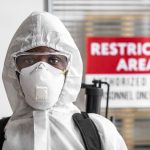
Authorities have since identified more than 800 health facilities requiring upgrades, with 87 prioritised for urgent intervention. The response includes rapid deployment of personal protective equipment, laboratory expansion, training of frontline health workers and establishment of safer isolation and treatment units.
“We need PPE for all those hospitals so we can make sure that the population is really safe when they are going to health facilities,” Bélizaire said.
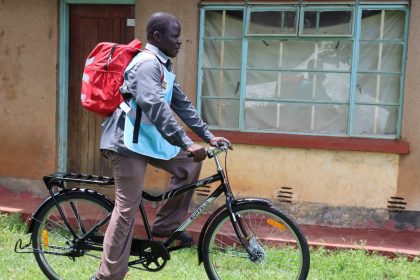
But beyond medical supplies and surveillance systems, health leaders say community trust may determine whether the response succeeds. In Ituri, response teams have spent weeks meeting traditional healers, religious leaders, women’s groups, mining companies, youth organisations and motorcycle taxi operators to understand local concerns and counter misinformation before it spreads.
“When people are sick, they don’t come first to the medical doctor. They go to the traditional leaders. So we need to work with those traditional leaders,” Bélizaire explained.
Kaseya said previous Ebola outbreaks have repeatedly shown that communities cannot simply be treated as passive recipients of emergency interventions.
“The community knows what they want. They know how they can stop this outbreak. We have to work together with them,” he said.
Tedros warned that misinformation itself has become a major outbreak risk, and it “is almost as dangerous as the virus itself.”
African countries have committed roughly 10 per cent of the required financing through domestic contributions
Financing remains another major concern. Although governments, development banks, United Nations (UN) agencies and global health partners have already pledged US$315.8 million (Ksh40.9 billion), the response still faces a funding gap of US$201.9 million (Ksh26.1 billion), leaving nearly 39 per cent of the budget unfunded.
Kaseya said African countries have committed roughly 10 per cent of the required financing through domestic contributions, which he described as a sign of growing health sovereignty and political ownership of emergency response systems.
Still, health leaders warn that delayed financing could weaken surveillance, treatment, laboratory support and cross-border preparedness operations at a critical stage of the outbreak.
“Ebola moves fast, and Africa must move faster,” Kaseya said. “This joint plan gives the continent a clear path to act with speed and unity, to save lives, support affected countries and protect neighbouring communities.”
For Kenya, the response plan carries particular significance because of the country’s close trade and transport links with Uganda and the wider Great Lakes region.
Although no cases have been reported in Kenya, authorities have already intensified preparedness efforts amid fears that porous borders could increase the risk of importation.
Kaseya said Kenya has already identified 23 isolation and treatment facilities as part of its readiness strategy, with Africa CDC and WHO pledging continued technical support where needed.
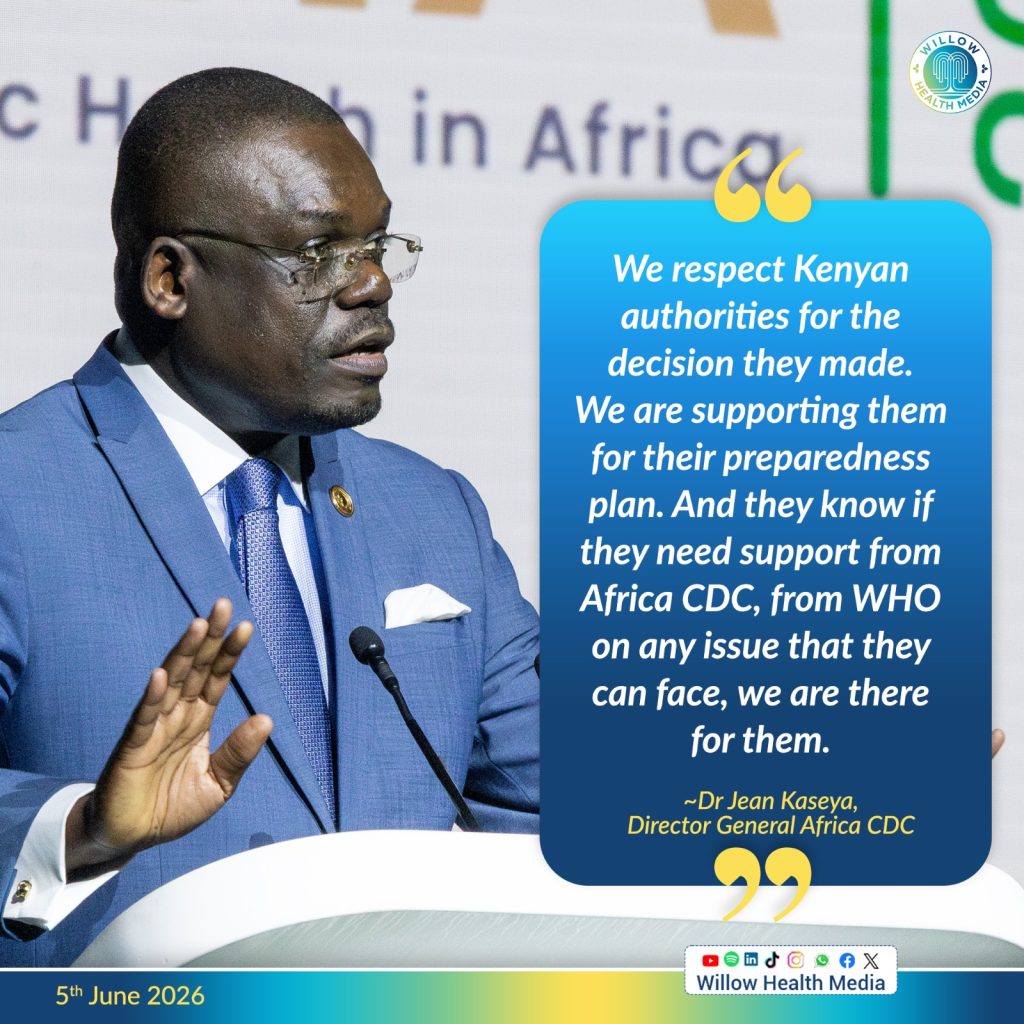
“Kenya has a preparedness plan,” Dr Kaseya said. “We respect Kenyan authorities for the decision they made. We are supporting them for their preparedness plan, and they know if they need support from Africa CDC or from WHO on any issue they face, we are there for them.”
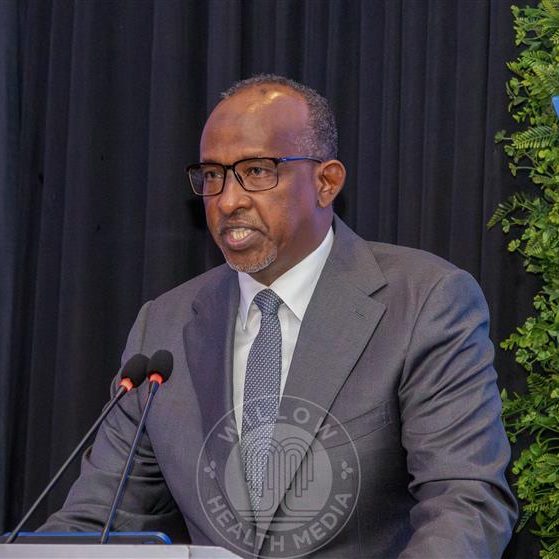
But experts warn that preparedness must extend beyond emergency meetings and policy declarations. Speaking during an online forum hosted by Willow Health Media on Kenya’s Ebola preparedness, virologist Prof Omu Anzala said the real challenge lies in whether African countries possess the infrastructure, logistics and trained workforce needed to respond rapidly once infections emerge.
Clear public communication will prevent fear, rumours and misinformation from undermining response efforts
“The real discussion should be: does Africa and Kenya have the infrastructure, trained human resource and logistics to facilitate quarantine, isolation and contact tracing?” he asked.
He warned that border surveillance remains one of the region’s weakest points.
“Our borders are the weakest links,” he said. Prof Anzala also stressed the importance of clear public communication to prevent fear, rumours and misinformation from undermining response efforts. “Our communication is not being done well,” he said. “We should sit back, listen to each other and communicate what is right.”
His remarks mirror the broader Africa CDC-WHO strategy, which calls for a whole-of-society response involving governments, communities, businesses, health workers, civil society and development partners.
For African health leaders, the Bundibugyo outbreak represents more than an Ebola emergency. It is a test of whether the continent can finally build faster, more coordinated and more self-reliant outbreak response systems after years of repeated health crises.
The outbreak has exposed longstanding weaknesses in preparedness, surveillance, laboratory capacity and infection prevention. Yet officials insist the crisis also presents an opportunity to strengthen African-led health security systems capable of responding before emergencies escalate.
“This outbreak response will be led by Africa with support from partners,” Kaseya said. Whether the strategy succeeds may ultimately depend on how quickly countries can translate the new continental framework into functioning health systems, trusted community engagement and coordinated action on the ground.
For now, Africa finds itself confronting a fast-moving virus with no licensed vaccine, spreading through conflict zones and highly mobile border communities. But health leaders insist that a unified response offers the continent its strongest chance yet to contain the outbreak before it widens further.
“What’s important here is the speed and the unity of purpose,” Tedros said. “We believe that we are in this together, and solidarity and unity are our strength.”
We believe in the free flow of information
Republish our articles for free, online or in print, under Creative Commons licence.