
UHAI has screened over 665,000 arrivals, but Ebola is stopped by how fast data turns into a phone call, not by the records alone.
Kenya is recording hundreds of thousands of travellers at its borders through a digital platform. Yet its first Ebola patient walked through a checkpoint carrying a virus no thermometer could detect. Whether that data protects Kenyans depends on what happens after travellers leave the airport.
The early signs are mixed. The second patient was caught while already in quarantine, which is what a working system looks like, but the Ministry of Health has yet to publish how quickly alerts are answered. Neighbours offer lessons. Rwanda has kept the virus out with clear rules, digital tracing and a shared dashboard, while Uganda ended its outbreak through fast testing and thorough contact tracing.
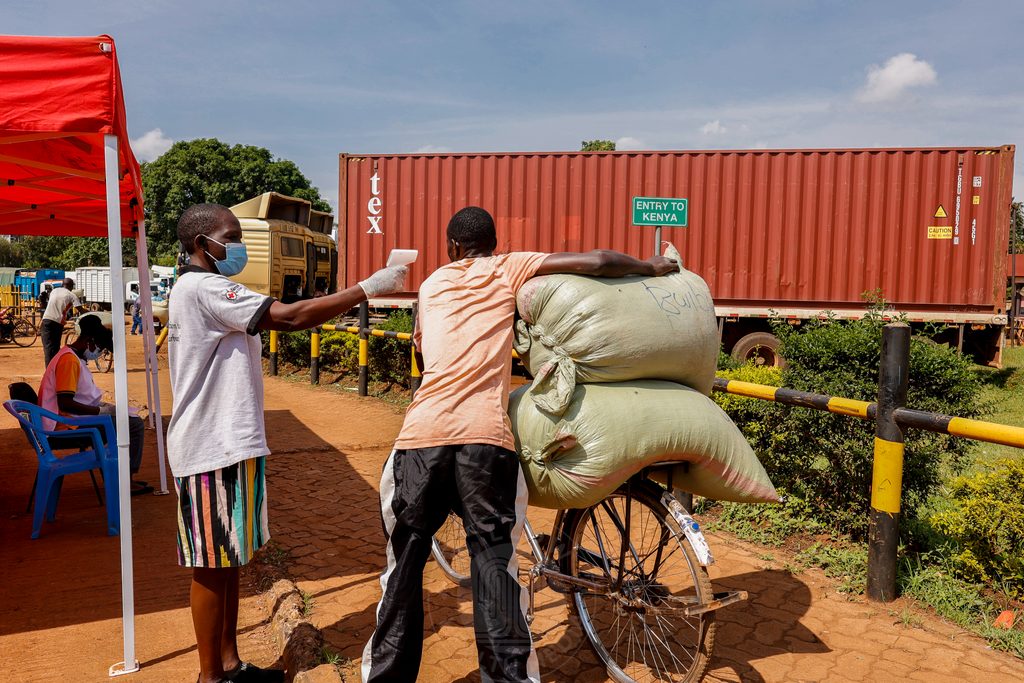
By October 12, more than 665,000 travellers had been screened through UHAI, according to the World Health Organization (WHO). UHAI is a digital platform used at airports, land crossings and seaports.
The UHAI form records a traveller’s contact details, how they are travelling, where they have been, including any time in Uganda or the Democratic Republic of Congo in the past 21 days, and a checklist of symptoms. A port health officer then takes their temperature and submits the record.
Since June 2026, everyone arriving from or through DRC or Uganda has been required to fill in an electronic surveillance form before disembarking. One of the travellers landed at Jomo Kenyatta International Airport at 1.10 pm on Saturday, October 3, aboard a Jambojet flight from Kampala. He was a Kenyan who had lived in the Democratic Republic of Congo (DRC) for seven years, and he was unwell.
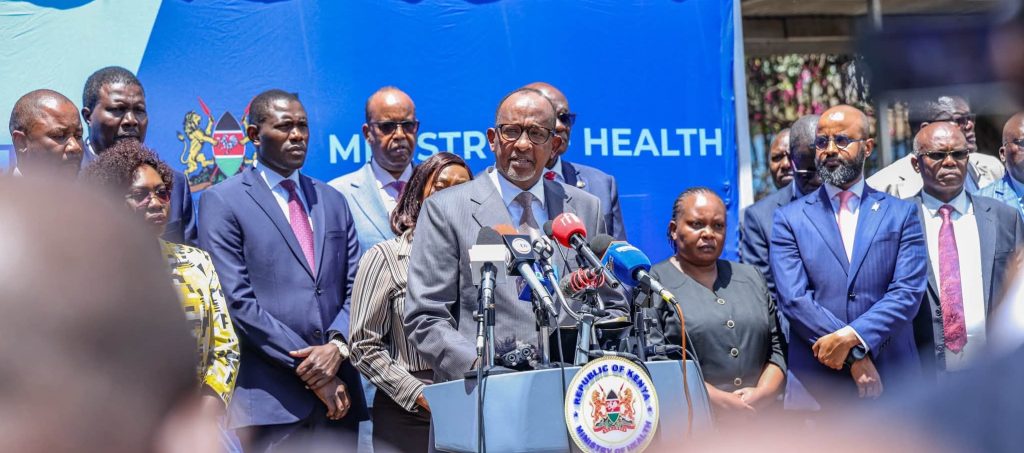
According to Health Cabinet Secretary Aden Duale, he went through routine screening before a relative and a friend took him to Nairobi Hospital, where he was isolated. He died on October 5, and Kenya’s first imported case of Bundibugyo Ebola was confirmed the next day.
That gap is why Ministry moved border screening onto UHAI, used at airports, land crossings and seaports
So, what can a border really see? Not much, on its own. Ebola can take two to 21 days to make a person sick, so someone infected in Congo last week can walk past a thermal camera with a normal temperature. A thermometer is a snapshot, not a forecast.
That gap is why the Ministry moved border screening onto UHAI, used at airports, land crossings and seaports.
If Kenya cannot catch every infection at the gate, it can at least record who came in, where they had been and how to find them.
The form records a traveller’s contact details, mode of travel and places visited, including any time in Uganda or the DRC in the past 21 days, plus a symptom checklist.
A port health officer then takes the traveller’s temperature and submits the record. Since June, everyone arriving from or through Congo or Uganda must complete the form before disembarking.
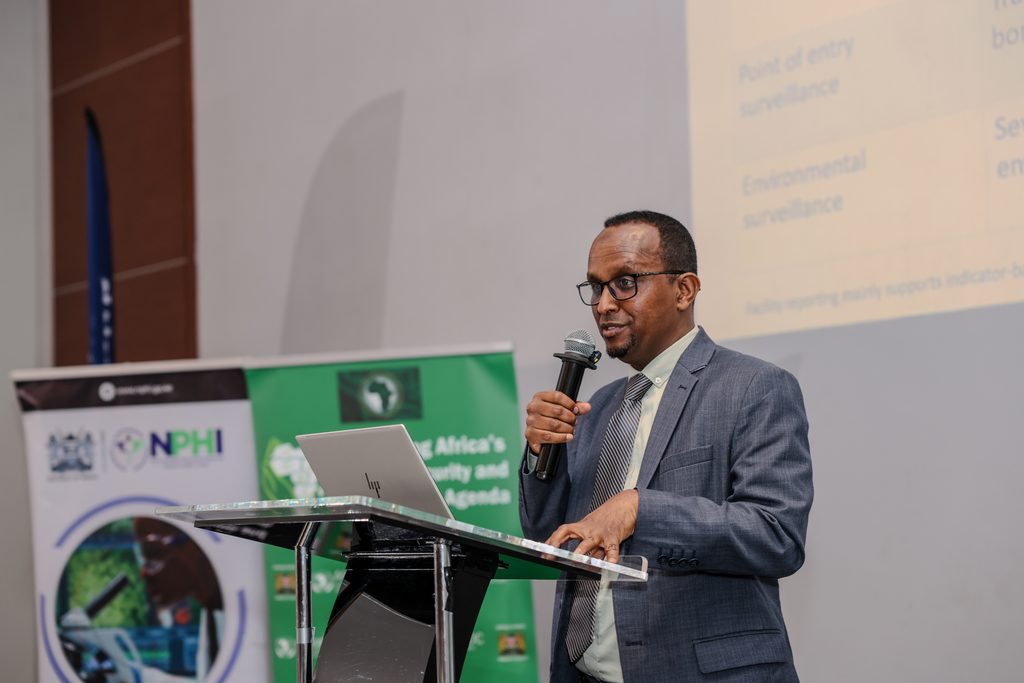
Dr Ahmed Fidhow, the Ministry’s Disease Surveillance and Response Unit lead, calls the border “the gateway surveillance to detect any importation of disease into our country.”
UHAI is one part of a wider network, Dr Fidhow says. Hospital records flow through DHIS2, and community health promoters report warning signs through the eCHIS and mDharura apps. A national system pulls it together, so a traveller recorded at the airport can be matched with a fever later reported in his home county.
Spotting a case without a quick response, he added, might not actually provide a lot of meaning
“In Kenya, the focus for disease surveillance is basically to link information on disease detections with timely public health action. So basically, surveillance is for action,” Dr Fidhow said. Spotting a case without a quick response, he added, “might not actually provide a lot of meaning.”
By October 14, Kenya had listed 129 contacts, of whom 116, about nine in 10, were in quarantine and checked twice a day. Of 324 samples tested, all but two were negative.
The second patient, a 39-year-old close relative of the first, was already in quarantine when his fever began on October 13. He was isolated and sampled the same day.
Two laboratories test the same samples: the National Virology Reference Laboratory and the KEMRI-CDC laboratory. “We have never seen a discrepancy between the two labs,” Dr Fidhow said.
Still, the first patient cleared screening and reached a private hospital before he was isolated. That raises questions the Ministry has yet to answer publicly. How is use of the form checked at the gate? What happens when a traveller leaves out a stopover? Who receives the alert when a record is flagged, and how fast must they act? Could the 23 passengers and four crew on the October 3 flight be reached using the details they gave?
Rwanda shares a long border with Congo, including the busy Goma-Rubavu crossing. It has recorded no case
Dr Fidhow says his team checks how complete and timely the data is, and how fast teams respond to alerts. Kenyans have yet to see those results. Rwanda shares a long border with Congo, including the busy Goma-Rubavu crossing. It has recorded no case in an outbreak that has passed 9,000 confirmed cases in Congo.
Its approach differs from Kenya’s in two ways. The first is a harder border rule. Since May 22, foreigners who have been in Congo in the past 30 days have been refused entry.
Rwandans and residents may return but must go into quarantine, and every arrival at Rubavu and Kigali International Airport is checked for temperature, symptoms and travel history.
The second is technology. Rwanda uses digital contact tracing, online passenger locator forms with unique identification codes, and a centralised dashboard for decision makers.
The entry ban is not a model for Kenya. WHO advises against travel and trade restrictions, which hurt traders and can push travellers onto unofficial routes no form reaches. And having no cases does not, alone, prove a system works.
Ugandan officials credited a mortality surveillance system that investigated every unexpected death after symptoms
Uganda, whose response is closer to Kenya’s, recorded 20 confirmed cases, including two deaths, and followed more than 800 contacts. Officials credited a mortality surveillance system that investigated every unexpected death after symptoms such as fever and bleeding, and monitored every contact for the full 21 days.
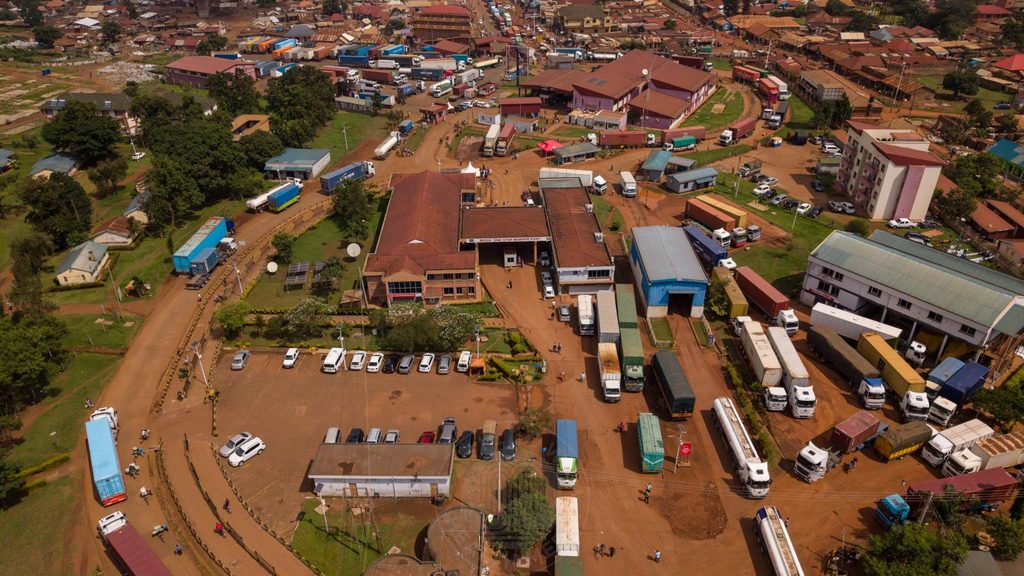
Five of the cases were health workers infected while caring for patients, proof that infection control in hospitals matters as much as checks at the gate.
Further back, Nigeria contained an imported case in Lagos in 2014 by repurposing its polio emergency operations centre and tracing nearly 900 contacts.
The lessons worth taking cost no one their living. First, take the test to the patient. Kenya has five designated Ebola testing laboratories, according to WHO, but suspected cases surface far from Nairobi, as one did in Wajir before testing negative.
Rapid machines in border and county hospitals would cut waiting times and free isolation beds sooner. Uganda now diagnoses Ebola within hours rather than waiting weeks for overseas confirmation.
During COVID-19, the Jitenge app let people in home quarantine report symptoms daily
Second, make the rules clear and uniform. Like Rwanda, Kenya should tell every arriving traveller that UHAI is compulsory for arrivals from affected countries, and enforce it. Third, publish weekly data on how fast alerts are answered and contacts reached.
Finally, follow Uganda in investigating unexplained deaths and protecting health workers. Kenya has done this before. During Covid-19, the Jitenge app let people in home quarantine report symptoms daily. The test for UHAI is the same: does the data lead someone to act?
The Ministry is also asking the press to help. “We rely so much on the media fraternity to provide accurate information,” Dr Fidhow said, “because if we don’t provide accurate information definitely the members of the public will not be able to get guided as required.”
UHAI cannot detect a virus. What it can do is make sure that when the next traveller’s fever starts, someone already has their number, and calls.
We believe in the free flow of information
Republish our articles for free, online or in print, under Creative Commons licence.