
In a Mombasa ward where power cuts once meant danger, a bubble of air and a simple design are giving Kenya’s premature babies a fighting chance in life.
Doreen Wamu gently places her daughter, Lorraine, against her chest. The tiny infant rests peacefully, feeding quietly, her breathing calm and steady.
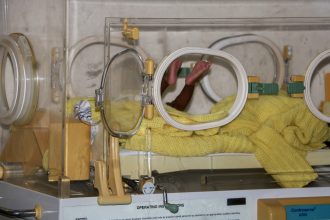
Two weeks ago, this was not possible. Lorraine, born at just 26 weeks and weighing 650 grams, could not breathe on her own, relying instead on a Continuous Positive Airway Pressure (CPAP) machine for nearly two months. Her story is one of several playing out at the newborn unit of Coast General Teaching and Referral Hospital in Mombasa, where a low-cost, non-electric CPAP device called the Vayu Bubble CPAP is changing outcomes for premature babies with breathing difficulties, one of the most common complications affecting newborns worldwide.
For the past two months, Wamu, a mother of three, has called the unit home, watching Lorraine grow from 650 grams into an infant she can finally hold, feed and keep close to her heart. Shortly after birth, Lorraine was admitted to the High Dependency Unit before being transferred to the Neonatal Intensive Care Unit (NICU), where doctors placed her on CPAP to help her breathe. When Willow Health visited the ward, she had been off the machine for just two weeks and a few days.
“We just recently got out of the CPAP, about two weeks now,” Wamu says, smiling as she looks at her baby. “The baby is improving every day. She now knows how to breathe on her own without the assistance of the device.”
Even Lorraine’s weight has improved significantly. For Wamu, every gram her daughter gains feels like another victory. She knows the journey is not yet over, but each passing day brings her closer to taking Lorraine home.
Her daughter was born weighing just 900 grams; her lungs were not fully developed
Just a few beds away, another mother knows exactly what Wamu is feeling. But unlike Wamu, Zainab Hamoud Awadh is no longer admitted to the ward. Now a regular visitor at the newborn unit, she spends her time encouraging mothers whose babies are fighting the same battle her daughter once did.
Her daughter was born in May 2022 weighing just 900 grams and, like Lorraine, her lungs were not fully developed. She struggled to breathe, and doctors immediately placed her on CPAP. Those first weeks were some of the hardest of Awadh’s life. She remained in hospital for more than two months, watching and waiting as her daughter slowly gained strength.
“Her condition improved with the help of the machine,” she recalls. “After some time, we were discharged.”
Today, that tiny baby is four years old and attends preschool in Mombasa. Awadh speaks warmly about the nurses and doctors who cared for her child, explaining that because her daughter had been born prematurely, her lungs had not fully developed, and the CPAP helped her breathe comfortably until she was strong enough to breathe on her own.
It was not the first time Awadh had experienced a premature birth. Her first premature baby was delivered in a private hospital, an experience she says could not have been more different, given the overwhelming cost of specialised neonatal care.
“It would really be nice if such devices were affordable in public hospitals because not many of us can afford them,” she says.
Breathing issues among preterm babies are very common, especially those with low birth weight
Today, her experience has become someone else’s source of hope. She moves around the ward, talking to mothers, answering questions and offering reassurance, all voluntarily. She comes because she remembers what it felt like to sit beside an incubator, wondering whether her baby would survive. Sometimes, she says, mothers need encouragement just as much as babies need treatment.
For Esther Wangai, the neonatal nurse at the newborn unit, these stories are all too familiar. She has spent the past 20 years caring for premature babies, watching some of them fight for survival. “Breathing issues among preterm babies are very common, especially babies with low birth weight,” she explains.
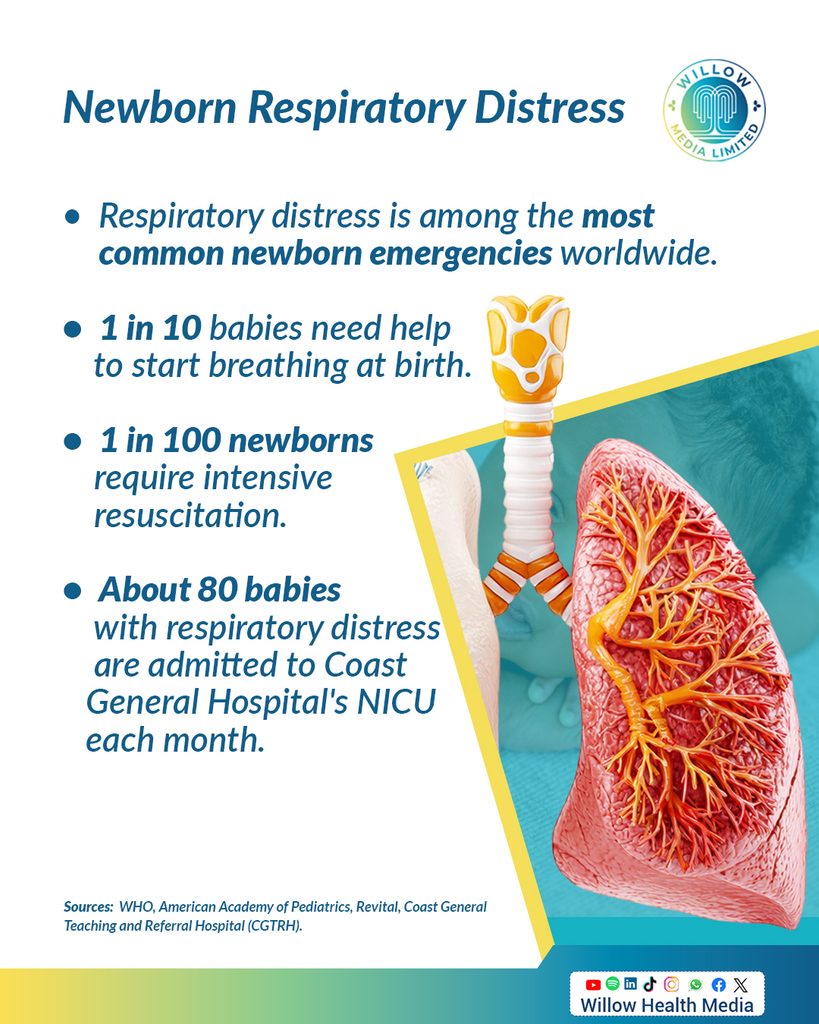
Globally, respiratory distress is one of the most common problems neonates encounter within the first few days of life. According to the American Academy of Paediatrics, approximately 10 per cent of neonates need some assistance to begin breathing at birth, with up to 1 per cent requiring extensive resuscitation. CPAP therapy is recognised as a cost-effective intervention for newborn respiratory distress.
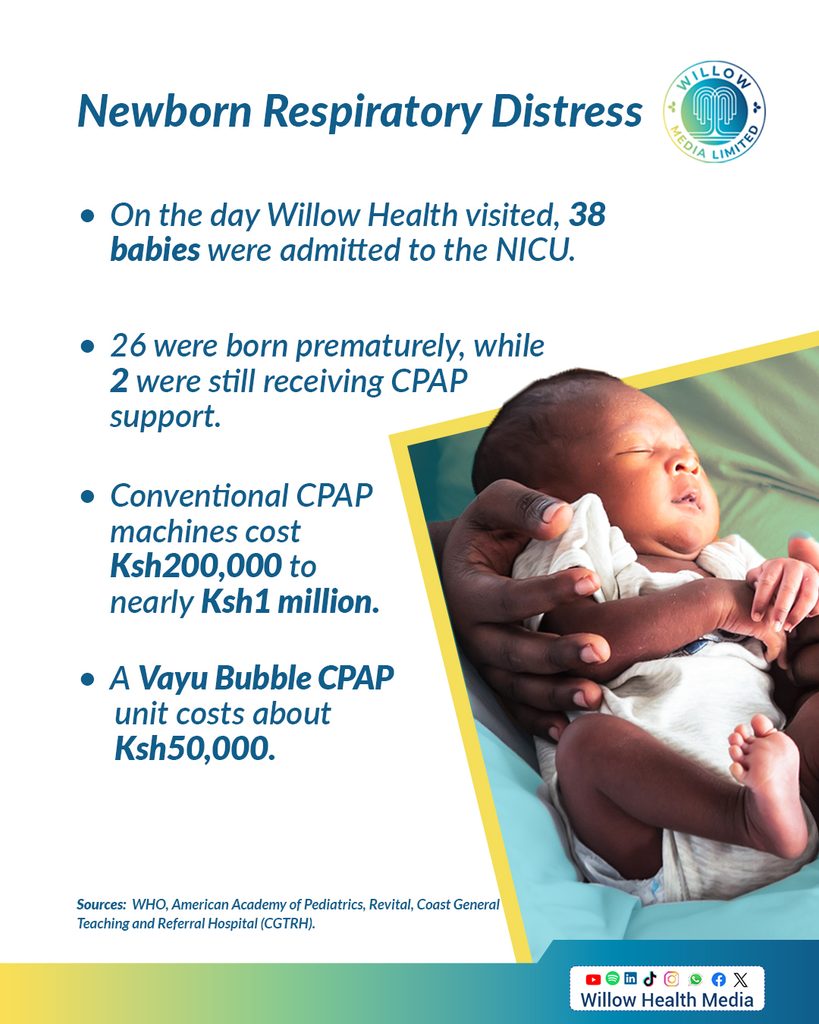
In a typical month, the unit admits about 80 babies with respiratory distress. On the day Willow Health visited, there were 38 babies in the ward. Of these, 26 had been born prematurely, and two were still on CPAP, while several others had already improved enough to be taken off the device.
The CPAP machine keeps a baby’s lungs open using positive pressure, preventing them from collapsing
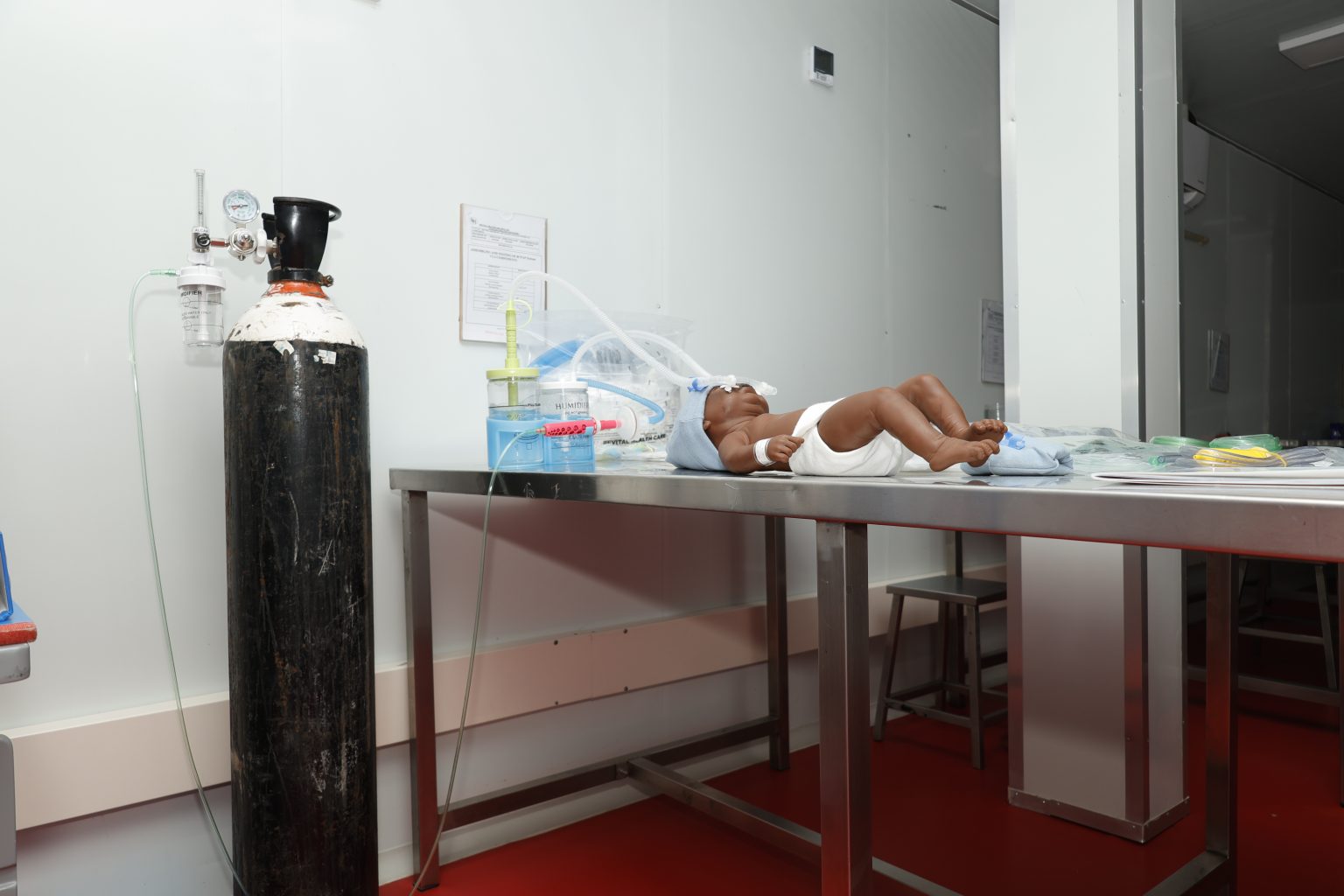
For Wangai, the non-electric Vayu Bubble CPAP has transformed neonatal care, helping babies grow faster and be discharged earlier. It keeps a baby’s lungs open using positive pressure, preventing them from collapsing while the lungs continue developing naturally. Because breathing becomes easier, babies can begin feeding earlier and recover faster, spending less time in hospital. “The CPAP helps the babies grow faster because the duration of illness becomes shorter,” she says.
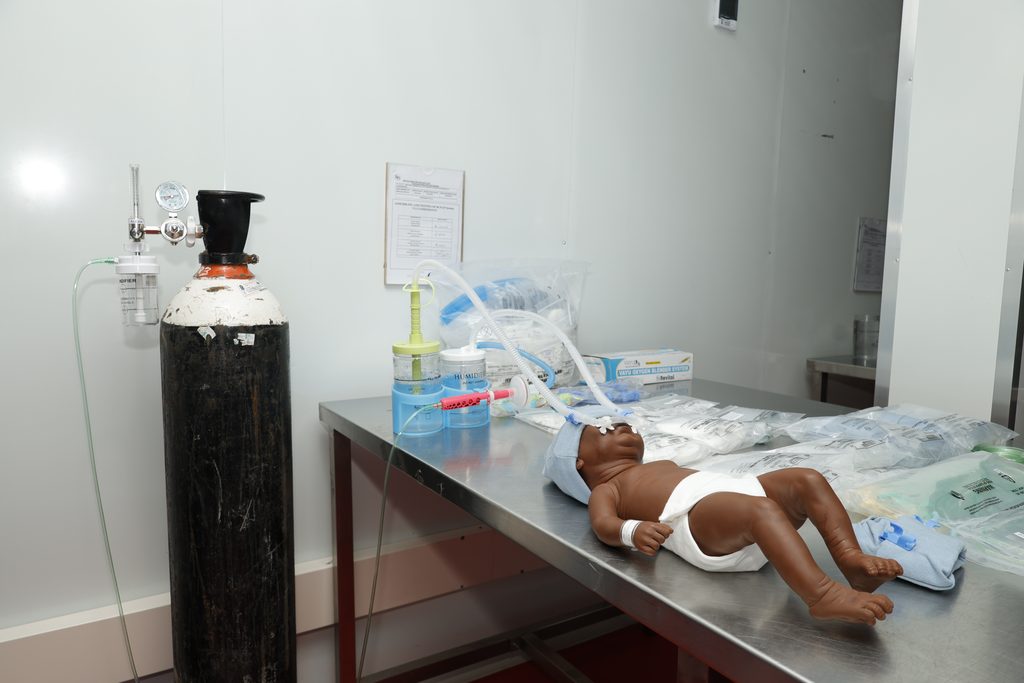
Unlike conventional CPAP machines that rely on electricity, the Vayu Bubble CPAP operates without electric power, meaning treatment continues even during a blackout. Wangai demonstrates how she prepares it for use in less than five minutes whenever a newborn arrives in respiratory distress.
“It doesn’t use electricity,” she explains. “In case of a power failure, it continues working.”
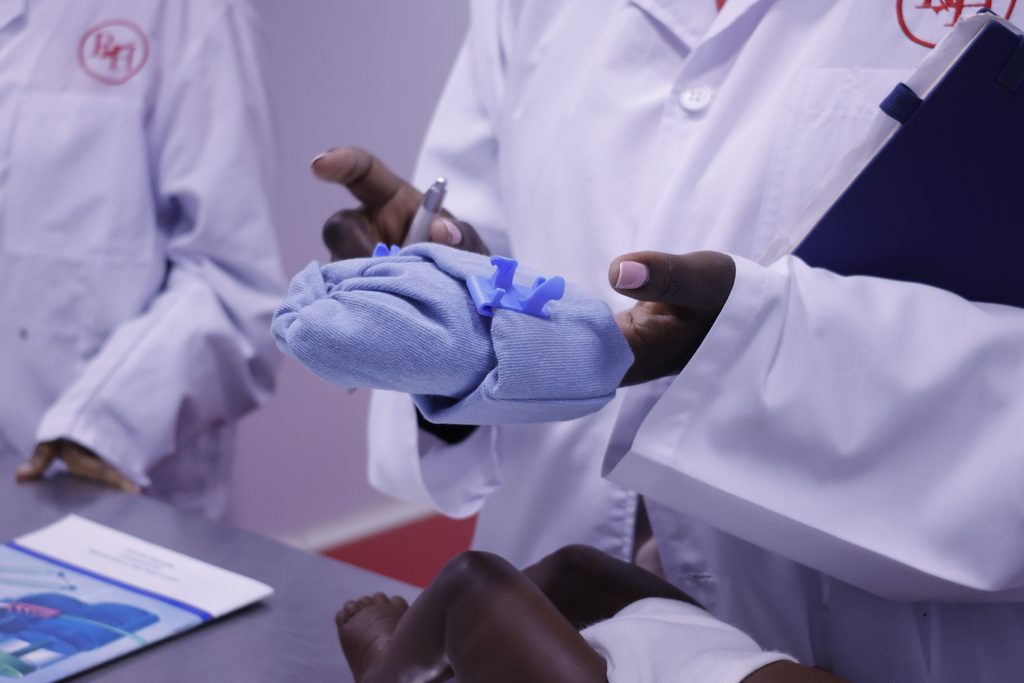
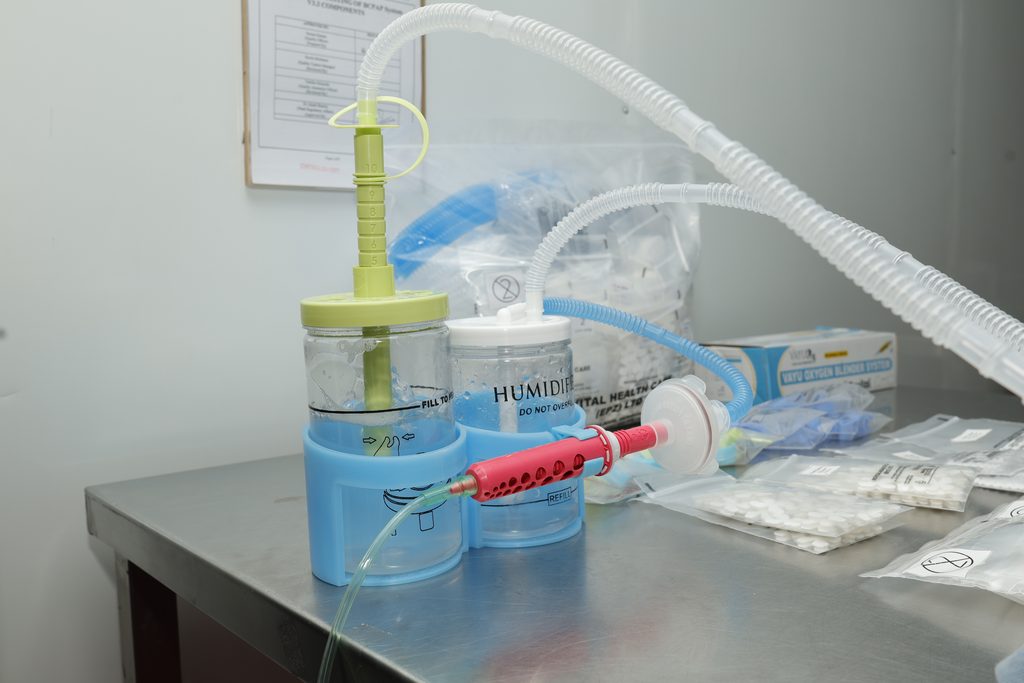
She begins by putting on gloves for infection prevention before laying out each component: an oxygen source connected to tubing, a humidifier filled with sterile water, connectors, filters, nasal prongs, and a soft cap that gently secures the tubing to the baby’s head to minimise trauma. The oxygen passes through a blender, mixing with room air to achieve the correct concentration, before flowing through the humidifier to prevent the baby’s delicate airways from drying out.
For many years, hospitals across low-resource settings have depended on imported CPAP machines. While effective, many are expensive, require electricity, and can be difficult to repair when they break down, with replacement parts often imported, leading to delays and additional costs.
According to Roonek Vora, Sales and Marketing Director at Revital Healthcare, the technology was originally developed by US-based Vayu Global Health, which holds the patent for the device. Revital Healthcare manufactures it locally in Kenya. “This is the world’s first non-electric, non-battery-powered Bubble CPAP,” Vora explains.
Over 2,000 CPAP devices supplied to hospitals in 47 counties, with Mombasa, Kilifi and Kisumu as model sites
The innovation was born from a simple question: how do you build a breathing device that works in hospitals where electricity cannot always be guaranteed? “The professor studied the African market and realised that electricity is not readily available,” he says.
The second challenge was transport. Premature babies are sometimes referred from one hospital to another for specialised care, and conventional CPAP machines can be difficult to move. The Vayu Bubble CPAP was designed to be portable enough to accompany a baby during transfer.
“It is small enough to transport,” Vora says. “You cannot move a baby using a bulky machine.”
An online search for prices of conventional CPAP machines in medical supplies reveals that the lowest goes for Ksh200,000 ($1,550), with the highest costing almost Ksh1 million ($7,750). According to Vora, the Vayu Bubble CPAP costs less than $400 (Ksh50,000), making it significantly more affordable for hospitals.
The device has since found its way into neonatal units across Kenya. Revital says it has supplied more than 2,000 devices to hospitals in 47 counties, with Mombasa, Kilifi and Kisumu emerging as model sites that continue purchasing accessories for the system.
CPAP was designed to support premature babies experiencing respiratory distress
Before any hospital begins using the device, healthcare workers undergo training. Teams from the United States work alongside local partners to train doctors and nurses on safe use, while additional online training is available through a dedicated website and mobile application.
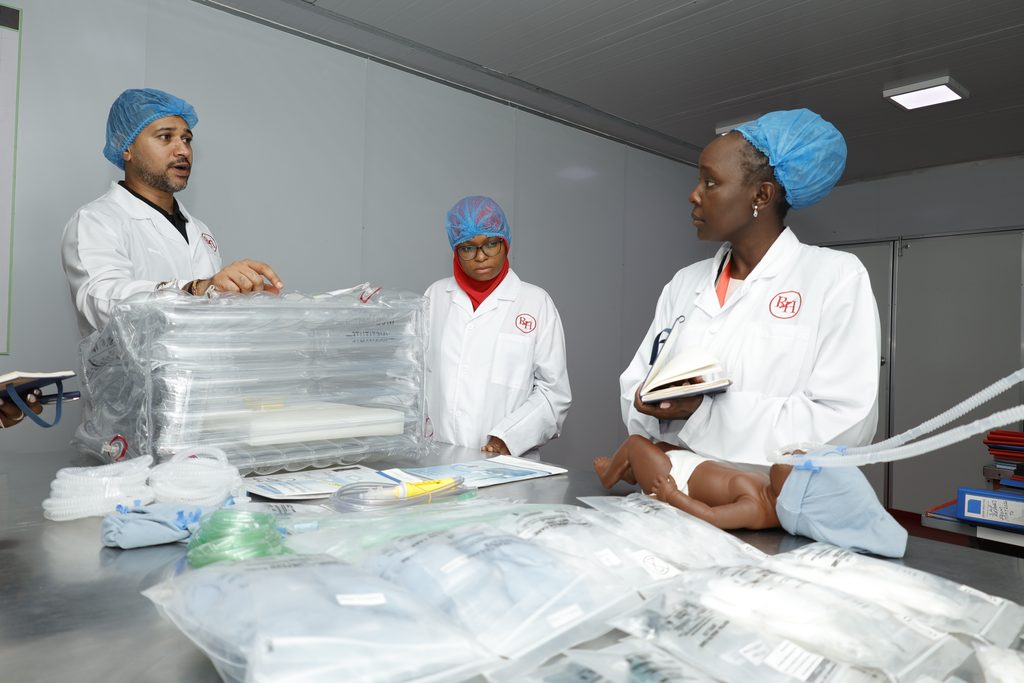
At Revital Healthcare’s manufacturing facility, Emma Kimatu, the Quality Officer, explains that the non-electric CPAP was designed specifically to support premature babies experiencing respiratory distress. Most plastic components are manufactured in the factory’s moulding department, while other parts, including the baby cap and cap clips, are sourced externally before final assembly. Each unit is assembled, inspected, and packaged before leaving the production line, work that matters to Kimatu because she knows each package gives a premature baby a chance for survival.
Back at Coast General, Wangai continues preparing for the next emergency, aware that at any time another infant could arrive. As for Wamu, placing Lorraine on her chest is yet another milestone, and a reassurance that soon she may be leaving the hospital with her baby stable and breathing independently.
Graphics by Semion Atetwe.
We believe in the free flow of information
Republish our articles for free, online or in print, under Creative Commons licence.