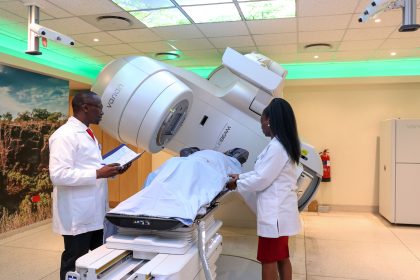

Hospitals must prove they have the equipment, specialists and permits before public money pays for chemotherapy or radiotherapy.
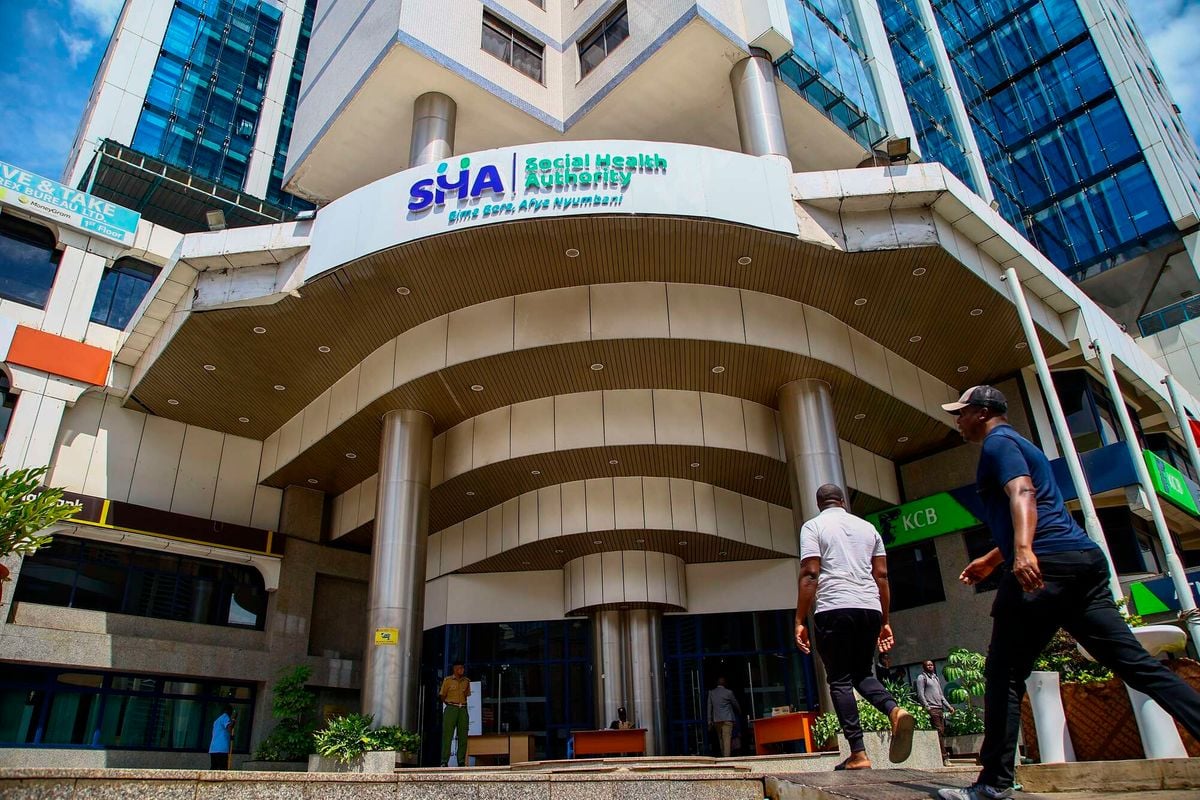
Hospitals will no longer win Social Health Authority (SHA) contracts for cancer services on paper alone. Under a joint notice with the National Cancer Institute of Kenya (NCI), SHA will contract facilities only after verifying valid NCI certification, the approved service scope, capacity, personnel and regulatory approvals.
The aim is to match public money with real capacity at a time when most Kenyans with cancer are diagnosed late and few access treatment. But the notice sets no deadline. It also does not say how quickly NCI can assess facilities across 47 counties, or how patients mid-treatment will be protected if a hospital loses its contract.
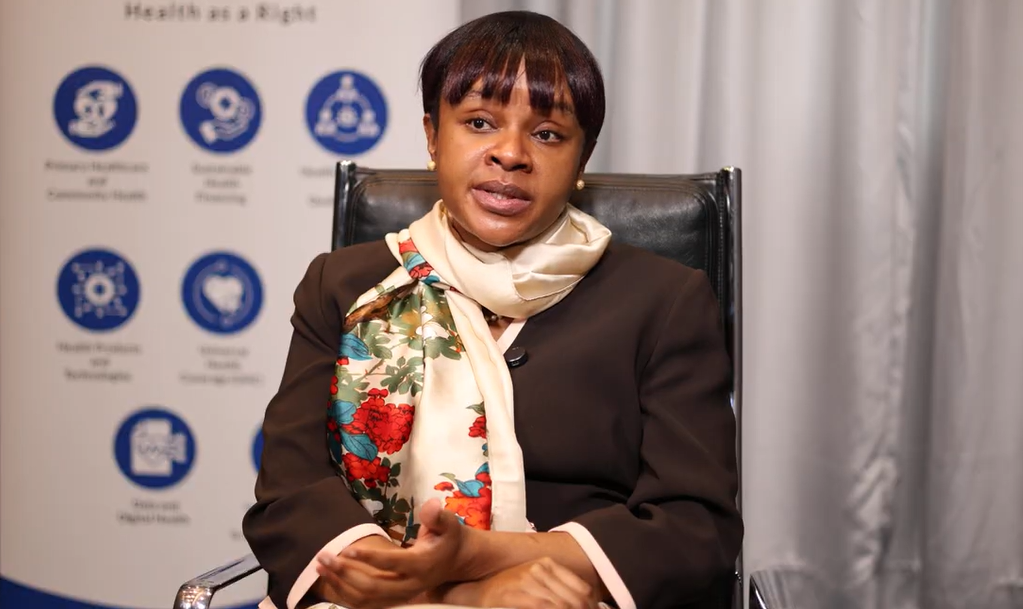
The joint notice is signed by SHA Chief Executive Officer Dr Mercy Mwangangi and NCI Chief Executive Officer Dr Elias Melly.
Facilities must confirm their certificate and its scope, and list the oncology services they propose, such as chemotherapy, radiotherapy and brachytherapy.
They must also show the equipment, licensed staff and permits behind those services. Those without certification must contact NCI immediately, then update their applications on the SHA e-contracting platform.
The urgency is clear from the numbers. According to the World Health Organization’s (WHO) International Agency for Research on Cancer (IARC), Kenya recorded 44,726 new cancer cases and 29,317 deaths in 2022.
Certification protects patients from facilities that claim services they cannot deliver
The Ministry of Health’s National Cancer Control Strategy 2023-2027 states diagnostic gaps have resulted in “70 per cent of cancer cases being diagnosed in late stages of the disease.” It reports that as of 2023, the country had 12 comprehensive cancer treatment centres and 58 oncologists, and that only about 28 per cent of patients access treatment.
Against that backdrop, certification does two jobs. It protects patients from facilities that claim services they cannot deliver. It also gives Kenya a verified, service-by-service picture of who can treat what. The strategy already commits to stronger accreditation of cancer facilities and to a public directory of services, so the notice puts existing policy into practice.
The annual cancer benefit was raised from Ksh550,000 to Ksh800,000, after the Emergency, Chronic and Critical Illness Fund (ECCIF) allocation increased from Ksh150,000 to Ksh400,000.
Under the published tariff schedule, SHA covers chemotherapy administration at Ksh5,500 per session, radiotherapy at Ksh3,600 per session for up to 30 sessions, and brachytherapy at Ksh40,000 for three sessions.
Others covered are stereotactic radiotherapy (SBRT/SBRS) at up to Ksh70,000 for five sessions, consultations at up to Ksh2,500 per visit, and imaging at defined rates, including CT scans at Ksh6,900, MRI at Ksh11,000 and PET at Ksh53,500.
These are what SHA reimburses, not necessarily what a patient will be billed. Reports put private radiotherapy at up to Ksh50,000 per week and a full brachytherapy package at up to Ksh800,000.
Until the notice’s gaps are addressed, patients should confirm in writing whether their facility is NCI-certified and SHA-contracted for the required service, what the SHA tariff covers, and whether they will be billed for any balance.
We believe in the free flow of information
Republish our articles for free, online or in print, under Creative Commons licence.