

A Kenyan man who fell ill in Congo crossed Uganda by road, flew into JKIA and died of Bundibugyo Ebola within three days. His journey, and a switched-off airport sensor seen days earlier, are raising questions about Kenya’s outbreak readiness.
Kenya has recorded its first case of Bundibugyo Ebola, and the patient is dead. The man, a Kenyan citizen who has lived in the Democratic Republic of Congo (DRC) for seven years, died at 11:30pm on Monday October 6, while receiving supportive treatment at The Nairobi Hospital.
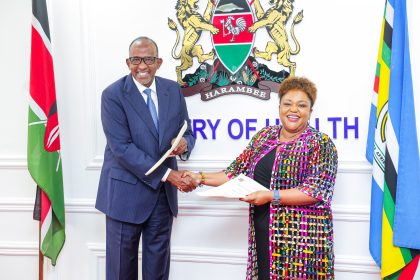
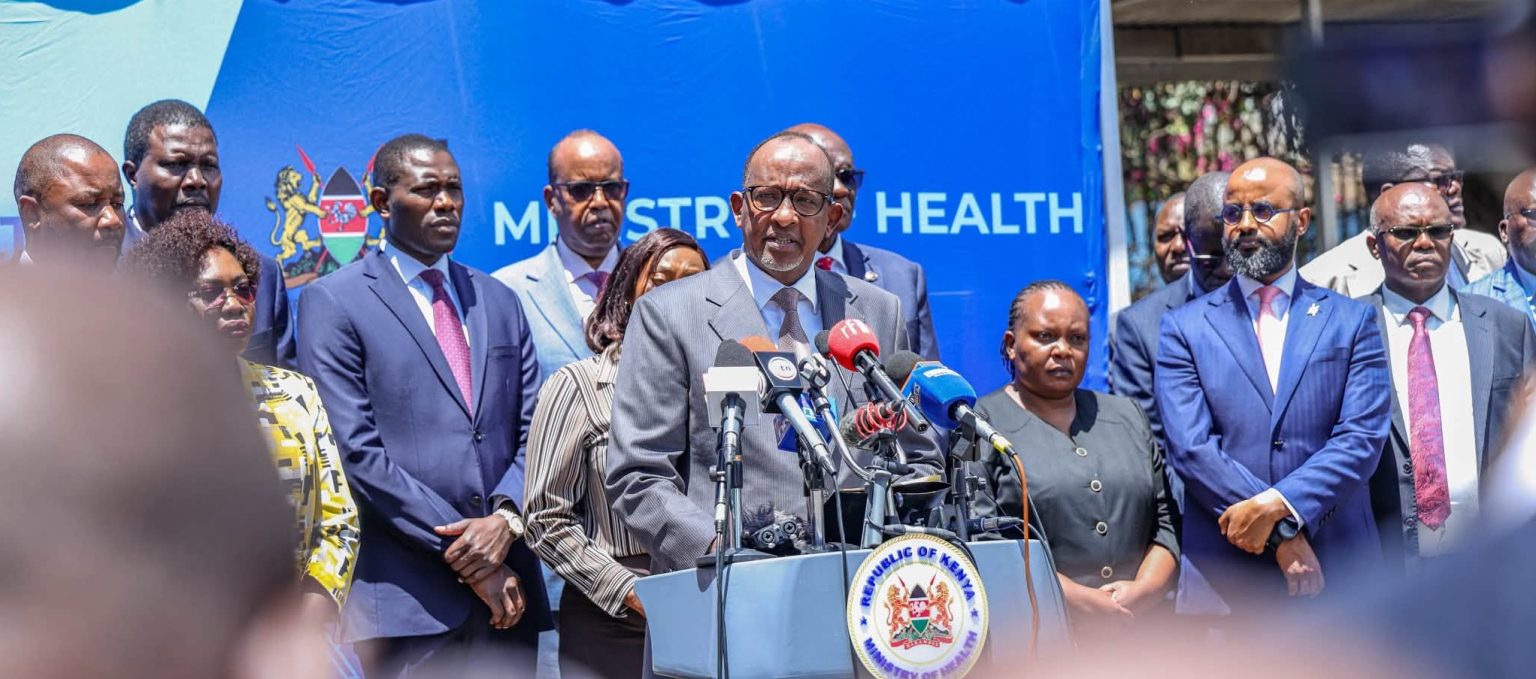
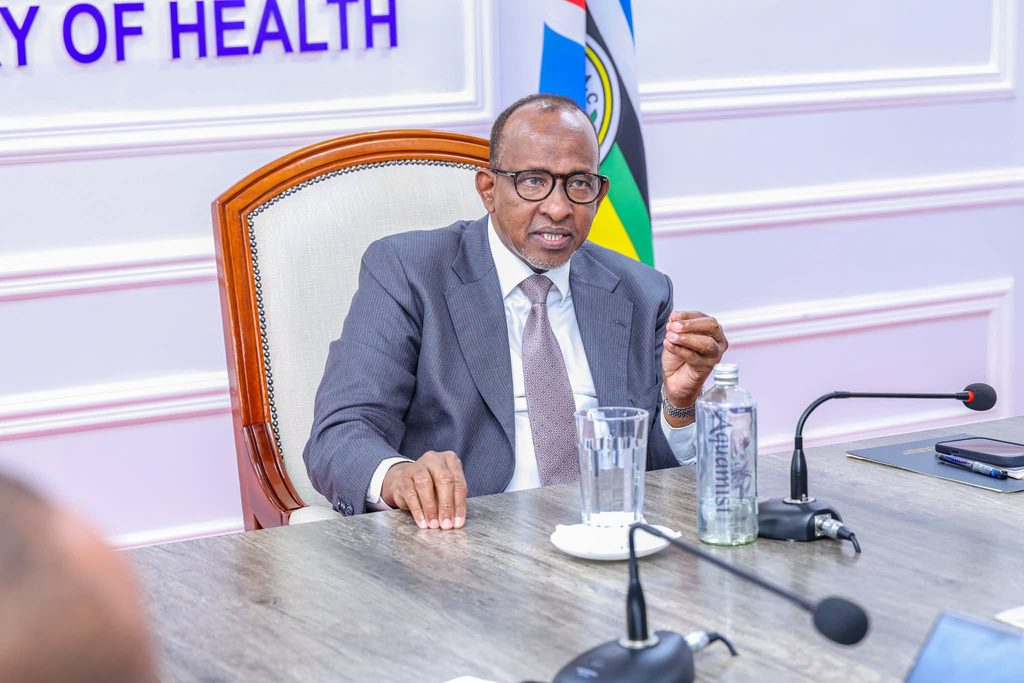
Yesterday, Health Cabinet Secretary Aden Duale confirmed the patient had the Bundibugyo Ebolavirus disease. Both the National Virology Reference Laboratory and the Kenya Medical Research Institute (KEMRI) laboratory returned positive results.
Kenya is the fourth country to record a case in what has been described as the fastest-growing Ebola outbreak in history, after the DRC, Uganda (20 cases) and France (one).
No active cases had been seen outside the DRC since Uganda was declared Ebola-free in August. By October 2, the World Health Organization (WHO) had counted 8,463 cases, 4,082 of them fatal. No vaccine or specific treatment yet exists for the Bundibugyo species.
The WHO and Africa CDC have praised Kenya’s speed. Yet the man’s route, by road through Uganda, by air into Jomo Kenyatta International Airport (JKIA) and by private car to a private hospital, raises hard questions about loopholes in Kenya’s airport, borders and hospitals.
According to the Ministry of Health, the man fell ill about a month ago and was treated in several DRC hospitals. He travelled by road to Kampala, where, Africa CDC says, he spent a night. From Entebbe he boarded Jambojet flight JM 8523, which landed at JKIA at 1.10pm on Saturday October 3 with 23 passengers and four crew.
Government has intensified surveillance, contact tracing and other public health measures
Duale said he passed through normal public screening. A relative and a friend drove him straight to Nairobi Hospital, a private facility, where he presented with fever, chills, intense fatigue, muscle pain, a sore throat, painful swallowing and bleeding under the skin at injection sites.
Given his travel history, the doctor suspected viral haemorrhagic fever and took a sample. He was placed in a separate room in accident and emergency, then moved to the East Wing isolation unit, built during the Covid-19 pandemic.
State House said he “has been safely buried in accordance with established public health protocols”.
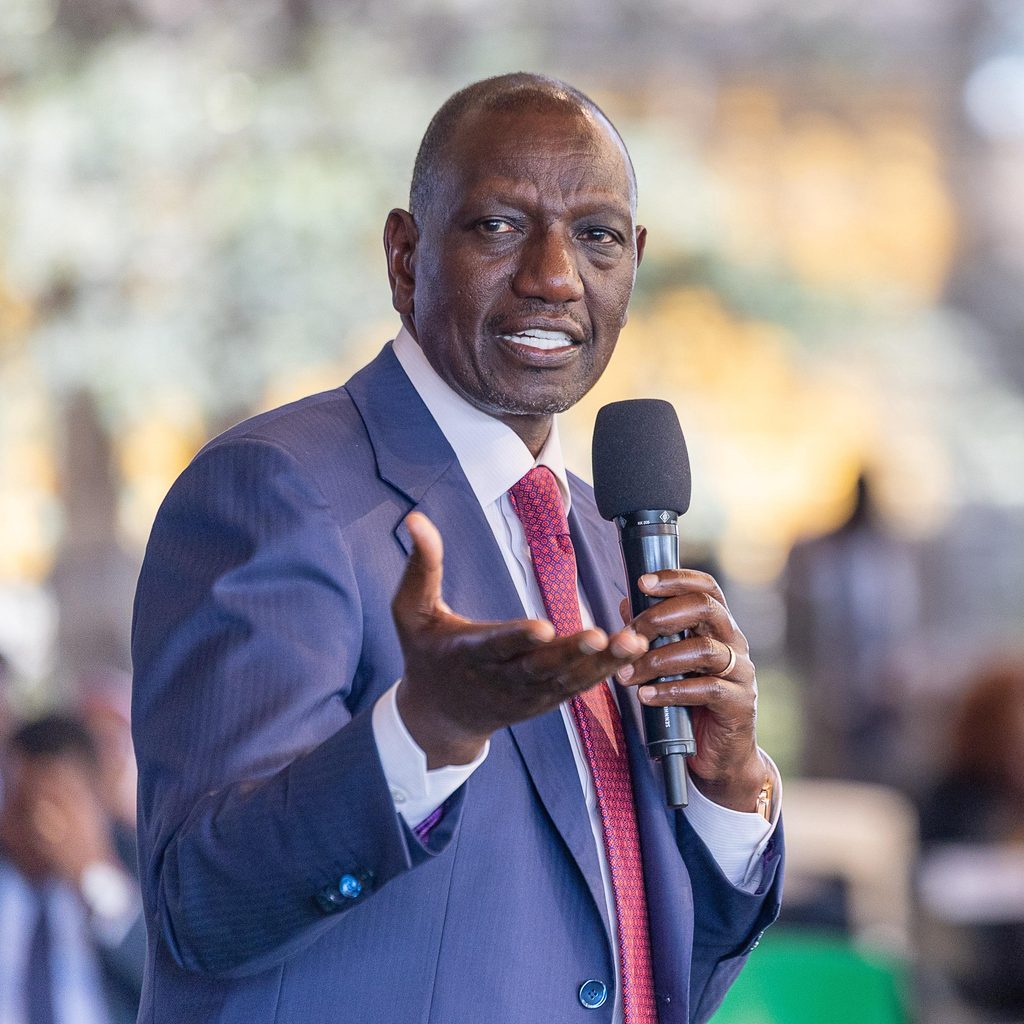
By Tuesday afternoon, President William Ruto had ordered the National Security Council Committee to convene and “recommend the necessary measures to safeguard the country”. Afterwards, State House Spokesperson Hussein Mohamed said the government had “intensified surveillance, contact tracing and other public health measures”.
State House said 56 people are being traced or monitored. Eight family members “have been placed under quarantine and are undergoing daily symptom monitoring”, and 21 health workers who attended him are “being closely monitored”. From the flight, 27 passengers “who may have had contact with the deceased have been identified and contacted”.
The ministry’s first list named 28 contacts, including family members and attending health workers. Its Director General, Dr Patrick Amoth, said they would be isolated for 21 days and released after testing negative. Jambojet says it is helping the ministry and Port Health Services trace guests and crew who may have had contact with him.
In Uganda, authorities moved quickly to identify and isolate contacts, said Africa CDC Director General Jean Kaseya, who had spoken to them.
Gate 16 at JKIA was designated for passengers arriving from Uganda and the DRC
In late May, Mary Muthoni, Principal Secretary in the State Department for Public Health and Professional Standards, inspected Port Health Services at JKIA, from thermal scanners to wastewater surveillance. With no case reported at the time yet, she promised enhanced screening at points of entry, more health officers, faster laboratory work and wider surveillance at every border. Gate 16 was later designated for passengers from Uganda and the DRC.
By late June, Kenya said it had screened more than 140,000 travellers from affected areas and investigated more than 100 alerts, all negative. By October 6, State House says, the total screened had reached 652,584, and “the country has the capacity to detect, isolate and manage suspected cases”.
Yet the airport did not flag a man who, by the ministry’s account, had been ill for a month. Officials have not said what his screening found, whether a health officer stopped him or whether the thermal scanners worked.
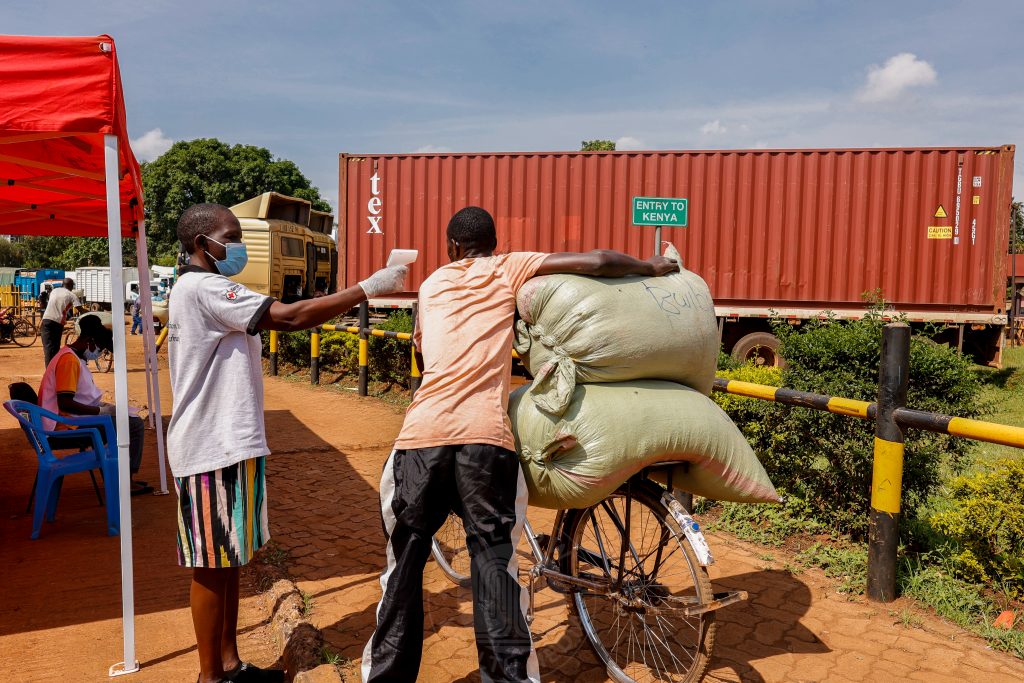
When a Willow Health Media team landed at JKIA from New York on September 28, five days before the patient arrived, the sensor on the airport’s screening machine was switched off.
We cannot say whether the same fault affected the October 3 flight, and one observation is not a verdict on the airport. It does, however, raise questions for Port Health Services. How many screening machines operate at JKIA, and do they all work? Who checks daily that sensors are on and calibrated? Was Gate 16 used for JM 8523? And how does screening handle a passenger who has been unwell for a month?
The land borders are the other front. In Busia, on the Uganda crossing, Deputy Governor Arthur Odera told Willow Health Media by phone that the county had had a few scares, all negative. Surveillance has been heightened and staff deployed even at ungazetted crossings, he said, and the county has a staffed isolation centre, an ambulance, holding rooms that keep suspected patients apart, and a laboratory and mobile laboratory.
Even so, Odera said, “We are alarmed that someone came in.”
Ebola can attack the kidneys, liver and heart at once, so staff focus on hydration, nutrition and organ complications
Since May, Kenya has organised its response around 23 preparedness and isolation sites, coordinated through the Kenya National Public Health Institute’s National Ebola Incident Management System.
Five laboratories now test samples. Of 267 tested as of October 6, State House says, “only one has returned a positive result”, which is the now deceased patient.
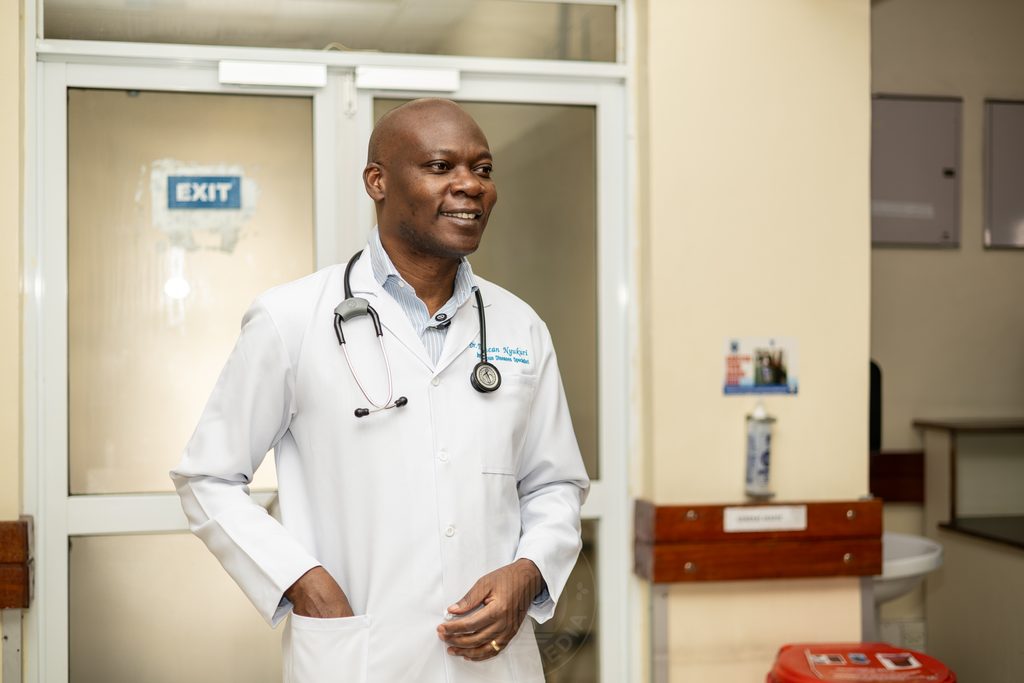
The centrepiece is the Infectious Diseases Unit at Kenyatta National Hospital (KNH). In June, its lead specialist, Dr Duncan Nyukuri, explained the plan to Willow Health Media. An ambulance brings a suspected case to a dedicated receiving area, where a nurse in full protective gear waits. The patient goes straight to isolation while clinicians take a detailed travel, exposure and symptom history, because Ebola resembles other infections. A sample goes to the National Public Health Laboratory, and if it is positive, treatment begins in the same unit.
Care is largely supportive. Ebola can attack the kidneys, liver and heart at once, so staff focus on hydration, nutrition and organ complications. Duale told Parliament in June that the hospital had eight isolation beds, a separate infectious-waste facility and a completed dry run. Nyukuri said the unit could scale up as during Covid-19, and the hospital has drilled its entry points. “We are well prepared,” he said.
Amoth has since cited a 49-person isolation facility at the National Police Service Hospital on Mbagathi Way and said 29 counties have designated facilities. State House lists Moi Teaching and Referral Hospital (50 beds), The Nairobi Hospital (143) and county isolation centres, promising that “this capacity will be expanded”. A KNH source, however, said the Ministry of Health had yet to support a standalone Ebola unit, calling it a hospital initiative.
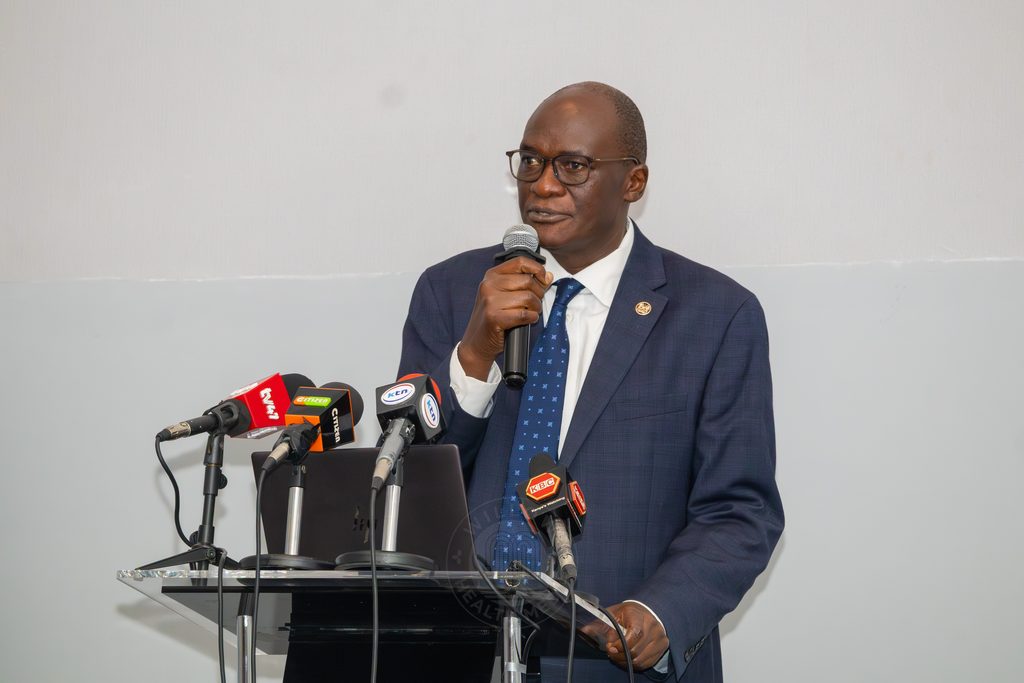
Kenya’s first patient bypassed all of it. Rather than arriving flagged and by ambulance, he was identified only after reaching, by private car, to a hospital that until this week barely featured in the public plan.
The ministry should explain how, and how his contacts, including 21 health workers, will be cared for. Eight beds at KNH would fill quickly if cases multiplied.
WHO Regional Director for Africa Prof Mohamed Janabi, saddened by the death, thanked Kenya for its transparency and prompt information-sharing, calling it “International Health Regulations (IHR) at work”. Kenya rapidly detected, isolated and managed the patient in line with WHO recommendations, he said, and is closely monitoring all identified contacts.
Gavi has announced vaccine shipments only for the DRC but has not yet commented on Kenya’s case
An imported case, he stressed, is not an outbreak, which requires continuing local transmission. Kenya has none. He cited France, which weeks ago managed an imported case in a French physician who had worked in eastern DRC.
Africa CDC said a multidisciplinary team was flying to Kenya on Tuesday, with Kaseya following in coming days to assess the response’s needs. “Kenya acted quickly,” he said.

The experts’ fixes begin at the source. Africa CDC says more than 70 per cent of new DRC cases still emerge among people never listed or followed as contacts, letting transmission chains slip past the response.
It wants clear reporting of what has been pledged, disbursed and spent from about US$2.9 billion (Ksh376 billion) mobilised.
Gavi, the Vaccine Alliance, has committed up to US$50 million (Ksh6.5 billion), mostly to speed access to a Bundibugyo-specific vaccine, and funds a 500,000-dose stockpile of Ervebo, made for the Zaire strain and allocated by the International Coordinating Group. Gavi has announced shipments only for the DRC but has not yet commented on Kenya’s case.
At the border, Odera said staff and citizens have been briefed on what to do if someone falls ill. Joseph Oprong, Busia County Director of Public Health, said officials had just met on “beefing up the screening process”, so that everyone crossing is thoroughly screened and handwashing equipment is in place. At JKIA, the most basic fix is a working, calibrated scanner at the right gate.
Meanwhile, “Kenya is prepared to deal with this public health emergency,” State House said, promising to “continue to strengthen surveillance, contact tracing, testing and treatment capacity”.
We believe in the free flow of information
Republish our articles for free, online or in print, under Creative Commons licence.