
Contact tracing caught the second case early, but experts warn it works only when people feel safe to report exposure and symptoms.
Kenya’s Ebola response is being tested not only by whether health teams can detect infections, but also by whether communities trust public health information enough to report concerns, cooperate with surveillance teams and seek help early.
That message ran through a two-day national outbreak reporting workshop held in Nairobi on October 14 and 15, where experts warned of a gap between hearing about Ebola and understanding it, and stressed that surveillance signals must lead to action.
They also cautioned that authorities must speak with one voice, that border closures can backfire, and that journalists must report without amplifying fear.
The country confirmed its first imported case of Bundibugyo virus disease on October 6, 2026, in a Kenyan who had travelled from the Democratic Republic of Congo (DRC). A second case was confirmed on October 14 in a close family member who was already in quarantine and under daily monitoring.
He developed symptoms while under observation, and health teams arranged testing and care. His case shows how contact tracing can catch illness before it spreads further.
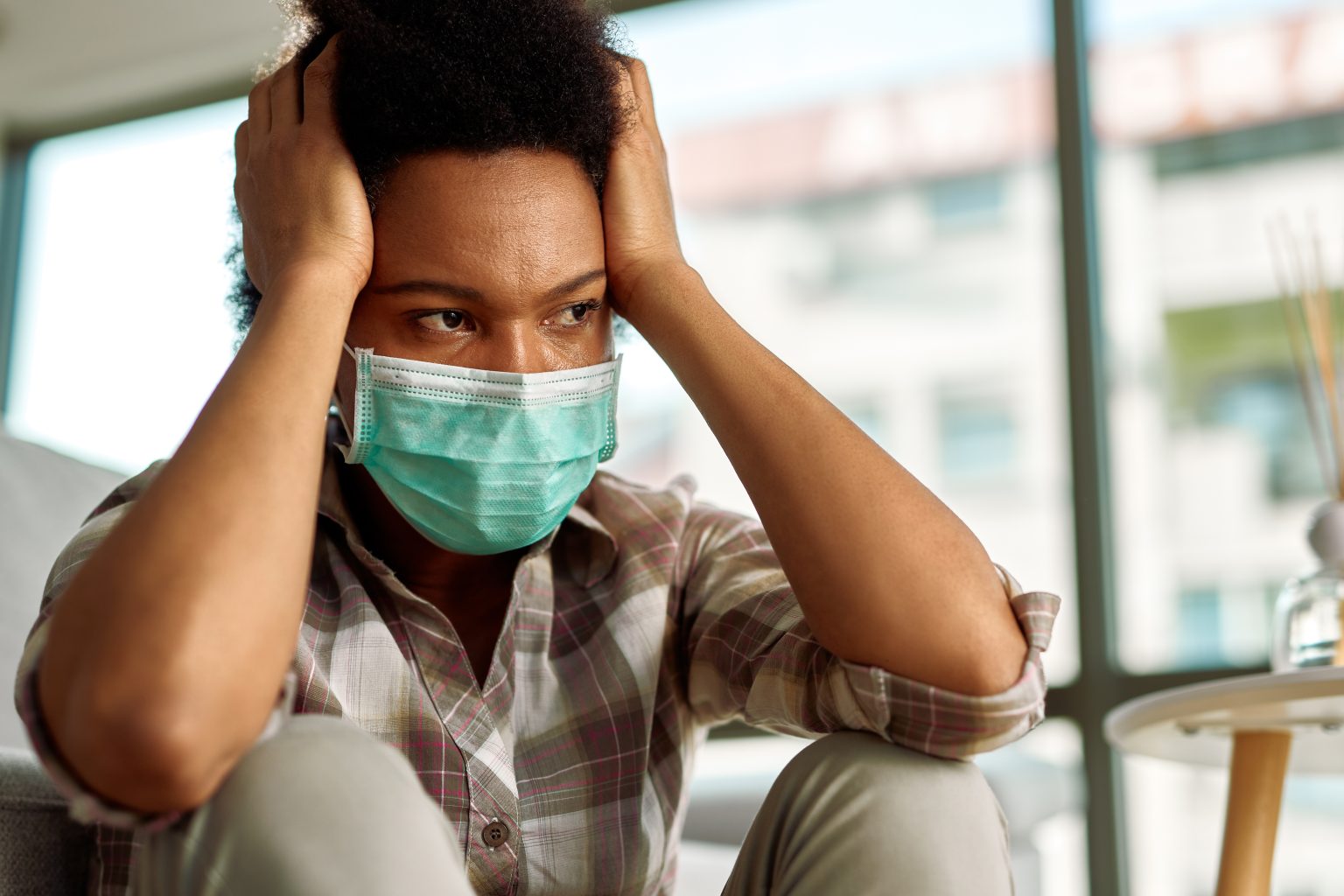
Fear of stigma, discrimination or isolation can make people reluctant to disclose symptoms
The workshop brought together journalists, editors and public health practitioners under the theme Public Trust, Transparency and Collective Action in the Ebola Response. The World Health Organization (WHO), the Africa Centres for Disease Control and Prevention (Africa CDC) and the Ministry of Health were involved.
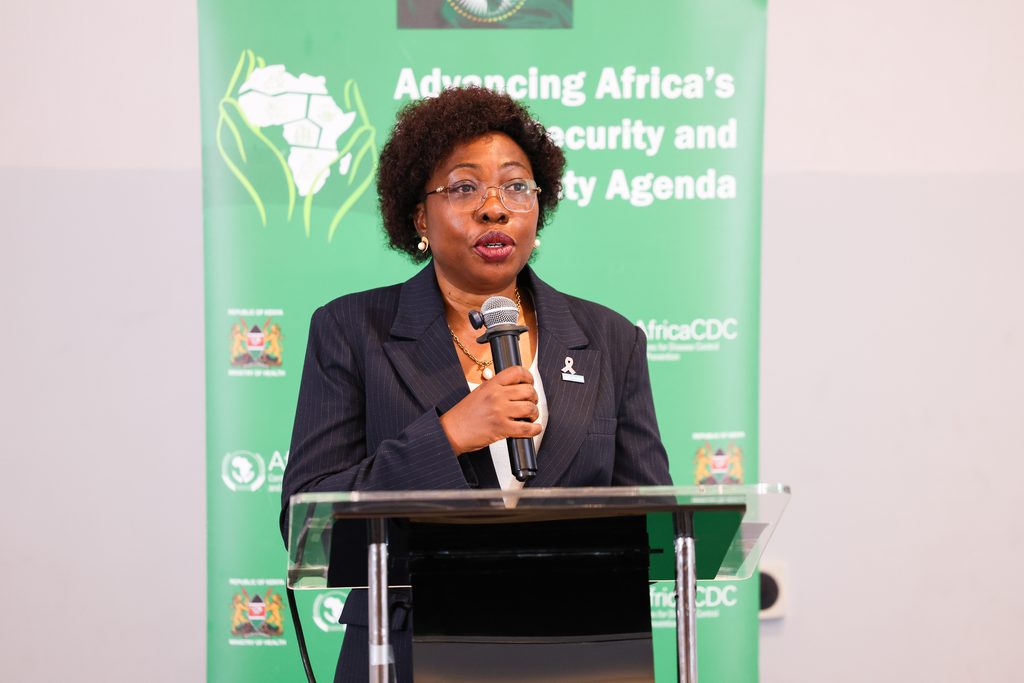
Contact tracing helps health teams identify people who may have been exposed to an infected person, assess their risk and monitor them for symptoms.
It works only if people are willing to share information about their movements and contacts.
Fear of stigma, discrimination or isolation can make people reluctant to disclose possible exposure or report symptoms. Misinformation deepens that reluctance, turning a public health measure into a source of anxiety. Dr Neema Kimambo, WHO Representative to Kenya, highlighted a gap between awareness and understanding.
Nine in 10 people had heard of Ebola, she said, yet about half still knew little about how it spreads and how to protect themselves. The distinction matters. Having heard of a disease does not mean understanding how it spreads, when to seek help or what to do after possible exposure.
Dr Kimambo said Kenya had a window of opportunity to contain the virus and prevent community spread. That depends on timely detection and effective follow-up of people who may have been exposed.
Information on unusual symptoms, possible exposure or travel from an affected area can prompt health teams to investigate
Dr Ahmed Fidhow of the Ministry of Health’s Division of Disease Surveillance and Response explained how Kenya gathers information from multiple sources. These include reports from health facilities, signals from Community Health Promoters, screening at points of entry, laboratory findings and environmental monitoring. Under the One Health approach, surveillance also considers the links between human, animal and environmental health.
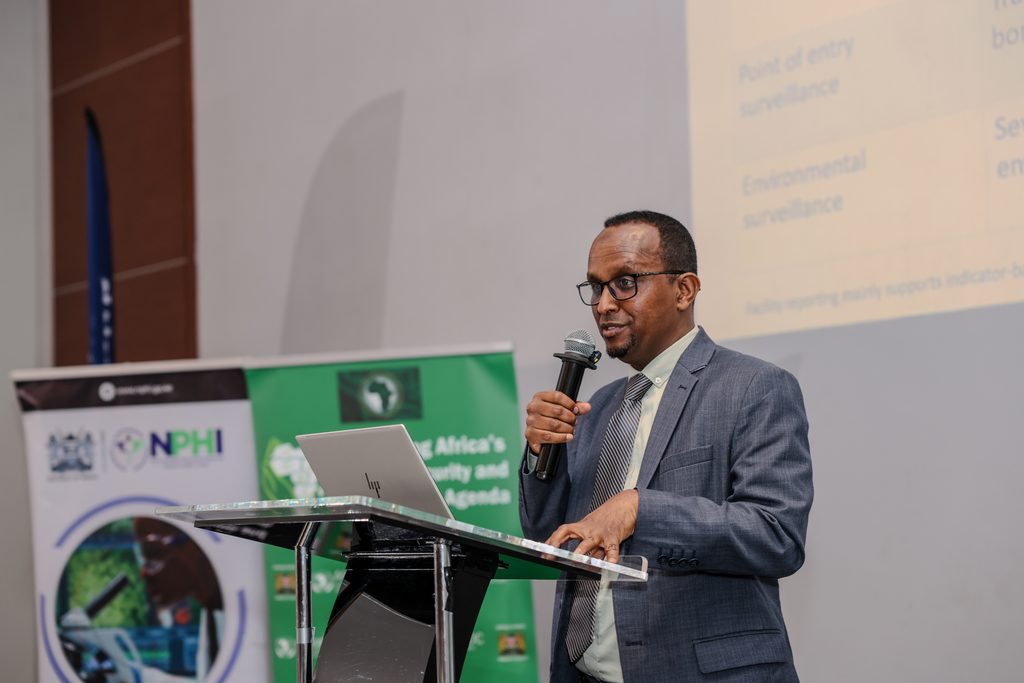
Community reports are especially important when a threat first appears outside a health facility.
Information about unusual symptoms, possible exposure or travel from an affected area can prompt health teams to investigate.
But detection is only the first step. A signal must be verified, assessed and followed by public health action. Otherwise, information may arrive too late to stop transmission. The session also placed Ebola within the wider work of surveillance, which must stay alert to multiple threats rather than focus on a single outbreak.
Surveillance cannot work without cooperation from the people it is meant to protect. That makes risk communication and community engagement essential.
Wycliffe Matini, a Risk Communication and Community Engagement officer at the Ministry of Health, urged journalists to amplify accurate public health information. He asked them to help communities understand why following health guidance matters, including quarantine where required. He also stressed the need to avoid stigmatising people who are isolated or being monitored.
Measures meant to protect public health should not undermine the systems needed to detect infections
Dr Irungu Kamau, Acting Head of Infection Prevention and Control (IPC) at the Kenya National Public Health Institute (KNPHI), summed up the need for coordinated messaging in a phrase: “One message, one voice.”
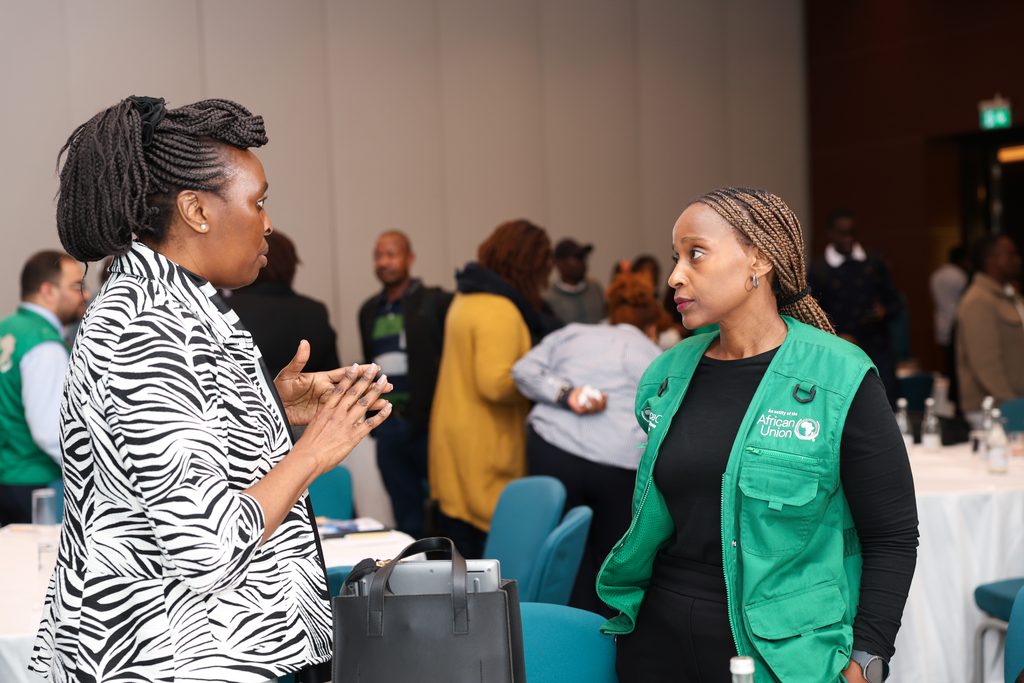
Health authorities, response partners and communicators must give clear, consistent guidance so that conflicting messages do not create confusion.
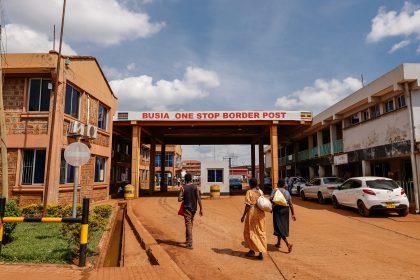
Dr Kimambo cautioned against relying on border closures as a substitute for effective surveillance.
Closing official crossings, she said, could push movement towards unofficial routes, where screening would be harder. Measures meant to protect public health should not undermine the systems needed to detect infections.
Journalists shape how communities understand an outbreak. Their reports can encourage people to seek care and follow guidance. But poorly verified claims, sensational headlines and needless disclosure of patients’ identities can intensify fear and stigma.
Sheila Mwebaze, Community Engagement and Public Trust Officer at Africa CDC, led a session on Responsible Public Health Reporting. It emphasised verifying claims with credible sources, protecting patient privacy, avoiding stigmatising language and separating confirmed information from speculation. Journalists were encouraged to seek clarification from official health spokespeople and response partners when information is uncertain, rather than amplify unverified claims.
Ministry of Health has set up toll-free hotline 719 and USSD service *719# for Ebola-related information
On the second day, Dr Francis Ng’ang’a of the Ministry of Health discussed the principles of Ebola case management. Nancy Okwengu, WHO’s Infodemics Management Officer, addressed misinformation and disinformation.
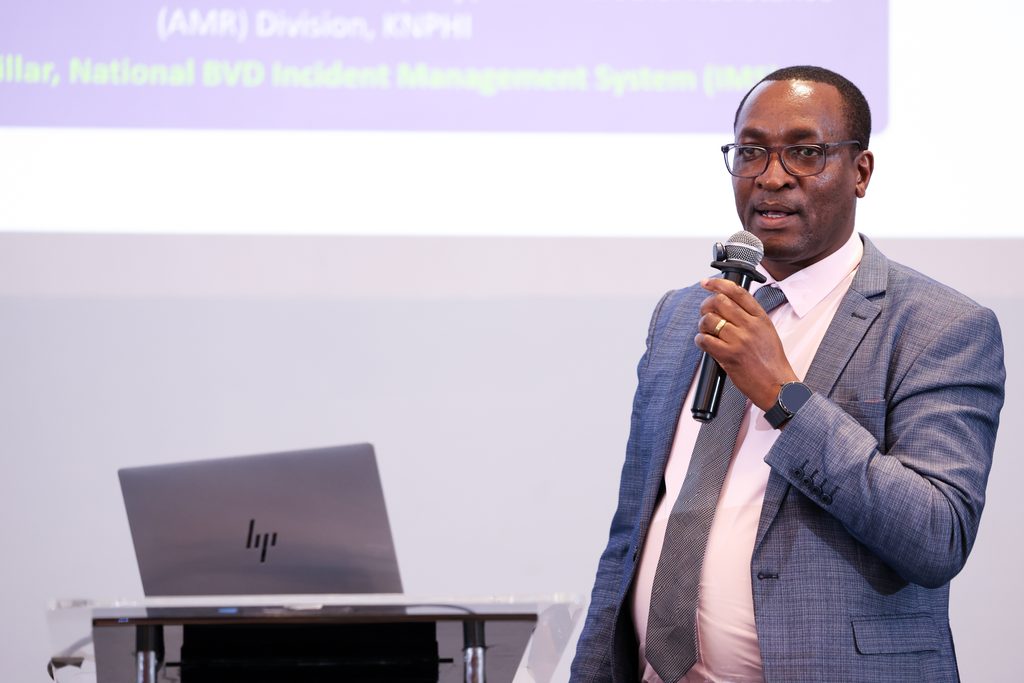
Together, the sessions linked the technical work of preventing infection and managing cases with the communication needed to help people understand and cooperate with the response.
The Ministry of Health has set up the toll-free hotline 719 and the USSD service *719# for Ebola-related information.
People who suspect a case can also use the hotline to report their concern and seek guidance. Reporting a concern does not mean someone has Ebola. It allows health teams to assess the information and advise on next steps.
People should not diagnose Ebola from symptoms alone, since fever, fatigue and other signs occur in many illnesses. Anyone worried about possible exposure should seek guidance from health authorities and follow their instructions.
Kenya’s experience shows that outbreak preparedness is not confined to laboratories, hospitals or border points. Contact tracing can identify those at risk, surveillance can detect warning signs and health workers can respond. These efforts are stronger when people feel safe enough to report concerns and journalists communicate verified information responsibly.
Containing Ebola is therefore both a public health and a public trust challenge. The response will depend not only on what health authorities detect, but on how quickly communities receive, understand and act on reliable information.
We believe in the free flow of information
Republish our articles for free, online or in print, under Creative Commons licence.