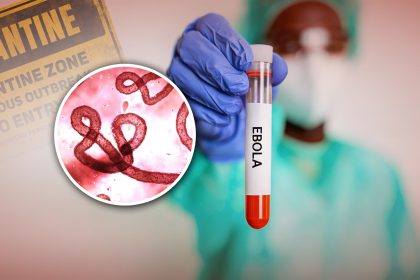

Media practitioners learn the science of Ebola and the art of outbreak communication, as Kenya races to contain its first cases.
When Kenya confirmed its first imported case of Ebola, the first line of defence was not only in hospitals. It was also in newsrooms.
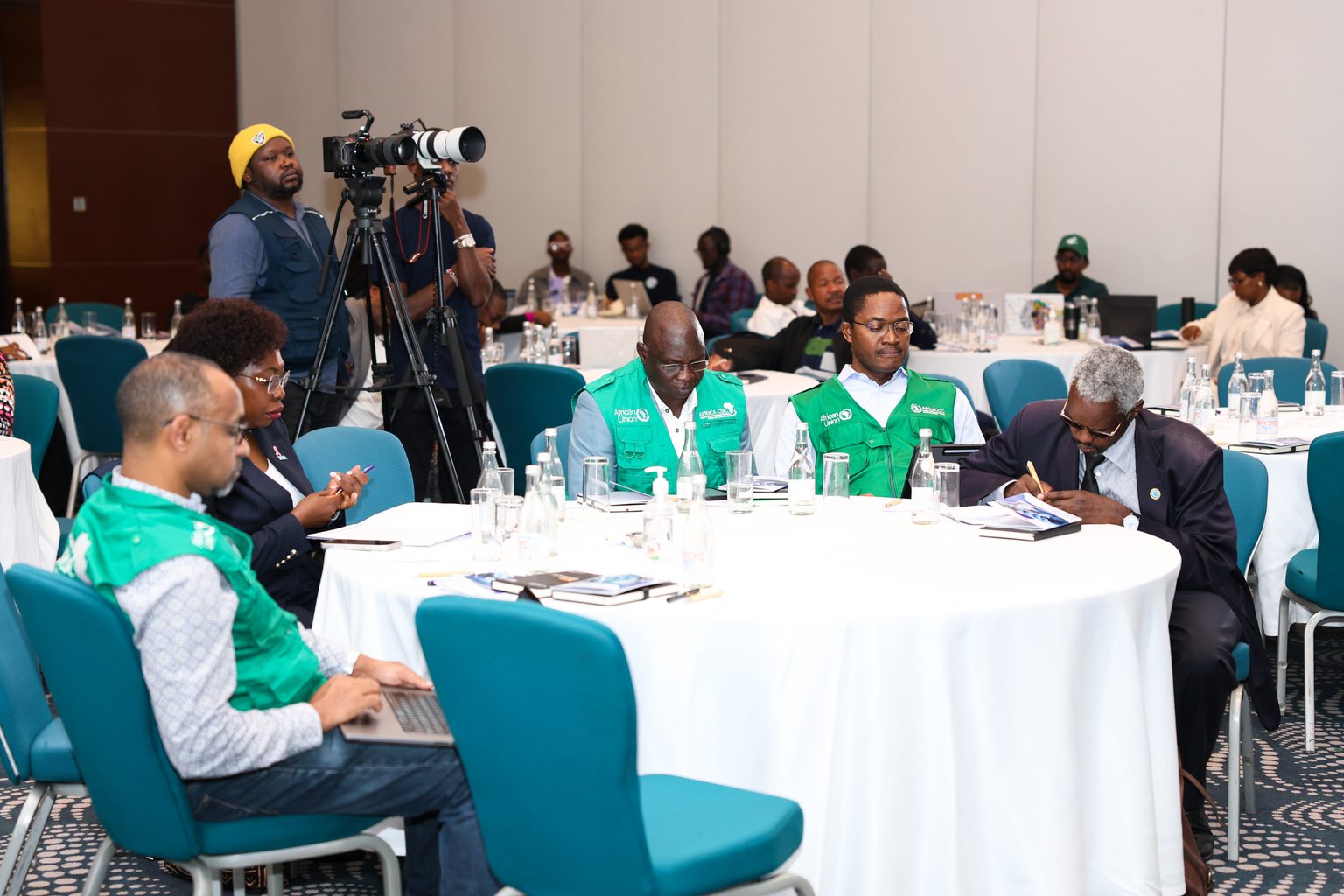
Recognising the media’s role in shaping how the public understands and responds to an outbreak, Willow Health Media brought together nearly 200 media practitioners, most of them working in health, to learn the science of Ebola and the art of communicating disease outbreaks.
The goal was to equip journalists to raise public awareness, influence behaviour and improve health outcomes.
The two-day national outbreak reporting workshop that ran in Nairobi from 14 to 15 October 2026 was held under the auspices of the World Health Organization (WHO), the Africa Centres for Disease Control and Prevention (Africa CDC) and the Ministry of Health (MoH), under the theme Public Trust, Transparency and Collective Action in the Ebola Response.
The gathering followed Kenya’s first confirmed imported case of Bundibugyo virus disease, a species of Ebola with no approved vaccine or specific treatment. A second case, a family member of the first patient, has since been confirmed.
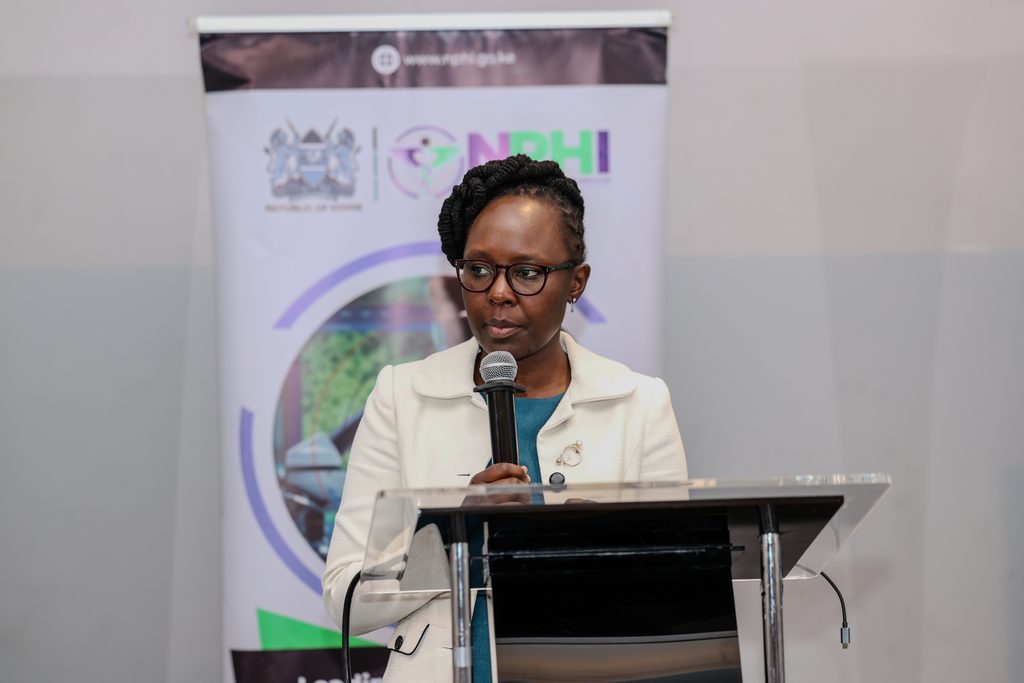
Opening the workshop, Dr Mercy Korir, Chief Executive Officer and Editor-in-Chief of Willow Health Media, said journalists have a role that goes far beyond reporting case numbers and official announcements.
“Ebola is not fought in hospitals only but also through information,” Dr Korir told participants. She described credible communication as an essential part of the public health response.
Speakers warned that misinformation can erode public confidence, fuel stigma and delay care-seeking
Her message ran through every session. Speakers warned that misinformation can erode public confidence, fuel stigma and delay care-seeking, while clear and timely reporting can help communities make informed decisions.
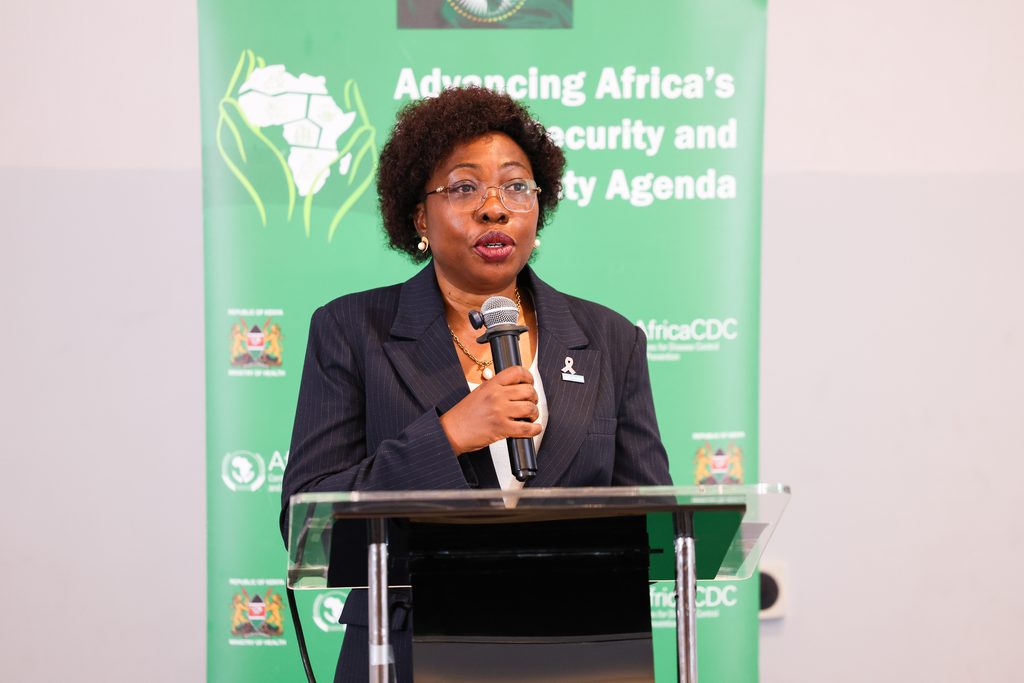
Dr Neema Kimambo, WHO Representative to Kenya, said information is critical to managing an outbreak in a country that had never recorded an Ebola case.
“What media shares dictates how people seek care and whether health workers have confidence in their roles,” Dr Kimambo said. She described the 21-day contact monitoring period as a critical window to detect infections and protect communities.
Dr Wessam Mankoula, Director of the Centre for Disease Preparedness and Response at Africa CDC, pointed to the Democratic Republic of the Congo (DRC). There, the outbreak has placed immense pressure on response teams.
“The biggest challenge with Ebola response in DRC is mistrust and misinformation,” Dr Mankoula said. He urged journalists to resist pressure to publish unverified information, check facts, fight fear with facts and encourage people to seek care early.
Dr Livinus described misinformation and disinformation as major threats during outbreaks
Dr Martins Livinus of the WHO Kenya Emergency Preparedness and Response Team reinforced the warning. He described misinformation and disinformation as major threats during outbreaks.
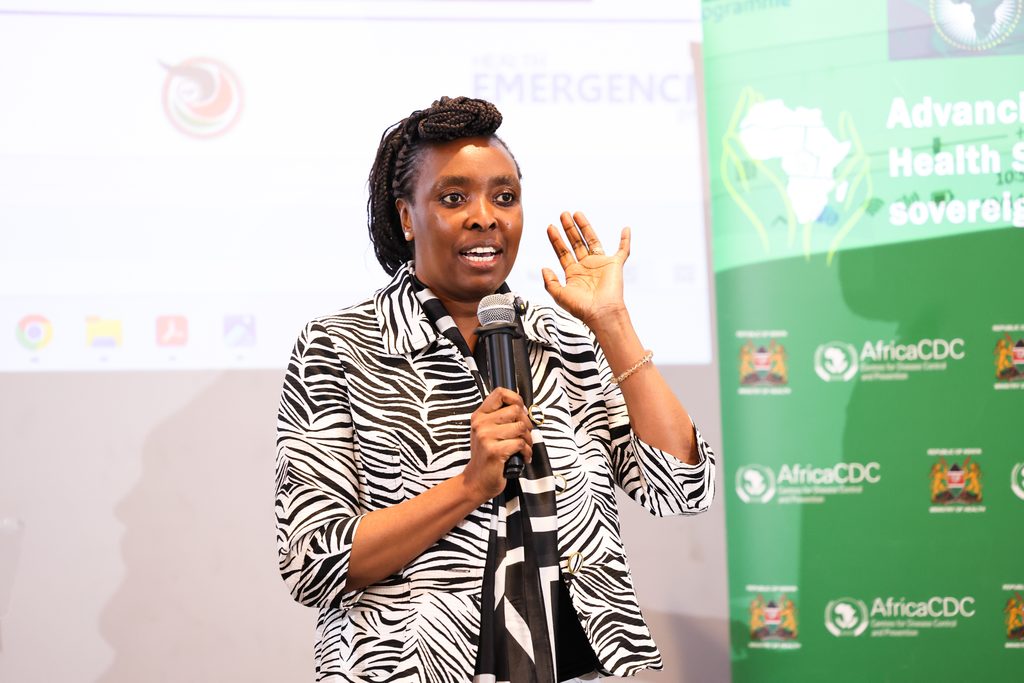
Nancy Okwengu, WHO’s Infodemics Management Officer, said social listening had exposed public anxieties that must be addressed through clear, consistent communication.
“Fear increases stigma from multiple sources of information and one of the fears Kenyans had was fear of lockdown,” Okwengu said. She stressed the need to respond to public concerns before rumours take hold.
Okwengu took participants through practical cases of false claims, misleading images, online rumours and uncertain information. She noted that platforms including X, Instagram and Facebook have issued warnings on fake news and flagged false information. Journalists can use these tools to correct misinformation and disinformation.
Beyond communication, journalists went deep into how Kenya detects, contains and treats the disease. Dr Ahmed Fidhow, Director of Disease Surveillance and Response at the Ministry of Health, traced Kenya’s disease surveillance systems back to 2000. That was two years after WHO recommended integrated systems.
An exposed person can no longer be quarantined at home, but at a designated facility
He explained that surveillance is a continuous process. It draws on clinical reports from hospitals, community reports, environmental analysis that extends even to sewerage systems, and monitoring of zoonotic diseases spread by animals. Much of this work happens long before any public announcement.
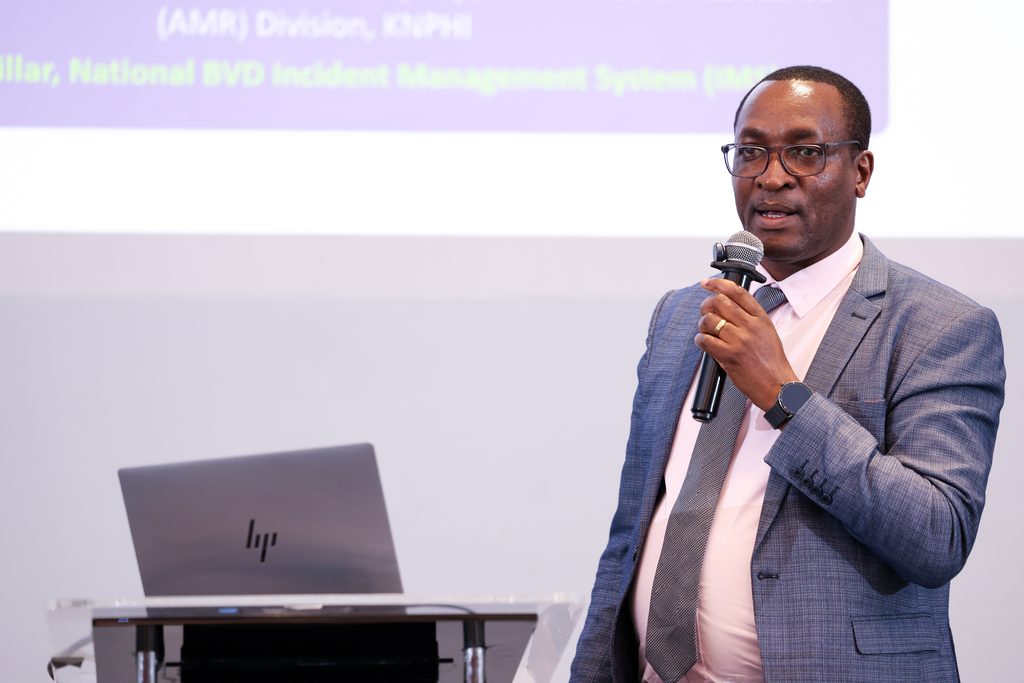
The media, he said, has a role in helping the public understand it.
Dr Irungu Kamau, Acting Head of Infection Prevention and Control (IPC) at the Kenya National Public Health Institute (KNPHI), explained that unlike during Covid-19, an “exposed person can no longer be quarantined at home, but at a designated facility.”
He also pointed to the gap between knowledge and practice, a gap that health journalism can help close.
“Washing hands is one of the simplest and easiest ways of containing diseases but it’s difficult to enforce behaviour change,” Dr Kamau said.
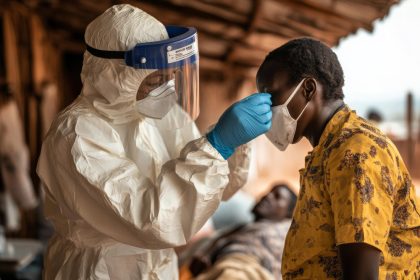
Dr Francis Ng’ang’a of the Ministry of Health walked participants through Ebola case management. He followed the path from suspected cases in quarantine to confirmed cases in isolation wards. Suspected cases are observed for 21 days, he explained, as that is the “incubation period for Ebola virus.”
The dead are highly infectious and practices like touching or kissing the dead only fuel spread
Dr Ng’ang’a said Kenya’s second case came “from contact with the first imported case and not from within the community.” This shows the country is containing the situation using WHO protocols of contact tracing, quarantine of suspected cases and isolation of confirmed ones.
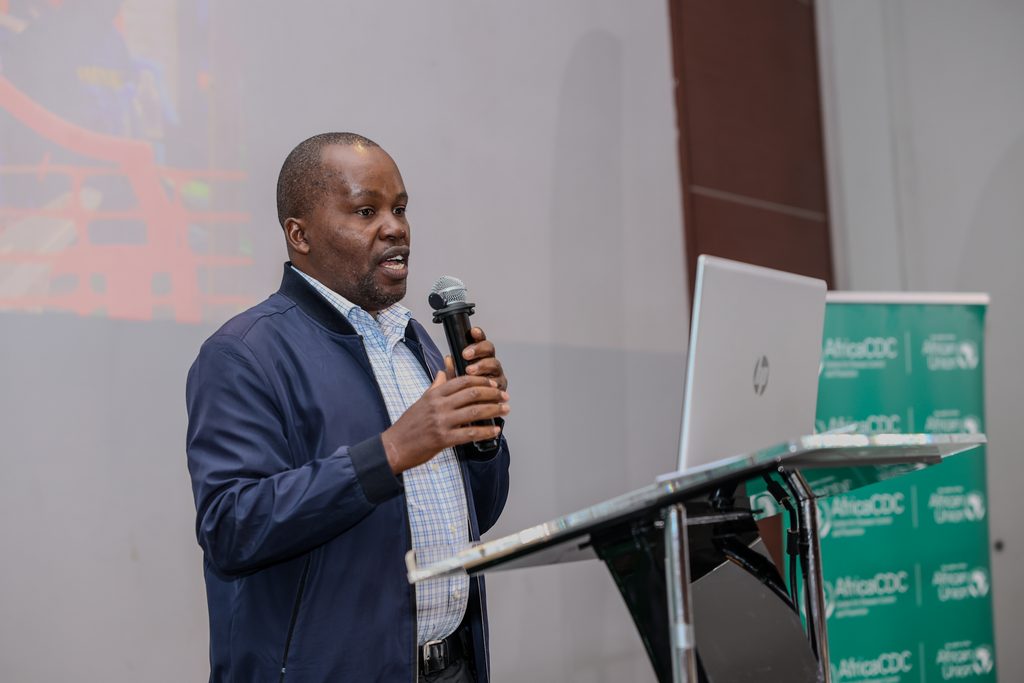
He warned that Ebola deaths must be handled with great care.
He said families’ dignity and culture must be respected, but the dead are highly infectious…and practices like touching or kissing the dead only fuels spread.” Such practices are therefore discouraged.
The workshop aimed to strengthen working relationships between newsrooms and public health authorities.
Journalists were equipped to verify information, explain health risks and scientific uncertainty, protect confidentiality, and report responsibly without amplifying fear or stigmatising affected communities.
For Willow Health Media, the initiative reflects a commitment to health journalism that goes beyond reporting outbreaks. That means helping the public understand risks, scrutinising the response and empowering people to make informed decisions.