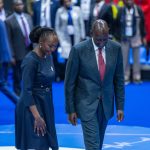


Cancer survivors, kidney patients and accident victims turned the Presidential Town Hall into a personal audit of the Social Health Authority (SHA) and Universal Health Coverage (UHC). Their stories forced the government to confront the gaps in care with new dates, deadlines and demands.
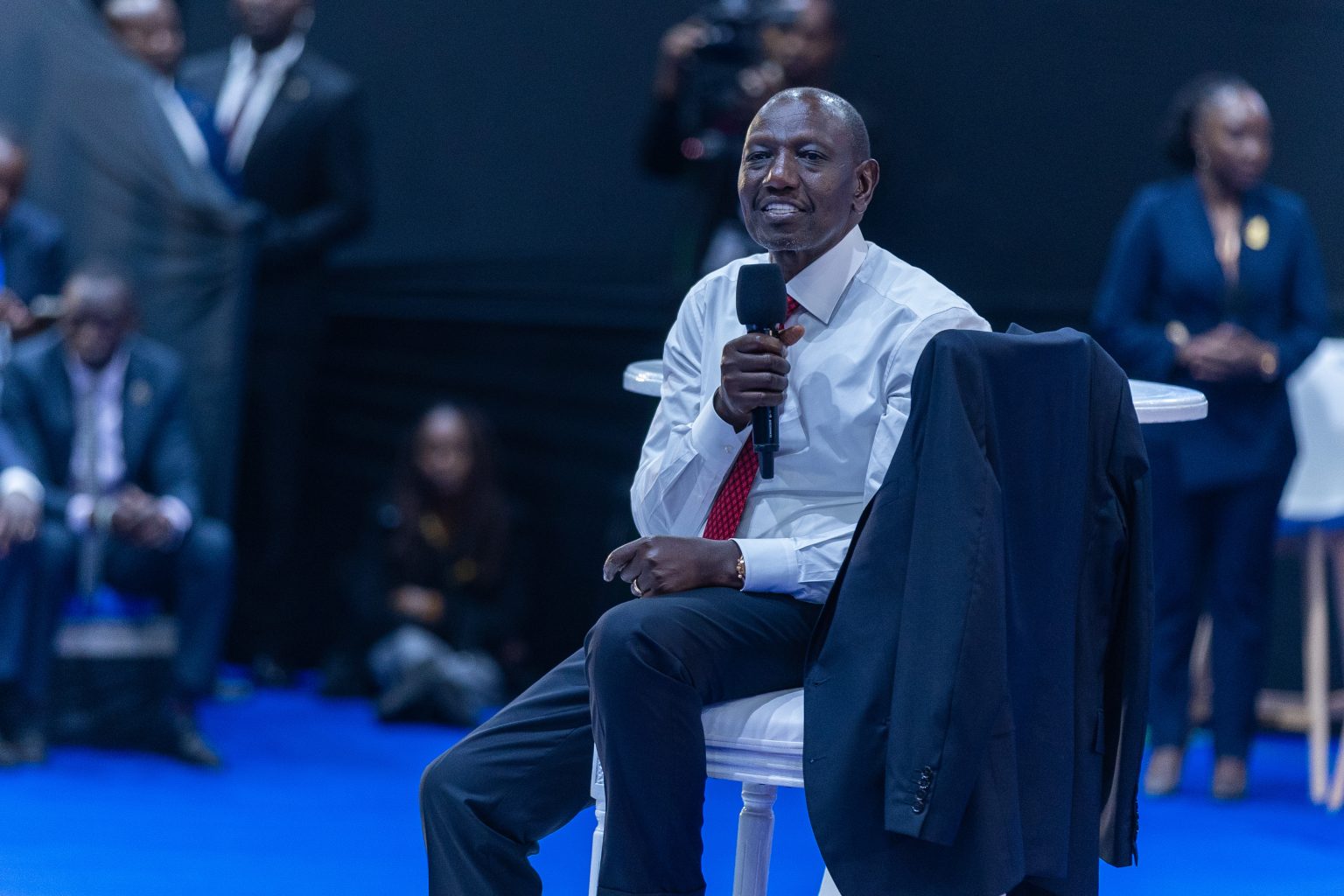
President William Ruto’s two-day Presidential Town Hall on health at the Kenyatta International Convention Centre (KICC) in Nairobi this August ended with a string of firm, dated commitments: a review of SHA’s outpatient benefit package by October 30, 2026, a fresh assessment of dialysis cover for acute kidney injury patients, expanded therapy and assistive-device cover for children with disabilities, a two-week deadline to resolve unremitted statutory deductions for health workers, and a week-long timeline to settle the absorption of former UHC staff into permanent and pensionable terms.
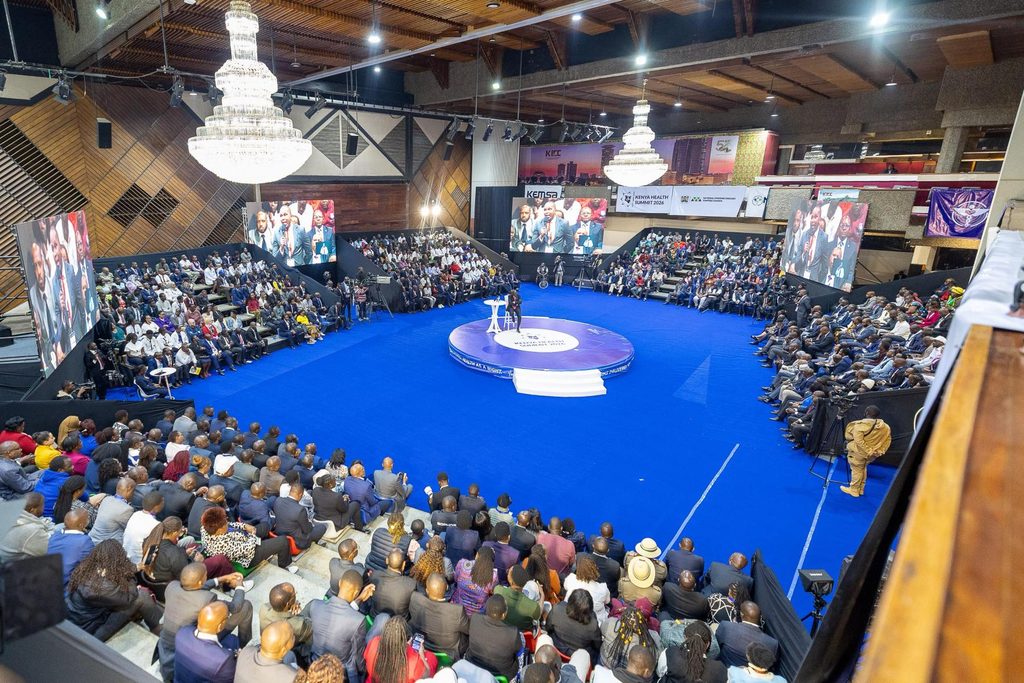
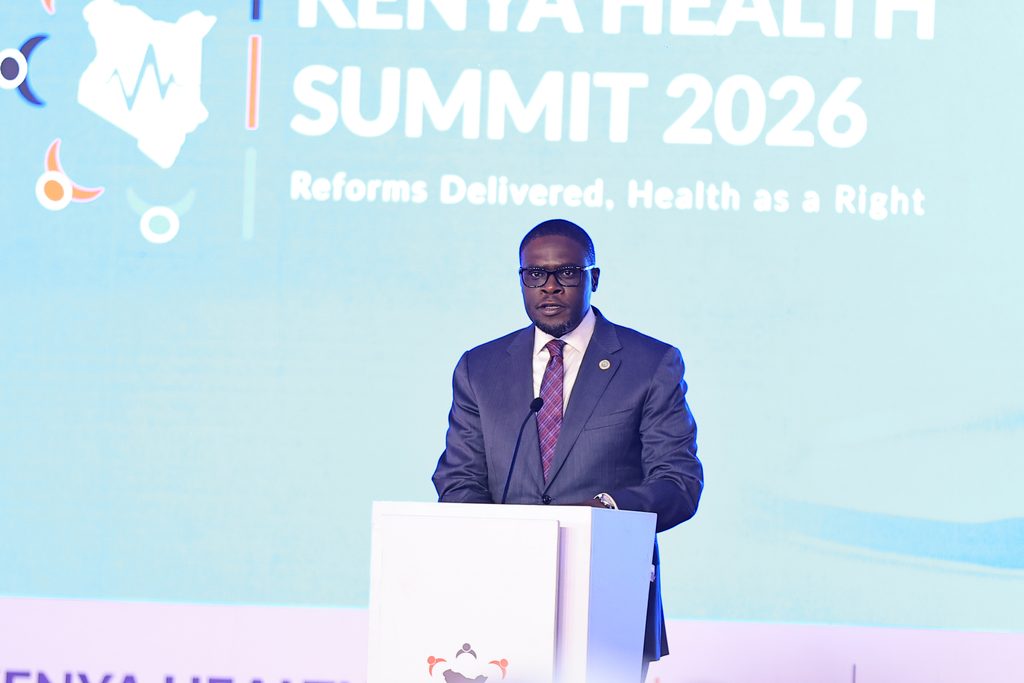
The town hall was part of the 2026 Kenya Health Summit, the inaugural event billed as a genuine listening session on the country’s healthcare. Nurses, cancer survivors, kidney patients, pharmaceutical manufacturers, county governors and union leaders confronted the President directly, producing a candid, occasionally uncomfortable, audit of the Social Health Authority (SHA) and the wider Universal Health Coverage (UHC) agenda.
“This session is a session for me to listen to get some feedback,” Ruto said in his opening remarks, inviting attendees, both physical and virtual, to air their concerns.
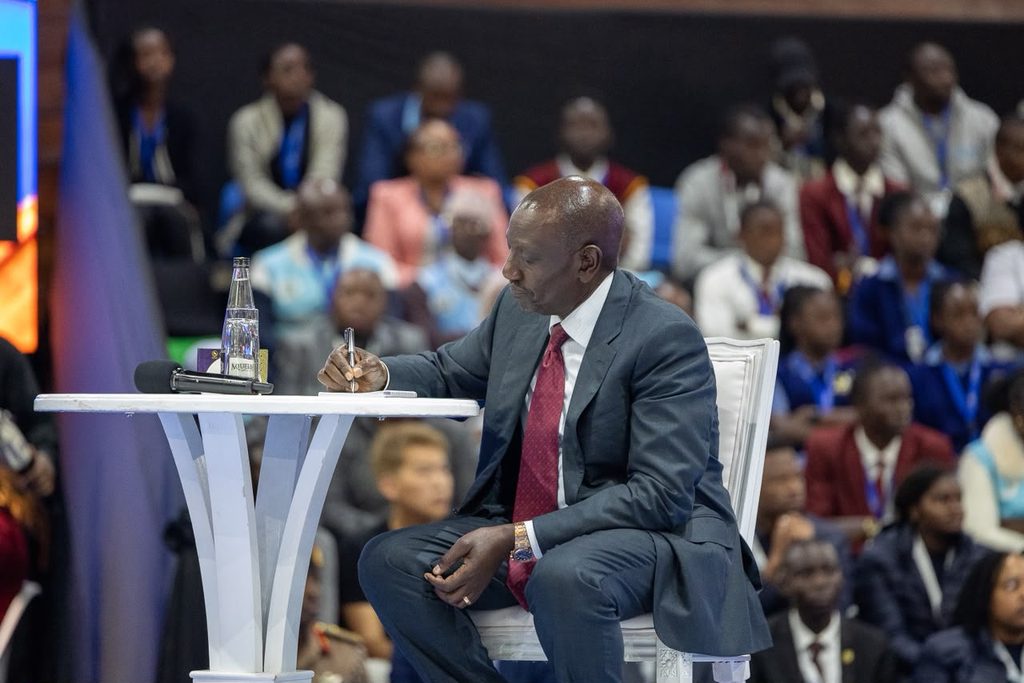
But it was ordinary Kenyans, not officials, who gave the summit its most human moments, repeatedly pulling the President into direct, personal exchanges.
Road accident survivor Joseph Mutinda Kimatu and his wife Fridah Mutinda recounted how a Ksh369,600 hospital bill across two facilities, one public, one private, was settled entirely by SHA. “No single cent to be paid for that service,” Kimatu told the President, crediting the scheme with covering complex trauma care without pushing his family into debt.
Seven thousand to 10,000 people currently on dialysis owe their lives to the Social Health Authority
Esther, a stage-four breast cancer survivor now in her fourth year of treatment, gave one of the day’s most moving testimonies. She described how the cost of a critical cancer drug fell dramatically after government negotiation with a pharmaceutical manufacturer. “Cancer patients’ treatment is very expensive,” she said, crediting the price cut, from Ksh135,000 to Ksh40,000 for a course of treatment, to a memorandum of understanding the Ministry of Health signed with manufacturer Roche.
Her account turned an otherwise procedural review of benefit packages into a reminder of what those packages mean for a patient fighting for her life.
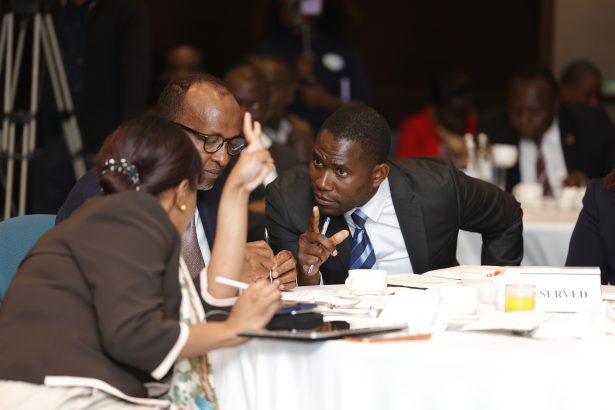
John Gikonyo, President of the Renal Patients Society of Kenya and a kidney transplant recipient himself, has lived through both dialysis and transplant and pointed out that “The 7,000 or 10,000 people currently living on dialysis literally owe their lives to the Social Health Authority, and we don’t take that for granted.”
Yet he did not hold back on the scheme’s shortcomings, particularly around acute kidney injury, where patients admitted to hospital are currently limited to a single dialysis session rather than the recommended intensive course. “We are saving Ksh50,000 or Ksh60,000 at the risk of sending this patient to full-time dialysis, for which we will need Ksh1.1 million per year,” he warned, arguing for smarter, evidence-based cover rather than blanket cost-cutting.
President Ruto listened to each account before responding with fiscal caution. “We must, for every commitment we make… work out the numbers, and we must be able to pay for it, otherwise we can’t make this progressive,” he said, a line that recurred throughout the two days as officials weighed ambition against affordability.
Plans to cover diapers for children with disabilities should conclude by end of October
SHA CEO Dr Mercy Mwangangi delivered the summit’s single most consequential commitment, addressing complaints that outpatient visits at level five and six hospitals, costing patients around Ksh1,500 per visit, are not adequately covered by SHA, unlike primary care at lower-tier facilities.
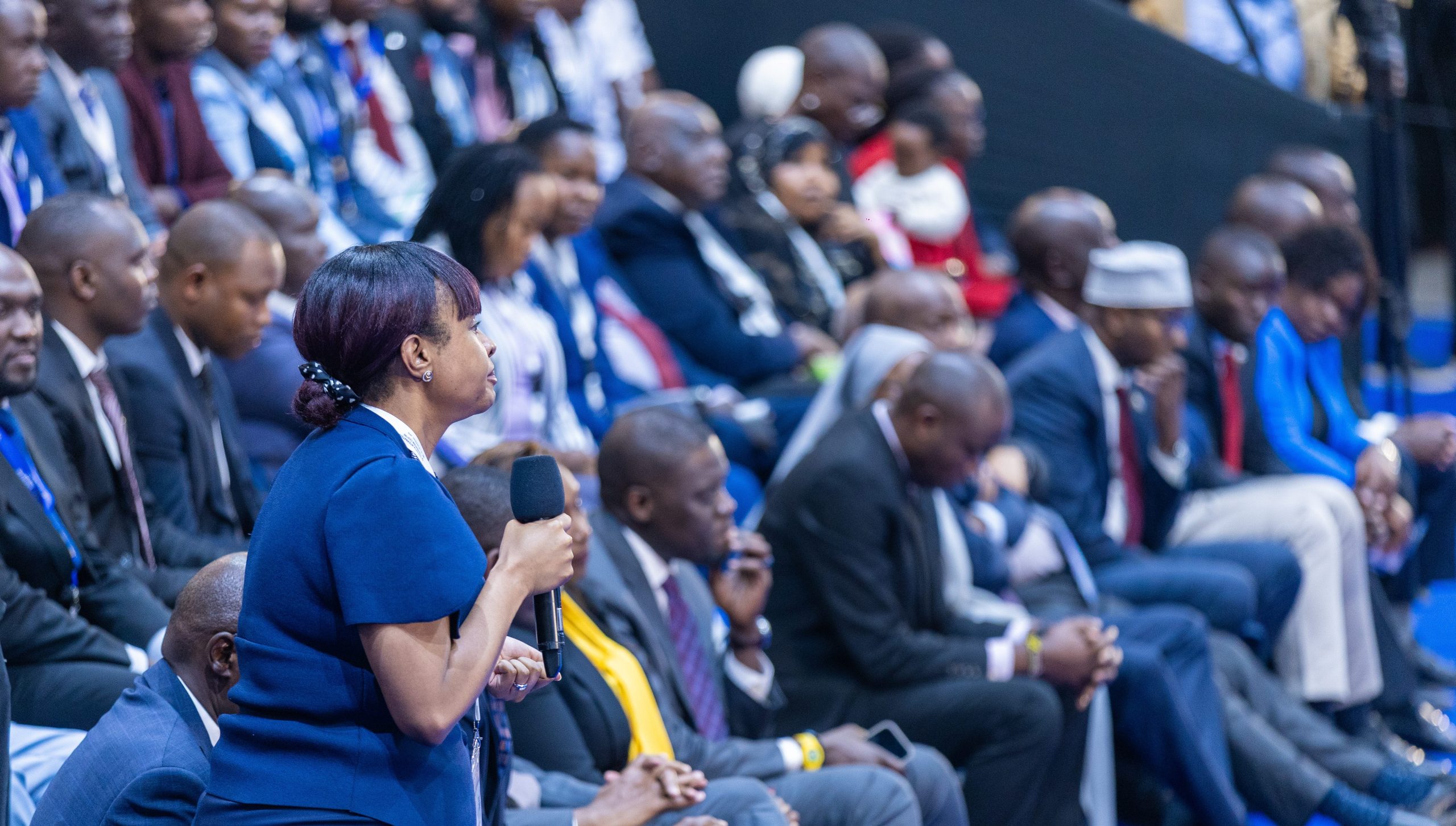
She said SHA is reviewing the outpatient benefit package and would present a firm plan for reducing those costs by October 30. She also promised a formal assessment, done jointly with kidney specialists, of whether extending dialysis cover for acute kidney injury patients could prevent progression to costlier lifelong chronic dialysis, echoing Gikonyo’s appeal directly. Responding to an emotional plea from a caregiver named Sharon, who described the daily struggle to access therapy and diapers for children with disabilities such as spina bifida, Dr Mwangangi acknowledged, “A child who has spina bifida… requires care for life,” and promised to gradually expand cover for occupational therapy, speech and language therapy, and assistive devices for such children.
Plans to cover diapers for children with disabilities are already under way and should conclude by the end of October. A further review was requested into anticonvulsant medication, after a young epilepsy patient noted that some essential anti-seizure drugs are not always free at facility level.
Nairobi Governor Johnson Sakaja offered one of the summit’s most striking admissions, describing what he called the “weakest link” in the health system: staff quietly redirecting patients to private chemists for a kickback, even when the required medicine is available on site. “Somebody told him hakuna [there is none], and there’s a chemist across the road, because either they own that chemist or they’re getting a cut from that chemist,” he said, describing an incident at Mama Lucy Kibaki Hospital he investigated personally. His proposed fix was a citizen-facing helpline to verify in real time whether medicine or equipment is genuinely unavailable.
Health Cabinet Secretary Aden Duale echoed the concern, urging Kenyans not to be duped into paying out of pocket. “Do not fall into the trap when you are told the system is down, so that you pay out of pocket,” he cautioned, promising closer monitoring of facilities reporting frequent system outages.
It is not correct that a healthcare worker provides service to others from which they themselves cannot benefit
If there was a moment of real tension, it came from the unions. Nurses’ union representatives, among them the Secretary-General of the Kenya National Union of Nurses (KNUN), Seth Panyako, laid out grievances well beyond SHA, including unpaid July and August salaries in several counties, unremitted statutory deductions locking health workers out of the very cover they administer for patients, and an unimplemented 2017 Collective Bargaining Agreement that has triggered repeated strikes. “As we speak today, health workers have not been paid salary for July… How do you expect these health workers to go to work, to feed their children, to pay rent?” he paused.
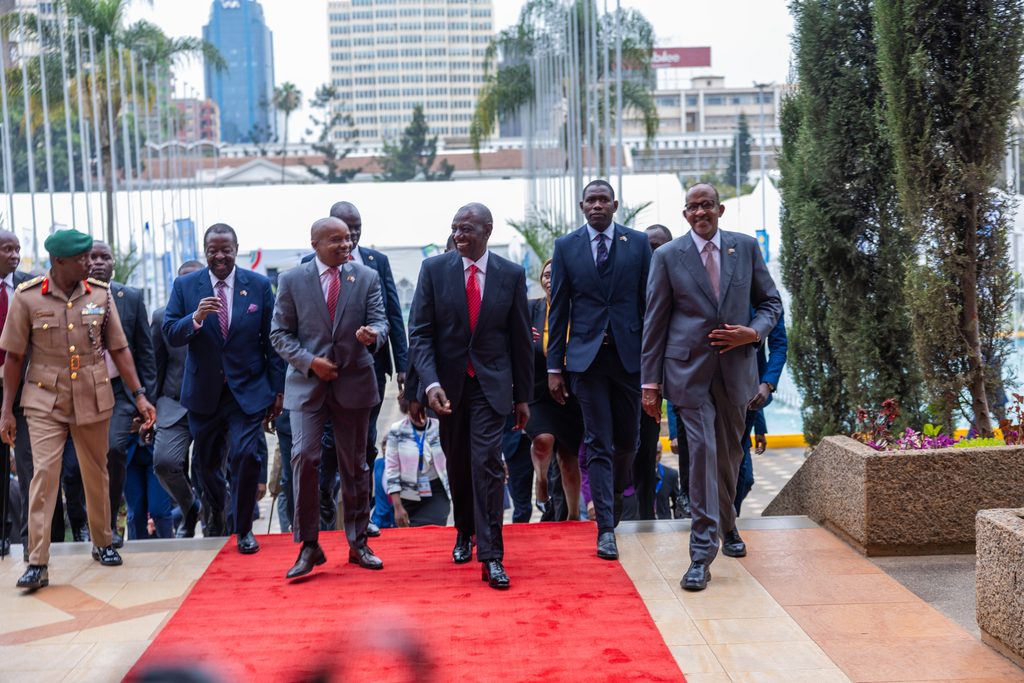
Peterson Wachira, national chair of the Kenya Union of Clinical Officers, pressed for a joint national-county authority, under Article 189 of the Constitution, to manage health human resources uniformly across all 47 counties.
President Ruto promised to meet the unions and sort out the delays. “If today is the 19th … and July salaries have not been paid, there is a problem, you know. So, we need to tidy up that.” He was firm on the principle at stake: “It is not correct that a healthcare worker is providing a service to others which they themselves cannot benefit from; it’s a contradiction.” He set three deadlines: resolving statutory deductions with the Treasury within two weeks, bringing in the Salaries and Remuneration Commission on CBA talks, and settling the absorption of former UHC staff into permanent terms within a week.
Council of Governors Chair Ahmed Abdullahi noted the scale of progress since devolution, with county doctor numbers rising from around 900 in 2013 to nearly 5,000 today, while conceding that salary transition problems between financial years remain a genuine irritant to be tackled at an Intergovernmental Budget and Economic Council (IBEC) meeting.
Pharmacist Dr David Maina, speaking for local manufacturers, warned that universal coverage counts for little without a resilient medicine supply chain. “If another COVID came, would Kenya be prepared? How prepared are we if we are importing 70 per cent of our medicines? It is a big security threat to this country,” he said, calling for tax relief, faster drug registration and prompt KEMSA payments. KEMSA’s CEO confirmed local manufacturers now supply 52 per cent of procurement, with a billion-shilling facility being finalised to speed up payments.
The summit was less about policy language than about being heard directly by the President
The summit’s most philosophically significant moment came last, from Dr Githinji Gitahi, Group CEO of Amref Health Africa and Co-Chair of UHC2030, who gently reframed the entire conversation. “This is not President Ruto’s scheme; this is actually something owned by Kenyans,” he said of SHA, warning that Kenya’s health financing will never match wealthier nations’ spending. “We cannot get ourselves out of healthcare with money.” He pushed instead for investment in community health promoters, primary care and food regulation, pointing to unchecked sugar marketing to children and unregulated trans fats as silent drivers of the diabetes, hypertension and kidney failure now straining SHA.
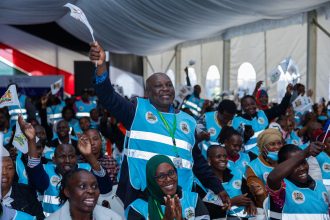
President Ruto closed the summit by fully embracing that direction. “We now need to build capacity for our community health promoters… It cannot be on stipend. It has to be in a different format,” he said, committing to elevating preventive and promotive health as a pillar of the “Kenya Beyond 2030” health agenda.
For Kimatu and his wife, for Esther, and for Gikonyo, the summit was less about policy language than about being heard directly by the President, and about a system that, for all its gaps, had already changed the course of their lives. Kenyans have heard similar promises before, and many have gone unmet.
But Dr Mwangangi’s firm 30 October deadline, alongside the personal stakes laid bare by the patients who spoke, gives the public a concrete date and human faces against which to judge whether this town hall marked a genuine turning point.
We believe in the free flow of information
Republish our articles for free, online or in print, under Creative Commons licence.