

More money has been paid to hospitals, more ICU beds have been added, and Kenya’s health leaders are now being asked: after four years of reforms, are patients really getting better care?
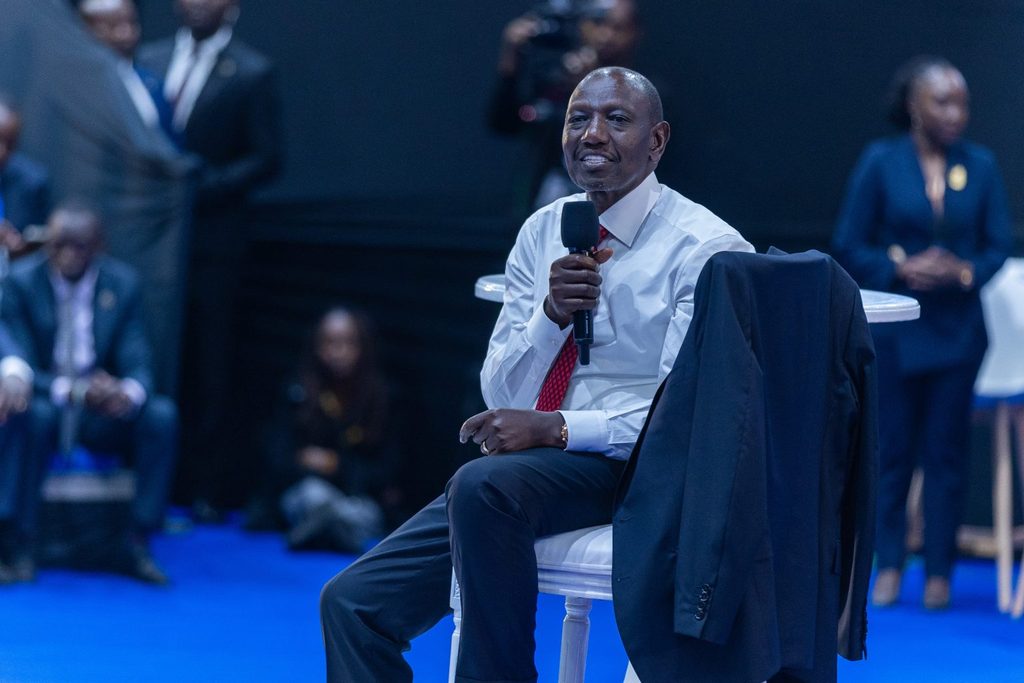
Willow Health Media brought Kenya’s health leaders, county governments, hospital managers and the public into one room as President William Ruto secured a series of public commitments during a three-hour Presidential Town Hall on August 18, 2026. Hospital chief executives and county officials reported significant increases in reimbursements following the transition from NHIF to SHA.
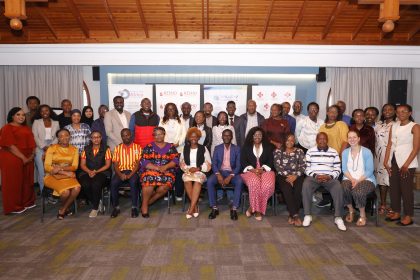
The session, part of the inaugural Kenya Health Summit, brought together international health organisations, government agencies, the Health Cabinet Secretary and Principal Secretary, county governments, healthcare workers, community health promoters and members of the public.
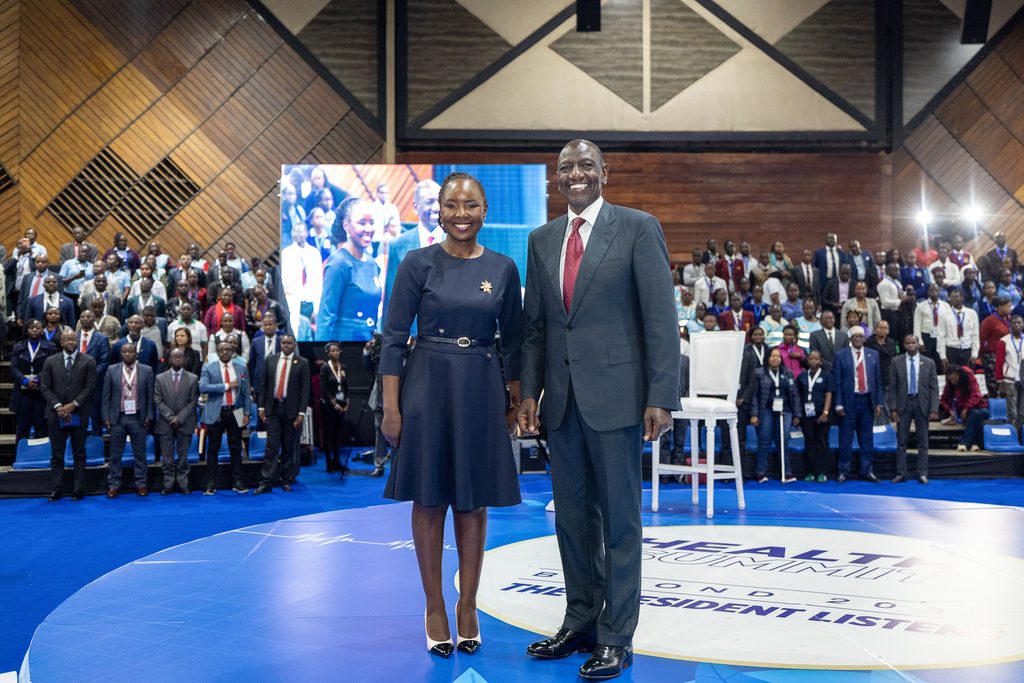
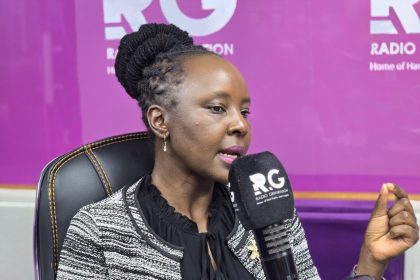
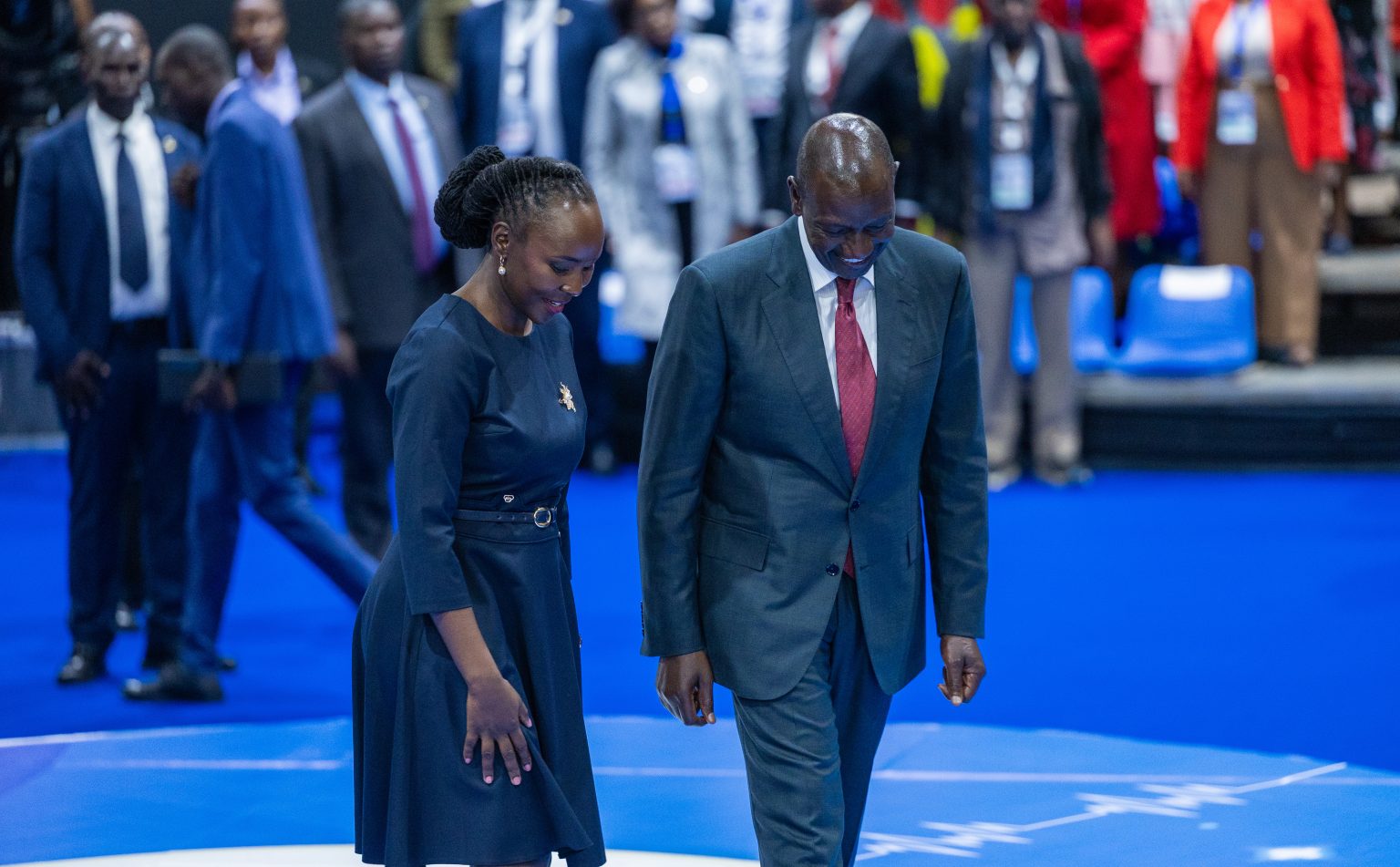
President Ruto co-moderated the session with Willow Health Media CEO and Editor-in-Chief Dr Mercy Korir, taking questions directly from the audience and turning the town hall into a live public conversation on the progress, gaps and future of Kenya’s health reforms.
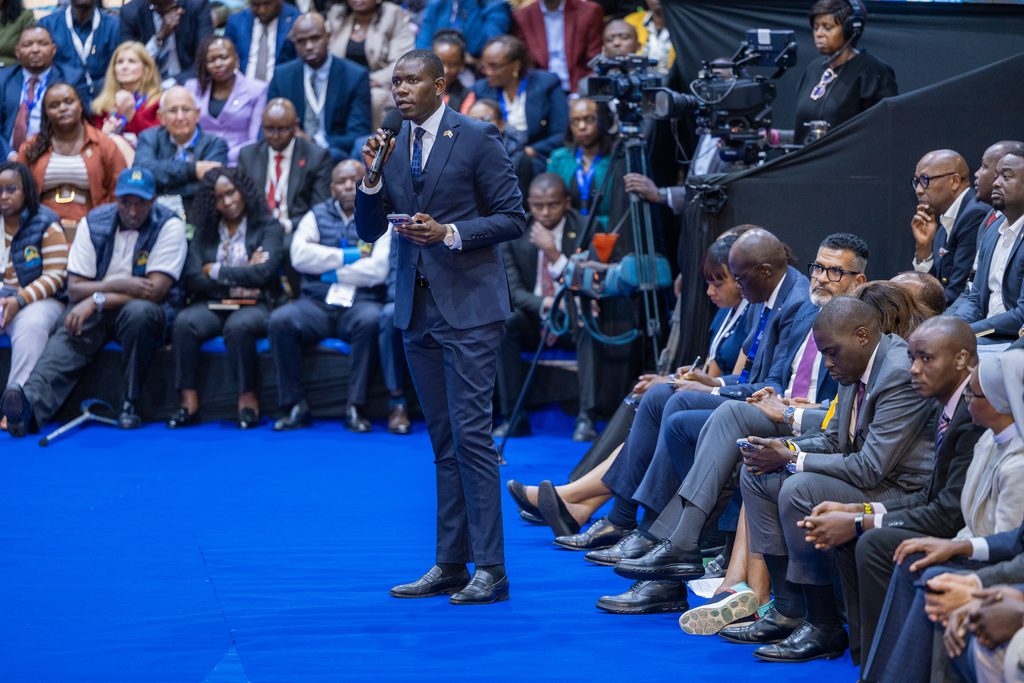
Departing from a prepared address, the President called on facility managers, county health executives, hospital chief executives, technical suppliers and civil society representatives to respond in real time, with supporting figures retrieved on request. He opened by reiterating the mechanics of the SHA framework: every facility that attends to a patient is reimbursed at month-end, funded by a contribution rate of 2.75 per cent of income, a rate he contrasted with comparable schemes elsewhere that levy as much as 15 per cent.
Riruta Health Centre Manager Alice Ndwiga, in Nairobi, reported monthly reimbursements rising from approximately Ksh200,000 under NHIF to between Ksh5.5 million and Ksh6 million under SHA, funding two laboratory machines and expanded theatre capacity. Gladys Chebet, facility in charge at a health centre near the Technical University of Kenya, said the additional funding had enabled procurement of a full haemogram machine and restocking of a previously under-supplied pharmacy, alongside a non-communicable disease clinic now serving 1,600 clients.
All CHPs nationwide, their dependants, to be enrolled under SHA cover, funded by the national government
Community health promoters, previously unpaid or informally compensated, cited a national stipend of Ksh2,500, rising to Ksh6,000 in Nairobi inclusive of county top-ups. President Ruto announced that, effective the following Monday, all community health promoters nationwide, together with their dependants, would be enrolled under SHA cover, funded by the national government.
Principal Secretary for Medical Services Dr Ouma Oluga reported the supply of 52 digital X-ray machines, 72 ultrasound units, six mammogram machines and 39 CT scanners, and the renovation or equipping of 67 theatres and 157 laboratories nationally, an investment valued at more than Ksh2.3 billion, including four specialised urology theatres and four ENT theatres.
Kenyatta National Hospital Chief Executive Officer Dr Richard Lesiyampe cited a new CT scanner and linear accelerator that had substantially reduced radiotherapy wait times, previously as long as 200 days. Tenwek Hospital, a level six cardiothoracic referral centre in Bomet County, reported SHA-linked revenue in the hundreds of millions of shillings annually, funding expanded specialist services.
Governors and county health executives addressed concerns over the pace of SHA registration and reimbursement. Nairobi Governor Johnson Sakaja reported health receipts rising from Ksh700 million in 2022 to Ksh2.6 billion last financial year, a 271 per cent increase, with a Ksh3.2 billion target this year. He attributed the funding to Nairobi’s first neonatal ICU at Mbagathi Hospital and a paediatric ICU at Pumwani, taking Nairobi’s ICU capacity from zero beds in 2022 to 43 today. Pumwani Maternity Hospital’s leadership reported zero maternal mortality for the period under review.
A person with albinism questioned why sunscreen, a medical necessity not cosmetic product, was excluded from SHA
Deputy Governor of Lamu County, Dr Mohamed Mbarak Bahjaj, said a specialised surgical procedure that once required patients to travel to Mombasa at a personal cost of Ksh500,000 to Ksh700,000 is now performed locally, with SHA reimbursing the facility Ksh150,000 directly at no cost to the patient.
Mombasa Governor Abdulswamad Nassir, chair of the Council of Governors’ health committee, said the county had standardised caesarean section reimbursement at Ksh30,000 across public, private and faith-based facilities, up from a previous high of Ksh17,000 paid exclusively to Kenyatta National Hospital. He reported Mombasa’s SHA registration rate at 84 per cent, revised upward from 82 per cent cited earlier in the summit, and stated the county had achieved universal health coverage.
Kilifi’s governor reported KEMSA order fulfilment rising from between 38 and 40 per cent to 70 per cent, against a national fill rate officials placed at 91 per cent overall, up from approximately 40 per cent previously. Theatre capacity at the county’s referral hospital had grown from two to five.
Loise, who identified herself as a person with albinism speaking on behalf of people with albinism and vitiligo, questioned why sunscreen, which she characterised as a medical necessity rather than a cosmetic product, remains excluded from the SHA benefit package. President Ruto committed to addressing this within a benefits review due by the end of October, a timeline also applied to a separate request on incontinence supplies for older patients.
SHA still addressing implementation challenges, uneven registration rates, disputed benefit packages and county-level salary bottlenecks
The most pointed exchange came from Dr Davji Atellah, Secretary General of the Kenya Medical Practitioners, Pharmacists and Dentists Union, who stated that of thirteen commitments made to health workers, only two had been fully honoured.
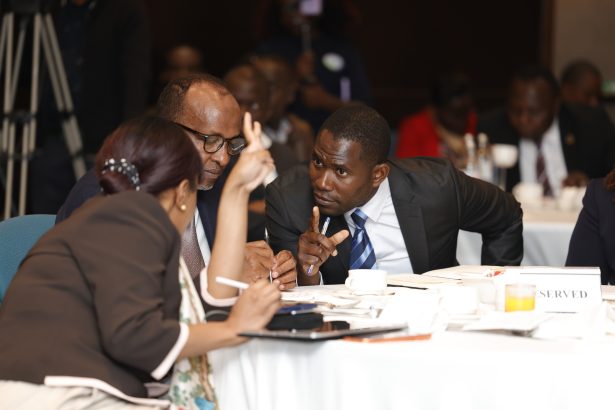
President Ruto disputed this, placing the figure at eleven of thirteen commitments met, or 85 per cent, citing the hiring of 4,000 additional workers at national referral hospitals and 28,174 health workers hired at county level since 2022. Both parties agreed that salary delays affecting 33 counties remained unresolved, with the National Treasury confirming funds had been disbursed in July, leaving implementation pending at county treasuries and controllers of budget.
Collectively, the accounts presented indicated a system still addressing implementation challenges, including uneven registration rates, disputed benefit packages and county-level salary bottlenecks, but underpinned by a financing architecture that facility managers, county governments and hospital administrators independently described as materially distinct from the NHIF-era model it replaced.