


Pneumococcal disease killed nearly 8,000 older Kenyans in a single year. The vaccine that could help costs Ksh7,000 out of pocket.
Kenya’s cold season is driving up cases of flu, pneumonia and asthma, and health experts warn the country’s elderly are especially exposed because no publicly funded vaccine exists to protect them. While children under five are covered against pneumococcal disease through the national immunisation programme, adults, including the roughly 3.2 million Kenyans aged 60 and above, have no equivalent shield, despite growing global evidence that a single vaccine dose could prevent much of the illness now filling hospital wards.
The gap is playing out at the worst possible time. The Kenya Meteorological Department (KMD) has confirmed that July marks the peak of the country’s cold season, with the Highlands East and West of the Rift Valley recording mean daily temperatures of 22°C to 24°C and chilly nights averaging 10°C to 13°C this month. Nyahururu Meteorological Station recorded the country’s lowest minimum temperature, 4.2°C, on 7 July 2026. Nairobi, the Highlands East and West of the Rift Valley, and the South-Eastern Lowlands are expected to record the coldest mornings through August.
According to KMD, cold, cloudy and damp conditions “may increase the incidence of acute respiratory infections, including influenza, pneumonia, common colds, and bronchitis,” adding that cooler temperatures “impair the body’s respiratory defences and promote indoor crowding, thereby enhancing the transmission of respiratory pathogens.” The department has listed Nairobi, Nyandarua, Nyeri, Murang’a, Kiambu, Kericho, Nandi, Uasin Gishu, Elgeyo Marakwet, Bomet and Narok among the highland counties most at risk, and has urged residents to dress warmly and avoid using charcoal jikos in poorly ventilated rooms, due to the risk of carbon monoxide poisoning.
Dr Billy Lubanga, a clinical and research immunologist and infectious diseases specialist who also serves as Acting Chief Officer of Health, Preventive and Promotive Services in Uasin Gishu County, told Willow Health Media that ageing immune systems are central to the risk. “As people age, the immune system undergoes a gradual decline known as immunosenescence.
Pneumonia, influenza, other lower respiratory infections more severe in people over 60 than in younger adults
Older adults produce a weaker antibody response to new infections and to vaccines; their airway clearance mechanisms become less efficient, and chronic low-grade inflammation leaves the body less able to mount a rapid, effective defence when exposed to cold stress and respiratory pathogens,” he explained. This, he said, is why pneumonia, influenza and other lower respiratory infections are more frequent and more severe in people over 60 than in younger adults.

Underlying illness compounds the danger. “Cold weather aggravates existing conditions. Older persons living with chronic obstructive pulmonary disease (COPD), asthma, heart failure, hypertension, diabetes, or malnutrition are far more likely to decompensate when exposed to cold, damp conditions and indoor air pollution from cooking fires,” Dr Lubanga said.
Cold air triggers bronchospasm, the sudden tightening of the muscles lining the airways, causing wheezing, coughing and shortness of breath, and also increases the workload on the heart. “These are reasons why we see a spike in both respiratory and cardiovascular admissions during this season. This is also why our facility preparedness measures place emphasis on early triage for elderly patients with any of these underlying conditions,” he added.
In its seasonal weather alert, KMD’s biometeorology branch urged Kenyans, particularly older adults and children, to stay warm and, where possible, access preventive vaccination for pneumococcal disease. Lubanga said Streptococcus pneumoniae remains among the leading causes of pneumonia, and by extension, severe illness and death, in older adults with chronic conditions.
“Global evidence supports adult pneumococcal vaccination as an effective way to reduce the incidence of invasive pneumococcal disease, hospitalisation, and mortality in this age group,” he said, adding that in settings like Uasin Gishu, where cold-season respiratory illness strains facilities, vaccinating the most vulnerable would meaningfully complement existing risk-communication and readiness measures.
There is no financing or reimbursement scheme for an adult pneumococcal vaccine
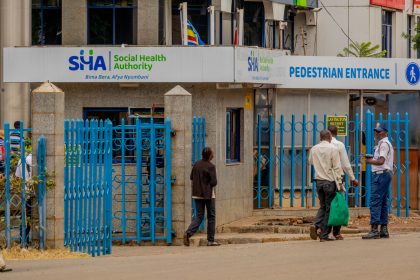
The problem is that this protection barely exists in Kenya outside private clinics. The Kenya Expanded Programme on Immunisation (KEPI) covers only children, using the PCV10 vaccine introduced in 2011. There is no financing or reimbursement scheme for an adult pneumococcal vaccine, whether through the Social Health Authority (SHA) or most private insurers, and the vaccine is not available in government health facilities at all.
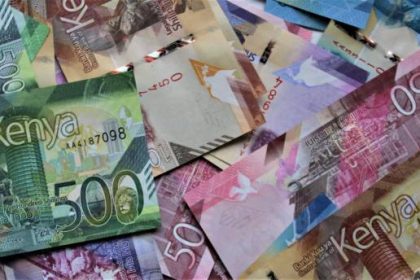
A spot check by Willow Health Media found adult pneumococcal vaccines priced between Ksh7,000 and Ksh8,000 depending on provider and type: My Dawa pharmacy retails Prevenar 13 (PCV13) at Ksh7,299, Drugmart Kenya sells Pneumovax 23 (PPV23) at Ksh8,180, and private travel and vaccination clinics offer PCV13 at about Ksh7,800, prices that put the vaccine out of reach for most older Kenyans on a pension or no income at all.
Wealthier countries have gone the opposite direction. The US Centres for Disease Control and Prevention now recommends pneumococcal conjugate vaccination for all adults aged 50 and above, having lowered the threshold from 65 in 2024. Australia went further still: from July 2026, an additional 1.8 million vulnerable adults, including everyone 65 and older, became eligible for a free 21-valent pneumococcal vaccine under its National Immunisation Program. Kenya’s KEPI programme is understood to be tracking these shifts, but no adult rollout has materialised.
Routine vaccination focused on infants, young children, while the elderly head into the coldest months
Asked whether an adult pneumococcal vaccine should be subsidised and added to Kenya’s national schedule, Dr Lubanga acknowledged there is “a reasonable and growing case” for Kenya to examine adult immunisation more seriously, in line with the direction many countries have taken in extending pneumococcal and influenza vaccination to older adults and other high-risk groups.
He said such a move would need to weigh cost, vaccine supply, and delivery platforms for adults, who lack the same routine contact with health services that infants have through clinics, alongside competing priorities within the immunisation budget. “As county-level implementers, we would welcome clearer national guidance and, if a subsidised adult pneumococcal vaccine programme were introduced, we are ready to support its rollout through our existing facility and community health promoter network,” he said.
For now, the decision sits with the Ministry of Health and the National Vaccine Immunisation Programme, whose routine schedule remains focused on infants and young children, while the country’s oldest and most vulnerable citizens head into the coldest months of the year with no publicly funded protection against one of their biggest threats.