

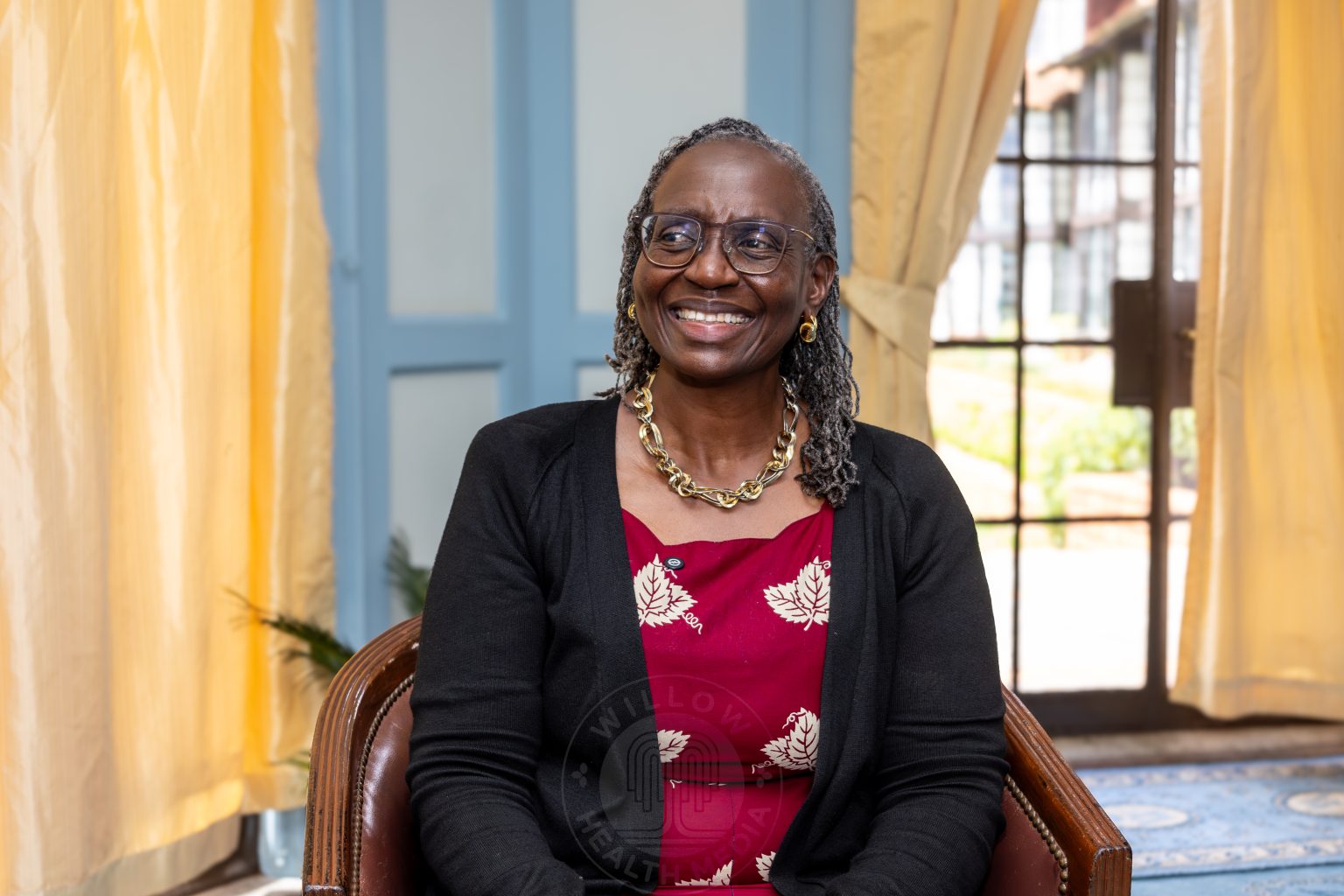
Prof Elizabeth Bukusi watched patients die without treatment in a border town she calls ‘the route of death.’ That suffering became the fuel behind decades of HIV and maternal health research.
At 64, Prof Elizabeth Bukusi still lifts weights at the gym several times a week, not for medals or to prove anything, but because physical, mental and emotional strength allows people to keep going long after others have stopped.
For more than a decade, weightlifting has been part of her routine after an ankle injury threatened to interrupt her fitness sessions. Rather than stop moving, she adapted. She lifted weights instead, kept lifting, then competed, and even after leaving competition behind, never abandoned the discipline that came with it.
In many ways, Prof Bukusi’s life mirrors the very essence of weightlifting itself: carrying immense pressure, pushing beyond limits and developing strength through resistance. Only that for her, the heaviest burdens have never been weights, but the lives of women dying during childbirth, the devastation of the HIV epidemic, the emotional weight of watching patients suffer without treatment, and the responsibility of shaping medical research across Africa.
As Chief Research Officer at the Kenya Medical Research Institute (KEMRI), Prof Bukusi has spent decades at the forefront of women’s health research, HIV prevention, mentorship and global health leadership. She has trained generations of scientists, advocated for African voices in international research spaces, and dedicated her career to ensuring women’s health is no longer ignored.
Long before she became a renowned researcher, Prof Bukusi wanted to be a teacher. Growing up, she imagined herself shaping minds and nurturing futures. Medicine was never part of the original plan, but for many high-performing Kenyan students of her generation, excelling in sciences saw the education system steering them toward medicine or pharmacy.
The smell of formalin from preserved cadavers followed students everywhere after difficult anatomy classes
Her father encouraged her to pursue medicine. University education at the time was government-sponsored, while early childhood education courses would have required her parents to pay privately. “He told me, go try one term, if you don’t like it, I will pay for you to study what you want.”
What her father understood, perhaps before she did, was her resilience. “He knew I don’t quit easily,” she says.
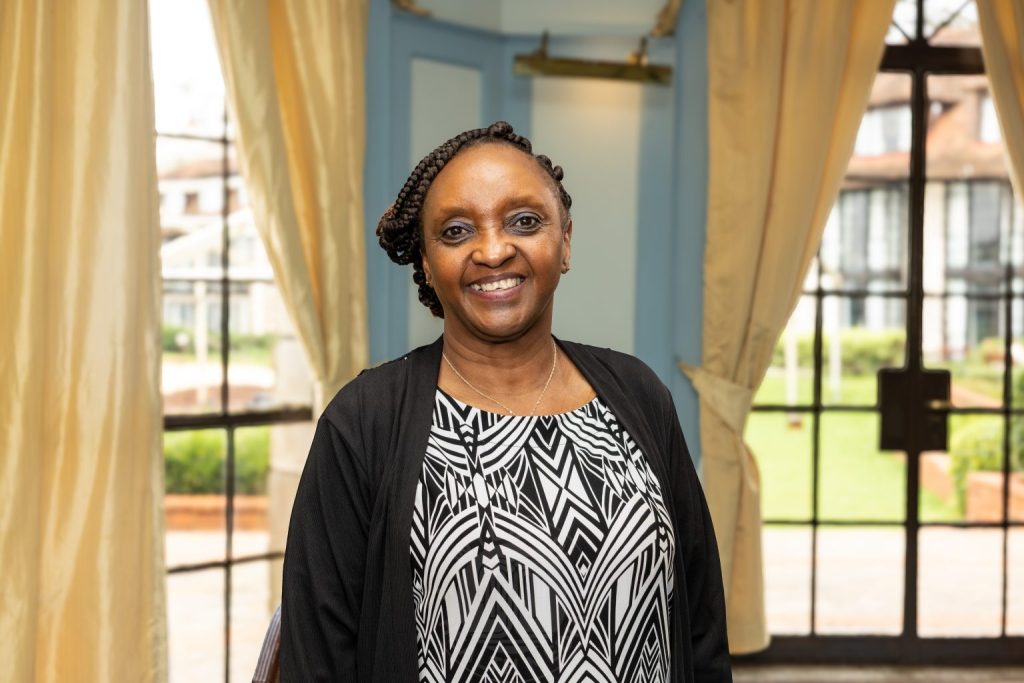
That resilience was tested in difficult anatomy classes where the smell of formalin from preserved cadavers followed students everywhere. There were moments she questioned whether she truly belonged, but “I decided I would at least finish first year well enough that if I quit, people would know I left because I chose to and not because I couldn’t pass.”
She never quit. Instead, she discovered that medicine would become more than a profession. It would become a calling, with paediatrics as her future, as children still mattered deeply to her and caring for them felt natural.
But she was emotionally overwhelmed during her internship at Kenyatta National Hospital (KNH), where sick children and losing patients devastated her. She found herself affected by every burn injury, every delayed hospital visit, every preventable illness. “I would get upset with parents who brought children late. I would ask them, ‘Why didn’t you come earlier?'”
The emotional toll became unbearable. After the internship, she was posted to Busia District Hospital at the Kenya-Uganda border at a time when HIV was tearing through East Africa. Treatment did not exist. An HIV diagnosis was essentially a death sentence. Busia, a bustling border town along major transport routes into Uganda and the Democratic Republic of Congo (DRC), sat directly in the epidemic’s path. Truck drivers, long periods away from families and sex work along transport corridors, accelerated transmission. “It was literally a death route,” she recalls.
Women arrived on wheelbarrows after prolonged labour, some died from ruptured ectopic pregnancies
At the hospital, the epidemic revealed itself in horrifying ways. Children arrived gasping from severe malaria, requiring emergency blood transfusions. Parents donating replacement blood were increasingly testing HIV-positive. Within a year, the proportion of discarded blood units due to HIV infection had doubled dramatically.
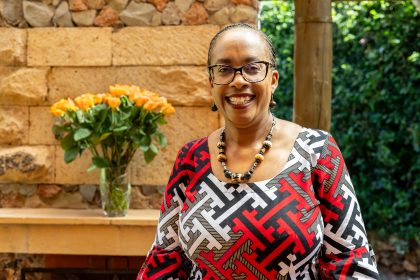
Working in maternal health wards exposed her to a parallel crisis. Women arrived after prolonged labour, some transported on wheelbarrows after spending days at home. Some died from ruptured ectopic pregnancies. Others succumbed to complications that could have been prevented with timely care.
“The loss of a mother is devastating. It is not just her but the children she leaves behind,” Prof Bukusi says quietly. “There is no single reason that a woman should die while giving birth.”
What drew Prof Bukusi into research was not prestige or academia but suffering. The early HIV years were brutal for healthcare workers. Protective equipment was limited, post-exposure prophylaxis did not yet exist, and during surgeries doctors frequently discovered torn gloves only after procedures were over. “You would remove your glasses and see blood splashes on them,” she recalls.
Patients enrolled in HIV prevention studies would sometimes test positive during screening
Healthcare workers improvised safety measures. Double-gloving reduced sensitivity during surgery, increasing the risk of accidental needlestick injuries. Doctors learned to avoid guiding needles with fingers to minimise such incidents.
The hardest part was helplessness. Patients enrolled in HIV prevention studies would sometimes test positive during screening, instantly becoming ineligible for research participation. Researchers then had to deliver devastating news to people for whom no treatment existed, essentially issuing a death sentence.
That helplessness fuelled her determination to find solutions. Research, for her, became a tool for hope. Eventually, through support from the US President’s Emergency Plan for AIDS Relief (PEPFAR), her research team began offering treatment to HIV-positive patients. The transformation was extraordinary. People who had expected to die could live. Children infected at birth could go to school, families could plan futures, and women could give birth without fearing transmission to their babies.
“The difference between when there was treatment and when there wasn’t was like day and night.”
Despite decades of progress, Prof Bukusi remains deeply concerned about HIV trends among younger populations, particularly in urban centres like Nairobi. While prevalence rates have declined significantly in regions such as western Kenya, infections among young people in cities are rising again. Part of the problem, she says, is behavioural. Young people today did not witness the terrifying early years of the epidemic and do not carry the same fear older generations did. Social structures have also changed, with young people moving to cities, often losing the community accountability systems that once shaped behaviour.
Young women avoid HIV prevention pills because bottles are bulky and noisy inside handbags
“Nobody asks where you are or what time you came home,” she warns. “The current younger generation feels it is never that serious.”
Biomedical tools such as PrEP and injectable prevention drugs now exist, but stigma and practicality remain barriers. Young women are avoiding carrying HIV prevention pills because pill bottles are bulky and noisy inside handbags. Researchers are exploring injectable options, pharmacy-based access and youth-friendly healthcare delivery.
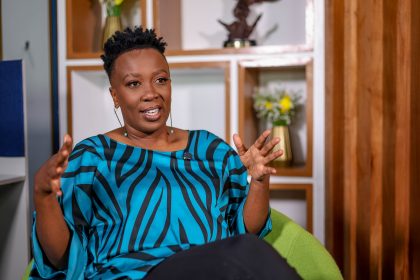
“It’s not enough to have solutions, people must actually be able to use them,” she says. “Research must now focus not only on medicines but on behaviour and accessibility. We need to ask how do we make solutions fit into people’s lifestyles.”
The clearest thread running through Prof Bukusi’s life is teaching. Though she never became the early childhood teacher she once imagined, she eventually found a bigger classroom. “Capacity building is my calling. Over the years, I have mentored countless researchers, clinicians and public health leaders across Kenya and beyond.”
Her passion for mentorship stems partly from recognising how isolating science can be, especially for African women. She often found herself the only African woman in international research spaces.
Women scientists balance research careers with caregiving, childrearing, societal expectations
“You feel like you are speaking for an entire continent. I learned to overcome cultural tendencies toward silence and politeness in global meetings dominated by louder voices. You learn not to wait to be asked for your opinion.”
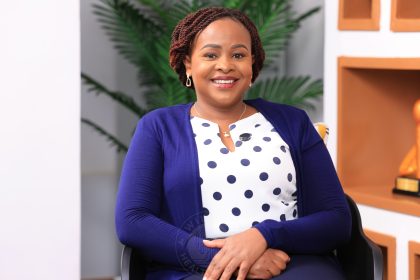
She also became deeply aware of the unique burdens women scientists carry, balancing research careers with caregiving, childrearing, and societal expectations. One of her strongest beliefs is that women in leadership must actively support younger women coming behind them. “Don’t walk alone, bring others along.”
She says her passion for education was shaped early by her family. Her mother and grandmother valued learning deeply, while her older sister, now a psychiatrist, first taught her how to write and spell her name in kindergarten.
Two international mentors also influenced her path. The late Prof King Holmes of the University of Washington encouraged her to see beyond the present and recognise people’s potential. “He saw potential in people before they saw it themselves.”
Girl who once dreamed of becoming a teacher simply found a bigger classroom
Prof Alan Ronald of Canada also guided her thinking, showing her that science and faith can go together, and that serving people can be a form of spiritual service.
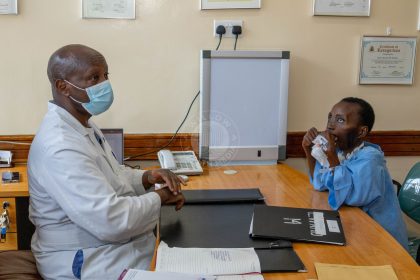
Prof Bukusi has also witnessed global attitudes toward women’s health research shift over the decades. For years the field remained underfunded and understudied, partly because women often lacked purchasing power and concerns about pregnancy frequently excluded them from clinical trials altogether. That is changing, she says, as more women enter science and more attention turns to reproductive health, menopause and cardiovascular disease in women. She has helped lead that transformation.
Her greatest accomplishment, she says without hesitation, is seeing the people she has worked with thrive. “I always feel delighted whenever I see my mentees succeeding in their own careers and making meaningful impact.”
The girl who once dreamed of becoming a teacher never truly abandoned that dream. She simply found a bigger classroom.