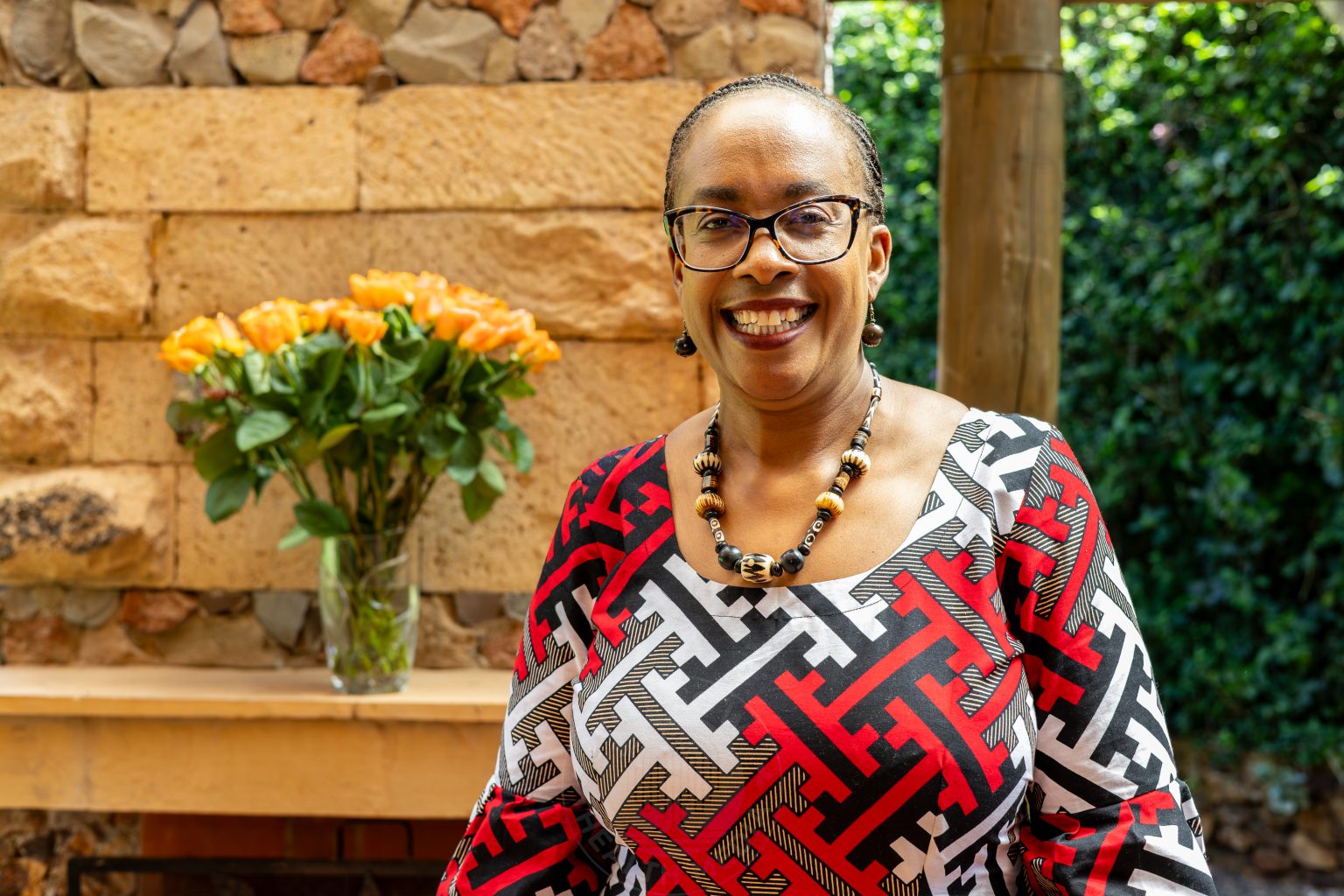
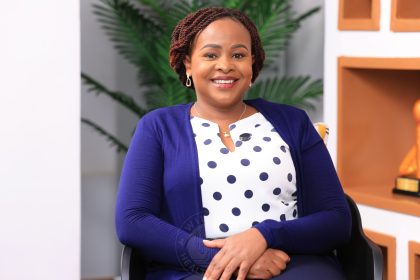
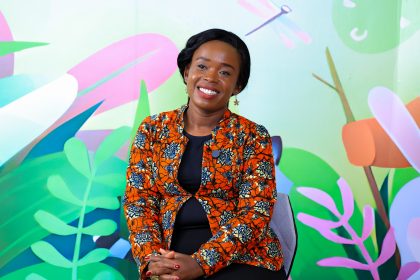
A seven-year-old’s hospital stay sparked the dream. A young girl’s preventable death made it a mission. Dr Jacqueline Kitulu, first Kenyan President of the World Medical Association, has never looked back.
When Dr Jacqueline Kitulu was seven years old, she found herself admitted to the hospital. Her uncle was a doctor, and lying in that bed, she watched healthcare professionals restore her health with a quiet competence that left a lasting impression. To her young mind, there was something almost magical about medicine. That experience planted a seed that would grow into a lifelong commitment to healing and service.
“As far back as I can remember, I always knew I wanted to be a doctor. That was the dream. The inspiration came when I was about seven years old and found myself admitted to the hospital. My uncle was a doctor, and I vividly remember the care I received and the relief thereafter,” she said.
Decades later, Dr Kitulu would become the first Kenyan President of the World Medical Association (WMA), one of Africa’s most influential voices in global health. She still finds it difficult to believe. There were no vision boards, no carefully crafted ambitions to lead the world’s physicians. What she had was a deep desire to help people, and it guided every step.
She studied at the University of Nairobi and graduated in 1998, eager to serve patients. Leadership positions, health financing discussions and global medical diplomacy were nowhere in her mind. Life had other plans.
Her internship at Kenyatta National Hospital proved transformative, though not in the way she expected. As a student, she had seen medicine through an academic lens. As an intern, she encountered the realities of an overstretched health system. Wards were overcrowded, resources were limited, and healthcare workers were forced to make difficult decisions every day.
The girl returned critically ill after complications from traditional medication. She required an ICU bed none was available
“A paediatric ward designed to accommodate 40 children could easily hold more than 100. Mothers slept on floors beside their sick children. Beds were shared, doctors and nurses worked relentlessly against impossible odds. For a young physician who believed in doing things properly and providing the highest quality of care, the experience was emotionally exhausting,” she recalled.
It was during this internship that she met Kemunto.
The young girl had been admitted to the paediatric ward suffering from severe malnutrition. Through the dedication of doctors, nurses and nutritionists, she slowly recovered. The team celebrated her progress and eventually discharged her home. Then, shortly before Dr Kitulu completed her rotation, Kemunto returned critically ill after complications from traditional medication. She required urgent intensive care, but no ICU bed was available.
For hours, the team fought to save her life. Calls were made, beds were sought, and resuscitation efforts continued. A space never became available. Kemunto died. “We all knew her. We had watched her recover. We had celebrated her getting better. Then suddenly she was gone,” Dr Kitulu recalls.
The tragedy forced her to confront a painful truth: patients sometimes die not because doctors lack knowledge or commitment, but because health systems fail them. She now understands that what she experienced then is what many healthcare workers describe as moral injury. This emotional distress comes from knowing what patients need but being unable to provide it because of systemic barriers.
By the time her internship ended, she knew she could not continue in the public sector under those conditions. She resigned from government service and moved into private practice. Yet what appeared to be an exit from public health eventually became the beginning of a much larger mission. “I ran away, but later I realised that if everyone runs away, who will fix the system?”
Public health outcomes were shaped by education, water, agriculture, infrastructure, social protection
That question became the driving force behind the next three decades of her career. While continuing to practise medicine, she began volunteering her expertise across the health sector. She served on regulatory bodies, healthcare boards, and professional associations, engaging with the National Hospital Insurance Fund (NHIF) on health financing, the Kenya Medical Practitioners and Dentists Council on governance, the Kenya Healthcare Federation on private-sector engagement, and the Kenya Red Cross Society on humanitarian efforts. Each role gave her a new perspective on how health systems function and where they break down.
The more she observed, the more convinced she became that healthcare could not be viewed in isolation. Health workforce challenges could not be solved without addressing financing. Financing could not be separated from governance. Public health outcomes were shaped by education, water, agriculture, infrastructure and social protection.
“Everything is connected. You cannot look at one part of the system and expect it to function independently,” she said.
That broader perspective led her to pursue an MBA in Healthcare Management at Strathmore Business School. The decision stemmed from frustrations on the National Economic and Social Council, where economic policymakers seemed unmoved by health concerns.
“I realised they spoke a different language. Rather than expecting them to understand healthcare, I decided to learn the language of economics myself. The MBA transformed my thinking and helped me understand healthcare not only as a social service but also as an economic investment. A healthy population is fundamental to economic growth and national development,” she explained.
Kenya, she notes, continues to face many of the challenges she encountered as an intern. With a population of more than 55 million, the country’s doctor-to-population ratio remains significantly below global recommendations.
We train healthcare workers but hardly absorb them. They leave for other countries perpetuating the shortage at home
The World Health Organization (WHO) recommends at least 44.5 skilled health workers per 10,000 people to achieve Universal Health Coverage. Kenya continues to experience shortages of doctors, nurses and specialists, even as many healthcare workers seek opportunities abroad, a situation Dr Kitulu describes as a paradox.
“We train healthcare workers but don’t always absorb them into the system. They then leave for other countries while we continue to experience shortages at home,” she said.
Dr Kitulu’s leadership reached a defining moment during the COVID-19 pandemic, when she was serving as President of the Kenya Medical Association. When a critical government planning meeting was convened without KMA representation, she and her colleagues attended anyway, took their seats and began contributing. That decision ensured doctors had a voice in shaping Kenya’s response.
Under her leadership, KMA trained healthcare workers on infection prevention and control, advocated for physician welfare and mobilised psychosocial support for frontline staff experiencing stress and burnout. Throughout the pandemic, Dr Kitulu became one of Kenya’s most recognisable medical voices. Yet she remained focused on the human stories behind the statistics.
“One incident involved a mother who tested positive for COVID-19 and was taken into isolation while her young daughters were left behind. The situation deeply disturbed me. I immediately began making calls and pushing for a solution. Eventually, arrangements were made to reunite the family,” she said.
She brings her children to professional events and interviews so they grew up understanding the importance of her work
Throughout her career, she has also championed greater representation of women in healthcare leadership. While women make up roughly 70 to 75 per cent of the global health workforce, they occupy only a fraction of senior leadership positions. Dr Kitulu credits much of her own success to the support of her husband, who has been, in her words, her strongest advocate.
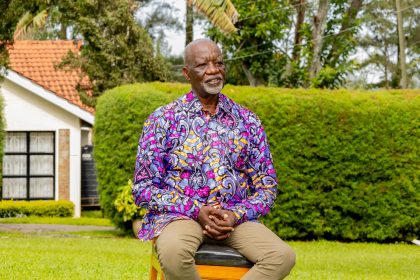
“He’s my number one cheerleader. Without that support, many things would have been much harder,” she said.
The couple raised two sons while balancing demanding careers. Rather than separating work and family entirely, Dr Kitulu integrated them, bringing her children to professional events and interviews so they grew up understanding the importance of her work.
Mentorship has become another cornerstone of her legacy. Many of her own mentors were men, because leadership spaces were overwhelmingly male. Determined to change that, she has intentionally mentored young women and emerging healthcare leaders. “When someone asks me to recommend a speaker or a leader, I often suggest one of my mentees. That’s how people grow,” she said.
She still sees patients, still believes healthcare begins with human connection, still remembers Kemunto
Her election as WMA President marked a historic milestone. The WMA represents more than 120 national medical associations and millions of physicians worldwide. Her rise was shaped in part by the late Dr Margaret Mungherera of Uganda, the first African woman to serve as WMA President, who repeatedly challenged African doctors to take up global leadership positions. Years later, Dr Kitulu fulfilled that vision.
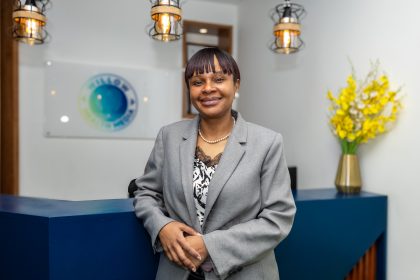
She still sees patients. She still believes healthcare begins with a human connection. And she still remembers Kemunto.
“The little girl who died because an ICU bed was unavailable continues to influence the decisions I make in boardrooms and policy forums around the world. Her story serves as a reminder that behind every health statistic is a human life, a family and a community,” she said.
From a childhood hospital bed to the highest office in global medicine, Dr Kitulu’s journey has been defined not by ambition for titles but by a relentless commitment to improving healthcare for others. At every stage, whether caring for patients, mentoring young doctors, leading associations or representing physicians globally, she has remained guided by a simple belief: that health systems exist to serve people, and that every effort to strengthen them is an investment in human dignity.










wow