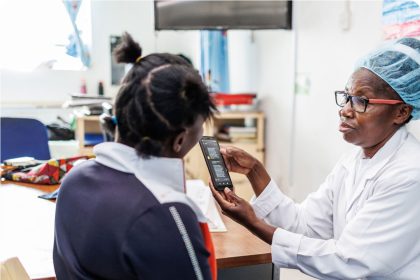




In settings where sexuality education is limited, personal stories often overshadow medical evidence, turning isolated experiences into powerful myths that influence health decisions.
“Come here,” the nurse called out to the other postpartum mothers resting nearby. “Come look at this baby. Look how clean, bright and smart he is. This mother has never used birth control in all her four pregnancies, and you can see the outcome.”
A close relative of mine recalled this incident shortly after giving birth to her last-born son 15 years ago. A staunch Catholic, she had always chosen to deliver her children in a faith-based hospital. She remembered feeling proud as the other mothers gathered around to admire her newborn. Yet as she narrated the story, I found myself thinking about the women standing nearby. I wondered what was going through the minds of the first-time mothers who had used contraception and whether they left the ward questioning if their choices had somehow compromised their children’s futures.

This was not a rumour circulating in a remote village or misinformation shared on social media. It was advice delivered by a trained healthcare professional inside a licensed health facility. The story illustrates how deeply entrenched myths about contraception remain, even within spaces where people expect evidence-based medical guidance.
Across Kenya, misinformation about family planning continues to shape reproductive health decisions. Myths spread through communities, social networks, religious spaces and sometimes even healthcare settings. They fuel fear, stigma and confusion, preventing many women and couples from accessing safe and effective contraception despite decades of scientific evidence supporting its use.
At the heart of many of these misconceptions is the belief that contraceptives somehow contaminate the body. The nurse’s description of the baby as “clean” and “smart” implied that children born to women who have used contraceptive pills, implants, injections or intrauterine devices are somehow harmed by exposure to so-called chemicals. Such claims have no scientific basis, yet they persist because they are reinforced by cultural narratives and, in some cases, religious teachings.
Discussions around family planning often become framed as a moral choice rather than an informed healthcare decision
The Catholic Church and some conservative Christian denominations do not regard contraception as healthcare. Instead, they advocate Natural Family Planning, which involves tracking a woman’s fertile window. While Natural Family Planning can be effective when correctly used, discussions around family planning often become framed as a moral choice rather than an informed healthcare decision. When these messages come from trusted faith leaders or institutions, they can carry immense influence and sometimes overshadow medical evidence.
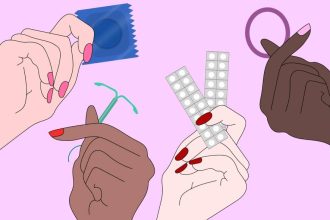
Understanding why contraceptive misinformation persists is essential. Reproductive health touches on deeply personal issues involving sexuality, fertility, family, culture and faith. When women experience side effects or hear stories about adverse outcomes, many seek reassurance from friends, relatives or social media rather than trained healthcare providers. In communities where comprehensive sexuality education remains limited, personal anecdotes often carry greater weight than scientific evidence. Over time, isolated experiences become accepted as universal truths.
The consequences extend far beyond individual decisions. Research conducted by the International Centre for Reproductive Health titled Exploring contraception myths and misconceptions among young men and women in Kwale County, Kenya offers valuable insight into how these beliefs shape reproductive choices.
Through focus group discussions, researchers found that both young men and women held strong misconceptions about modern contraception, ranging from fears of infertility and birth defects to concerns about morality and cultural identity.

Many participants believed that contraceptive use encouraged promiscuity or represented a departure from traditional African values. Young men, in particular, were among the strongest believers in these myths. Some feared that contraceptives would reduce women’s sexual desire, create conflict within marriages or undermine family stability. Because men remain key decision-makers in many households, these fears often influence whether women can access family planning services.
The study also documented widespread concerns that contraceptives could cause infertility or result in children being born with abnormalities. These findings mirror the fears expressed by many women across the country and demonstrate that decisions about contraception are often shaped by social pressure, community expectations and misinformation rather than medical evidence.
Contraceptives do not alter a woman’s genetic makeup or damage her ability to carry a healthy pregnancy later in life
For many women, choosing whether to use contraception is not simply a medical decision. It involves navigating a complex landscape of cultural expectations, partner influence, religious beliefs and fear of social judgment. Addressing misinformation, therefore, requires more than providing clinical facts. It demands understanding the human realities that allow myths to thrive.

Among the most persistent misconceptions is the belief that contraceptives cause permanent infertility. This fear discourages many young women from using family planning, particularly before having their first child. Scientific evidence, however, tells a different story. Extensive research shows that contraceptives do not cause infertility. Once a woman stops using a contraceptive method, fertility typically returns to its natural level.
A systematic review and meta-analysis published in Contraception and Reproductive Medicine analysed data from more than 14,000 women and found that 83.1 per cent became pregnant within a year of discontinuing contraception, a rate comparable to women who had never used birth control.
While injectable contraceptives such as Depo-Provera can delay the return of regular menstrual cycles for several months after the final injection, they do not cause permanent infertility, early menopause or depletion of a woman’s egg supply. Closely linked to infertility fears is the belief that contraceptive use can lead to birth defects, reduced intelligence or poor physical development in future children.
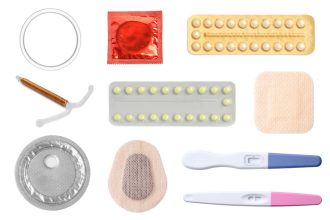
This misconception is particularly powerful because it taps into parents’ fears about the well-being of their children. Yet contraceptives do not alter a woman’s genetic makeup or damage her ability to carry a healthy pregnancy later in life. Their function is very straightforward: they either prevent ovulation or create barriers that prevent fertilisation. Once discontinued, they leave no lasting effect on the development, health or intelligence of future children.
Another concern frequently raised by women considering family planning is weight gain. Many people attribute any increase in weight directly to contraceptive use. Current evidence suggests a more nuanced reality. Most contraceptive methods are not directly associated with significant increases in body fat.
Some women may experience temporary water retention or appetite changes as their bodies adjust to hormonal shifts, but these effects often diminish over time. Injectable contraceptives remain the method most consistently associated with actual weight gain because they can stimulate appetite and influence eating patterns.
A smaller group may experience a reduction in sexual desire due to hormonal changes that affect testosterone levels
Questions about sexual desire also contribute to hesitation around contraception. Many couples worry that hormonal birth control will reduce a woman’s interest in intimacy. Research shows that experiences vary. Most women report no significant change in libido, while some experience improved sexual well-being because they no longer fear unintended pregnancy. A smaller group may experience a reduction in sexual desire due to hormonal changes that affect testosterone levels. This highlights the importance of personalised contraceptive counselling rather than assuming a single experience applies to everyone.

Cancer remains another area where misinformation often overshadows evidence. Claims that contraceptives inevitably cause cancer continue to circulate widely. In reality, decades of research have shown that combined oral contraceptives significantly reduce the risk of ovarian and endometrial cancers. While some studies have identified a small relative increase in the risk of breast and cervical cancers among users of combined oral contraceptives, the absolute risk remains low.
Healthcare providers, therefore, evaluate both risks and benefits when recommending contraceptive methods, and for many women, the protective effects against certain cancers outweigh the potential risks.
Misconceptions surrounding intrauterine devices (IUDs) illustrate how fear can emerge from misunderstandings of anatomy and medical procedures. Some people believe that sexual intercourse can push an IUD deeper into the body and damage reproductive organs. In reality, the uterus is a muscular organ specifically designed to securely hold the device. Normal movement, exercise and sexual activity do not dislodge an IUD.

The myth likely stems from confusion about a rare complication known as uterine perforation, which can occur during insertion, particularly when placement is difficult or performed by an inexperienced clinician.
Perhaps the most enduring misconception is that contraceptive use promotes promiscuity. Unlike the other myths, this belief is rooted less in biology and more in cultural and moral judgments. Research from Kwale County found that many community members associated family planning with sexual irresponsibility, particularly among young women.
Yet contraceptives do not influence a person’s morals, values or number of sexual partners. They simply provide individuals and couples with the ability to decide when and whether to have children.
Healthcare workers must be equipped to answer difficult questions honestly and without judgment
The persistence of these myths highlights broader gaps within Kenya’s reproductive health system. Access to family planning services alone is not enough if communities lack access to accurate information. Many healthcare providers receive limited training in addressing misinformation, while conversations about sexuality remain uncomfortable in many homes, schools and places of worship. In this environment, rumours often travel faster than facts.

Addressing the problem requires a combination of community engagement, evidence-based health communication and respectful dialogue with cultural and religious leaders. Healthcare workers must be equipped to answer difficult questions honestly and without judgment. Schools should provide age-appropriate reproductive health education grounded in science.
Community leaders, faith institutions and the media also have a responsibility to ensure discussions about family planning are informed by evidence rather than fear.
Most importantly, women and families must feel empowered to seek reliable information from qualified healthcare professionals. Every contraceptive method carries its own benefits, limitations and potential side effects. Finding the right option requires informed conversations between patients and providers, not decisions driven by rumours.

Misinformation about contraception continues to create barriers to reproductive healthcare across Kenya. It fuels stigma, reinforces harmful stereotypes and discourages women from accessing services that could improve their health, education and economic opportunities. Replacing myths with evidence will not happen overnight, but it remains essential for advancing reproductive health and informed choice.
Every woman deserves access to accurate information, quality healthcare and the freedom to make decisions about her reproductive future based on facts rather than fear. The path forward begins with honest conversations, trusted medical guidance and a collective commitment to ensuring that science, not misinformation, shapes reproductive health decisions.