

The idea of a specialised infectious disease centre should not have come as a surprise to Kenyans. If anything, Kenya should have already invested in such facilities years ago.
The uproar over a proposed Ebola isolation and treatment facility in Kenya is not really about Ebola; it is about trust.
Trust in the government, trust in foreign powers, trust in a health system that many Kenyans already feel is stretched thin, long before the next crisis arrives.
That is why this debate matters. It goes far beyond one disease or one facility. If anything, the Ebola discussion has exposed an uncomfortable truth: Kenya still approaches epidemic preparedness as a temporary emergency response instead of treating it as a matter of national security.
The public reaction has been emotional, and understandably so. Many Kenyans are asking: ‘Why should Kenya host a quarantine facility for Ebola-exposed Americans when the disease has never been recorded here? Why should Kenyan healthcare workers take on additional risk for what appears to be an American problem?’
These are not irrational fears. They come from years of institutional mistrust, inequality, and frustration with a healthcare system that often struggles to meet every day needs, let alone a high-risk outbreak.
But there is another truth we cannot ignore: anger alone will not keep epidemics out of Kenya.
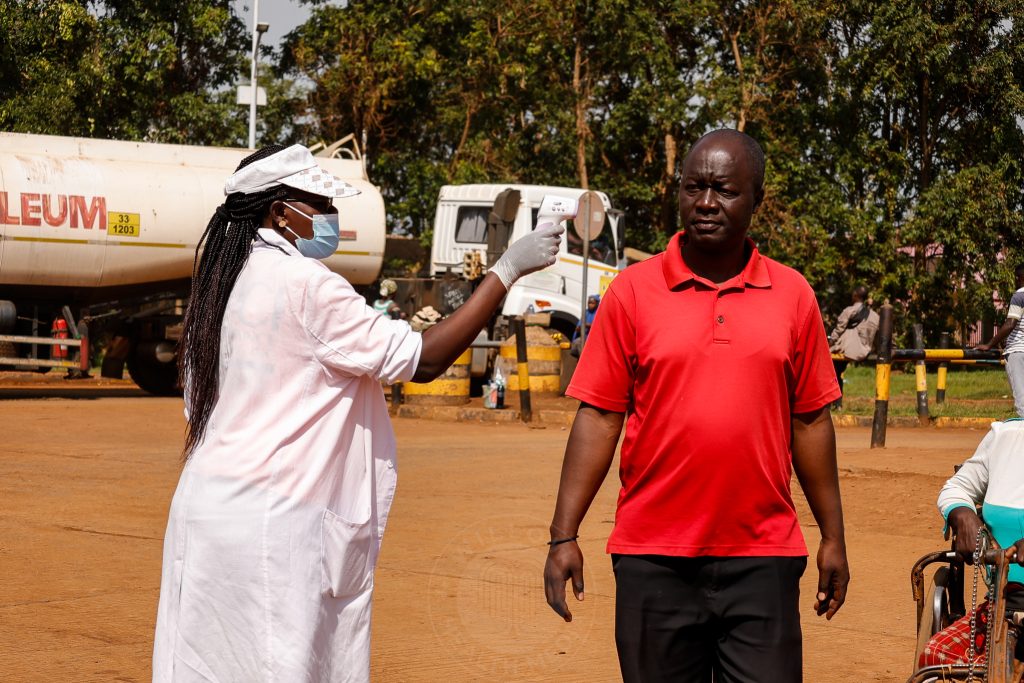
Viruses do not stop at the Busia border. Eastern Africa is deeply interconnected. Every day, traders, truck drivers, refugees, diplomats, tourists and patients move between the Democratic Republic of Congo (DRC), Uganda, Rwanda, South Sudan and Kenya. If Ebola spreads further within the region, Kenya will not somehow remain insulated because people are upset online.
Covid-19 exposed the danger of relying on temporary donor-funded responses whenever a global health emergency erupts
That is why this conversation requires less political theatrics and more honesty. The idea of a specialised infectious disease centre should not have come as a surprise. Kenya should have already invested in such facilities years ago. The Covid-19 pandemic exposed the danger of relying on temporary donor-funded responses whenever a global health emergency erupts.
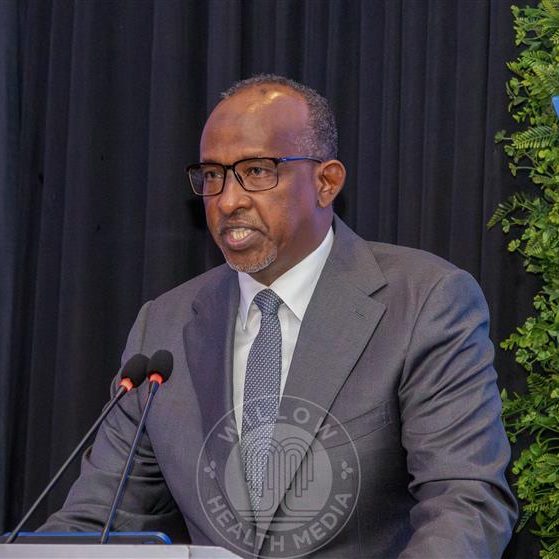
And yet, years later, many public hospitals still struggle with basic infection prevention supplies. Healthcare workers continue to raise concerns about inadequate Personal Protective Equipment (PPE), laboratory capacity remains uneven, while counties still scramble to contain outbreaks of cholera, measles and drug-resistant tuberculosis.
That is the real scandal.
Not that another country sees Kenya as strategically important in regional outbreak preparedness, but that one of Africa’s largest economies still lacks a fully developed, nationally owned infectious disease institute capable of responding confidently to regional biological threats.
At the same time, the critics of the proposed facility are right about one important thing: optics matter. When wealthy countries appear willing to offshore biological risk to African nations while keeping maximum protection for their own citizens, suspicion is inevitable. Public health partnerships cannot succeed where communities feel they are being treated as convenient buffers rather than equal partners.
The secrecy around the discussions only deepened public anxiety. Matters involving biosecurity, sovereignty, and public safety cannot be handled through rumours, leaks and vague reassurances. Public engagement is not a bureaucratic formality. It is part of public health preparedness itself. Once trust breaks down, fear spreads faster than facts.
Any centre established in Kenya must operate under Kenyan law and oversight, not as a detached foreign-controlled enclave
Still, rejecting specialised infectious disease infrastructure altogether would be short-sighted. Kenya urgently needs stronger isolation, surveillance and research capacity, not just for Ebola, but for the next haemorrhagic fever, respiratory outbreak or drug-resistant pathogen that will inevitably emerge. Climate change, rapid urbanisation and increased human movement are making zoonotic disease outbreaks more frequent across Africa. Preparedness is no longer optional.
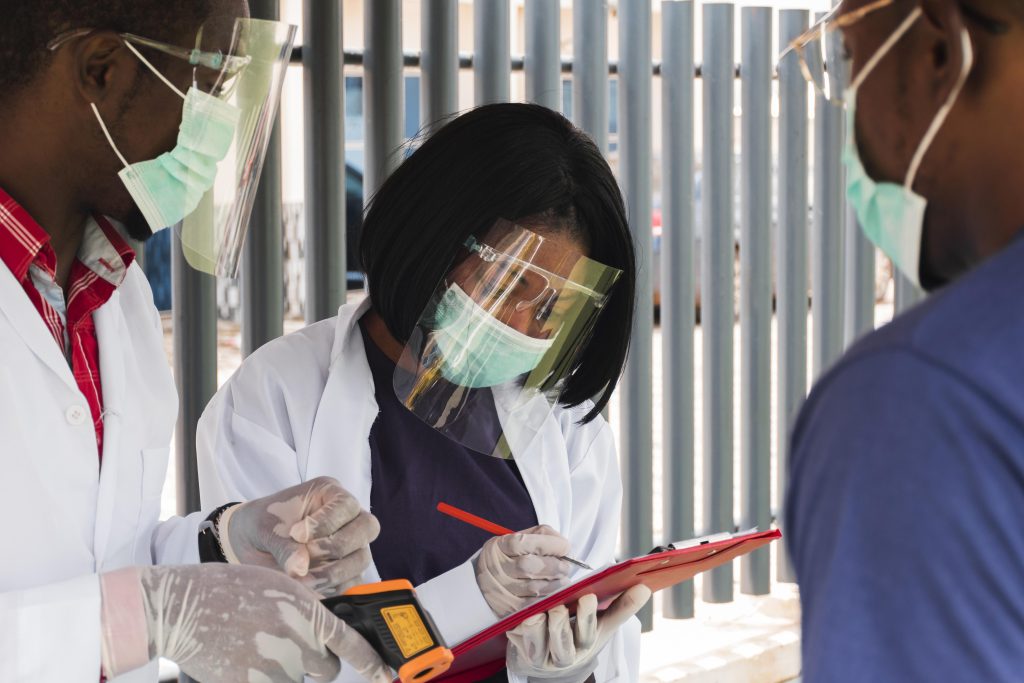
The real question, therefore, is not whether Kenya should host such a facility. The real question is under what conditions. Any centre established in Kenya must operate under Kenyan law and oversight, not as a detached foreign-controlled enclave.
It must strengthen local systems through sustained investment in laboratories, emergency response capacity, workforce development and research opportunities for Kenyan scientists.
Healthcare workers must receive proper training, insurance and long-term occupational protection. Above all, the government must develop and openly communicate a clear national biosecurity framework so that citizens understand both the risks and the safeguards involved. This is where leadership matters most.
A serious country does not respond to epidemic threats with denial, fear or performative nationalism. But neither does it outsource critical public health decisions entirely to foreign interests. It builds strong institutions capable of protecting its people while engaging confidently in regional and global cooperation.
Ebola has exposed Kenya’s vulnerability. But it has also revealed an opportunity. The question now is whether Kenya will finally build a credible public health security system, or wait for the next outbreak to expose the same weaknesses all over again.
Dr Richard Mogeni Mogaka, is Chairman of the Kenya Obstetrical and Gynaecological Society (KOGS) North Rift branch
*The views expressed in this article are those of the author and do not necessarily reflect the position of Willow Health Media
We believe in the free flow of information
Republish our articles for free, online or in print, under Creative Commons licence.