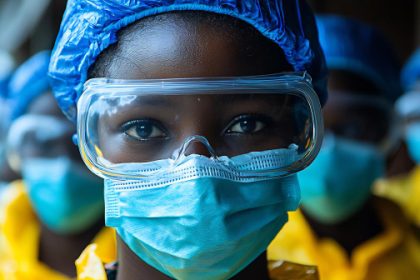


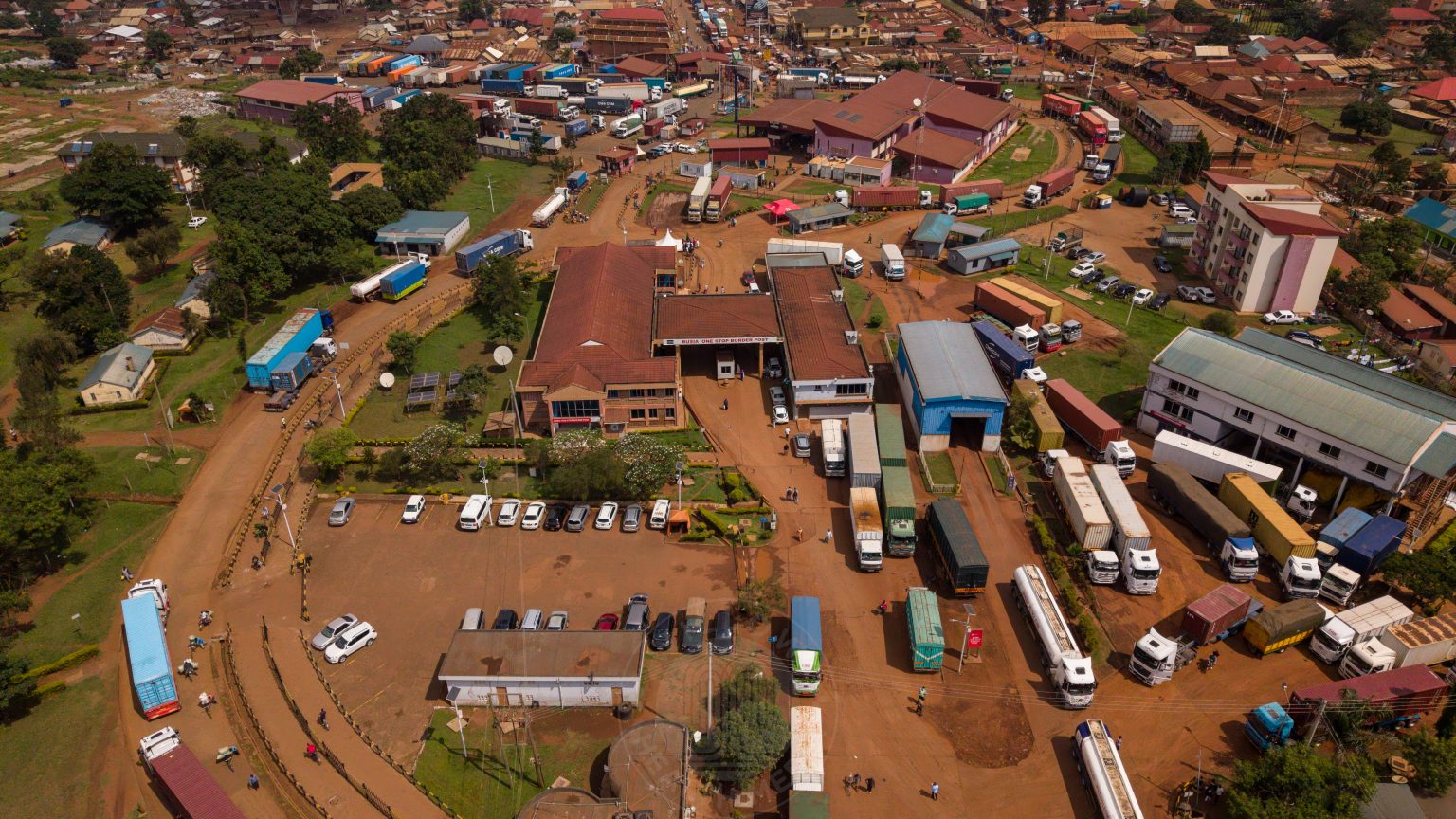

Uganda has built one of the region’s most responsive surveillance and emergency response systems, making it one of Africa’s strongest examples of how outbreaks can strengthen institutional preparedness.
Weeks after fresh Ebola outbreaks were suspected in the Democratic Republic of Congo and Uganda earlier this year, emergency teams had already begun tracing contacts, mobilising community leaders and preparing treatment centres.
The speed of that response reflects how profoundly Africa’s approach to Ebola has changed over the past five decades. Yet even after nearly 50 years of battling one of the world’s deadliest viruses, experts say the continent continues to confront the same recurring challenge: outbreaks spread fastest where public trust breaks down.
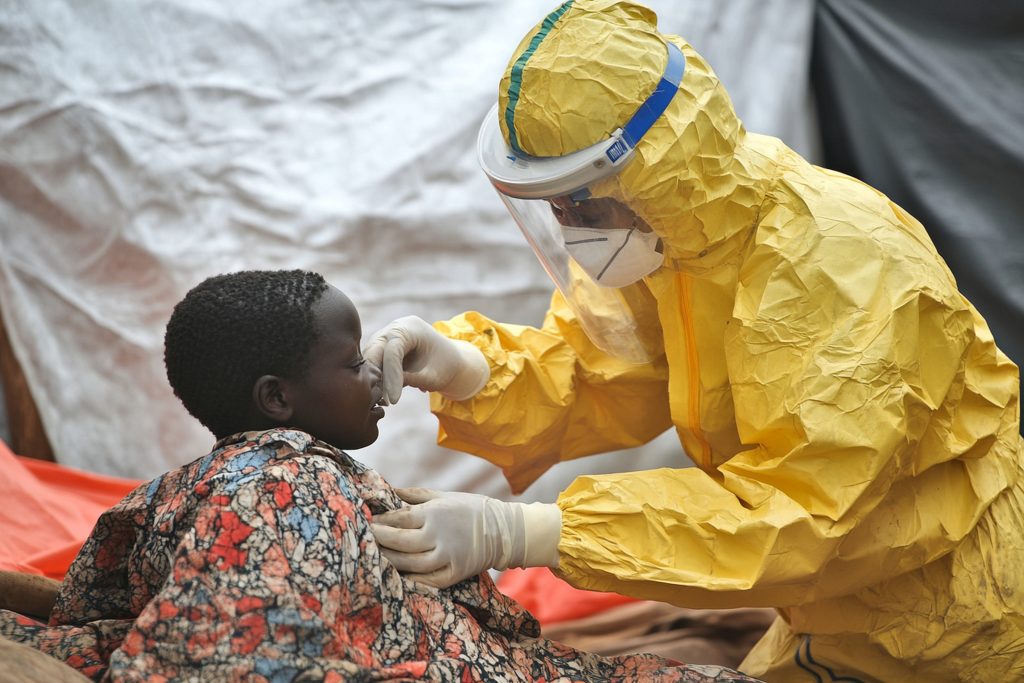
Since Ebola was first identified in 1976 near the Ebola River in what is now the Democratic Republic of Congo, the virus has killed thousands across Central, West and East Africa.
But while medical science has advanced significantly, health experts say the most important lessons from Ebola are no longer only about treatment. They are about trust, preparedness, community engagement and political coordination.
The pattern has repeated itself across nearly every major outbreak since 1976: Weak surveillance systems delay detection, fragile healthcare infrastructure struggles to cope, rumours spread faster than official information, families hide sick relatives, traditional burial practices continue despite infection risks, communities fear treatment centres, and cross-border movement accelerates transmission.
Yet in almost every outbreak, the countries that contained Ebola fastest were those that earned community trust early.
Misinformation, denial and distrust of institutions played a major role in transmission of the virus
The deadliest Ebola epidemic in history, which devastated Guinea, Liberia and Sierra Leone between 2014 and 2016, exposed these failures on a massive scale. More than 28,000 people were infected and over 11,000 died, overwhelming already fragile health systems and triggering global panic.
Researchers have since extensively documented the lessons from West Africa’s crisis. A 2020 study published in the Journal of Infection and Public Health found that weak health systems, delayed detection and poor preparedness significantly contributed to the scale of the epidemic.

Another 2023 study published in BMC Public Health examining community perceptions in Liberia found that misinformation, denial and distrust of institutions played a major role in transmission. Researchers concluded that trust remains central to outbreak preparedness and control years after the epidemic ended.
Similarly, a study published in BMJ Global Health found that accountability, transparency and genuine community engagement were among the most effective tools in controlling Ebola. The researchers proposed what they described as “technologies of trust,” meaning approaches grounded in openness, reflexivity and accountability.
Those lessons continue to shape Ebola responses across Africa today. Speaking during a recent Ebola response briefing, Dr Marie Roseline Belizaire, a public health leader involved in emergency outbreak management, said affected countries are now deploying far more coordinated systems than during earlier outbreaks.
One of the biggest challenges remains contact tracing; identifying and monitoring everyone exposed to an infected person before the virus spreads further
“Each health zone now has its own coordination structure bringing together medical teams, response leaders and partners,” she said. According to Dr Belizaire, training of response teams is ongoing while medical supplies from China, Egypt, the World Health Organization (WHO) and UNICEF continue reaching affected areas.
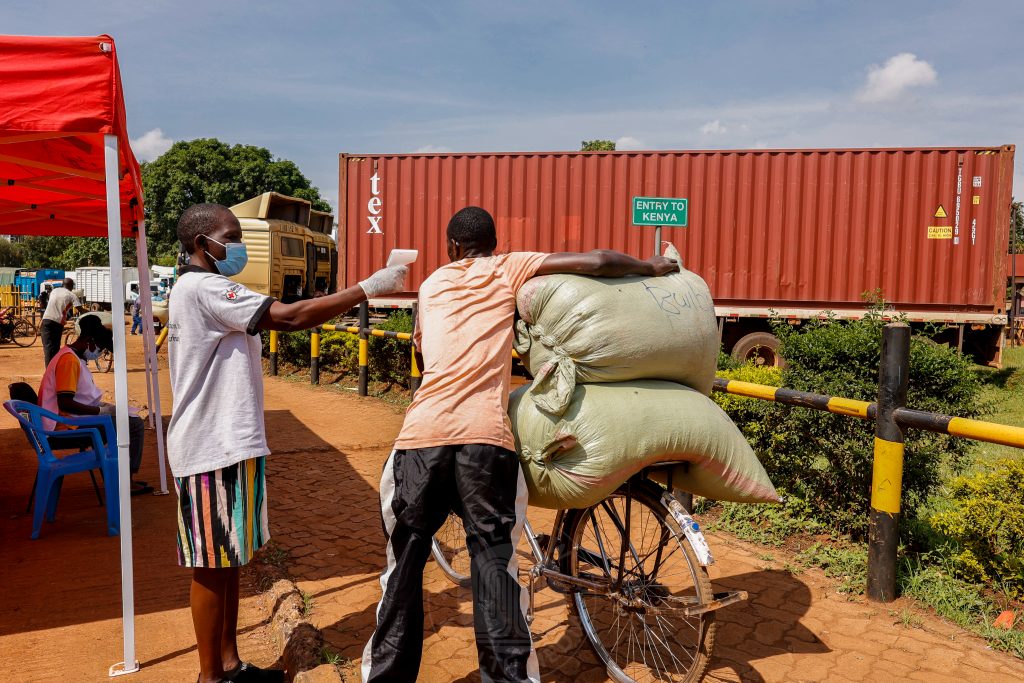
Treatment centres have already been established, while additional facilities are being completed with support from organisations including Médecins Sans Frontières, The Alliance for International Medical Action (ALIMA), Samaritan’s Purse and the International Medical Corps.
The coordinated response marks a major shift from earlier Ebola outbreaks when many affected countries lacked laboratory capacity, emergency operations centres and trained rapid response teams.
But despite decades of experience, major weaknesses persist. One of the biggest challenges remains contact tracing, identifying and monitoring everyone exposed to an infected person before the virus spreads further.
Dr Patrick Otim, Programme Area Manager for Emergency Response at WHO Africa Region, said more than 4,293 contacts were under follow-up during the current response, but only 1,955 had been reached, representing a follow-up rate of just 45 per cent. He said successful contact tracing depends on three factors: access, community trust and resources.
“The first is security and access because these people are spread across different health areas,” he explained. “The second is community trust and participation because contact tracing is one of the most community-facing interventions in the Ebola response.”
He added that community health workers often lack basic logistical support such as bicycles, motorbikes, protective equipment and real-time data collection tools.
Traditional funeral rites involving washing, touching and preparing bodies for burial have repeatedly accelerated infections
The gaps reveal a broader reality about Ebola preparedness across Africa: emergency response systems are often activated only after outbreaks begin instead of being consistently maintained between crises.
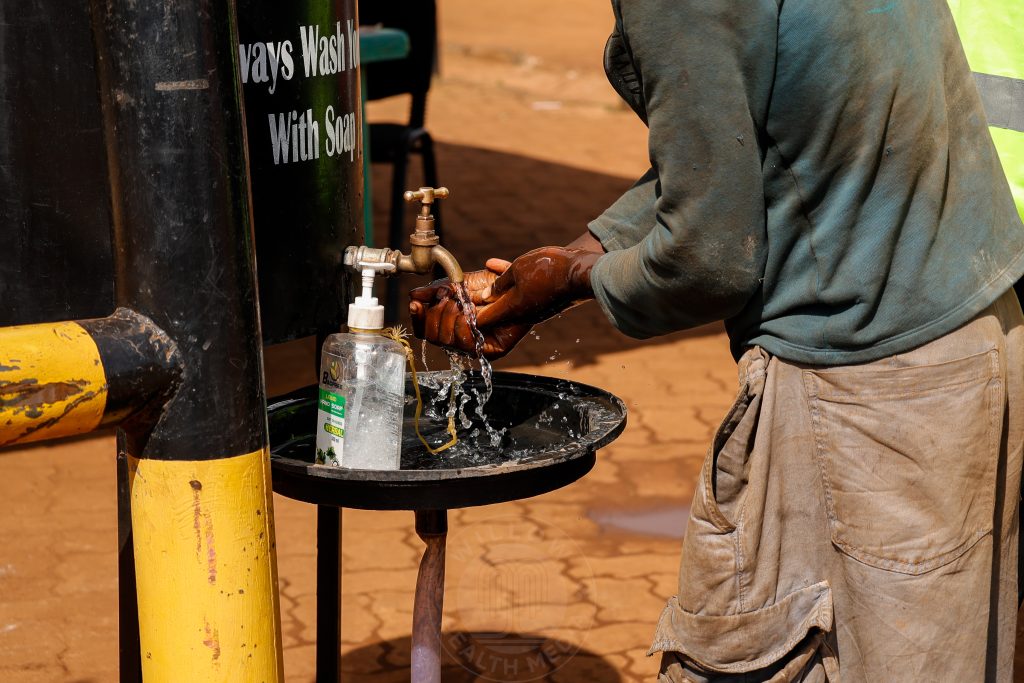
Public health experts say this reactive approach remains one of the continent’s biggest vulnerabilities. Another persistent challenge has been the role of culture, religion and social traditions in amplifying transmission during outbreaks.
Throughout Africa’s Ebola history, traditional funeral rites involving washing, touching and preparing bodies for burial have repeatedly accelerated infections because Ebola spreads through direct contact with bodily fluids.
In several outbreaks, families resisted safe burial protocols because they conflicted with deeply rooted cultural and religious practices surrounding death and mourning.
In West Africa, some communities initially viewed Ebola as a political fabrication, spiritual curse or foreign conspiracy. Health workers were sometimes attacked, while treatment centres were feared as places where people went to die rather than recover.
A 2022 study published on PubMed found that misconceptions, myths and distrust remain among the biggest barriers to effective Ebola control in Africa. Yet experts say the outbreaks that eventually came under control were often those where authorities stopped treating communities merely as recipients of health directives and instead involved them directly in response efforts.
Repeated outbreaks forced Uganda to continuously strengthen its expertise, workforce and emergency infrastructure
Religious leaders, traditional chiefs, Ebola survivors and community health workers became critical messengers in changing public behaviour. Uganda is now widely regarded as one of Africa’s strongest examples of how repeated Ebola exposure can strengthen institutional preparedness.
The country has experienced multiple Ebola outbreaks since the early 2000s and has gradually built one of the region’s most responsive surveillance and emergency response systems.
According to Dr Diana Atwine, Permanent Secretary in Uganda’s Ministry of Health, repeated outbreaks forced the country to continuously strengthen its expertise, workforce and emergency infrastructure.
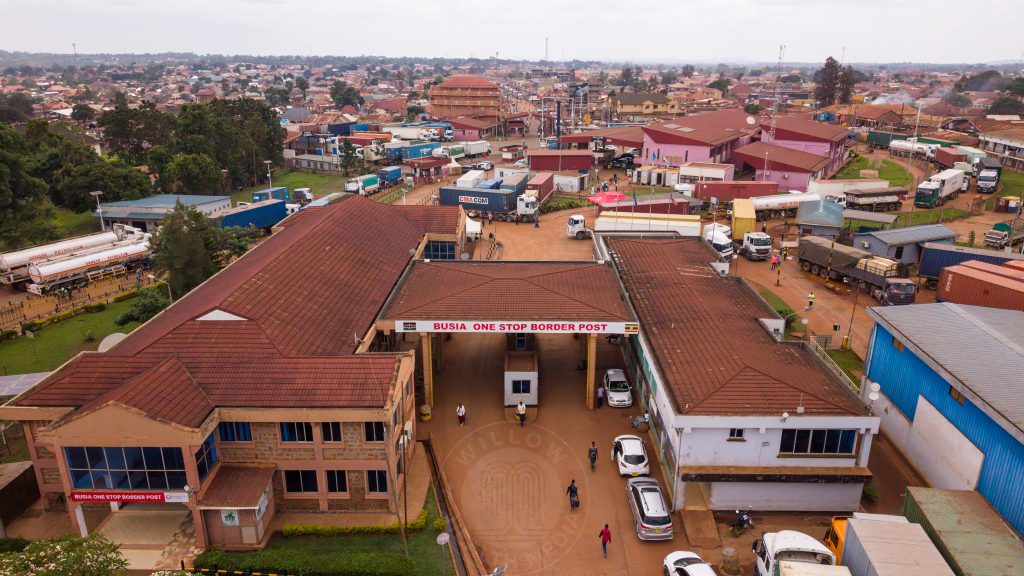
“Every time we have Ebola outbreaks, we have been able to successfully manage them,” she said. “Because of that, we have strengthened our expertise, systems and workforce, making our response faster and more responsive.”
Uganda’s laboratory systems can now confirm suspected Ebola cases within hours.
“As long as we get a suspect, we test. Our turnaround time is only four hours,” Dr Atwine said.
Importantly, Uganda maintains treatment centres, laboratories and emergency response teams even when there is no active outbreak, an approach many African countries still struggle to sustain because of limited funding and competing health priorities.
Community surveillance has also become central to Uganda’s strategy. In many cases, local residents provide the first alerts that allow health officials to investigate suspected infections before transmission escalates.
Public health experts warn that these lessons are increasingly important for countries such as Kenya, which has never experienced a major Ebola outbreak but remains highly vulnerable because of regional trade, migration and porous borders with neighbouring countries.
Recurring failures seen during Ebola outbreaks mirror broader weaknesses exposed during Covid-19, cholera outbreaks and Mpox emergencies
Kenya’s extensive transport links across East and Central Africa mean that preparedness can no longer focus only on hospitals and airports. Experts say it must include county-level surveillance, rapid laboratory systems, risk communication and stronger public trust long before any outbreak emerges.
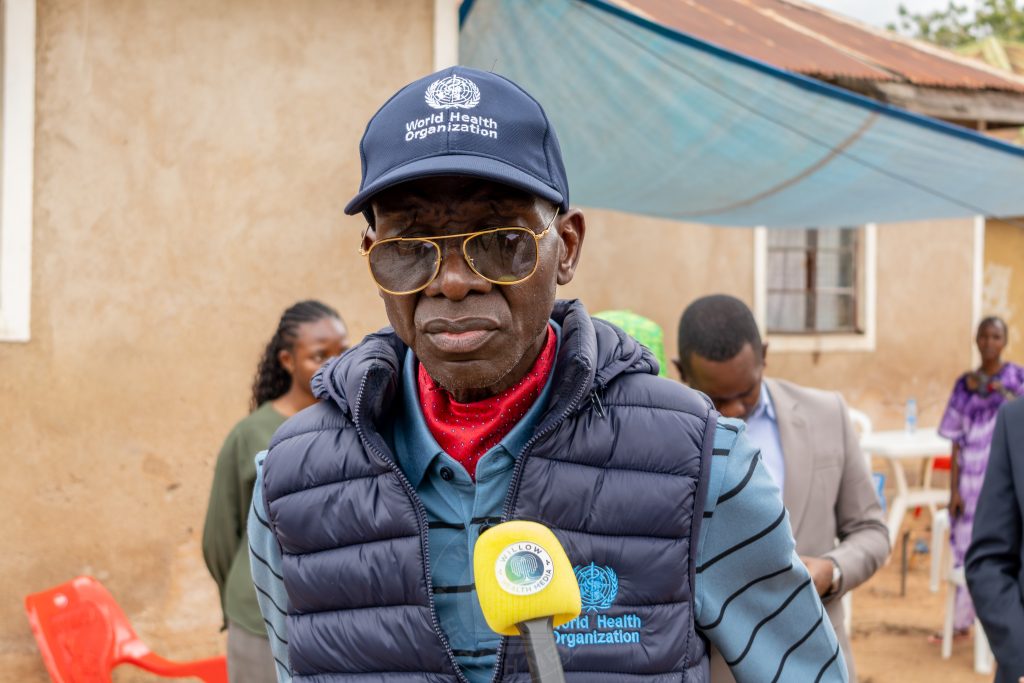
The lessons from Ebola also extend beyond the virus itself. Health experts say the recurring failures seen during Ebola outbreaks mirror broader weaknesses exposed during Covid-19, cholera outbreaks and Mpox emergencies: underfunded health systems, weak primary healthcare networks, misinformation, poor cross-border coordination and public mistrust in government institutions.
Dr Mohamed Janabi, WHO Regional Director for Africa, recently described Ebola as a reminder of why stronger regional and global pandemic agreements matter.
“It can help us achieve faster detection, stronger health systems and fair access to countermeasures before outbreaks cross borders,” he said.
But experts caution that technology and vaccines alone will never fully contain pandemics without trust. Fifty years after Ebola first emerged from a remote village near the Ebola River, Africa’s greatest lesson may be that communities themselves remain the first line of defence.
From Liberia’s painful experience with misinformation to Uganda’s investments in rapid detection and community surveillance, the continent has repeatedly demonstrated that preparedness saves lives long before vaccines arrive. For Kenya, the warning is clear: waiting for an outbreak before investing in surveillance, community engagement and emergency systems could prove costly.
We believe in the free flow of information
Republish our articles for free, online or in print, under Creative Commons licence.