
Recurring infections, long hospital stays, and mounting bills are the reality for Kenyan families navigating Primary Immunodeficiency Diseases. A group of specialists wants that to change before more children pay the price.
Olivia Cheptum was beside herself with joy when her son was born on March 3, 2021. Like any new mother, she felt reassured when he received his BCG vaccine shortly after birth, the standard jab that protects newborns against tuberculosis (TB). What followed in the months ahead was nothing she could have prepared for.
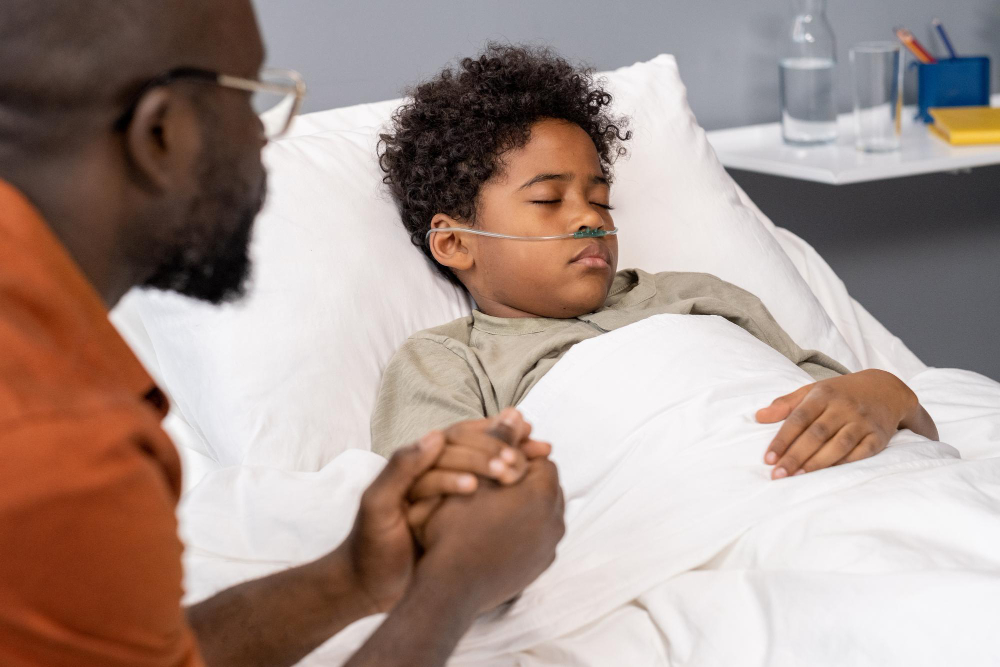
By the time her son was seven months old, he had been admitted to the hospital thrice for severe infections, each time placed on strong antibiotics. Some stays lasted over two weeks.
“At 12 weeks, my son began having recurrent infections,” Cheptum recalled. “He contracted pneumonia, his lymph nodes were swollen, and on testing one from the armpit, it tested positive for tuberculosis.”
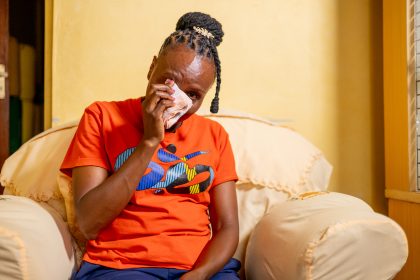
The pattern eventually prompted one of his doctors to recommend an immunological test. Results confirmed that her son had Chronic Granulomatous Disease (CGD, a rare inherited condition where white blood cells cannot effectively kill bacteria and fungi, leaving the body defenceless against severe, recurring infections and the development of inflammatory lumps called granulomas.
Bone marrow transplantation, which replaces defective blood-forming cells with healthy donor cells, is the only known cure for CGD and Cheptum son “Was successfully treated by undergoing a bone marrow transplant in June 2022,” she says. “He is now good and finishing up on his vaccines.”
He referred the baby to a pulmonologist, who diagnosed her with Severe Combined Immunodeficiency Disease
Hellen Ayaga had a similar ordeal. Her baby girl was born in 2020 during the Covid-19 pandemic. She was always sickly in her first 14 weeks of life, and to worsen matters, “She had Covid-19, pneumonia and meningitis within the first few weeks of her life,” says Ayaga. “It was worrying.”
Medics failed to pick up the warning signs, the recurring infections and frequent hospital visits, until a cardiologist raised concern about the repeated bouts of pneumonia. He referred the baby to a pulmonologist, who diagnosed her with Severe Combined Immunodeficiency Disease (SCID), where the immune system is severely compromised due to the near-total absence of T and B cells, the specialised white blood cells responsible for detecting and fighting infection. The baby was placed on the right medication and has been managing with monthly Intravenous Immunoglobulin therapy, a treatment that infuses donated plasma containing antibodies to support a weakened immune system.
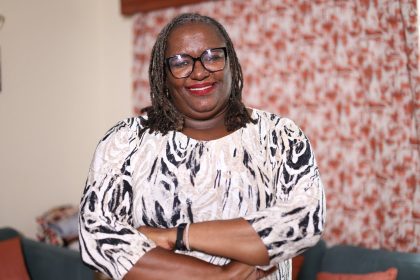
Cheptum and Ayaga are among a handful of parents who got the right early diagnosis to act. Many others are not so fortunate.
Primary Immunodeficiency Diseases, commonly known as PIDs, are a group of more than 550 distinct genetic conditions that impair the immune system, leaving those affected more vulnerable to severe, persistent or unusual infections. They are drastically underdiagnosed worldwide, and in Kenya, the problem is acute.
Dr Anne Barasa, a pathologist and lecturer at the University of Nairobi, painted a sobering picture during a webinar hosted by the Primary Immunodeficiency Diseases Network Kenya, jointly organised by the University of Nairobi and Kenyatta National Hospital on April 29. “Less than 200,000 cases have been diagnosed and documented , which means we are doing poorly,” she said.
Not a single case of Primary Immunodeficiency Diseases had been documented in Kenya before 2010
Kenya’s own reckoning with PIDs started late. Before 2010, not a single case had been documented in the country. The first was recorded only in 2012, after parents demanded a postmortem for their deceased infant, a child who had suffered unending diarrhoea after receiving a rotavirus vaccine and repeated bouts of pneumonia. That postmortem sparked medical curiosity. By 2019, four more cases had been identified, though all ended in death due to late diagnosis.

The tide is slowly turning. Dr Barasa noted that more PID cases are now being identified with the availability of Flow Cytometers, specialised diagnostic machines, at Kenyatta National Hospital (KNH) and Moi Teaching and Referral Hospital (MTRH). However, she cautioned that some disease-specific testing machines remain available only in private hospitals. “We need to have them in level six hospitals as well as primary healthcare facilities where most people present with symptoms first,” she explained.
Dr Diana Marangu, Chairperson of PIDNET Kenya, identified the biggest structural gap plainly. “How can we treat what we don’t see, and how can we fund what we can’t count? In Kenya, we don’t have the number for PIDs,” she said.
PIDNET is now setting up a patient registry to begin addressing that gap, capturing shared diagnoses, treatment, and outcomes to help guide interventions. “The PID burden is invisible to policymakers, and developing a register will guide our interventions. We’ll know the patterns and flag cases earlier,” Marangu explained. She added that studying the diversity of the African genome in greater detail could also help identify specific genetic vulnerabilities linked to PIDs on the continent.
Both experts agreed that a lack of awareness remains one of the biggest barriers among clinicians, parents, and communities alike. Dr Barasa urged a shift in how recurring illness is perceived. “We are in the tropics and accustomed to infectious diseases, but we need to be suspicious and aware of PIDs. We need to watch out for patients who catch infections from live vaccines or are born in families where their older siblings died early from severe and recurrent illnesses,” she said.
A persistent risk during hospital visits is accidental administration of live vaccines to patients
For families living with a PID diagnosis, the burden extends far beyond the clinic. Ayaga said she changed health facilities three times before finding one equipped to manage her daughter’s needs properly. At their current facility, the team understands the risks well enough to conduct triages in the car during flu season to avoid exposing the child to infections in the paediatric unit.

A persistent risk during hospital visits is the accidental administration of live vaccines to PID patients, which can make them gravely ill. Ayaga described such incidents as a failure of handover between doctors and nurses. Meanwhile, the cost of ongoing treatment remains out of reach for most Kenyan families. A single dose of Intravenous Immunoglobulin therapy costs over Ksh30,000, a monthly expense that Ayaga’s daughter cannot go without.
The emotional weight is equally heavy. “Attentiveness and compassion from healthcare workers are rare yet important to caregivers and patients who need assurance of recovery,” Cheptum said. Both mothers noted that a PID diagnosis reshapes entire family ecosystems: limiting visitors, separating utensils and constantly managing infection risks become part of daily life.
The path forward, according to the experts, requires action on multiple fronts. They called for PIDs tests to be made available in key public facilities, for the Kenya Essential Diagnostics guide to be updated to include PID-specific tests, and for greater access to immunoglobulins and essential drugs. Clinicians were urged to apply immunological thinking when assessing patients, particularly children with recurrent severe infections or prolonged antibiotic use.
“We must quantify the treatment gap with numbers so that we can demand support from the government and donors,” Marangu said.
For Cheptum and Ayaga, the journey has been one of frustration and hard-won gratitude. Their children are alive because someone, eventually, asked the right question. The goal now is to make sure more families do not have to wait that long.