

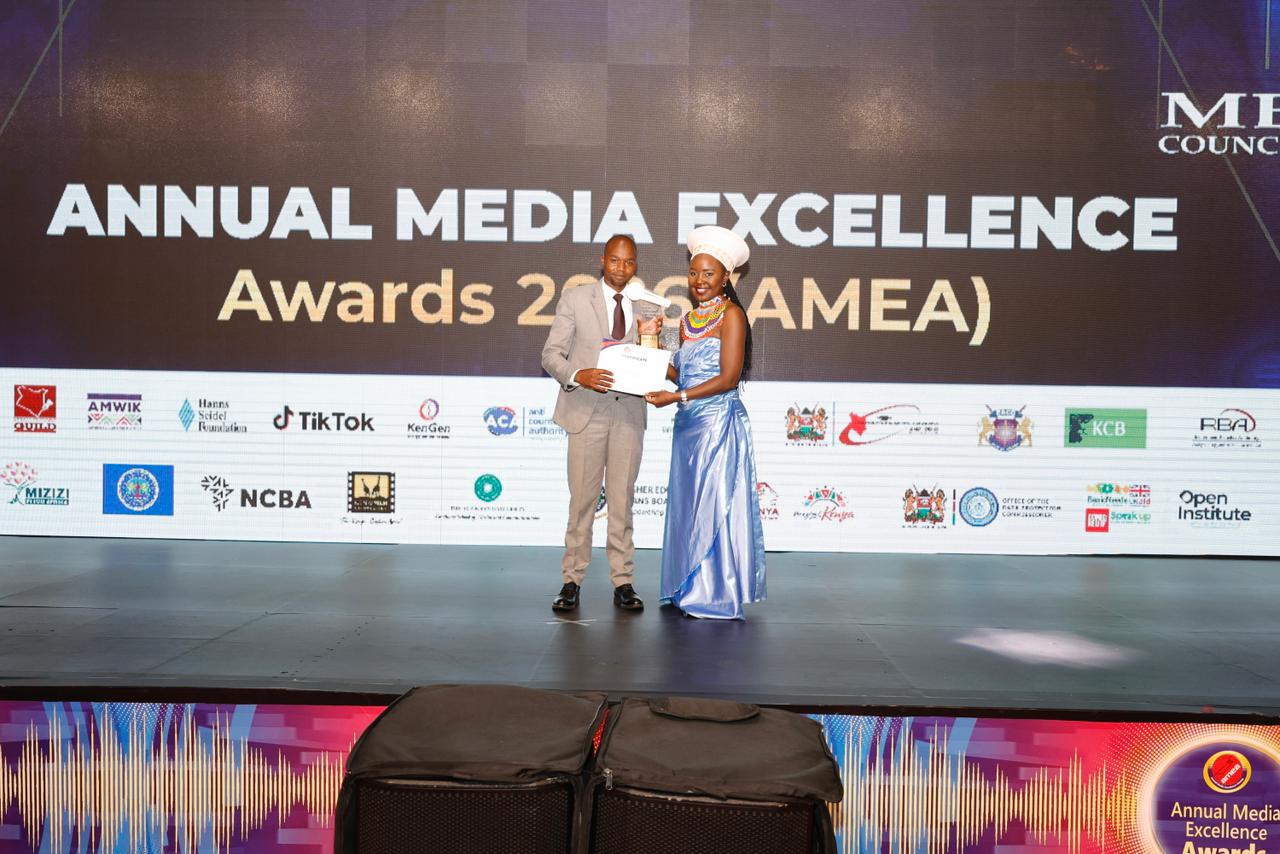

Barely eighteen months after launch, the specialised digital newsroom walked into AMEA 2026 and emerged among the biggest winners, taking on legacy media houses with deeply reported, impact-driven, human-centred journalism.
Willow Health Media’s photo-essayist Christopher Kipsang has been named the overall Journalist of the Year 2026 at the Annual Media Excellence Awards (AMEA).
This was the night that the organisation, a digital health newsroom barely eighteen months old, announced itself to the industry in no uncertain terms.
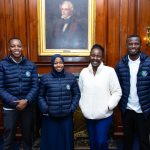
Inside the ballroom, surrounded by some of Kenya’s biggest and oldest media houses, the relatively young newsroom emerged as one of the defining names of the night, walking away with five recognitions at the Media Council of Kenya’s AMEA 2026 ceremony.

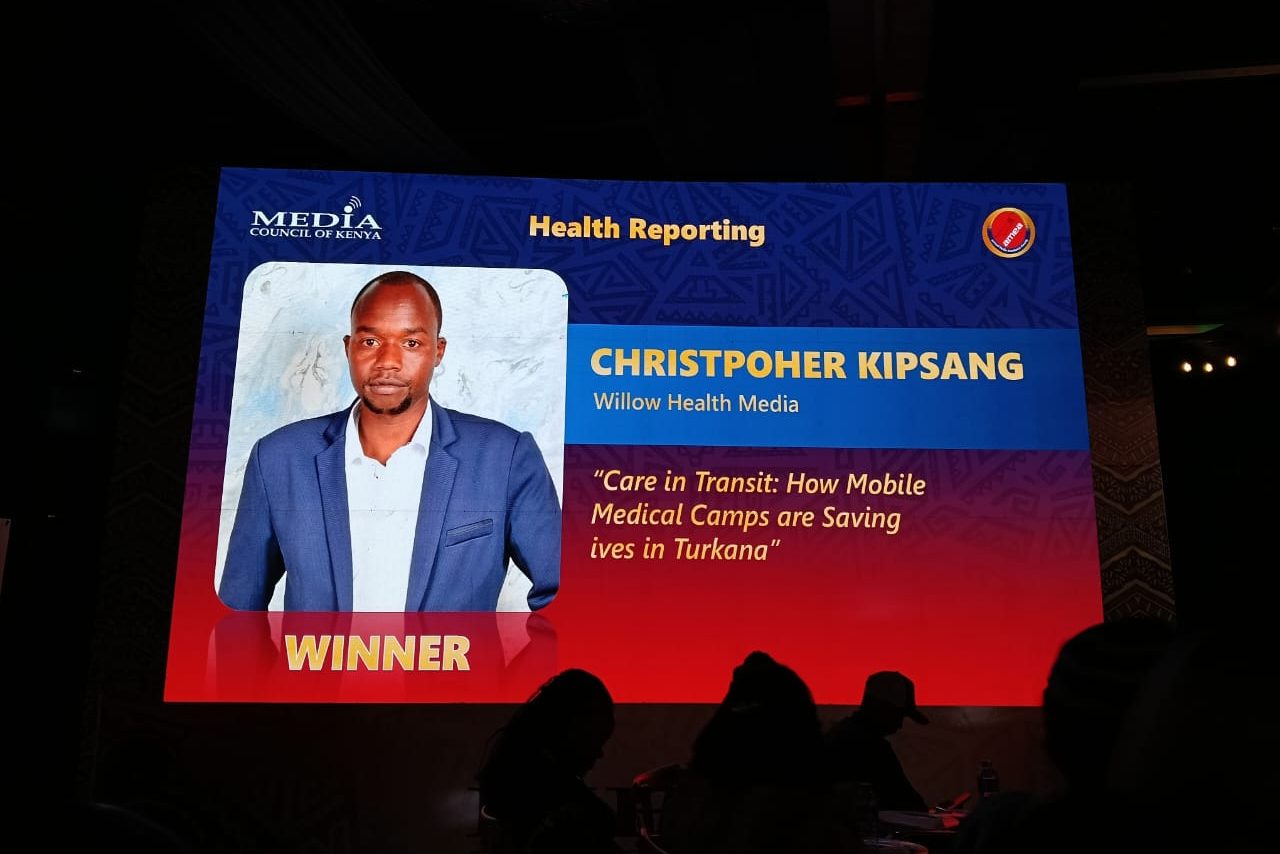
The wins included the coveted Journalist of the Year award as well as the Best Health Reporting award scooped by Christopher Kipsang, Best Follow-Up Reporting by Anthony Langat, and two first runners-up finishes in the Agriculture and Food Security category by Asha Bekidusa and Gender and Inclusivity by Yvonne Kawira, respectively.
For a newsroom still considered the new kid on the block, the recognition marked a defining industry moment, not only for Willow, but also for specialised health journalism in Kenya’s media landscape.
The weight of the night
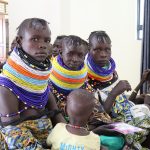
Kipsang’s double triumph, Journalist of the Year and Best Health Reporting, was anchored in his photo essay, Care in Transit: How Mobile Medical Camps Are Saving Lives in Turkana.
The story documented how health authorities and community leaders, realising that reducing maternal and child deaths would take more than boardroom strategies, brought Turkana’s community elders to the policy table and deployed mobile medical camps to reach nomadic and geographically isolated populations.
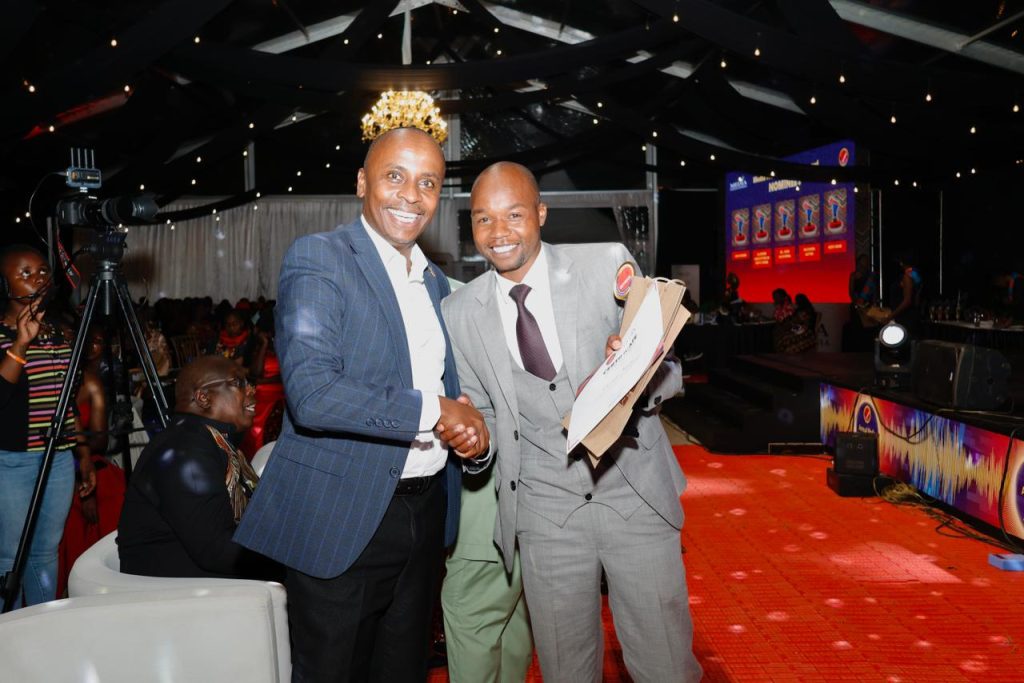
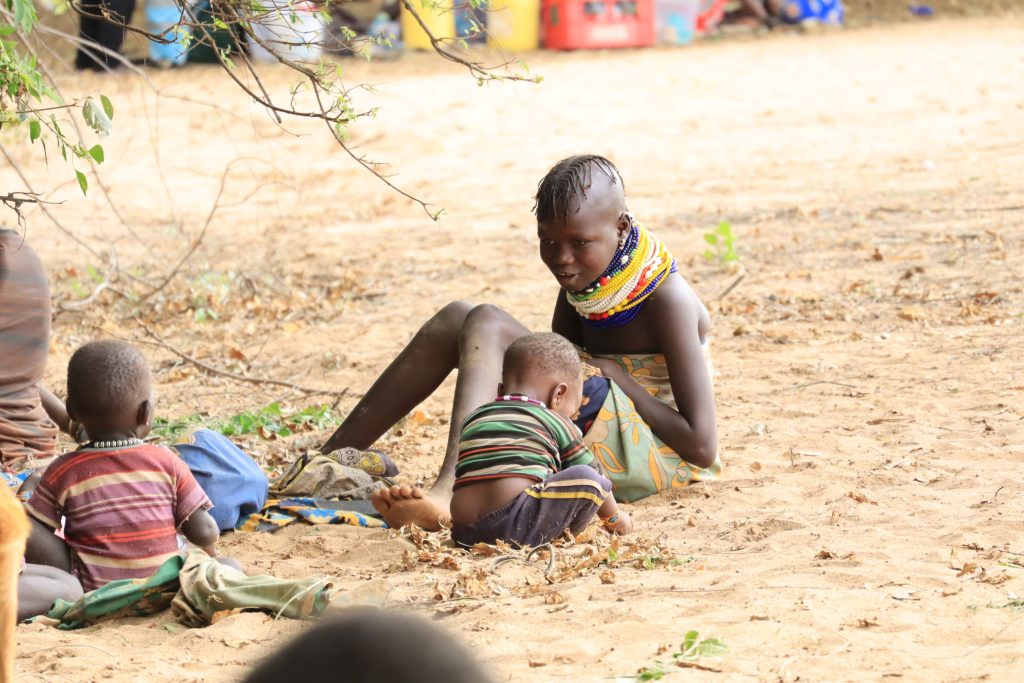
It was solutions journalism in its purest form. Not just highlighting the crisis, but documenting how communities and health systems were attempting to solve it.
It was also the kind of story that demands boots on the ground, long drives on unpaved roads, and the patience to sit with communities whose trust cannot be rushed.
One of the defining moments of the night came when Kipsang dropped to his knees after receiving the Journalist of the Year award, overcome by the weight of the moment.
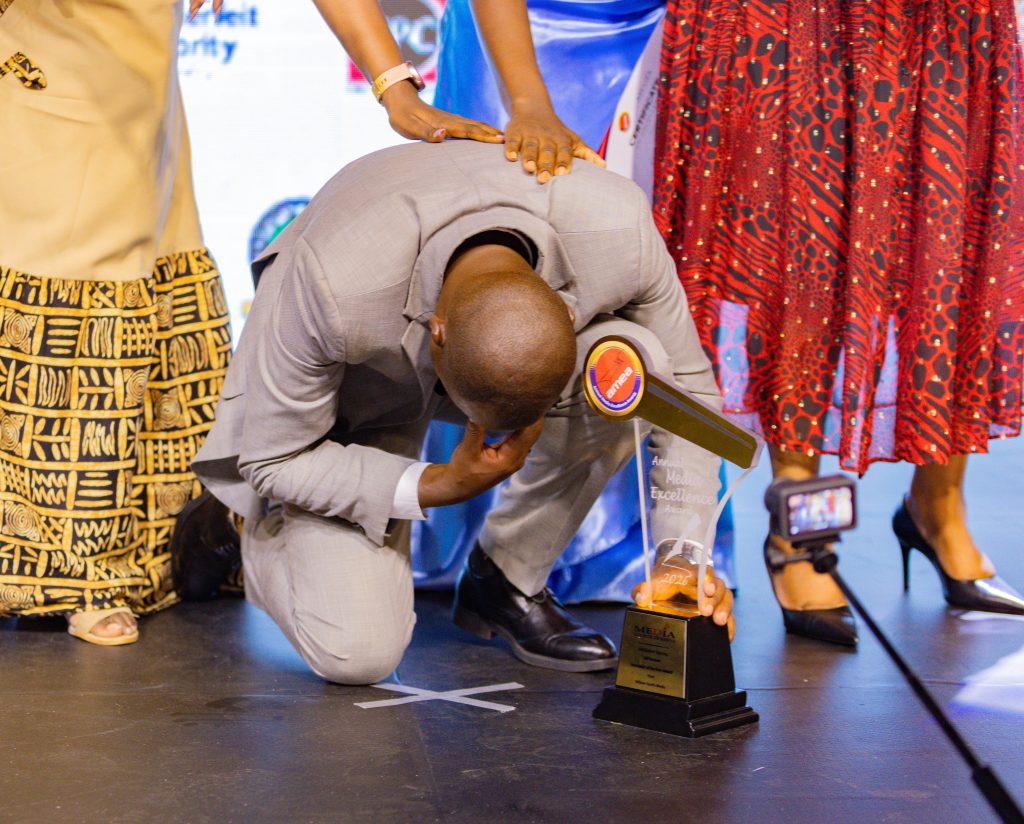
Moments later, he was draped in the symbolic Journalist of the Year jacket, one of the ceremony’s highest honours, signifying recognition by industry peers for producing the strongest body of journalism in the country over the past year.
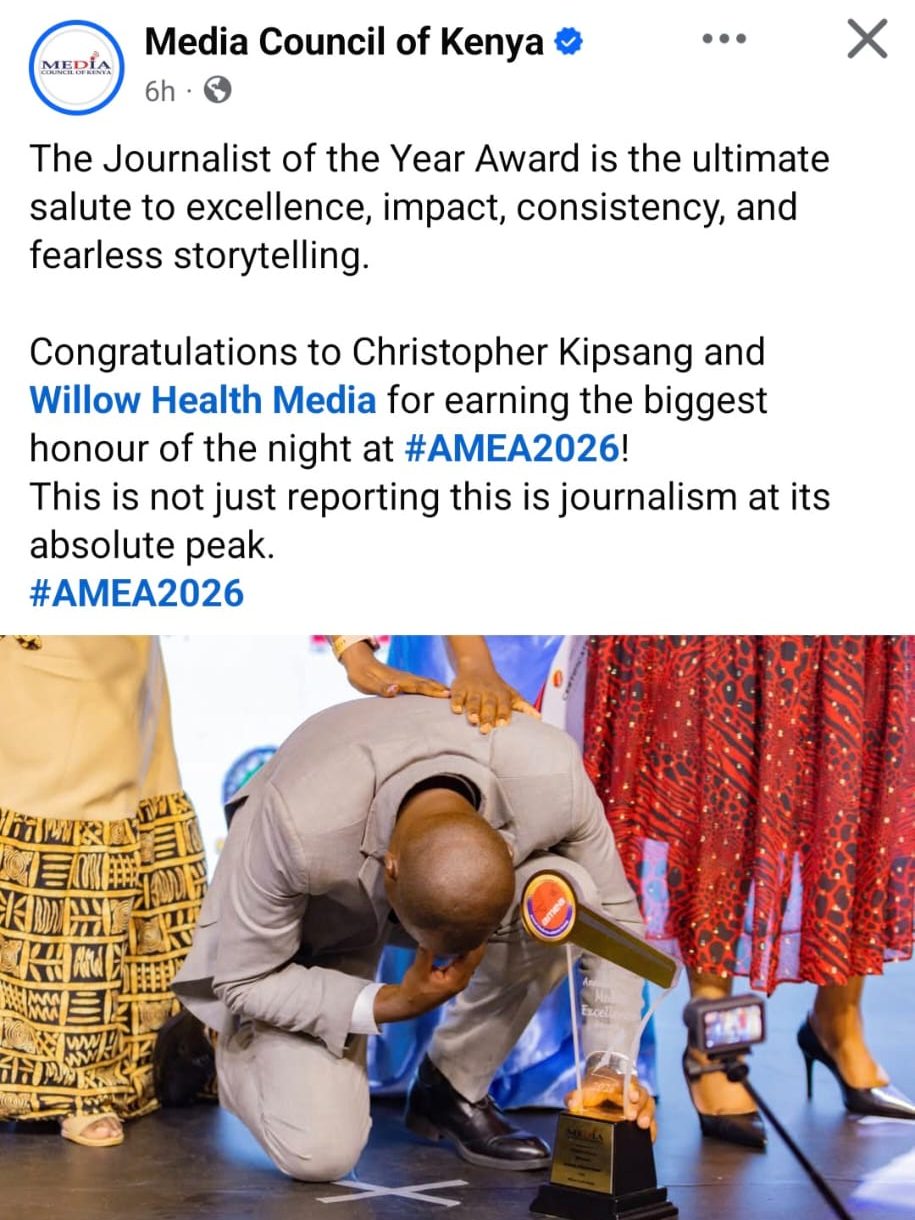
The image quickly spread online, with the Media Council of Kenya describing the award as “the ultimate salute to excellence, impact, consistency, and fearless storytelling.”
“For nearly eight years in journalism, today’s awards have given both Willow Health Media and me a reason to go beyond press conferences, textbook stories, and boardroom news,” Kipsang said after receiving the award.
“Instead, we can focus on informed, human-centred, and solutions journalism.”
In a message to the newsroom after the ceremony, Kipsang dedicated the win to the entire Willow team.
“This one is just a surprise. Thanks, Dr Mercy Korir, for locating me from the valleys of Elgeyo Marakwet. Thanks to our able editors Kamau Mutunga, Joyce Mutheu, Sara Okuoro, Sarah Kamande and the entire crew, not forgetting Brian Wekesa and Arthur Mbuguah. The graphics stood tall. This win is for all of us,” he said.
The win marked the first time a health story from a relatively new digital newsroom received the overall Journalist of the Year recognition at the AMEA. Dr Mercy Korir, Willow’s CEO and Editor-in-Chief, noted the significance of the moment.
“It’s the first time such a health story and from a new media gets the ultimate recognition,” she said.
Journalism that refused to look away
Anthony Langat took home the Best Follow-Up Reporting award for his investigation, Night Shift Nightmare: Admitted for care, dead by dawn – who’s hunting hospital patients?
The story exposed a pattern of insecurity at Kenya’s public health facilities, including cases of patients disappearing or dying under suspicious circumstances within hospital wards.
Langat’s reporting tracked incidents across national referral hospitals, laying bare critical failures in hospital security systems that left patients, particularly the most vulnerable, exposed to theft, assault, and in some cases, death.
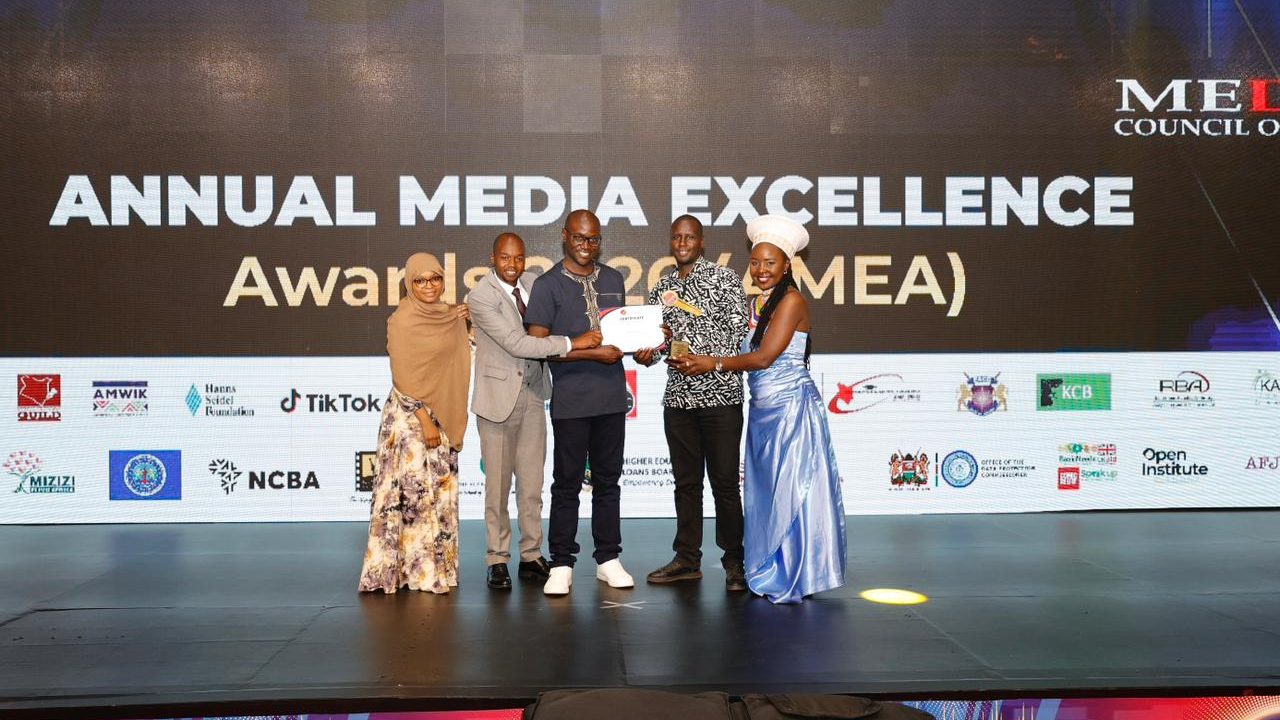
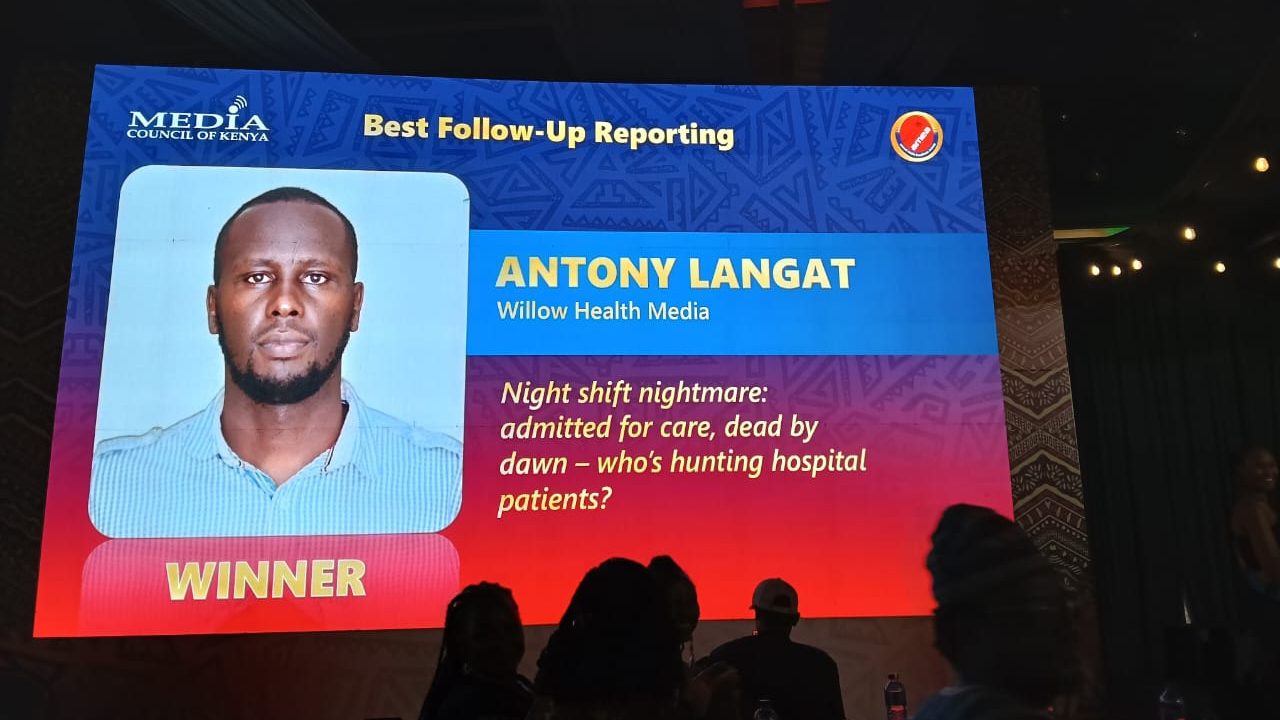
The story was meticulous, uncomfortable, and necessary. But beyond the headlines, it also forced conversations around patient safety, accountability, and hospital oversight, underscoring Willow’s commitment to public-interest and impact journalism.
“It is a great honour to be named winner of the Best Follow-Up Story at the AMEA 2026,” Langat said.
“This is a Willow win and is just the beginning of bigger, better things to come. It goes to show the important stories that we tell at Willow.”
Stories Rooted in Communities
Asha Bekidusa earned a first runner-up finish in the Agriculture and Food Security category for her reporting from Vanga, a coastal community whose relationship with rice farming and food systems she brought to national attention in Salty Wasteland: The Sea Stole Our Harvests, Now We’re Full-Time Beggars.
The story documented how climate change and rising salinity were slowly destroying livelihoods, leaving entire communities staring at food insecurity and economic collapse.
What made the story resonate was not just the reporting, but the trust it required.
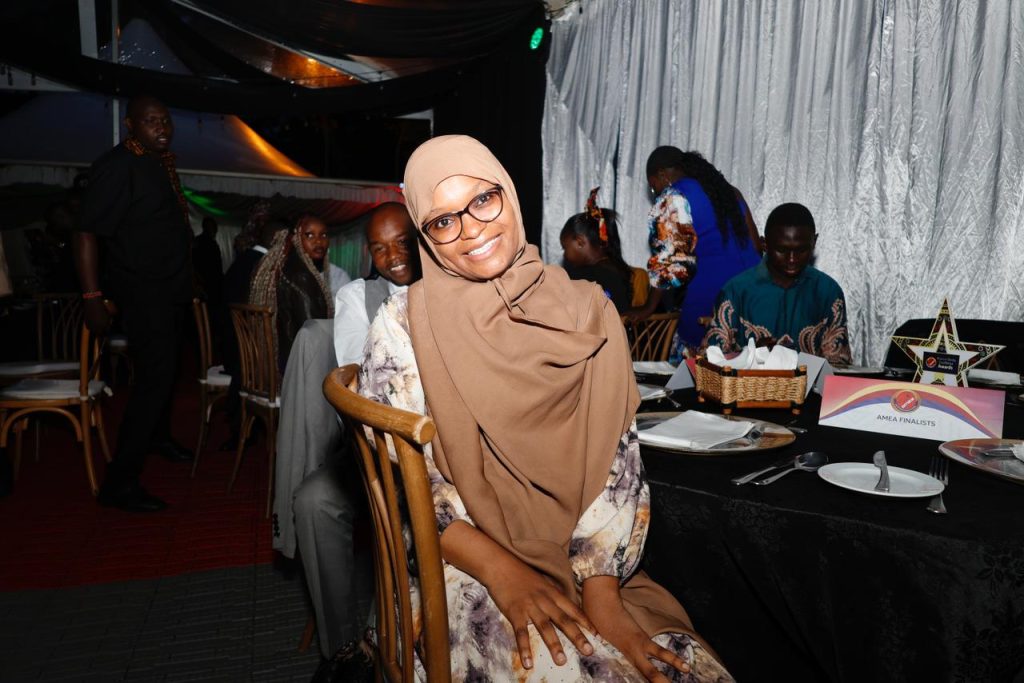
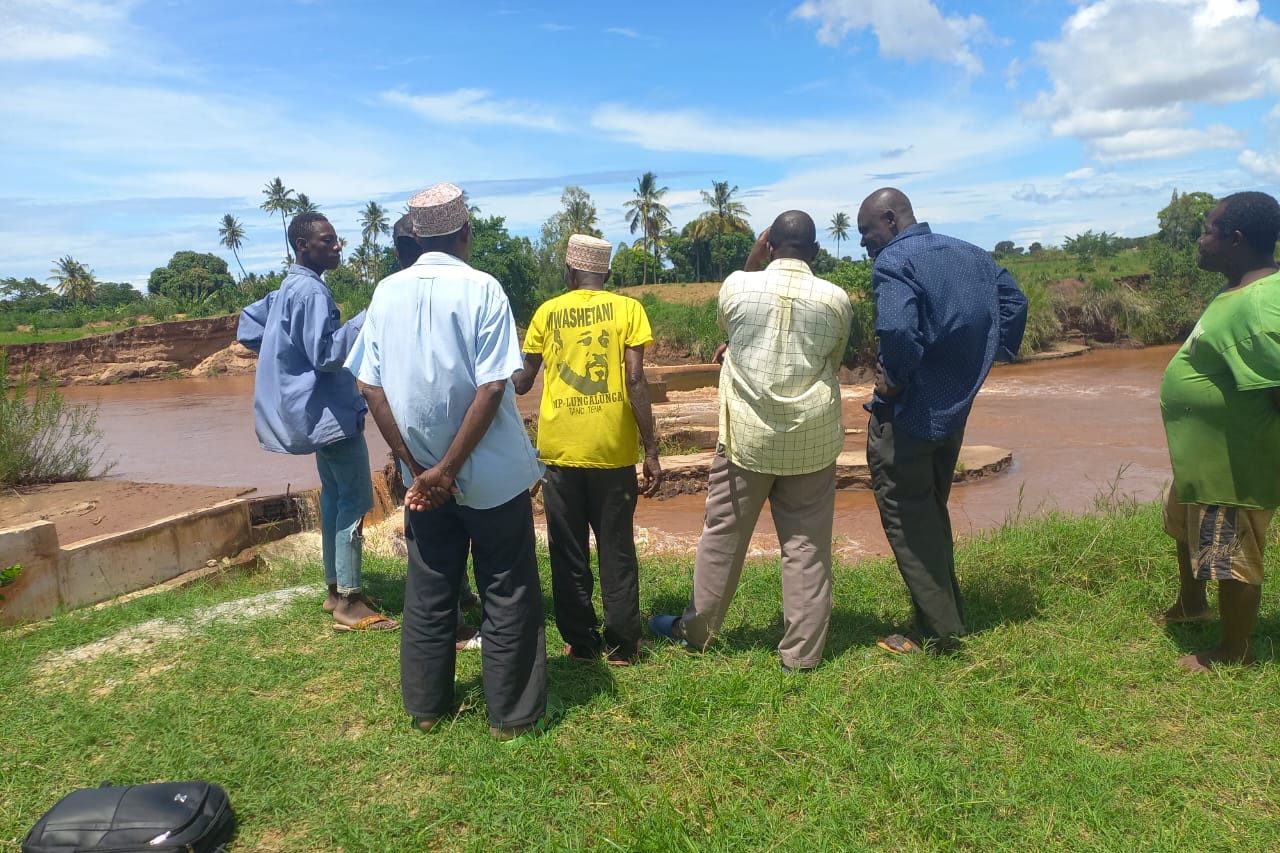
“I’m glad that the people of Vanga took their time to talk to me about their issues,” Bekidusa said.
“It shows that they trust Willow with their most sensitive stories. It’s not easy for a community to open up when they have a problem.”
For Bekidusa, the award carried particular meaning because it was the first story she filed after joining Willow.
“It was my first test to see if I fit,” she said. “Thank God the journey has been smooth.”
Human Stories, Told With Dignity
Yvonne Kawira received a first runner-up recognition in the Gender and Inclusivity category for Unconditional Love: I Refused to Abandon, Kill My Intersex Child, a deeply reported piece that followed the journey of a Kenyan mother who defied cultural pressure, family rejection, and social stigma to raise her intersex child.
The story traces the life of Phresha Kagonya, who fled her home with her child after her partner’s rejection, navigated homelessness, school expulsions, and threats of abandonment and violence.
The piece also placed Kenya’s personal stories of intersex families within the broader legal and medical landscape, documenting how Kenya has become a continental leader in intersex inclusion following landmark court cases and policy reforms.
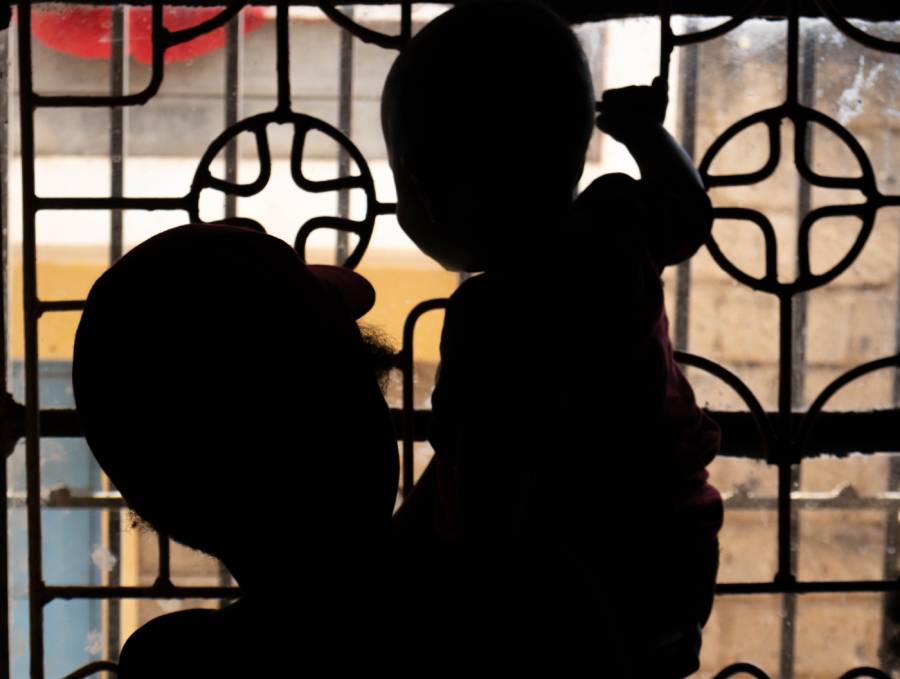
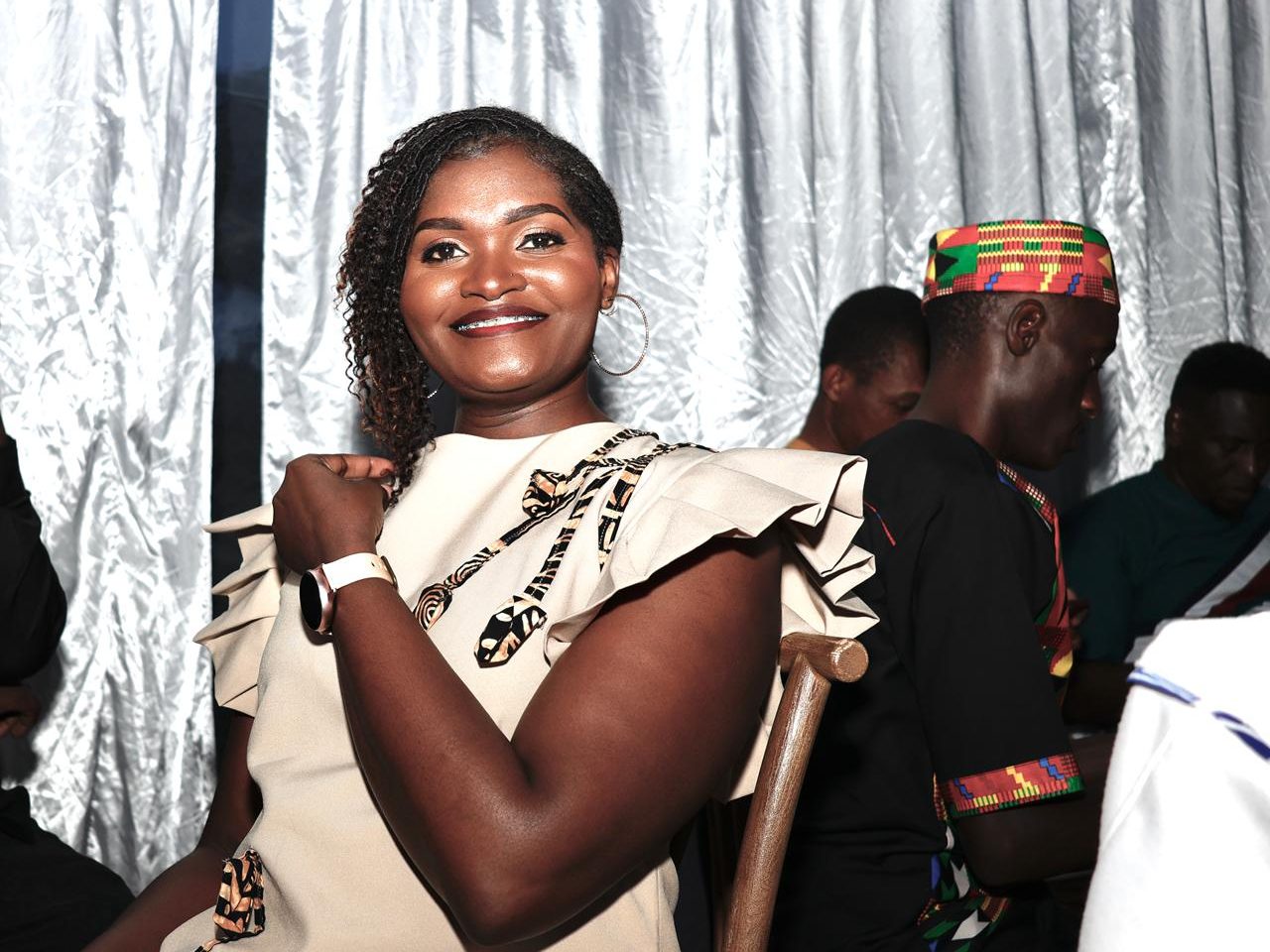
Kawira approached the subject with sensitivity and precision, gathering testimonies from intersex individuals, medical experts, and advocates to build a narrative that was both deeply human and rigorously evidenced.
Willow Health Media’s Motion Magician, Timon Abuna, was also recognised through a nomination for his skilful videography work on the story. His visual storytelling brought emotional depth, sensitivity, and humanity to the experiences of intersex individuals and families featured in the piece, helping audiences engage more intimately with often misunderstood realities.
“It is commendable to see that the thorough work we do here is recognised externally,” Kawira said upon receiving the award.
“This is motivation to take it even higher.”
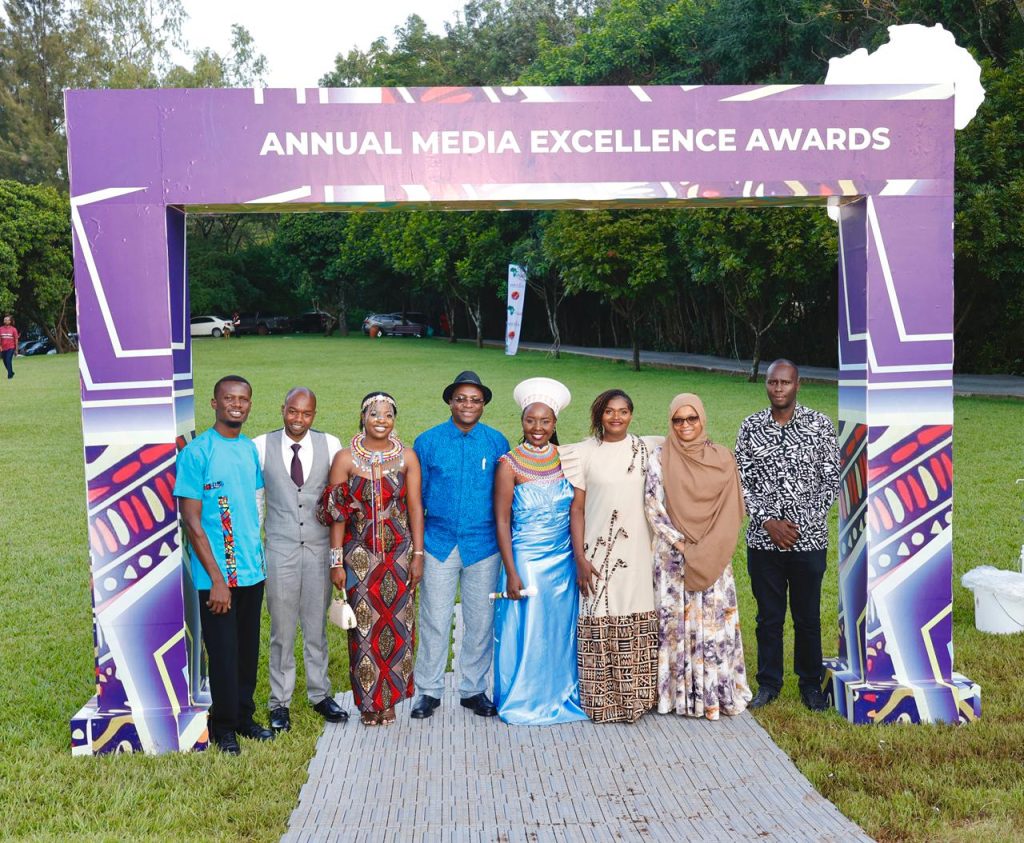
A newsroom that chose depth
The awards were also a collective moment for a team that has operated with a clear editorial conviction since it opened its doors in late 2024.
Health journalism, the newsroom has insisted from the beginning, is accountability journalism. It is public-interest journalism. It is solutions journalism. And at its core, it is journalism about people.
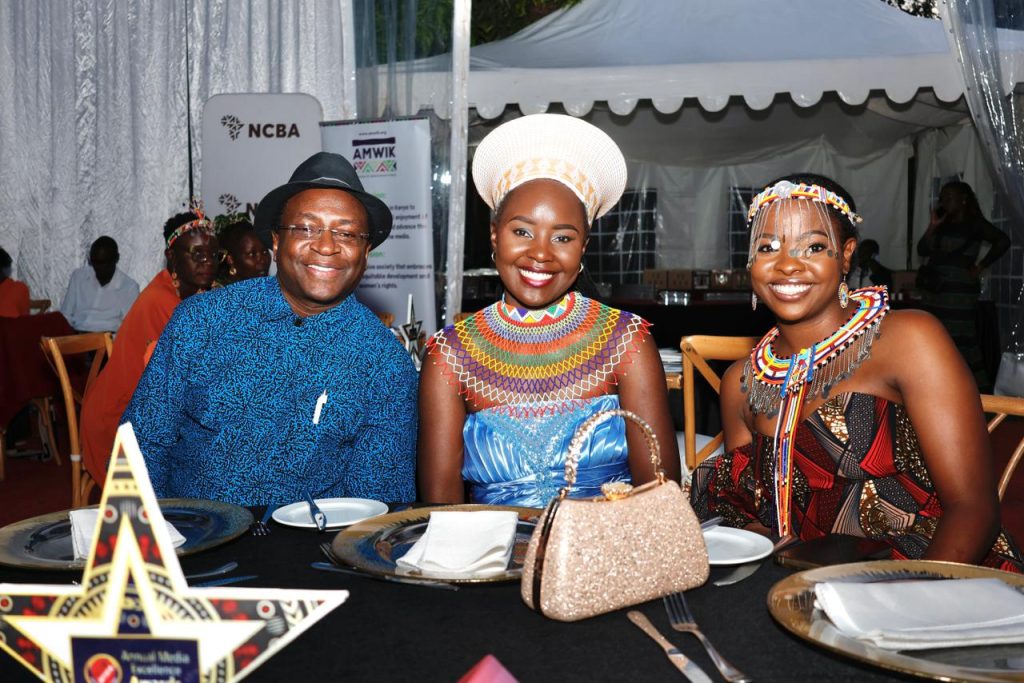
Dr Mercy Korir, who founded the newsroom and has guided its editorial vision, described the night as a vote of confidence from senior peers in the industry.
“I don’t have enough words to describe my joy and gratitude to my team for their dedication and buying into my vision unreservedly, pushing on daily to be the best in each and everything they do at Willow,” she said.
In another message shared with the team after the ceremony, she added: “Well done Team Willow… you’re the crazy ones who jumped on board, you have earned the recognition and the awards.”
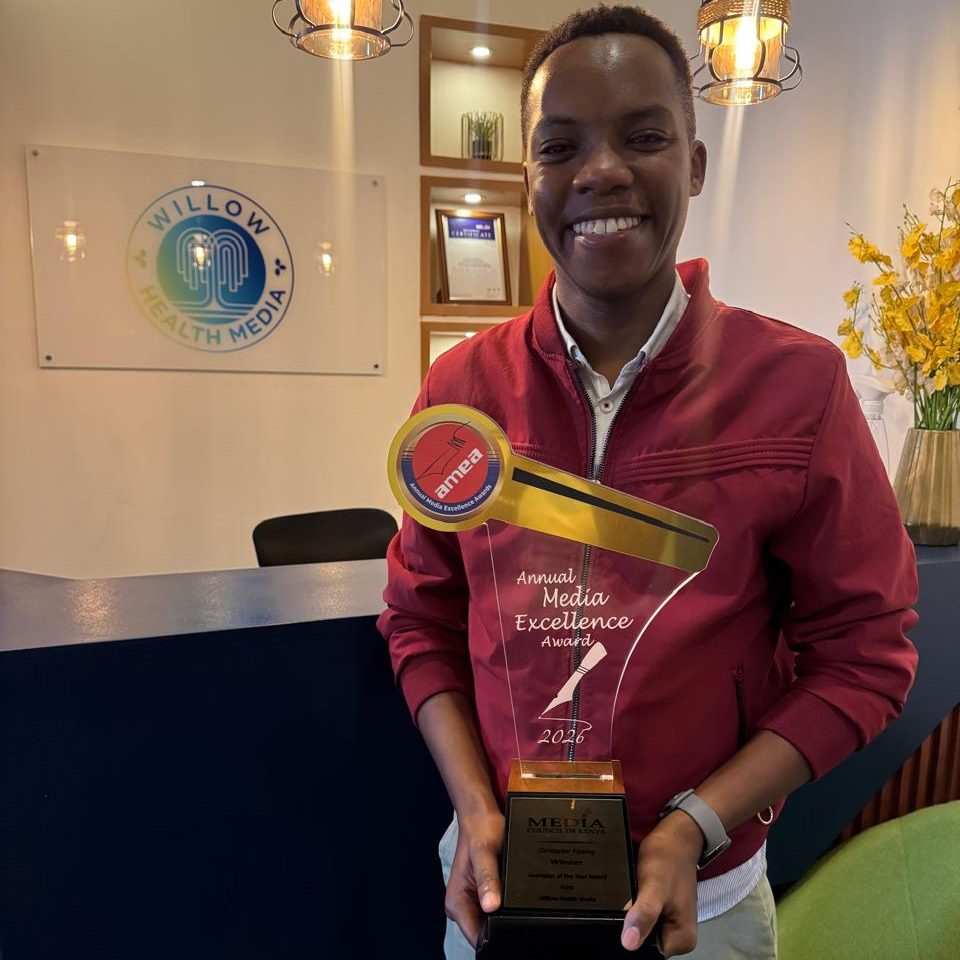
The pride inside the newsroom lingered long after the ceremony ended. Over the weekend, Willow’s Video and Audio Editor, Moses Maweu, could not wait until Monday and made his way to the office just to see and hold the awards himself, a small but telling reflection of what the recognition meant to a young team that has spent the last year and a half building something from scratch.
For a newsroom barely a year and a half old, the night carried a deeper meaning.
In an industry dominated by legacy institutions with decades of history, Willow Health Media’s wins signalled that a small, specialised newsroom could still shape national conversations through depth, trust, originality, impact, and relentless reporting.
Congratulations to all the winners, finalists, and nominees at the #AMEA2026 Annual Media Excellence Awards.
Your work continues to push Kenyan journalism forward through courage, creativity, accountability, and storytelling that matters. Here’s to the journalists, editors, producers, photographers, videographers, and newsrooms keeping public-interest journalism alive every day.
Photos by Timon Abuna.






Congratulations team🎊🎊🎊super proud