


Kenya Editors Guild forum puts systemic failures in maternal care under the spotlight. Dr Korir’s panel calls for scale, coordination and quality-assured commodities.
When a mother or newborn dies in a Kenyan health facility, the nurse or midwife on duty is often the first to be blamed, while the referral delays, missing equipment and staff shortages behind the death go unexamined. That was the picture painted for the country’s editors this week, as health leaders called for proven maternal and newborn interventions to move beyond pilot sites and into every county.
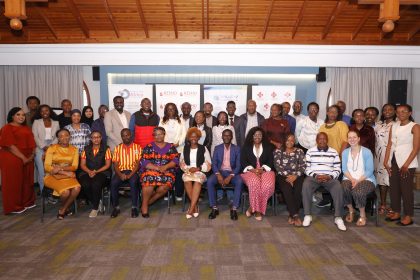
Willow Health Media’s CEO and Editor-in-Chief, Dr Mercy Korir, moderated the panel, themed “Beyond the pilot: Making quality care work in every county”, at the Editors’ Forum on Maternal, Newborn and Child Health organised by the Kenya Editors Guild (KEG) at the Serena Hotel in Nairobi.
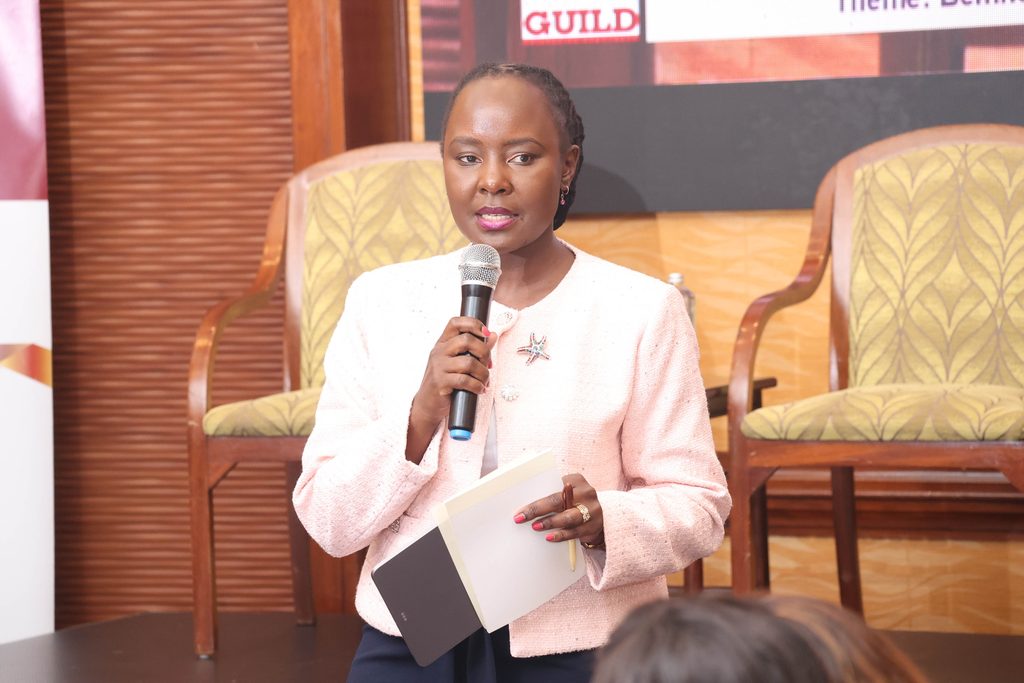
The panel focused on the gaps holding back progress: a shortage of health workers, duplicated programmes that target the same mothers, medicines of unverified quality, weak use of data and limited emergency obstetric care. Only 37 per cent of health facilities offering delivery services provide all seven basic emergency obstetric functions, according to the Ministry of Health (MoH).
The stakes are clear in the numbers, as MoH reports that under-five mortality has fallen from 41 to 37 deaths per 1,000 live births. Yet neonatal mortality remains high at 19 per 1,000, against a national target of 12. The gap between the two is why the panel focused on turning successful pilots into everyday care across the country.
The forum was under the theme “Behind the Headlines: How Kenya’s Mothers and Babies Stay Healthy and Thrive”
Dr Korir was joined by Dr Mary Maina, Chair of the Inter-County Maternal and Perinatal Death Surveillance and Response (MPDSR); Dr David Mukanga, Deputy Director, Integrated Development for Africa Regulatory Systems, Gates Foundation Global Health; Prof Francis Wafula, Associate Professor of Health at The Aga Khan University; and Dr Matiko Riro, Co-founder of the Savannah Global Health Institute.
The forum, held under the theme “Behind the Headlines: How Kenya’s Mothers and Babies Stay Healthy and Thrive”, brought together experts from healthcare, academia and global health organisations.

Principal Secretary for Medical Services Dr Ouma Oluga, the chief guest, urged editors to look beyond individual deaths and examine the systemic failures behind them, including referral delays, gaps in access to essential services and inadequate emergency obstetric care.
Dr Oluga said the low share of fully equipped delivery facilities makes targeted investment and accountability essential. The Government, he said, is equipping 635 health facilities with obstetric and neonatal equipment and plans to recruit 5,000 additional midwives under the Every Woman Every Newborn Everywhere (EWENE) Acceleration Plan.
Dr Korir challenged the media to have tools needed for interrogating maternal and child health info for accurate reporting
He asked media houses to dedicate a daily one-minute health awareness slot on radio and television. “It will speak louder than the headlines,” he said. Dr Oluga encouraged expectant mothers to begin antenatal care early, complete the recommended eight visits and attend postnatal follow-ups. He added that 33.7 million Kenyans are now registered with the Social Health Authority (SHA).

Dr Korir opened the panel by taking the plenary through the EWENE Dashboard, giving participants a common understanding of the data before the discussion began. She explained that the dashboard works in real time, with every death updated as it occurs, citing Garissa County, which records each maternal and newborn death on the system as it happens across its health facilities.
She challenged media practitioners to equip themselves with the tools they need to interrogate maternal and child health information and report accurate numbers from across the country.
“Journalists should utilise the digital devices they already own, such as phones and computers, to access the digital health systems where they can get correct information on the maternal and child health situation in the country,” she said. Dr Korir urged reporters to keep the numbers at their fingertips so they can hold those in authority to account.
Many plans target the same mother without knowing about one another
Dr Maina said frontline health workers have long carried the blame for a dysfunctional health system, often before anyone understands the circumstances of a death. The MPDSR process exists to review each death, establish what went wrong and identify what can be fixed, so that the same failures are not repeated.

Prof Wafula said the biggest challenge lies in the health worker-to-patient ratio. “We have a lot of health care workers in the region of about 200,000, but we still have a gap of nearly 24 per cent in terms of what is called the needs-based gap,” he said.
Dr Riro said duplicated efforts are undermining maternal and newborn health gains. “Many plans target the same mother without knowing about one another,” he noted. To fix this, he proposed a Digital Public Infrastructure for Health Planning that would link financial and health data to track funding, cut duplication and help reach the most vulnerable.
“Quality-assured commodities are the backbone of safe maternal and newborn care,” said Dr Mukanga. He described a medicine that is not registered by the regulator as “a promise, not an intervention,” since families cannot verify its quality for themselves.
Willow Health Media remains committed to evidence-based reporting that keeps maternal and newborn health on the public agenda
Dr Mukanga said the Gates Foundation has supported the Kenya Pharmacy and Poisons Board to reach World Health Organization (WHO) maturity level three. Registration alone, he added, is not enough: products must also be included in guidelines, listed on the essential medicines list, procured and delivered to facilities.

The forum gave editors and health leaders a chance to examine the systems, partnerships and investments needed to turn successful interventions into accessible, quality maternal, newborn and child healthcare in every county.
As a health-focused media house, Willow Health Media remains committed to evidence-based reporting that keeps maternal and newborn health on the public agenda and holds decision-makers accountable for results.