

Beatings are linked to miscarriage. Sexual abuse brings infections that can trigger early labour. Insults and threats breed anxiety and depression. Yet antenatal clinics often miss the signs, even when the abuser is sitting right beside her.
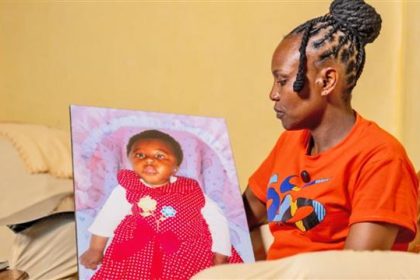
Nancy Khadija was only 20 when she became pregnant. She had hoped for a journey into motherhood filled with love and support. Instead, she says, she endured physical violence and verbal insults from her partner while struggling to access medical care and find somewhere safe to turn.
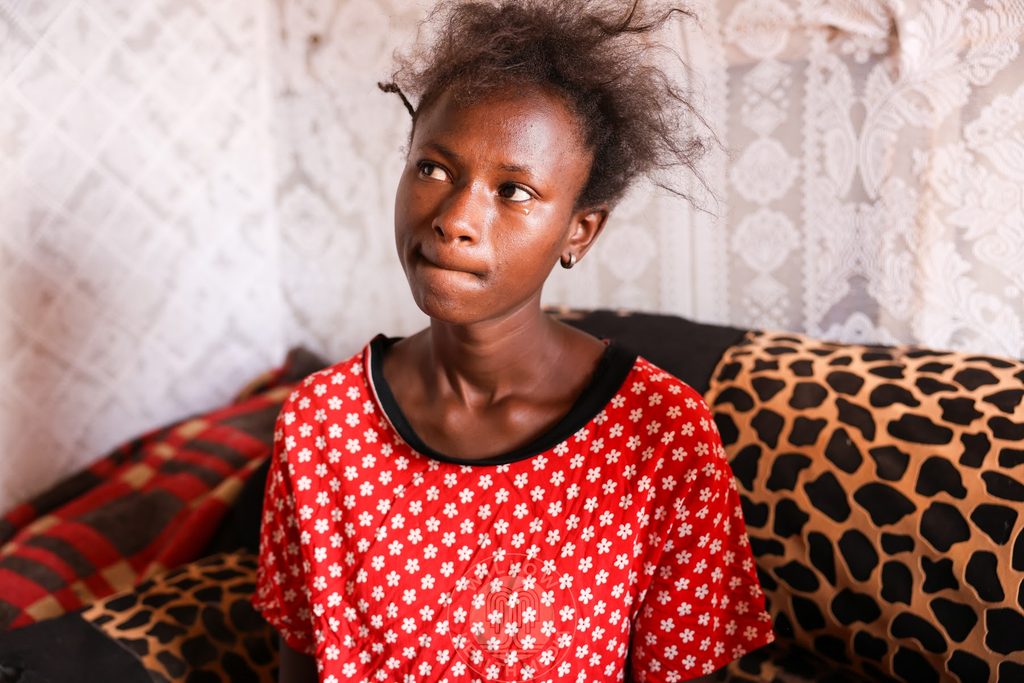
Raised by her aunt in Laikipia after losing her parents, Nancy left school in Class Five and worked at her aunt’s hotel, where she met her partner. When she became pregnant, her aunt said the father should support her, and he took her to Nanyuki, where he lived.
But the situation soon changed. “He would sometimes come home drunk and beat me, even when I was pregnant. He would beat me and insult me,” Nancy recalls.
The violence continued as she attended antenatal clinics. She remembers weighing 44 kilograms and being advised by doctors to avoid stress and strenuous work. “I had nowhere else to go. My aunt was very strict, and I could not ask her to take me back. She would not have accepted me again in that condition.”
One day, she woke up bleeding. A neighbour tried to reach her partner for money for a scan, but he reportedly said he had none. A private facility asked for Ksh1,500, which Nancy could not afford, so the neighbour took her to a county government hospital. “When we arrived, I did not have SHA cover. I do not have a national ID card, and I still don’t have one.”
Her partner became verbally abusive after miscarriage and, despite promising to change, grew worse during her next pregnancy
While she was seeking care, she lost her baby. Back home, her partner accused her of causing the baby’s death. “He told me to find somewhere else to go and said I could no longer stay in his house.”
Nancy eventually turned to her brother in Nairobi. Her account does not establish that the violence caused her pregnancy loss, but it shows how abuse can intersect with financial dependence, limited social support and difficulty accessing healthcare.
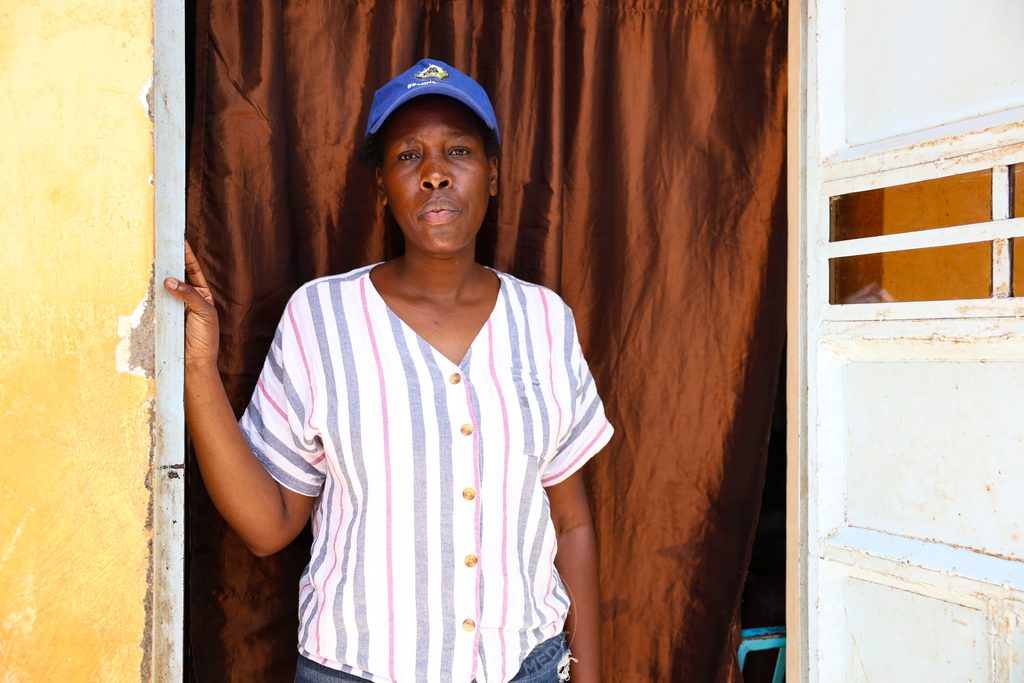
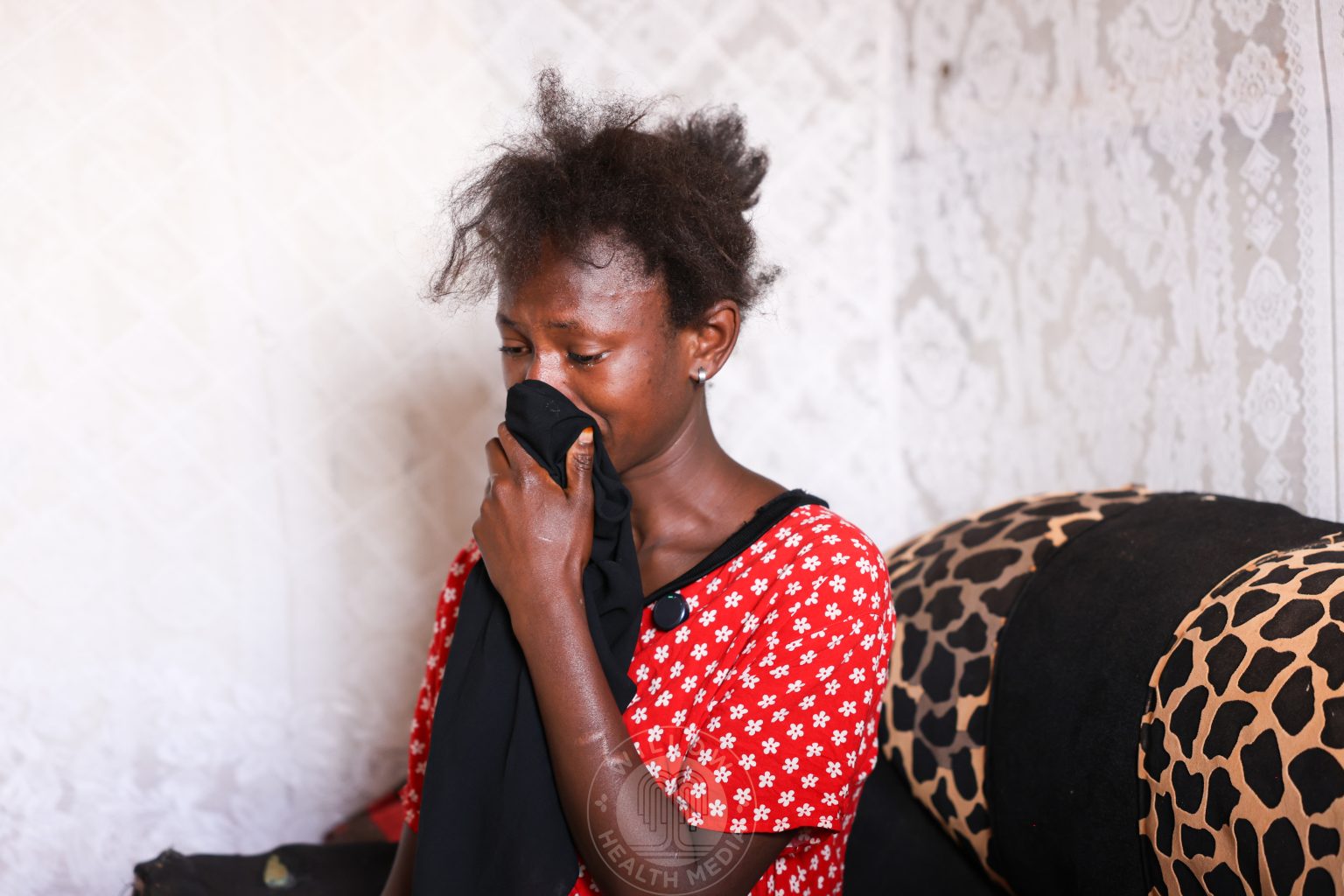
For Faith Salano, four months pregnant when interviewed, the abuse took different forms. She says her partner became verbally abusive after an earlier miscarriage and, despite promising to change, grew worse during her next pregnancy. “When I asked him for something, such as food, because my pregnancy had been difficult, he would become angry. He would walk out and stay away for as long as three days, leaving me hungry,” she says.
Faith suffered severe headaches, vomiting and back pain, some of it during periods of conflict. A doctors’ strike had disrupted services at a nearby hospital, and she could not afford treatment elsewhere. She moved in with her sister, but the abusive messages and calls continued until she blocked her partner’s number.
Fearing her partner might find her, and that her community would judge her, Faith hesitated to speak out. When she finally sought help, she underwent tests, received medication and was referred for counselling. “I was also referred to a counsellor because I was told that even if I took medication, the headaches would not go away as long as I was still under stress,” she says.
Kenya has policies to integrate gender-based violence care into maternal health services, but follow-up support, enforcement remain weak
Their experiences reflect a wider and often hidden problem. Violence during pregnancy can harm a woman’s physical and mental health and has been linked to miscarriage and preterm birth.
Yet abuse often goes unnoticed in antenatal clinics, where the perpetrator may sit beside the woman. Kenya has policies to integrate gender-based violence (GBV) care into maternal health services, but experts say follow-up support, shelters and enforcement remain weak.
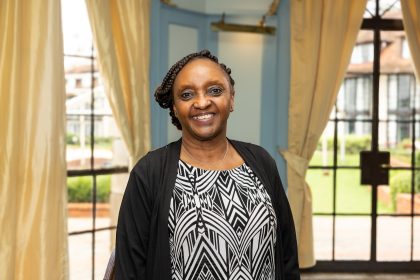
Clinical researcher Prof Nyawira Gitahi of the Kenya Medical Research Institute (KEMRI) says pregnancy and the postpartum period are particularly vulnerable stages.
“During pregnancy and postpartum, when women are most vulnerable, we see a higher chance of exposure to intimate partner violence or gender-based violence,” she says.
Marleen Temmerman, Professor of Obstetrics and Gynaecology at Aga Khan University, says research has associated violence during pregnancy with physical, psychological and obstetric harm.
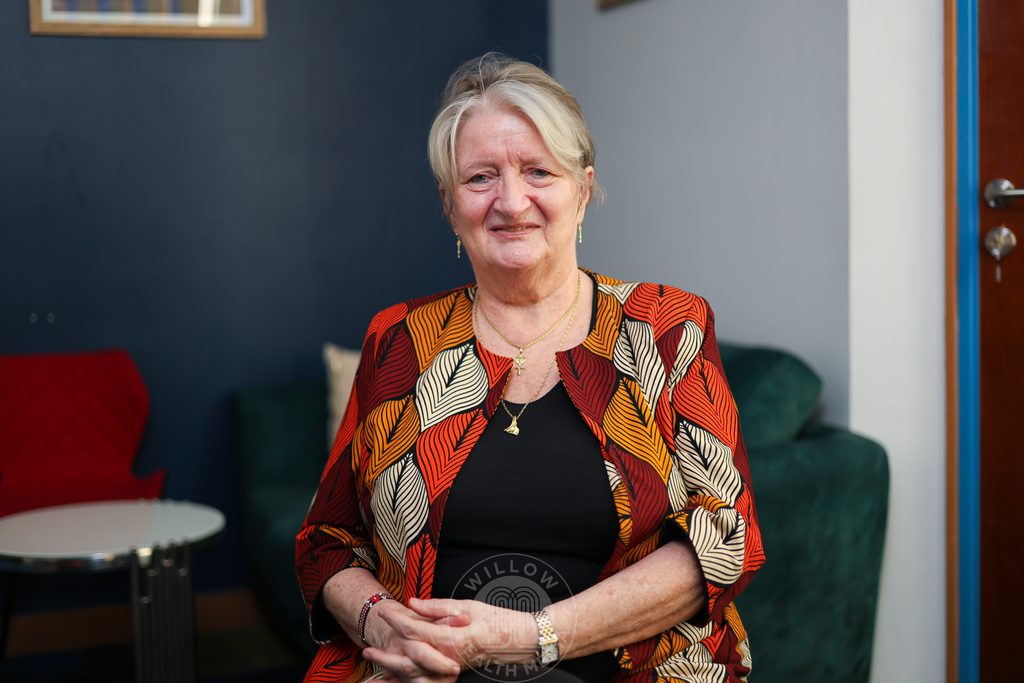
“Research has shown that it has an impact on the physical health of the woman, her mental health, but also the pregnancy,” she says. “There is a higher risk of preterm birth and miscarriage.”
“Pregnant women are already more vulnerable to infections. If there is sexual violence, for example, or sexually transmitted infections, there is a risk of ascending infections that can cause infection in the uterus, provoke contractions and lead to preterm birth,” Prof Temmerman says.
Repeated physical violence can lead to placental complications, which may present with bleeding. Prof Temmerman cautions that not all bleeding in pregnancy is caused by violence, but says health workers rarely consider abuse. “We do not think about violence when a pregnant woman comes into our facilities,” she says. “We think about the placenta and other complications, but we should also consider whether violence could be involved.”
You are made to feel that you cannot be a good mother, or threatened that your child will be taken away
Clinical psychologist Rose Njue says psychological abuse may include insults about a woman’s body, threats involving her child and humiliation intended to undermine her confidence as a mother. “Some of these things involve insults about your body. You are made to feel that you cannot be a good mother, or you are threatened that your child will be taken away,” she says.
“Chronic stress and chronic fear mean that you are always alert. This can lead to depression, anxiety or symptoms of post-traumatic stress disorder,” Njue says.
Where the abuse continues, the effects may persist after childbirth as postpartum depression, anxiety and trauma. Children growing up amid violence, fear and neglect may also be affected.
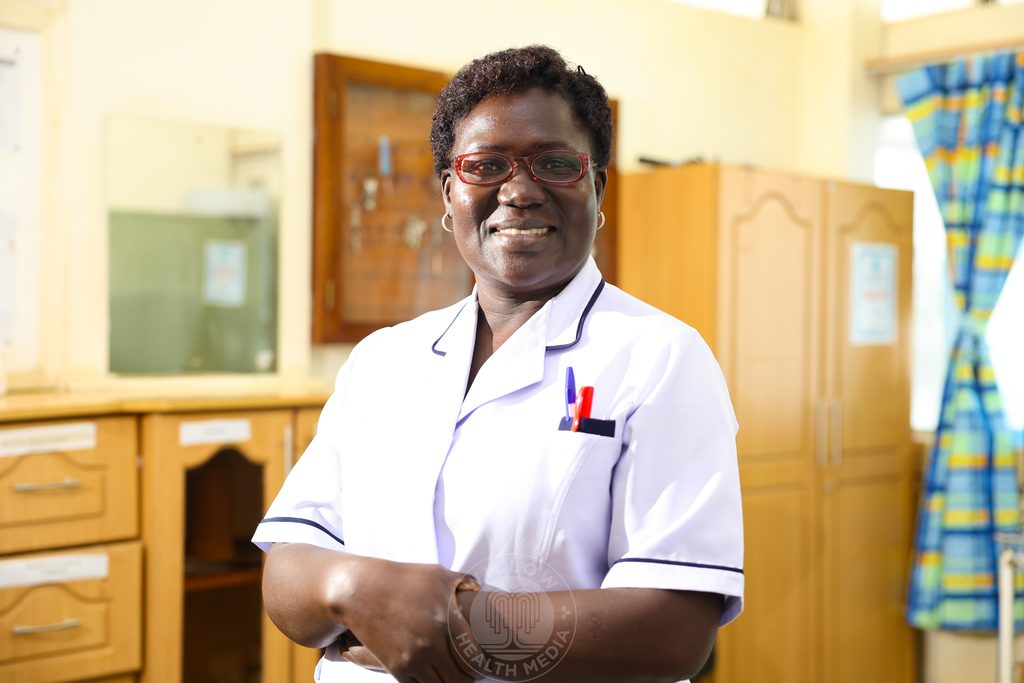
At Kenyatta National Hospital, antenatal nurse and midwife Dorothy Kennel says intimate partner violence is hard to identify because the abuser may accompany the woman to clinic.
“The abuser is somebody the mother stays with and lives with. When they come to the clinic, they may be accompanied by that person. It is something that remains silent,” she says.
Health workers can observe a woman’s condition, mood and behaviour, and ask whether she feels safe at home or has ever been slapped, kicked or verbally abused. Privacy is essential.
“You remove her from the people she has come with. You give her privacy and confidentiality so that she can be able to confide in you,” Kennel says.
Emmaculate Otieno, a nurse and midwife at Marie Stopes, agrees that attending clinic with a partner does not mean a woman is safe. “She should be treated as an individual case. We need to ask questions privately, conduct a physical assessment, take her history and make screening routine,” she says.
Community health promoters (CHPs) also help identify abuse and link women to services
Once abuse is identified, health workers should assess any immediate threat, provide medical and emotional support and link the woman to services. “We provide emotional support by linking them to support groups. If there is a need for legal action, we do not coerce them. With their consent, we can follow up,” Otieno says.
Community health promoters (CHPs) also help identify abuse and link women to services. Josephine Barasa, a CHP and GBV champion in Westlands Sub-county, describes what she sees. “Out of every 10 women who visit the facility, at least two have a gender-based violence issue,” she says. She believes the true number may be higher.
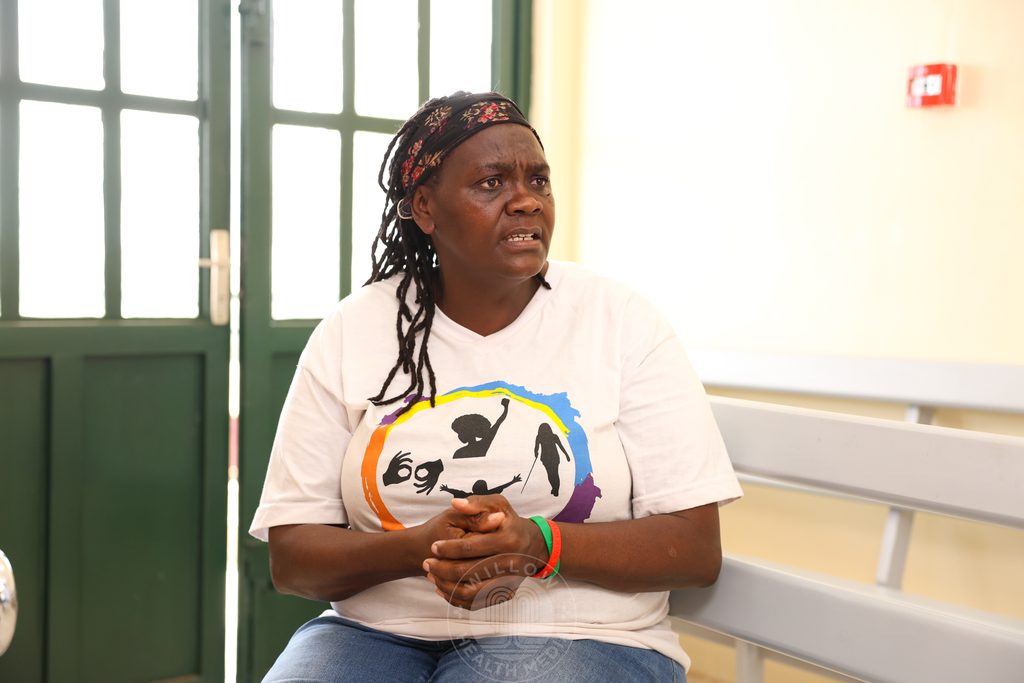
Barasa has noticed women with injuries or who become withdrawn, and links some cases to economic hardship. CHPs hold group discussions with pregnant women at clinic visits, and private sessions for those uncomfortable speaking in front of others. “For those who feel they cannot disclose their issues, we have a one-on-one session,” she says. “Most of them are opening up.”
Women who disclose abuse are linked to counselling, medical officers and, where needed, the police or local administration. Some choose not to report formally, which makes follow-up difficult.
Elizabeth Washika of the Ministry of Health says Kenya’s GBV response in health is guided by four documents: the National Reproductive Health Policy 2022 to 2032, the National Guideline on Prevention and Management of Gender-Based Violence 2024, the National Guidelines for Quality Obstetrics and Perinatal Care and the National Standard Operating Procedures for Gender-Based Violence Management 2024. A quality assurance tool assesses whether facilities have trained staff, proper documentation and capacity to offer clinical care and collect forensic evidence.
Shelters are limited and many depend on private funding, leaving women in abusive homes with few options
The Ministry advocates routine GBV screening during antenatal care, but facilities must first meet minimum requirements. “These comprise trained staff, facility protocols on how to handle survivors, referral linkages, and ensuring that the privacy and confidentiality of the survivor are upheld,” Washika says.
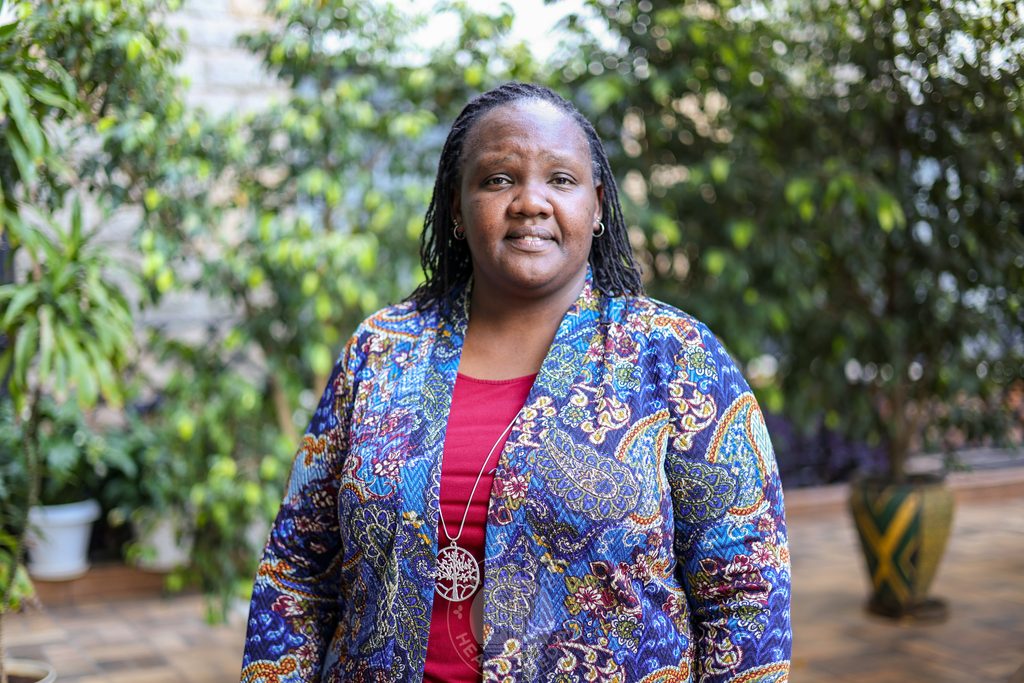
Capacity varies, with some facilities offering several services under one roof while others must refer survivors elsewhere. Supportive supervision at county, sub-county and national levels helps identify gaps in staffing, commodities and documentation.
Prof Temmerman says implementation lags behind policy. “We have more national policies and strategies, and more organisations and professional bodies are aware of the issue. We have more guidelines, but not enough,” she says.
National guidelines provide for four follow-up visits after a survivor’s first visit, she says, but many do not return.
Prof Gitahi agrees. “The area that lacks support is implementation after the victim has been able to present her case. There are no very strong structures to continue providing the support she may need,” she says.
Shelters are limited, and many depend on private funding, leaving women who need to leave abusive homes, especially with children, with few safe options.
Women lose confidence in reporting sexual and gender-based violence when perpetrators face no consequences
Prof Temmerman says postnatal visits should also be used to ask about violence, and that identifying abuse must come with protection. “Talking is good, but you also need to protect. If the situation is serious, you need to make sure that the woman and her child, born or unborn, are protected,” she says.
Njue adds that laws on sexual and gender-based violence must be enforced, because women lose confidence in reporting when perpetrators face no meaningful consequences.
The 2022 Kenya Demographic and Health Survey (KDHS) found that 41 per cent of women aged 15 to 49 who had ever had a husband or intimate partner had experienced physical, sexual, emotional or economic violence from their current or most recent partner. Only 42 per cent of women who had experienced physical or sexual violence sought help. Fear of stigma, retaliation, financial insecurity and losing their homes keep many silent.
For Nancy and Faith, violence was compounded by the struggle to find support and care. Their experiences show why maternal healthcare must look beyond routine examinations and ask whether a woman is safe at home.
Pregnancy should be a time when women can seek care without fear. That takes more than policies on paper. It calls for confidential screening, trained health workers, accessible referrals, sustained psychosocial support and protection for survivors.
Women experiencing gender-based violence can call Kenya’s National GBV Toll-Free Helpline on 1195.
We believe in the free flow of information
Republish our articles for free, online or in print, under Creative Commons licence.