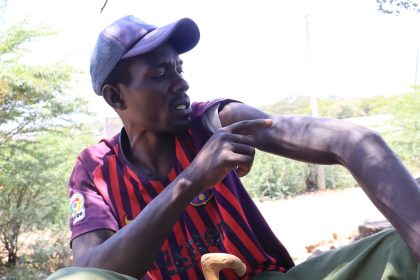


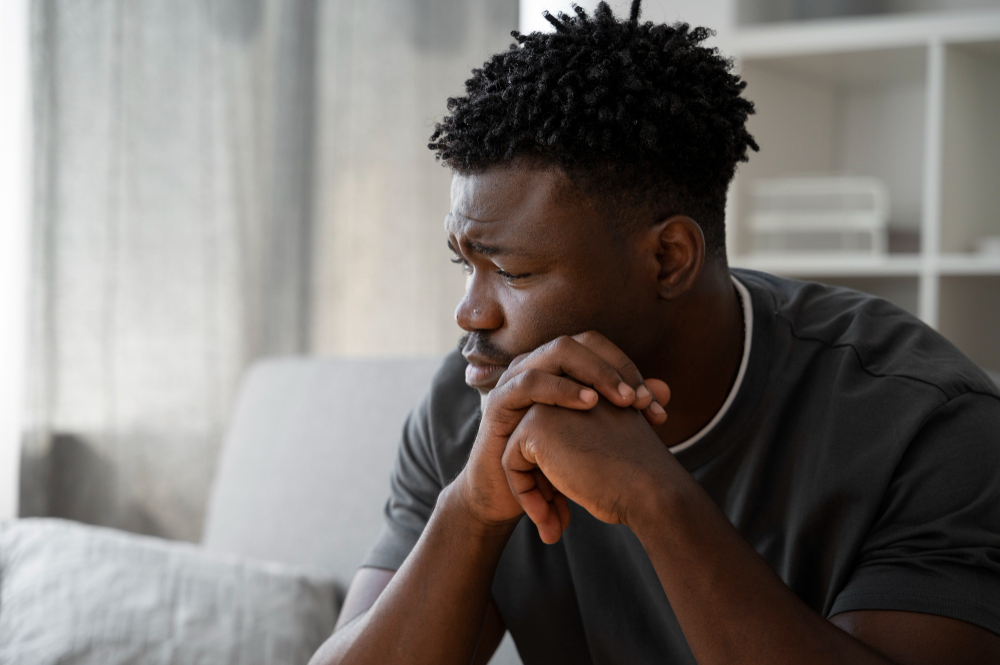
Mental health distress for men appears as irritability, persistent anger, aggression or risk-taking behaviour. Others turn to alcohol, drugs, gambling to numb emotional pain some of it from childhood trauma.
For 12 years, Daniel Orenge’s life revolved around alcohol. What began as occasional drinking in university gradually spiralled into addiction, costing him jobs, damaging his health and leaving him trapped in a cycle he struggled to escape. To those around him, the problem appeared obvious: he drank too much. But the real cause remained hidden.
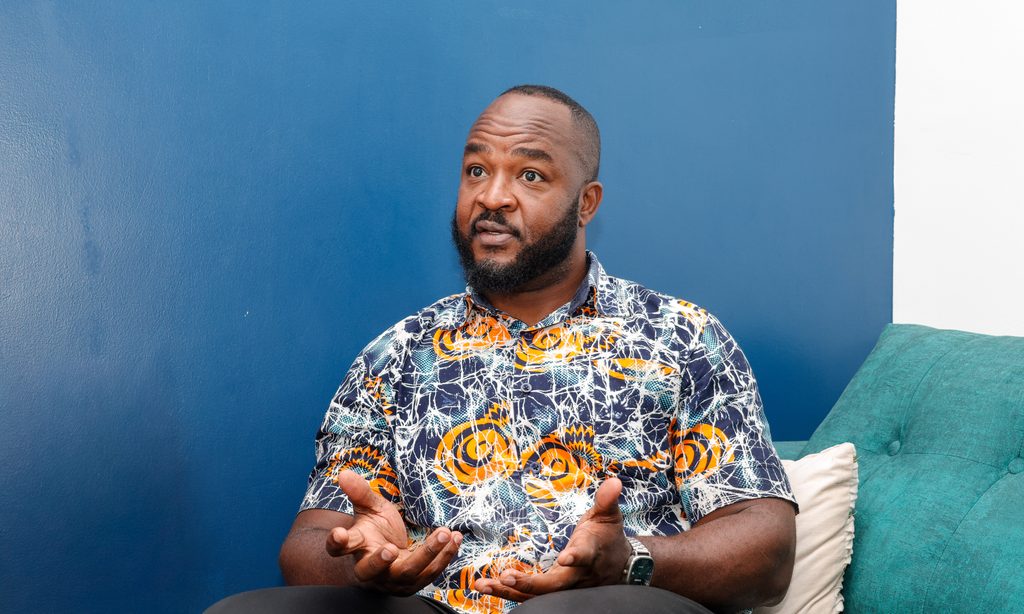
It would take three months in rehabilitation and years of therapy for Orenge to realise that alcohol had never been the root of the problem. “The addiction was what everyone could see,” he says. “But the underlying issue was much older. It had started in childhood.”
Growing up, Orenge says his family provided for his material needs, but emotional support was often absent. His father, burdened by financial losses and personal disappointments, struggled with unresolved pain of his own. “My father raised us from a scarred man’s perspective,” Orenge recalls. “A father is meant to give affirmation, appreciation and acceptance. But if he is still carrying his own pain, what he ends up passing on to his children is that pain.”
The result was a childhood marked by low self-esteem, self-doubt and a fragile sense of identity. Although he occasionally flourished in environments where teachers encouraged and affirmed him, the emotional wounds remained.

When he turned 18, freedom became his escape. Alcohol first offered temporary relief from years of suppressed emotions. Before long, drinking became a daily habit. As his dependence deepened, he also began using other substances like cannabis or pot and mogoka, lost several jobs and experienced repeated alcohol-related medical emergencies that nearly claimed his life.
“I knew I had a problem, but I didn’t know how to get out,” he says. “Nobody wants to become addicted. People see the behaviour and call you a drunk, but alcoholism is a disease of the brain. The drinking is the behaviour. It is not the whole condition.”
His turning point came after losing yet another job because of alcohol misuse. Exhausted and desperate, he agreed to enter rehabilitation.
There, he encountered an explanation that changed how he viewed himself. “They taught me that addiction can stem from childhood trauma together with genetic predisposition,” he says. “When I understood that, I finally felt free. It stopped being about me being a bad person and became about understanding what had happened to me.”
Today, six years after completing rehabilitation, Orenge has remained sober.
Instead of hiding his story, he now uses it to help others. A certified mental health coach, he works one-on-one with men battling addiction and emotional struggles while speaking in churches, workplaces and community forums about mental wellbeing.
His next initiative is designed around a simple but often overlooked concept: creating safe spaces where men can exercise together, talk openly and seek support without fear of judgment. “I have realised men don’t struggle because they lack strength,” he says. “They struggle because they don’t have spaces where they can be authentic.”
His experience reflects a broader challenge. According to the World Health Organization (WHO), more than one billion people globally are living with a mental health condition, yet most do not receive adequate care, particularly in low- and middle-income countries. Mental health conditions such as anxiety and depression are now among the leading causes of long-term disability worldwide.
In Kenya, the challenge is equally significant. The Ministry of Health estimates that 75 per cent of people living with mental health conditions do not receive the care they need, while WHO reports that one in four people seeking healthcare in Kenya has a mental health condition, including depression and substance use disorders.
Mental health experts say men often face an additional barrier: they are less likely to seek help until their struggles have escalated into crisis.
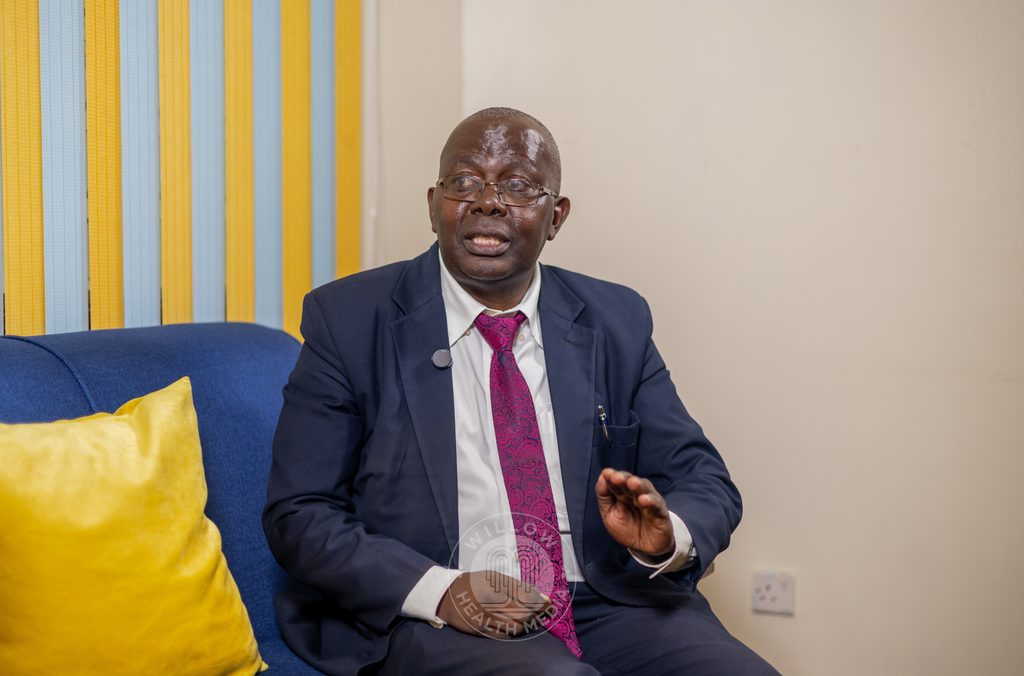
Counselling psychologist Cleopa Njiru says many of the challenges men face begin long before adulthood. “From childhood, boys are socialised to be strong,” he explains. “They are taught to solve problems, to achieve and to keep going. Very little attention is given to helping them recognise or express their emotions.”
According to Njiru, this socialisation means many men grow up believing vulnerability is a weakness rather than a normal part of being human. Instead of talking about sadness, fear or disappointment, they often suppress those emotions.
Over time, the emotional burden can surface in unexpected ways. “The stress levels among men are often very high because they constantly feel the need to provide, achieve and succeed,” he says. “When stress is not managed, it can develop into depression or anxiety.”
Unlike the stereotypical image of depression, he explains, men may continue going to work and meeting their responsibilities while silently struggling.
Instead, their distress may appear as irritability, persistent anger, aggression or risk-taking behaviour. Others turn to alcohol, drugs, gambling or compulsive behaviours in an attempt to numb emotional pain.
“Many men end up self-medicating,” Njiru says. “The addiction becomes what people notice, but underneath there may be untreated depression, anxiety or unresolved trauma.”
According to WHO, more than 720,000 people die by suicide every year, with suicide ranking among the leading causes of death among young people aged 15 to 29. In Kenya, approximately four people die by suicide every day, and Ministry of Health data show that men account for the majority of these deaths.
Njiru believes these statistics underline the urgent need for earlier intervention before emotional struggles escalate into addiction, violence or suicide.
Having rebuilt his own life, Orenge now believes recovery is not only about overcoming addiction but also about ensuring men have places where they can speak openly before their struggles escalate.
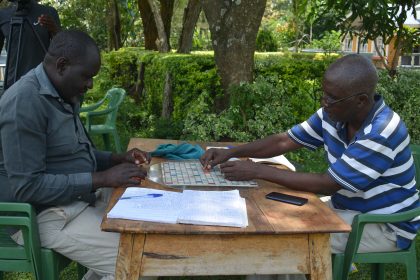
His latest initiative will bring men together through fitness sessions followed by guided conversations, with plans to organise weekend camps where participants can exercise, bond and discuss the challenges they face without fear of judgment. “Men struggle with being authentic because of the definitions of masculinity that society has placed on us,” he says. “Many men don’t know how to ask for help because asking for help has been defined as weakness.”
He says many conversations among men remain superficial, revolving around careers, business and financial success while deeper struggles are hidden. “You’ll find a man struggling in his marriage, battling addiction or carrying guilt, but when men sit together they’re only talking about how much money they’ve made or the next business deal,” he says. “We’ve been taught not to express emotions like empathy, compassion or vulnerability, so what eventually comes out is anger. But anger is rarely the real issue; it’s often the result of years of suppressed emotions.”
For Orenge, creating safe spaces is about helping men reconnect with those emotions before they manifest as addiction, violence or emotional breakdown. “I believe a strong man is a man who is free,” he says. “When you help one man heal, you change a family, and when you change families, you change society.”
Njiru agrees that safe spaces can play a critical role in improving men’s mental well-being, but only if they are intentionally designed.
“We really need to ask ourselves what we mean by a safe space,” he says. “A safe space is not simply a gathering of men. It is a forum where men are trained to listen to one another, where they can share what they are going through without judgment, and where someone with the right skills can guide those conversations.”
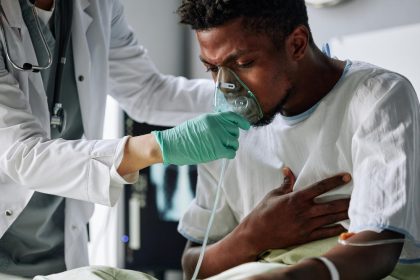
Njiru says safe spaces can take many forms, from workplace support groups and church fellowships to community forums or even moderated WhatsApp groups. What matters, he says, is that they encourage openness and provide accurate mental health information rather than reinforcing harmful stereotypes. “Sometimes what we call safe spaces are not really safe spaces because they continue promoting the same unhealthy ideas about masculinity,” he says. “Men may be together physically, but they are still not talking about their emotions or identifying the issues affecting them.”
He describes three levels of effective safe spaces.
The first is awareness, where men learn that experiencing anxiety, depression, or emotional distress is not a sign of weakness and that seeking professional help is acceptable.
The second is prevention, where men feel secure enough to discuss their struggles early, allowing peers and professionals to identify warning signs before problems worsen.
The third is treatment and recovery, where men facing specific challenges such as addiction, relationship difficulties or grief can meet regularly under the guidance of trained professionals, much like structured peer-support programmes. “In those spaces, healing begins because men are finally able to talk about what they have been carrying,” Njiru says.
He believes these conversations should not be limited to awareness campaigns held once a year.
Instead, schools, workplaces, churches and community organisations should establish permanent programmes where boys and men can regularly engage with trained counsellors and mental health champions.
“We need to stop waiting for Men’s Mental Health Month before talking about these issues,” he says. “Men need continuous support. They need experts who understand the challenges they face at different stages of life and who can help them develop healthy ways of expressing emotions and seeking support.”
For both Orenge and Njiru, the message is the same, healing begins when men are given permission to speak, and when someone is willing to listen.
As Kenya continues to grapple with rising mental health challenges, expanding access to professional care and creating safe spaces where men can be honest about their struggles may prove just as important as treating illness itself. In a society where many men have been taught to suffer in silence, breaking that silence could be the first step towards saving lives.
We believe in the free flow of information
Republish our articles for free, online or in print, under Creative Commons licence.