

Some illnesses announce themselves loudly, with fever or sudden collapse. Others enter quietly, and peripheral neuropathy belongs to the latter, often beginning with a whisper in the toes or a tingling in the fingers that people dismiss as temporary discomfort.
Slowly, damaged nerves can turn ordinary movements into daily negotiations with weakness, numbness and uncertainty.
What exactly is peripheral neuropathy?
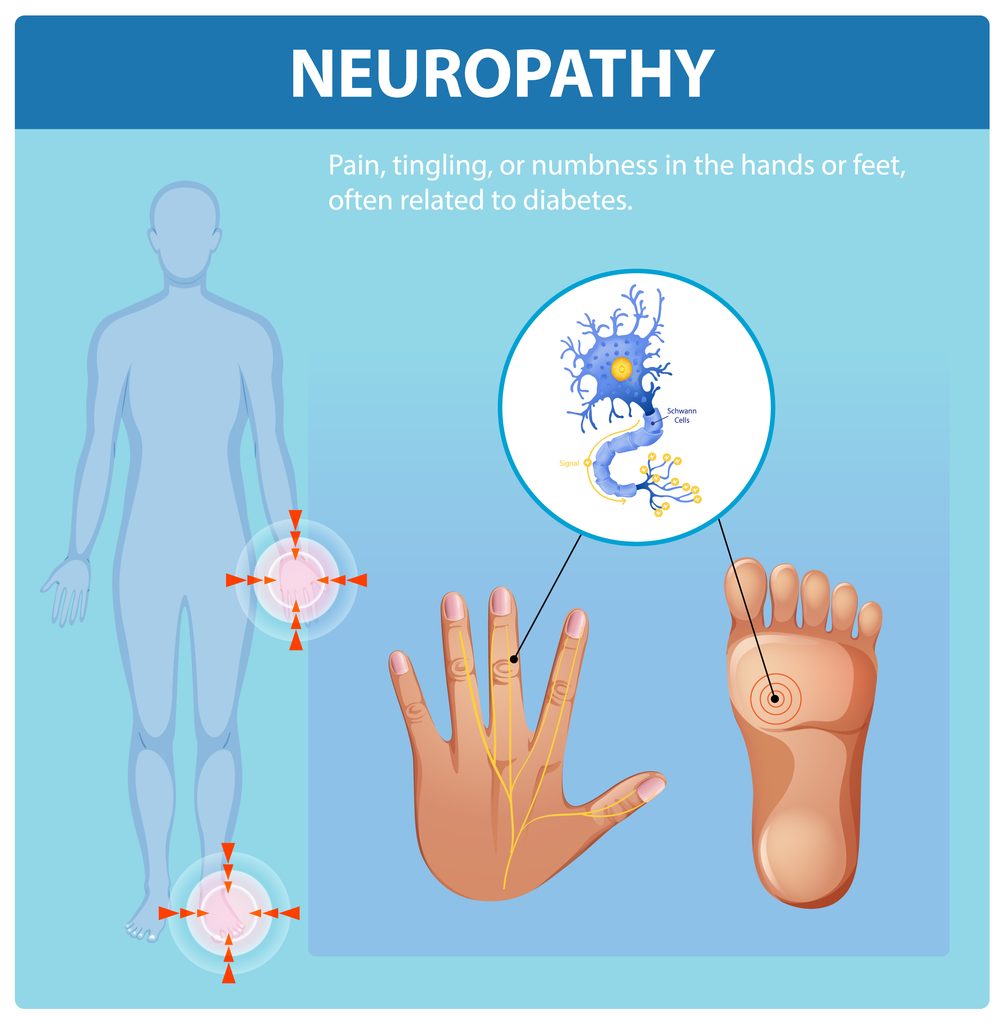
Dr Robert Ojina, a Kenyan immunologist, describes peripheral neuropathy through the geography of the nervous system. The word peripheral means away from the centre, in this case the brain and spinal cord. “The peripheral nervous system refers to the network of nerves outside the brain and the spinal cord,” Dr Ojina explains. These nerves connect the central nervous system to muscles, skin, blood vessels, glands and internal organs, carrying instructions and sensations across the body.
He added: “When these nerves are damaged or stop functioning properly, communication becomes disrupted. The result is peripheral neuropathy, a broad term covering disorders affecting nerves outside the brain and spinal cord. Sometimes one nerve is affected, while in other cases, many nerves become involved simultaneously.”
Sensory nerves help people feel touch, temperature, and pain; motor nerves control movement; and autonomic nerves regulate functions such as digestion, blood pressure, and sweating. “Damage to these different nerve systems can produce very different experiences. One person may struggle with numbness in the feet, another may develop muscle weakness, while someone else may experience digestive problems or abnormal sweating,” Dr Ojina said.
Who gets it, and why
Globally, peripheral neuropathy is not rare. Dr Ojina estimates that roughly two to eight per cent of people may be affected, with the burden increasing with age and considerably higher among people with diabetes. “Major one being usually diabetes,” he says, though alcohol, nutritional deficiencies, autoimmune diseases, infections, kidney disease, injuries and some cancer treatments can also damage peripheral nerves.
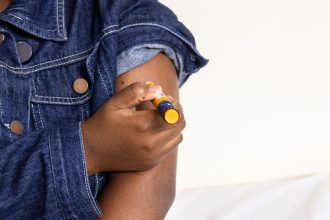
Kenya lacks a nationally representative estimate. A study at Nyeri County Referral Hospital found peripheral neuropathy in 27.4 per cent of 314 patients with type 2 diabetes, while research among adults living with HIV in Busia County reported 68.17 per cent.
Peripheral neuropathy is not covered under SHA. However, neuropathy linked to diabetes or another chronic condition may be managed under the Social Health Insurance Fund (SHIF) and, after applicable SHIF benefits are exhausted, through the Emergency, Chronic and Critical Illness Fund (ECCIF).
Chemotherapy is another important cause: some cancer medicines are neurotoxic, and Dr Ojina says chemotherapy-induced neuropathy may occur in a substantial proportion of patients on certain neurotoxic drugs, sometimes persisting after treatment ends. “Vitamin deficiencies, particularly vitamin B12 deficiency, can contribute to nerve damage. As we grow older, the risk of nerve problems increases, and diabetes, kidney disease, smoking, excessive alcohol use and obesity can further make the nerves more vulnerable,” Dr Ojina said.
How it shows up
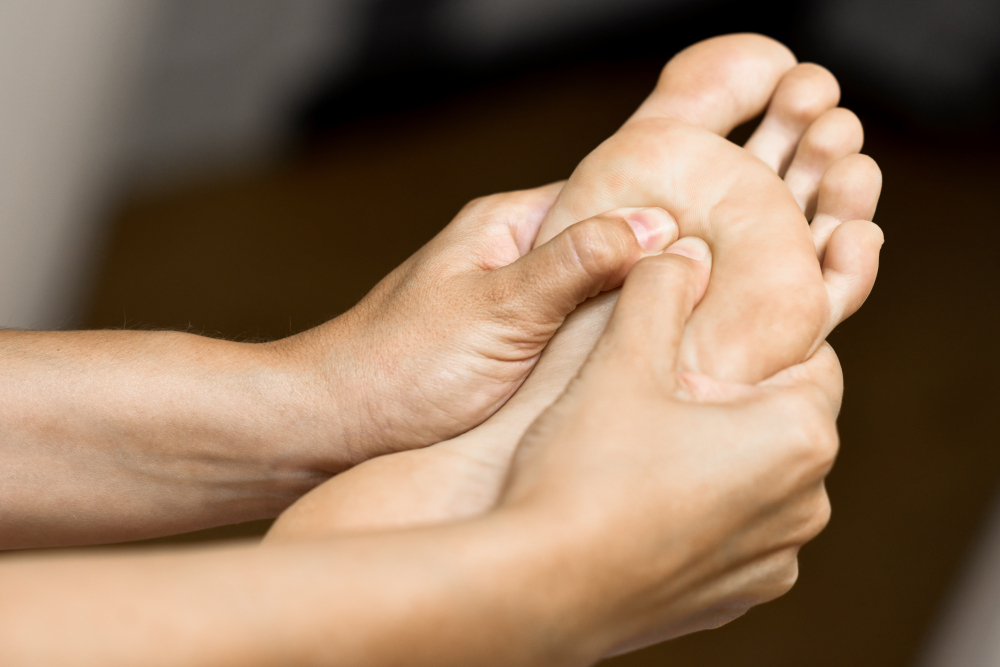
Perhaps the most unsettling feature of peripheral neuropathy is how ordinary its first symptoms can appear: pins and needles, unusual coldness in the feet, or a burning sensation a person waits for to pass. Sometimes it does. Sometimes it returns repeatedly, particularly at night, feeling like burning, stabbing, or an electric shock, and numbness can gradually spread, leaving the person less aware of temperature, pressure, or injury.
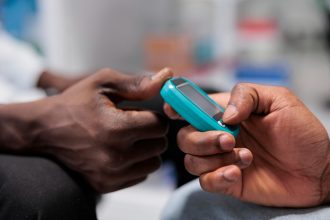
“You can have pain even with a very, very mild form of the disease,” Dr Ojina says. A person with significant nerve damage may feel little pain, while another with relatively mild disease may experience severe discomfort.
As sensation fades, the ordinary world can become dangerous: a person may step on something sharp, or a hot surface can burn the foot, before they realise the skin has been injured. “Loss of sensation can make foot injuries go unnoticed, increasing the risk of infection and ulcers. When autonomic nerves are affected, people may experience digestive problems, dizziness, abnormal sweating or bladder difficulties, symptoms that can make peripheral neuropathy hard to recognise because they resemble other conditions,” Dr Ojina said.
Not one disease, but many patterns
There is no single pattern that defines every case: some develop mononeuropathies, where one nerve is affected; others develop multiple mononeuropathies involving several nerves, while generalised peripheral neuropathy can affect many nerves at once, and hereditary forms arise from genetic conditions passed through families.
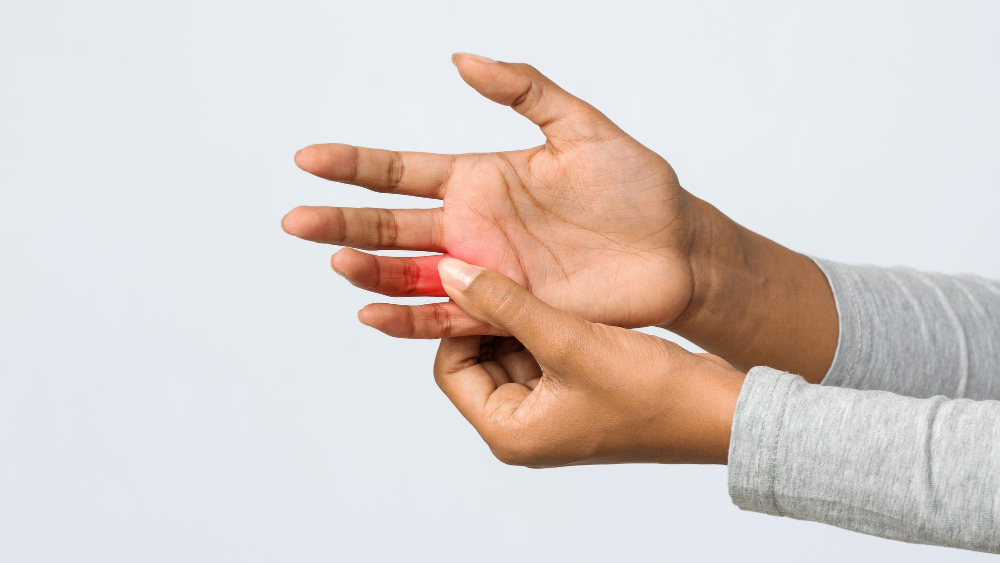
“Neuropathy can affect sensation, movement or involuntary body functions. Sometimes patients experience more than one type at the same time. The progression is different for every patient, and symptoms may remain mild, fluctuate or worsen depending on the underlying cause and how it is managed,” Dr Ojina said.
Delayed treatment can allow numbness, weakness and chronic pain to progress into injuries, reduced mobility and greater dependence.
Getting to a diagnosis
Diagnosis begins with listening: when symptoms started, where they occur, and what makes them better or worse, along with medical history that can reveal diabetes, alcohol exposure, medications, nutritional problems, infections or inherited conditions.
A neurological examination assesses strength, reflexes and sensation, and doctors may order blood tests, nerve conduction studies or imaging depending on the suspected cause. The purpose is not to attach a name to symptoms but to find the reason behind the damage. “The treatment has to address the underlying cause,” Dr Ojina says.
Treating the cause, not just the symptom
For someone with diabetes, controlling blood glucose becomes central; for others, treating the nutritional deficiency, medication or underlying condition responsible comes first.

Pain itself may need treatment too, through neuropathic pain medicines, topical treatments, or physical therapy to address weakness, mobility, and balance, while rehabilitation may support patients whose independence has been affected.
“Treatment is not always about one medicine. It may require medical follow-up, rehabilitation, nutrition and foot protection. The goal is not only to control pain, but also to protect function and prevent further injury,” Dr Ojina said.
Prevention and what lies ahead
Prevention starts with controlling modifiable risks, including diabetes, smoking, excessive alcohol use and poor nutrition. Exercise may also help maintain strength and mobility, though people with significant weakness, balance problems or loss of sensation may need professional guidance to exercise safely.
Dr Ojina cautions against viewing supplements and herbs as cures. “They are not going to treat these diseases,” he says, though nutritional supplements may help where a genuine deficiency exists.
“The future may bring more precise medicines, better diagnostic tools and treatments that protect damaged nerves,” he said. “Artificial intelligence may also help clinicians identify patterns in complex neurological information and improve diagnosis.” Until then, recognising persistent symptoms early remains one of the most important steps in protecting nerve function and preventing disability.
Clearing up common misconceptions
Peripheral neuropathy is not exclusively a disease of people with diabetes. “No, it can affect anybody else,” Dr Ojina says, a distinction that matters because assuming otherwise can delay assessment in people whose nerve damage has another cause.
Nor does every episode of numbness mean neuropathy, since other neurological, musculoskeletal and circulatory conditions produce similar symptoms. There is also no guarantee that pain signals the severity of damage: some have substantial nerve dysfunction without much pain, while others feel debilitating pain despite comparatively mild disease.
Recovery, when possible, may take time. “Nerve damage can be cured,” Dr Ojina says, while acknowledging that treatment is often long-term rather than immediate, with outcomes depending heavily on the cause, the extent of damage, and how early it is identified and managed.