
WHO approves a safer, less painful oral pill for East Africa, cutting Kala-azar injections from 34 to 14 following trials in Kenya, Ethiopia, Sudan and Uganda.
For years, children in Kenya and Uganda diagnosed with Kala-azar had to travel long distances to hospital, then endure weeks of painful daily injections to survive the disease. That ordeal is about to ease. The World Health Organization (WHO) has approved a shorter, safer and more effective treatment for East Africa, sparing patients dozens of injections and replacing the most toxic drug in the regimen with a pill.
Wyckliff Omondi of Kenya’s Ministry of Health welcomed the update, crediting the country’s role in shaping the new guidelines through the Leishmaniasis East Africa Platform (LEAP). “We are working to incorporate the new treatments into national guidelines,” he said.
Dr Patrick Sagaki of Amudat Hospital in Uganda has watched patients, especially children, struggle with the old regimen but now reckons “Cutting injections from 34 to 14 alongside an oral medicine makes treatment far more manageable.”
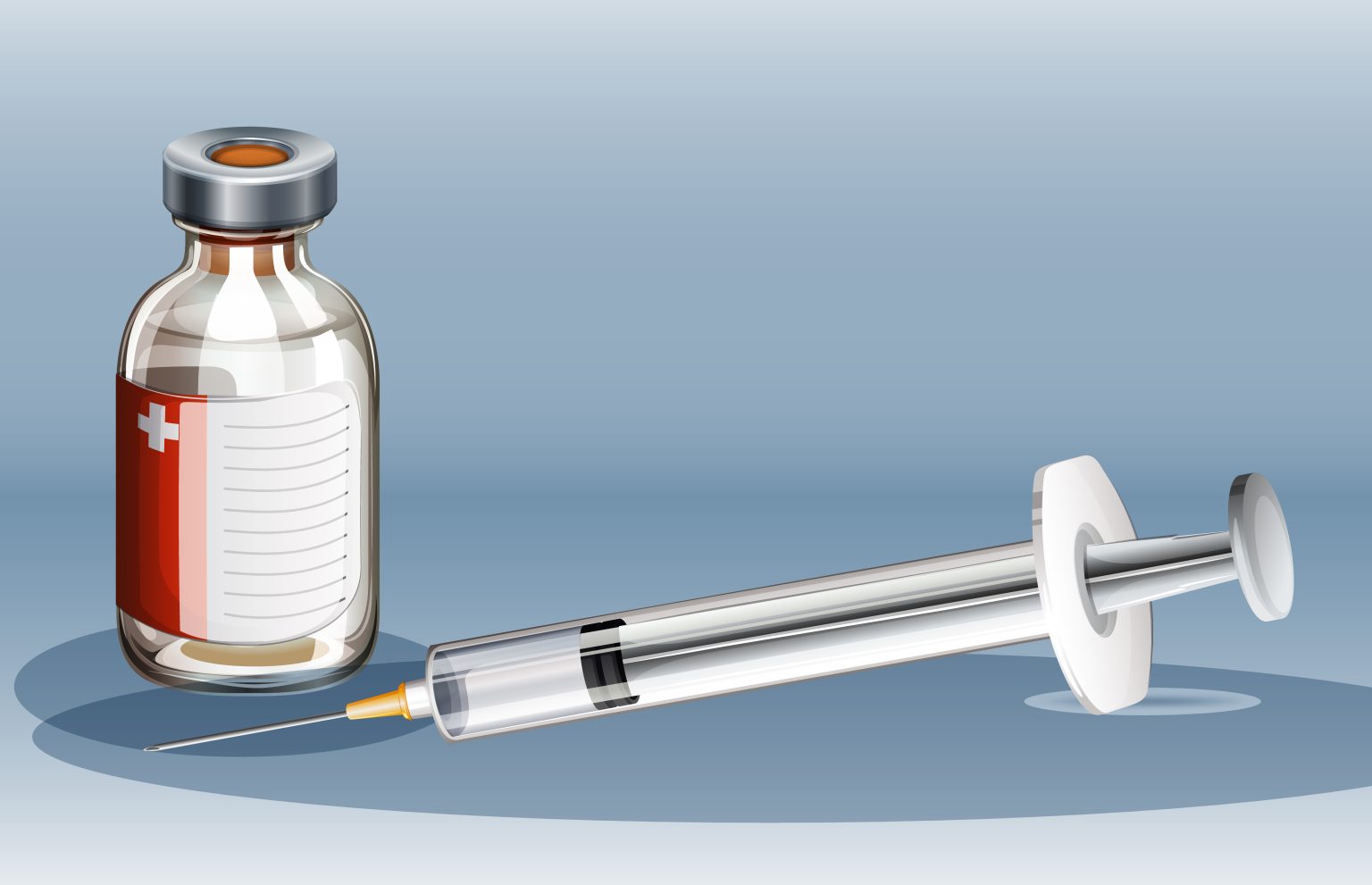
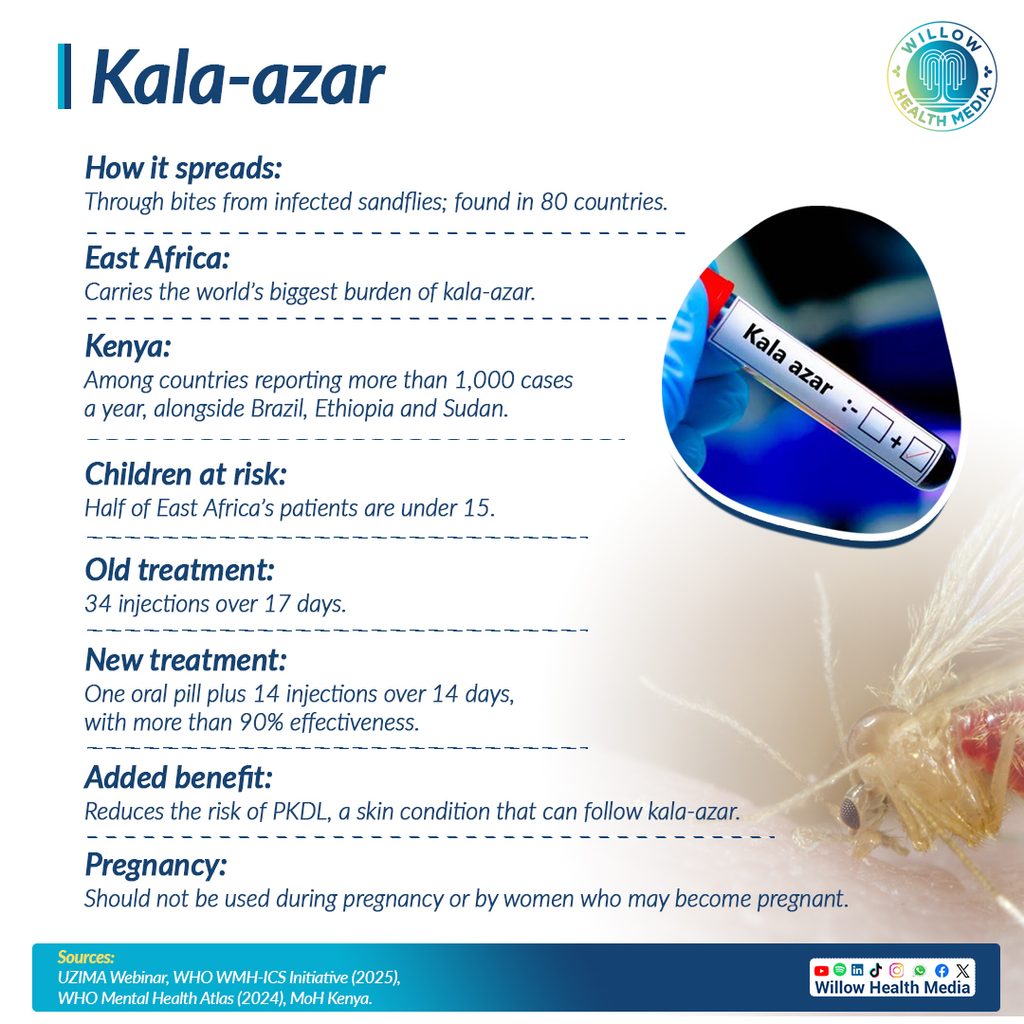
The change, announced by WHO on July 29, 2026, cuts injections from 34 over 17 consecutive days to just 14 over 14 days, and is over 90 per cent effective. It follows clinical trials that began in 2017 across Kenya, Ethiopia, Sudan and Uganda. For decades, the standard treatment combined Sodium Stibogluconate (SSG) and Paromomycin, both delivered by injection.
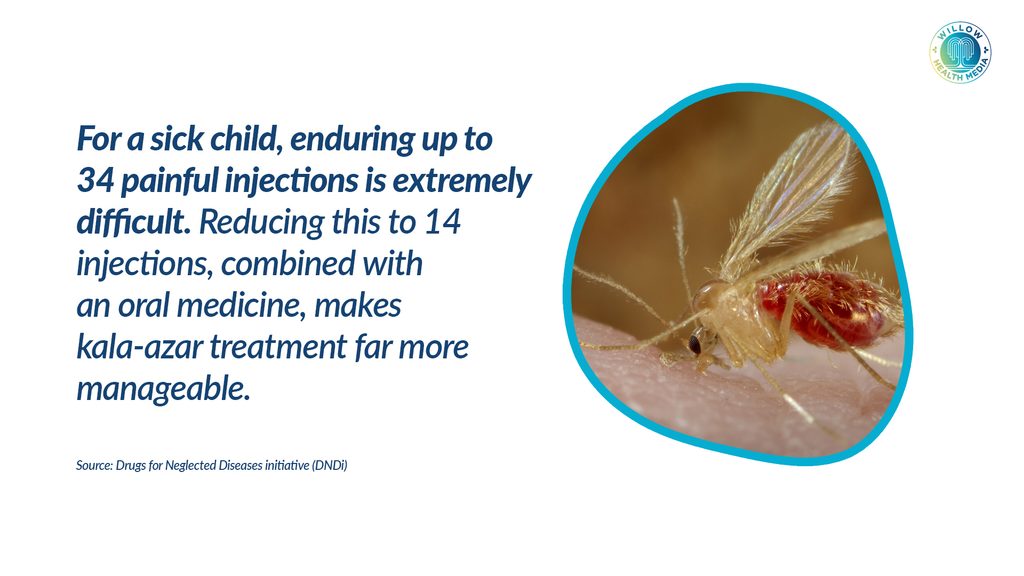
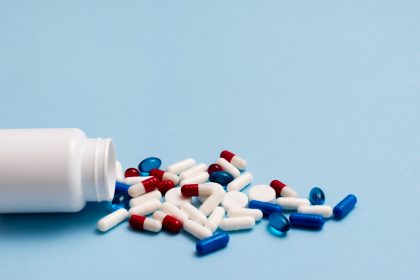
Researchers found the combination highly toxic, making treatment gruelling for patients. The new regimen for East Africa drops SSG entirely and replaces it with Miltefosine, an oral drug, paired with the injectable antibiotic Paromomycin as the new first-line treatment.
Eastern Africa accounts for 79% of global cases; most affected are children under 15
Eastern Africa carries the world’s heaviest Kala-azar burden. The Drugs for Neglected Diseases Initiative (DNDi) says the region accounts for 79 per cent of global cases, a figure WHO also attributes to nine countries in the region for 2024. About half of those affected are children under 15.
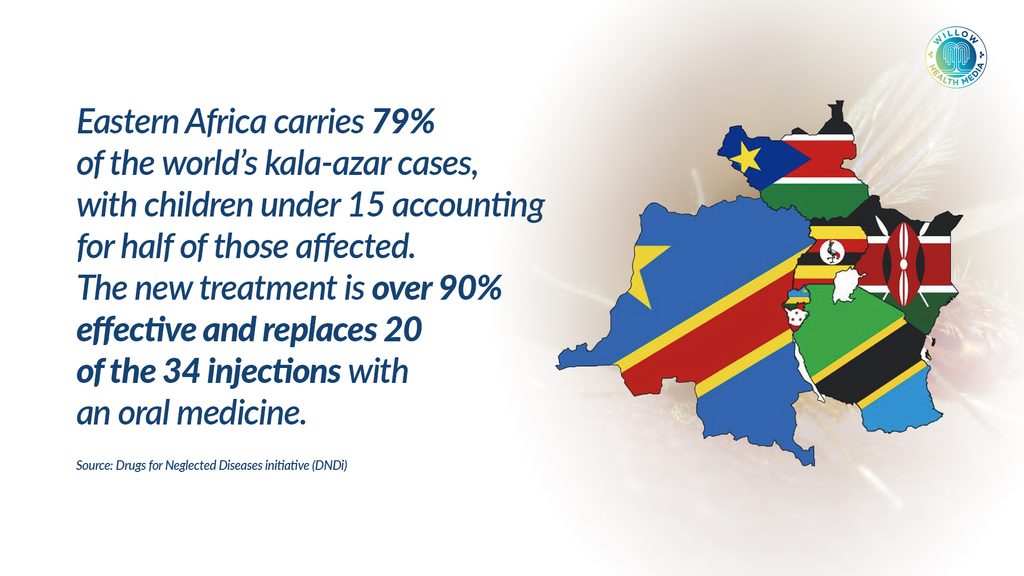
Dr Cherinet Adera, DNDi’s Senior Market Access Manager for Eastern Africa, told Willow Health Media that Kenya is one of four countries reporting over 1,000 cases annually, alongside Brazil, Ethiopia and Sudan. He said the new treatment supports WHO’s 2023 to 2030 framework for eliminating VL as a public health problem in the region, and Kenya’s own 2025 to 2027 elimination strategy.
“The new treatment has eliminated an injectable with high toxicity and shortened the treatment period. It also reduces financial implications, saving patients several days of commuting to hospitals,” Adera explained.
The drug will serve as first-line treatment for uncomplicated cases and will be free, donated by WHO. East Africa has recorded no drug resistance to the older medicines, unlike parts of Asia. “Asia reported drug resistance cases, and the new updates will be helpful. We need further studies conducted to fill the diagnosis gaps and find interventions for asymptomatic cases,” Adera said.
A study titled Towards VL Elimination in Kenya, by the Centre for Epidemiological and Modelling Approach (CEMA) and cited by Willow, found that 89 per cent of people with Kala-azar show no symptoms, yet they cause 70 per cent of new infections. This silent spread is outpacing control efforts, making elimination by 2030 unlikely.
Dr George Omondi, a Research Fellow at CEMA, said Kenya must sustain control efforts at 90 per cent through to 2035 to eliminate VL. He linked rising cases to climate change, which is expanding the arid and semi-arid areas where female sandflies, the disease’s main vector, thrive in anthills.
Women of childbearing potential must test negative for pregnancy
Adera called for close monitoring of the new regimen and training for healthcare workers on administering the drugs after diagnosis. The Ministry of Health, working with the Technical Advisory Group for Visceral Leishmaniasis, is drafting updated national guidelines, with rollout expected by year-end.
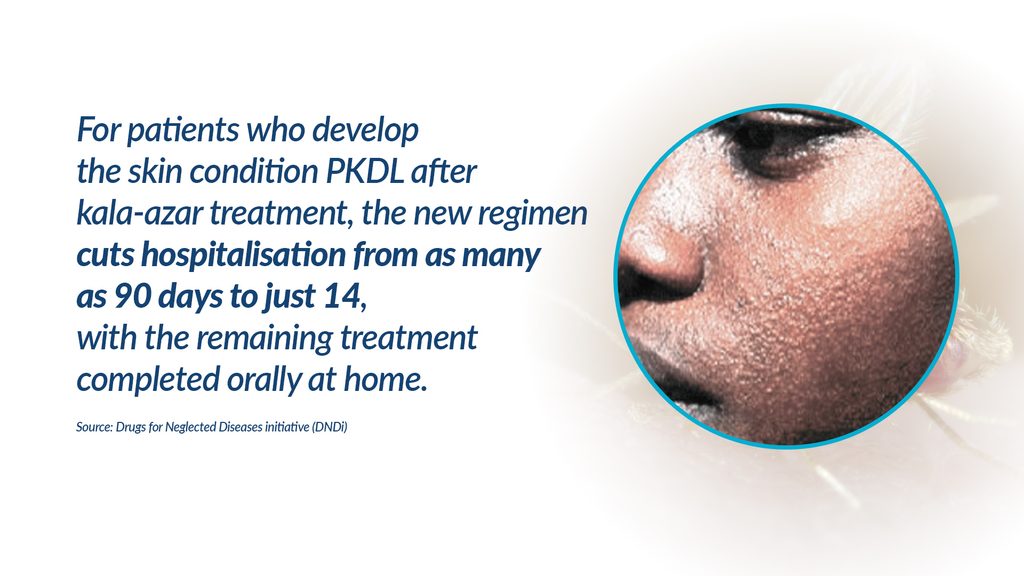
The Miltefosine and Paromomycin combination has also shown strong results against Post Kala-azar Dermal Leishmaniasis (PKDL) in East Africa and South-East Asia, and in managing relapse among Kala-azar patients in South-East Asia. PKDL is a skin condition that can develop after successful VL treatment. Though not life-threatening, WHO says it carries heavy social stigma and can fuel further transmission.
A study in Sudan found that one in five Kala-azar patients went on to develop PKDL, the highest rate recorded anywhere. “The new treatment will also reduce the risk of PKDL, where it has been a challenge,” Adera said. The new regimen cuts PKDL hospitalisation from between 60 and 90 days to just 14, with patients completing treatment orally at home over the following month.
Because Miltefosine carries risks to foetal development, women of childbearing potential must test negative for pregnancy and use contraceptives to qualify for the new regimen. Those unable to meet this requirement will continue on the existing standard of care.
In South Asia, PKDL affects between five and 15 per cent of previously treated patients. New guidelines there offer an alternative to the current 12-week Miltefosine course, which has been linked to poor adherence and eye damage risk. Doctors can now prescribe Liposomal Amphotericin B alone, paired with a shorter, time-limited course of Miltefosine.
Old kala-azar treatment was as punishing as the disease itself
WHO’s Director of Malaria and Neglected Tropical Diseases, Dr Daniel Ngamije, described the update as a turning point, calling the old regimen a treatment “as punishing as the disease itself.”
Dr Fabiana Alves of DNDi, which developed the new regimens with partners, said the organisation is working with Novartis on an experimental oral drug, LXE408, that could eventually remove the need for injections altogether.
Prof Ahmed Musa of the University of Khartoum, who led Sudan’s trials, said shorter hospital stays mean patients no longer lose weeks away from home.
The underlying research was backed by the EU’s EDCTP2 programme, the Dutch and French governments, Germany’s BMBF, Médecins Sans Frontières, the UK Medical Research Council, and WHO’s Special Programme for Research and Training in Tropical Diseases.
Graphics by Arthur Mbuguah.
We believe in the free flow of information
Republish our articles for free, online or in print, under Creative Commons licence.