Born at 900 grams herself, Doris Mollel spent a decade fighting for premature babies. Her foundation has now built Kwimba district’s first neonatal unit, closing a dangerous distance that once decided whether Tanzania’s smallest patients lived or died.
For years, families with critically ill newborns in Kwimba travelled nearly 100 kilometres on unpaved roads, some balancing fragile babies on the back of motorcycles, praying the journey would end before the child’s life did.
For mothers whose babies arrived too early or too small, distance was more than an inconvenience. It could be the difference between life and death.
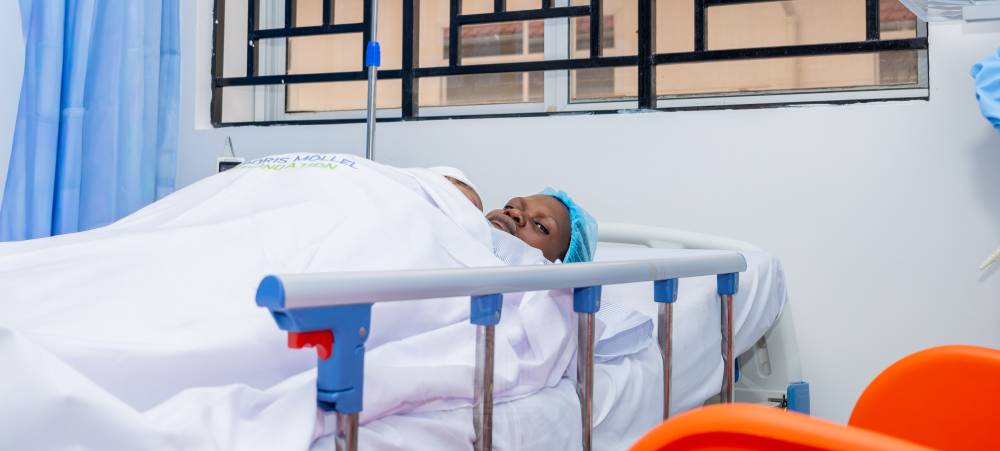
More than 10,000 babies are born in the district each year, according to the Doris Mollel Foundation. Using the World Health Organization’s formula, one in ten of them will not live to see their fifth birthday. Until February 2026, Kwimba had not had a single neonatal intensive care bed.
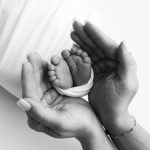
That statistic is personal for Doris Mollel. She was born weighing just 900 grams, and when she looked at mothers travelling long distances with premature babies, she saw a version of herself rather than another data point.
“I look at the mothers; they are in bad shape, I look at the babies, and then I look at the distance,” she says, questioning why a child’s survival should depend on where they are born.
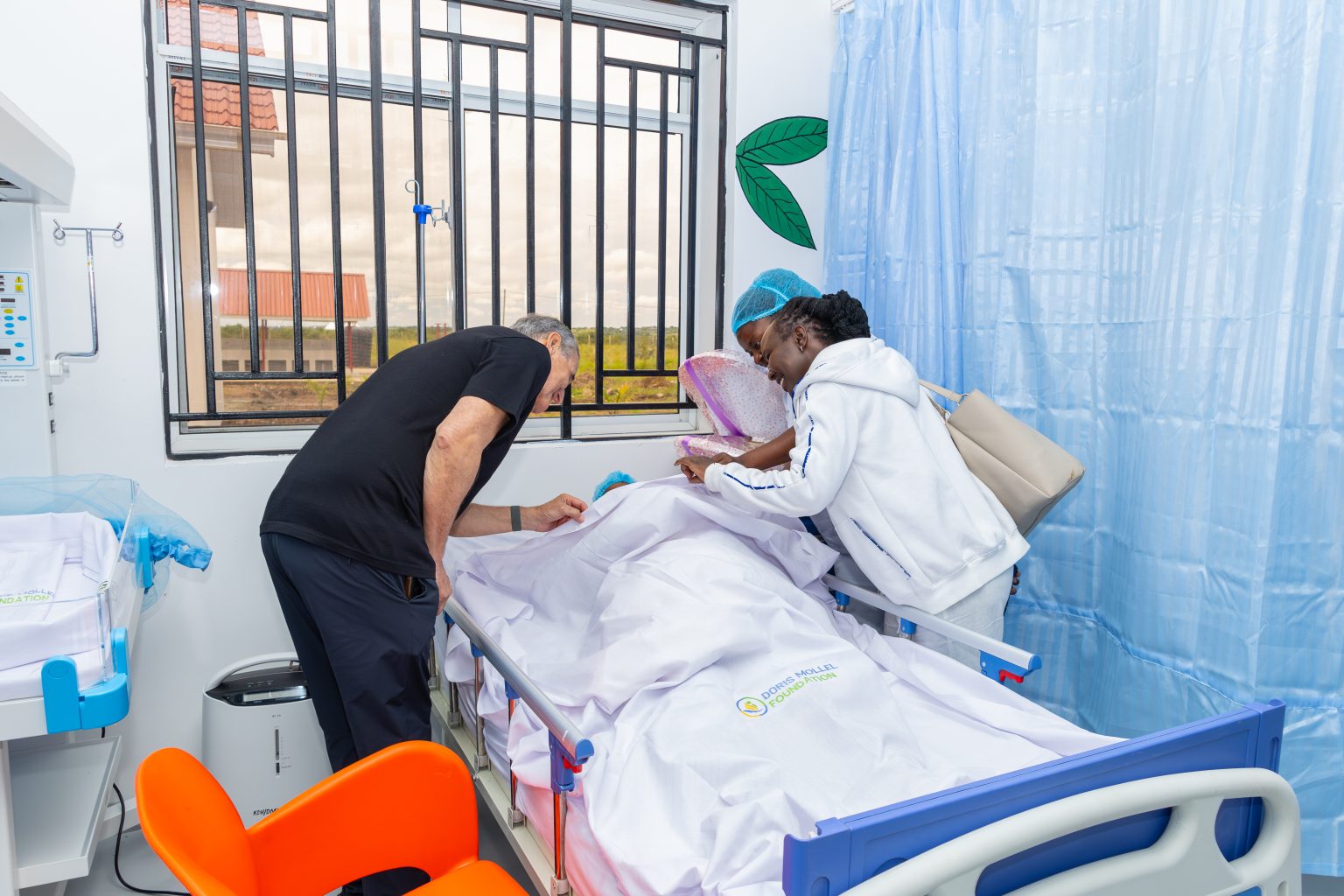
The answer rose from the grounds of a struggling rural hospital, in a neonatal care unit designed around the women and families who would use it, not only around medical equipment.
Mollel started that work in 2015, in a single room at her mother’s home with one table and one chair. Her mother, a retired nurse from Muhimbili National Hospital, gave up her front room for the cause. Within the foundation’s first five years, it had donated medical equipment to 85 hospitals across Tanzania.
The hospital was struggling, mothers had travelled for hours over bad roads, and there was no neonatal unit to receive them
Mollel also pushed for change beyond hospital walls. She lobbied for maternity leave reforms so mothers of premature babies would have enough time to care for them, pushed for prematurity to be taught in school biology classes, and fought to have premature newborns included in national health insurance.
“Our biggest request was to have an incorporation of prematurity day in the World Health Organization calendar,” she says. She wanted every country to mark the day by investing in neonatal care, mobilising resources and channelling funds into services for premature babies.
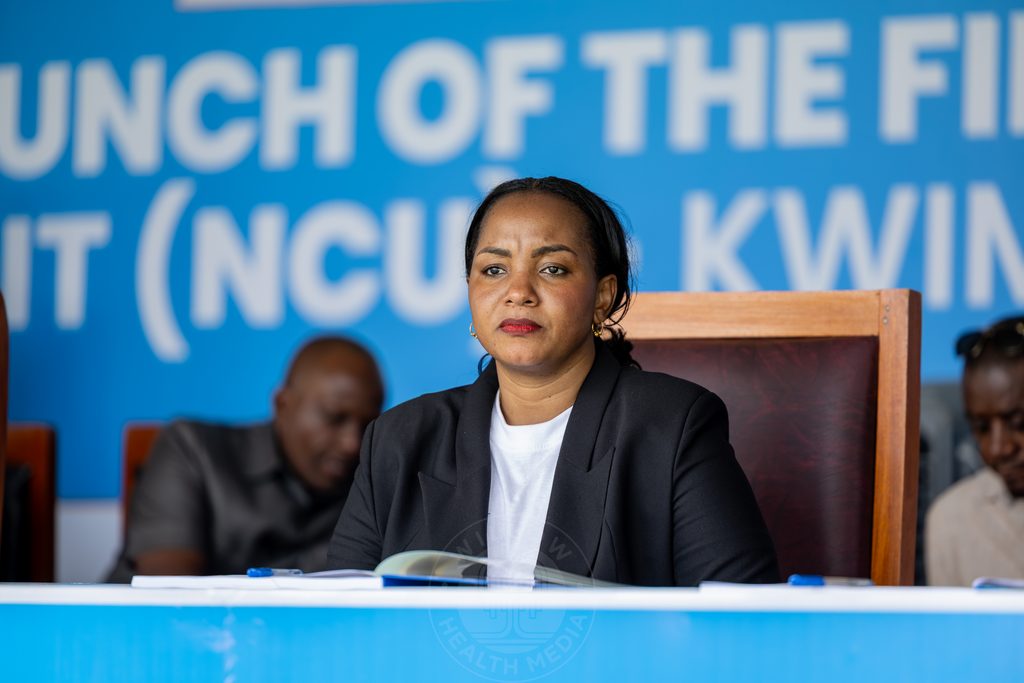
In 2021, Mollel arrived at Kwimba District Hospital carrying medical equipment, only to find there was nowhere to put it. The hospital was struggling, mothers had travelled for hours over bad roads, and there was no neonatal unit to receive them. What followed took four years, three continents and two governments, and depended on an unlikely chain of personal experience, partnership and community voices.
One of those links was Antonio Ruiz-Giménez Jr, CEO of Keep a Child Alive, an organisation founded on the belief that every child deserves an equal chance to live, regardless of where they are born. Ruiz-Giménez had visited Tanzania and seen the gaps in its healthcare system. The project became personal when he returned to New York, and his pregnant wife faced an extremely premature birth.
His son Benjamin survived after weeks of intensive care in one of the best-resourced hospitals in the world. “While sitting beside him, I kept thinking about the mothers I had met in Tanzania, women who did not have access to the care my family had received,” he recalls. “Doris kept coming to my mind. Walking out of the hospital, I made a decision. We are going to build this, and we are going to build it together with Doris,” he adds.
Today, that well does more than serve the neonatal unit; it supplies the entire Kwimba District Hospital
Keep a Child Alive committed US$100,000 (Ksh12.9 million) to the project. Mollel had already raised US$95,000 (Ksh12.3 million) from Jhpiego through a fundraising competition called Miles for Mothers, after she and the district medical officer submitted a joint proposal. But the unit needed US$600,000 (Ksh77.5 million) in total. Three months later, Ruiz-Giménez called. “We are going to do the whole thing,” he told her.
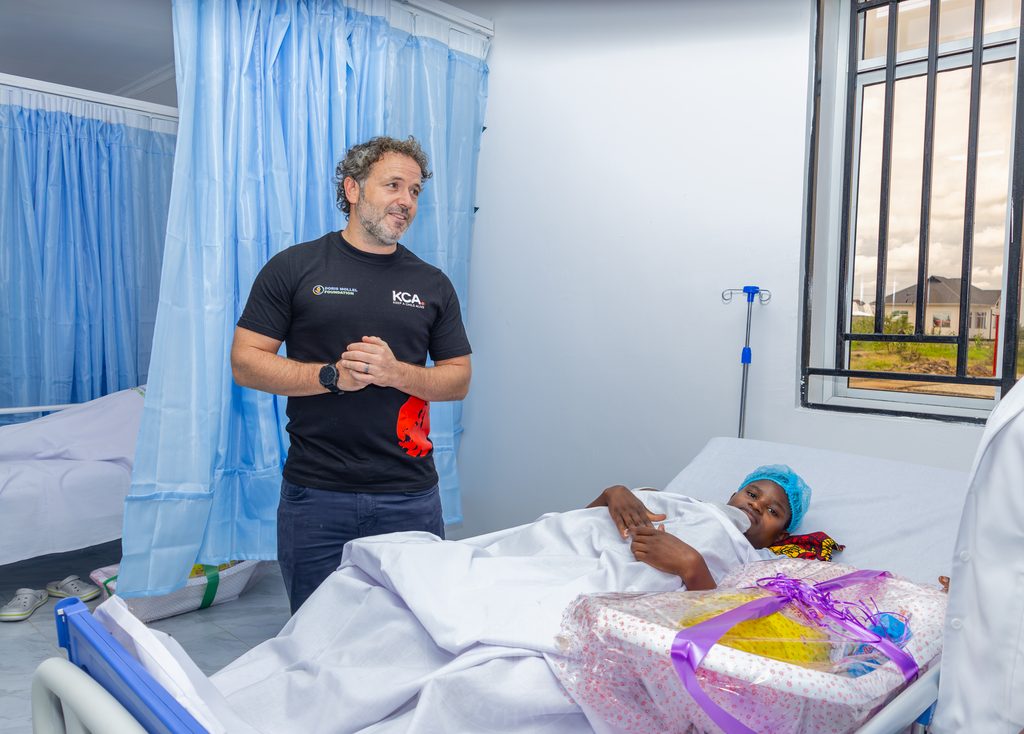
As construction progressed, another problem emerged. The hospital had no water.
“I refused to go back to my funders empty-handed,” Mollel says. “My search eventually took me to Dubai, where I met Sheikh (Hussain) Sajwani at a maternal and child health conference. I explained the project and told him I just need a water well to make sure the hospital has enough water.”
Within two weeks, his team was in Kwimba. Today, that well does more than serve the neonatal unit; it supplies the entire Kwimba District Hospital. The Merck Foundation has since pledged four more wells and support for ten additional hospitals.
Building the hospital was not the same as building a community, and Mollel understood the difference. She took the drawings to the mothers of Kwimba before anyone laid a single brick.
“They wanted somewhere their husbands could meet them and ask how they were doing. They wanted a prayer room, a place to wash and iron clothes,” she says. “They wanted visitors to have somewhere to sit in the shade, and we made sure the requests formed part of the building.”
“This was not a drawing made in a high office in Dodoma; it was designed by the women who would use it and for the women who would come after them,” she adds. The result is a neonatal unit built around zero-separation care, keeping mother and baby together rather than apart. The facility was officially opened to the public on February 28 this year.
The region accounts for 70 per cent of global maternal deaths and 46 per cent of global newborn deaths
Prof Mohamed Janabi, the WHO’s Regional Director for Africa, places Kwimba’s opening in a continental context. The region accounts for 70 per cent of global maternal deaths and 46 per cent of global newborn deaths, he notes.
“Every year we lose a million newborns in the first month of life and 178,000 mothers, mostly from preventable causes. Facilities like this NICU can change that,” he says. “This centre is powered by the dedication of health workers and the generosity of partners like Doris Mollel Foundation, yourself and others. As we say in our language, unity is strength, and a child belongs to the whole community you are seeing in front of you here. This unit reflects both,” he adds.
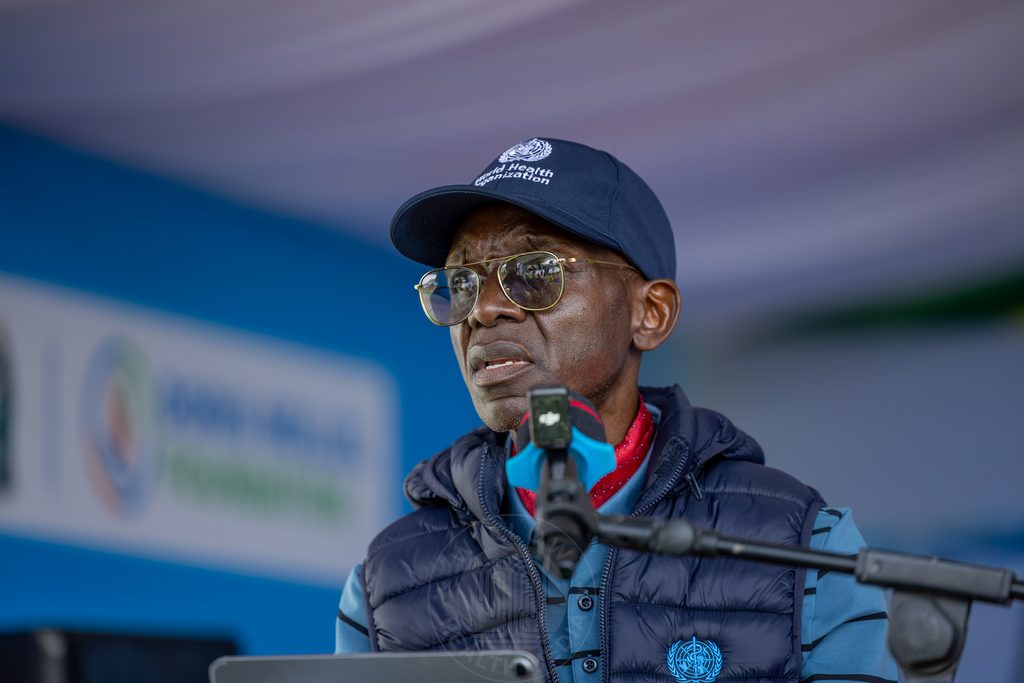
He believes facilities such as Kwimba’s can shift the region’s trajectory, demonstrating what happens when government, communities, health workers, philanthropists and organisations decide survival should not depend on geography.
For Mollel, the journey that began with her own 900-gram birth has become a promise to children she may never meet. She believes Tanzania can lead neonatal care in sub-Saharan Africa, and that more units like Kwimba’s will follow.
The story of Kwimba is ultimately about more than one building. It is about a mother who looked at a dangerous road and saw a reason to build rather than an obstacle, and a community, stretching from Dodoma to Dubai to New York, that answered her vision. For the mothers who once had to choose between a perilous journey and almost certain loss, the distance has finally grown shorter. For the district’s tiniest arrivals, that shorter distance can mean the difference between life and death.
We believe in the free flow of information
Republish our articles for free, online or in print, under Creative Commons licence.