

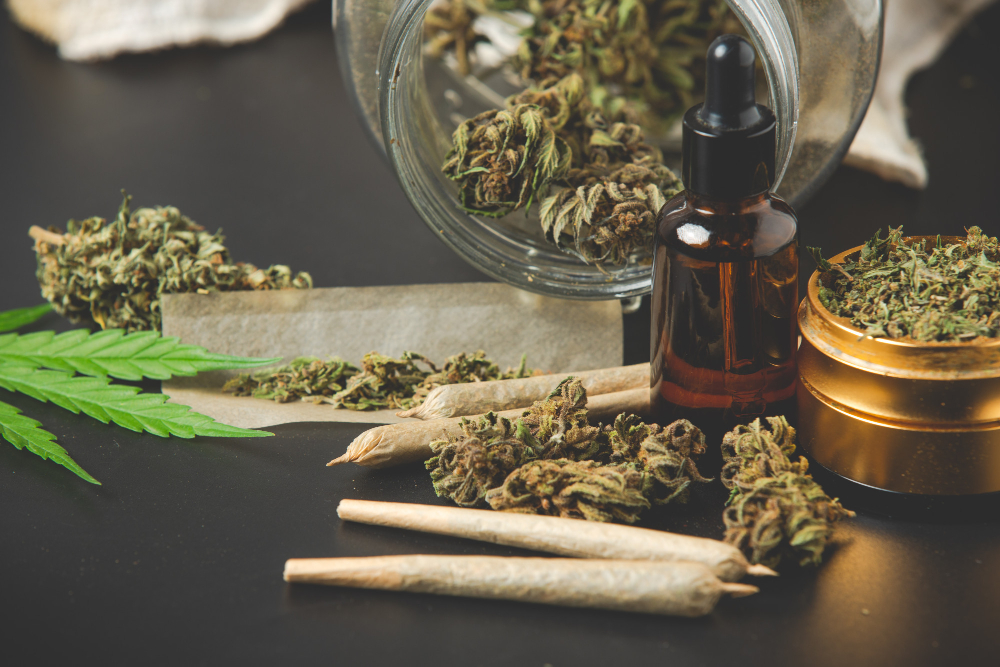

One million Kenyans began smoking bhang, with users rising by 90 per cent in four years to 2024, according to NACADA. But Kenya’s High Court upheld the ban on marijuana in the same week a major US study finds teens who smoke bhang face serious risks to memory, attention and long-term brain development.
Nearly a million Kenyans are now using bhang, NACADA says, after a 90 per cent surge in use over four years to 2024, even as Kenya’s High Court upheld the country’s ban on marijuana this week. The ruling landed the same week a major new study found that teenagers who smoke bhang are twice as likely to develop serious mental illnesses as those who do not, adding fresh urgency to Kenya’s own unresolved debate over cannabis policy.
Researchers found that cannabis use among adolescents often preceded a diagnosis of psychotic disorders, bipolar disorder, depression or anxiety by roughly two years. The findings, published in JAMA Health Forum, are among the strongest evidence yet linking teenage cannabis use directly to long-term mental health damage.
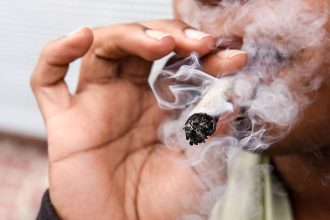
The High Court’s ruling came after it dismissed a petition by the Rastafari Society of Kenya seeking a religious exemption to use cannabis in worship, while the presiding judge called for a “full and frank” national conversation on drug policy, saying the country’s current approach may be untenable.
Researchers from Kaiser Permanente, the Public Health Institute’s Getting it Right from the Start programme, the University of California, San Francisco, and the University of Southern California sampled 463,396 adolescents aged between 13 and 17, following some through to age 26. Teenagers who reported using the drug within the previous year showed a significantly higher risk of later developing psychotic disorders.
“The risk of both psychotic and bipolar disorders was approximately doubled among adolescents who used cannabis,” the study found. Built on health record data collected during routine paediatric visits between 2016 and 2023, the research found that cannabis use was typically reported between one year eight months and two years three months before a psychiatric diagnosis.
Adolescents who reported cannabis use had a higher risk of developing psychotic and bipolar disorders
The researchers said their long-term tracking of participants strengthens the evidence that cannabis exposure during adolescence contributes to later mental illness. “Even after accounting for prior mental health conditions and other substance use, adolescents who reported cannabis use had a substantially higher risk of developing psychiatric disorders, particularly psychotic and bipolar disorders,” said Kelly Young-Wolff, lead author of the study.

The team linked the rising risk to the aggressive marketing of cannabis in the US. The 2024 National Survey on Drug Use and Health found that over 10 per cent of American teens aged 12 to 17 reported using cannabis in the previous year.
“As cannabis becomes more potent and aggressively marketed, this study indicates that adolescent cannabis use is associated with double the risk of incident psychotic and bipolar disorders, two of the most serious mental health conditions,” said Lynn Silver, the study’s co-author. She called for an urgent public health response. “The evidence increasingly points to the need for a response that reduces product potency, prioritises prevention, limits youth exposure and marketing, and treats adolescent cannabis use as a serious health issue, not a benevolent behaviour.”
Young-Wolff said the findings should shape how parents and young people talk about the drug. “It’s imperative that parents and their children have accurate, trusted, and evidence-based information about the risks of adolescent cannabis use,” she said.
Rastafari Society of Kenya pushed for legalisation of bhang for religious purposes
The researchers also found that THC levels, the intoxicating component of cannabis, have risen sharply in commercial products, exceeding 20 per cent in California, while some concentrates contained more than 95 per cent THC. They warned that continued commercial expansion of the cannabis industry could deepen existing disparities in mental health outcomes.

The findings land as Kenya grapples with its own reckoning over cannabis policy. Several groups, including the Rastafari Society of Kenya, have long pushed for the drug’s legalisation for commercial and religious purposes. On 15 July 2026, the High Court in Nairobi dismissed the society’s petition seeking to legalise cannabis for religious use, with Justice Bahati Mwamuye ruling that the group had failed to establish sufficient constitutional grounds for an exemption.
The society, officially recognised as a legitimate religion in Kenya since 2019, had argued that cannabis was a sacred sacrament in their faith and asked the court to allow Rastafarians to grow, possess and use the drug privately during worship. They stressed they were not seeking wholesale legalisation.
The court found the evidence presented on cannabis’s centrality to Rastafarian doctrine inconsistent and insufficient. “Creating a religious exemption would undermine enforcement of Kenya’s anti-drug laws and create loopholes for illegal cannabis trafficking,” Justice Mwamuye ruled. Even so, he acknowledged that cannabis legalisation was no longer solely a Rastafarian issue but a national one requiring honest debate. “We ought to have frank conversations on cannabis and which direction we should take,” he said.
Kenya’s Narcotic Drugs and Psychotropic Substances (Control) Act criminalises the possession of cannabis. Following amendments enacted in 2022, a person convicted of possessing cannabis for personal use is liable to imprisonment for up to five years or a fine of up to Ksh100,000, or both.
Kenyan adolescents begin experimenting with illicit substances between the ages of 13 and 15
Data from the National Authority for the Campaign Against Alcohol and Drug Abuse (NACADA) shows Kenyan adolescents begin experimenting with illicit substances between the ages of 13 and 15. According to the World Health Organization (WHO), mental disorders account for around 15 per cent of the global health burden among young people aged 10 to 19, with depression, anxiety and behavioural disorders the leading causes of illness and disability in this age group worldwide.

A 2021 National Adolescents Mental Health Survey conducted in Kenya, Indonesia and Vietnam found that 12.1 per cent of adolescents had experienced a mental disorder in the preceding 12 months. Among the 5,155 households sampled in Kenya, suicidal ideation among adolescents stood at 4.6 per cent.
The survey, conducted by the African Population and Health Research Centre, the University of Queensland, and the Johns Hopkins Bloomberg School of Public Health, warned of a critical gap in local data. “This is a critical gap in knowledge. Studies have shown that mental disorders during adolescence, mostly those that remain untreated or under-treated, can have adverse outcomes throughout the life course,” the survey noted, adding that the lack of evidence limits policymakers’ ability to design targeted interventions and attract funding.
Kenya’s National Protocol for Treatment of Substance Use Disorders (2017) found that more than half of the country’s drug users are aged between 10 and 19, with nicotine, alcohol and cannabis the most commonly used substances. A 2022 NACADA report, The Status of Drugs and Substance Use in Kenya, found that 518,807 Kenyans aged 15 to 65, 475,770 of them male and 43,037 female, were using cannabis, a national prevalence of 1.9 per cent.
Bhang use in Kenya rose by 90 per cent in the four years leading to 2024
Among youth aged 15 to 24, 193,430, or one in every 37, were using cannabis, a prevalence of 2.7 per cent. Overall, 234,855 Kenyans aged 15 to 65, or one in every 111, were addicted to cannabis with severe substance use disorders. Among those aged 15 to 24, 90,531, or one in every 77, were addicted, with an addiction rate of 47.4 per cent within that age bracket.

NACADA CEO Antony Omerikwa said bhang use in Kenya rose by 90 per cent in the four years leading to 2024. “Nearly a million [one in 53] Kenyans are using cannabis sativa. Parents and government leaders should work together to eradicate this menace,” he said during a raid in Mtwapa, Kilifi County.
Trizah Muhu, a psychological counsellor, told Willow Health Media that engaged parenting remains one of the strongest protective factors against teenage drug use. “Present parenting could be one of the ways to reduce adolescents’ exposure to drugs and mental health risks. Parents need to have conversations on the dangers of drugs using scientific and social evidence to empower them against being lured by drug users and peddlers,” she said.
NACADA’s Strategic Plan 2023 to 2027 highlights the funding gaps constraining Kenya’s response. The plan requires an estimated Ksh12.213 billion to implement, against projected revenue of Ksh5.997 billion, leaving a resource gap of Ksh6.216 billion. Omerikwa said closing that gap would require innovative resource mobilisation, including partnerships and collaborations.