
Across rural Kenya, thousands are living with diabetes without knowing it. For those who do know, survival often comes down to prayer, instalment plans, and improvisation.
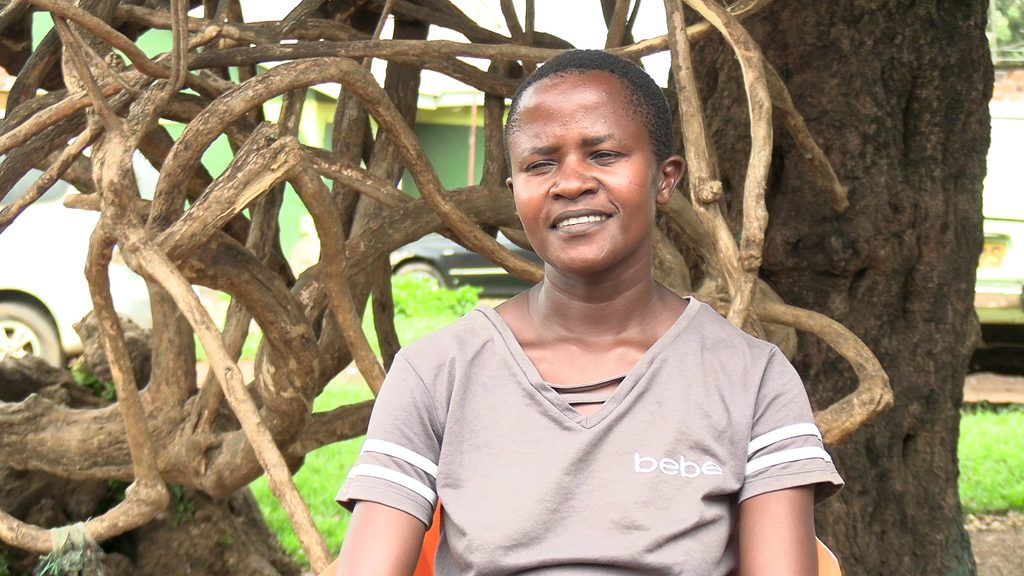
In a classroom at Kisumu Girls High School, Ruth Ochieng stands before her students, the English set book cradled like a fragile promise in her hands. For years, her voice has been their anchor, unfurling stories, forging meaning, unlocking worlds for young hearts lost in the labyrinth of words.
But one morning in 2024, words on the pages blurred, warped, and dissolved into a shifting void she could not control. “I had to bring the book very close to my face,” Ochieng recalls. “I would squint just to read a simple passage.”
It was subtle at first, almost dismissible. An ophthalmologist confirmed what felt easiest to believe: that it was normal after turning 40. So, she got glasses, returned to class, and life moved on. But beneath that rhythm, her body was writing a different story without clear sentences.
“At night, the silence grew loud. My legs burned, restless and hot, refusing to touch. Sharp, piercing pain followed, relentless and insistent. Sleep became impossible, each movement a battle. My body was speaking in a language I didn’t understand, warning me that something deeper was wrong, something beyond ordinary fatigue,” she said.
She attributed the exhaustion to a back problem. Familiar. Nameable. Less frightening that way. So, she endured it quietly, as so many do. By day, the poised teacher. By night, a woman at war with whispers she could not yet face.
I had walked in as an outpatient, by the end of the day, I was admitted
“One day, even with my glasses, I could not read at all. I removed them, thinking they were the problem, but still, I couldn’t see.” Alarmed, she went straight to the hospital. Her blood sugar was 28 mmol/L, extremely high, and the doctors diagnosed her with Type 2 diabetes.
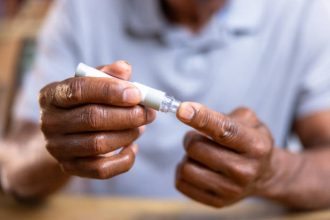
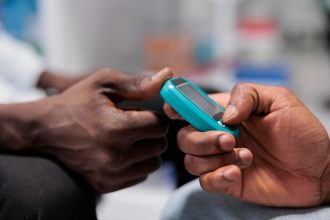
“I had walked in as an outpatient. By the end of the day, I was admitted,” she said, still shocked. She had once thought diabetes was a disease for the rich, but the diagnosis forced her to relearn how to live, cutting sugar, reducing carbohydrates, walking daily, and monitoring her blood sugar several times a day. “I record everything,” she says. “I know what works for me now.”
The journey has not been easy. She once collapsed after her sugar dropped dangerously low. “That’s when I realised I am my first doctor.” At one point, her medication reached Ksh8,000 per month, and drug shortages in public facilities forced some patients to give up entirely. Her teachers’ medical cover has been a lifeline. Back at school, she now teaches more than literature. One colleague told her, “I want to learn from your story.”
Her experience reflects a wider crisis. In rural Kenya, diabetes is rising as a hidden burden, shaped by late diagnosis, limited testing, and unreliable drug supplies that turn a manageable illness into disability and poverty. Many patients are misdiagnosed with malaria or ulcers, and complications like vision loss and kidney damage emerge long before proper care begins.
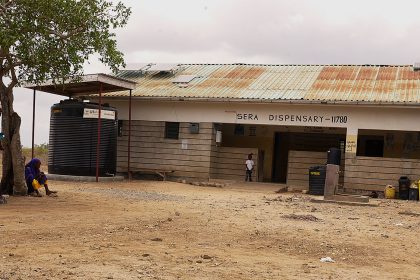
Kilometres away but bound by the same fragile thread of survival, Christina Akinyi Ochieng’s story unfolds with quiet familiarity. At first, her symptoms seemed minor, easy to explain away. She moved from one facility to another. “I went to several places. Some didn’t have the machines needed. Others required money we didn’t have,” she said.
Illness had robbed her of the ability to breastfeed and the milk reduced
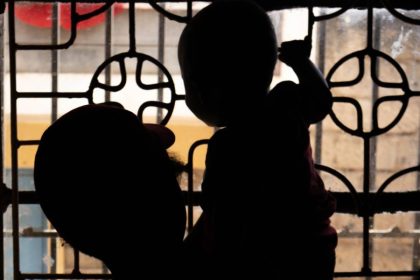
Eventually, she reached a private hospital, but by then her condition had worsened. “I could talk, I could understand what was being said, but I could not do anything. Even if my baby cried, I had no strength to carry it.” Illness had robbed her of the ability to breastfeed. “The milk reduced, and when I came back, the baby refused to breastfeed.”
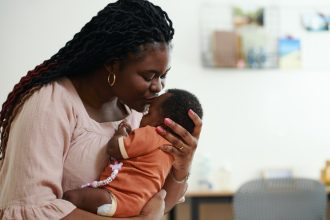
She was placed in the ICU and put on oxygen. She only learned her diagnosis after discharge. “I didn’t know anything until I got a phone call. That is when I was told it was diabetes.” Her Social Health Authority (SHA) cover kept her alive in the ICU, but it ran out. “When I went back, there was nothing left for outpatient care. It felt like the help just stopped, like I was left on my own.”
What followed is survival by improvisation. A negotiation at a small pharmacy. A plea to pay in instalments of Ksh4,000, an amount that still stands between stability and relapse.
For five months now, Akinyi has lived without treatment, measuring her health in waves: when the pain comes, when it recedes, when it returns stronger. “There is no special diet, no structured care, no follow-up call from the hospital, and no support group to lean on. I just endure. I survive by God’s grace,” she said, shedding tears.
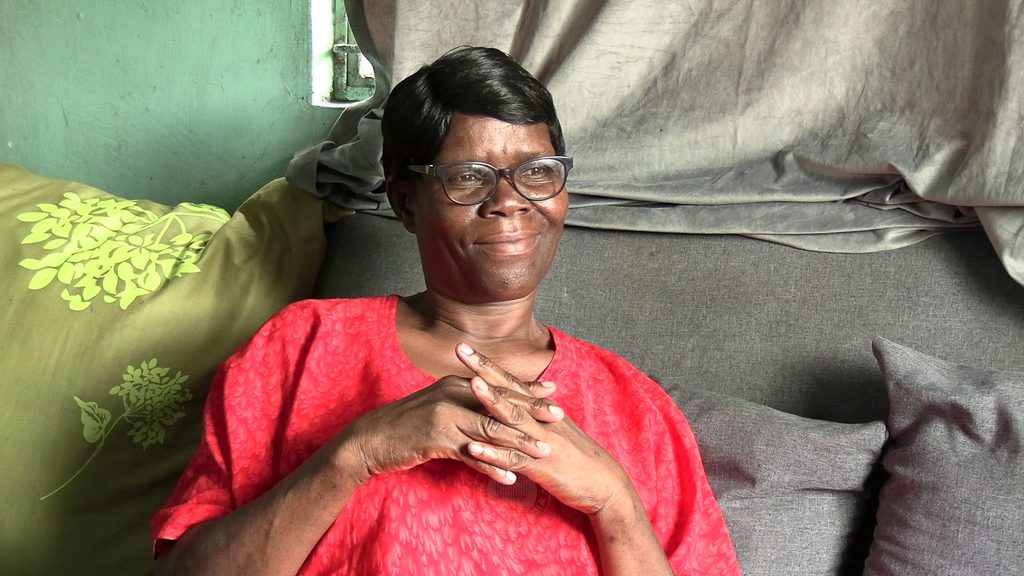
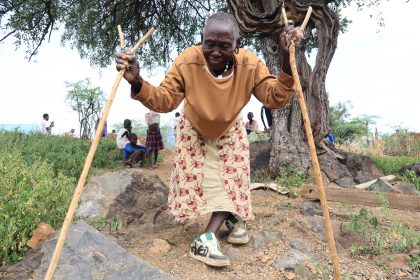
At Ogango village, Hellen Otuga’s life has been quietly ruled by diabetes, a shadow stretching across generations. Her grandmother lived past 100 years, wincing in pain. Her aunt was diagnosed, then her uncle, then her brother, who battled the disease for 15 years before complications took his leg and eventually his life.
“That is when we realised this was something in the family,” Otuga explains, eyes welling.
Fourteen years on, she still navigates a routine of medication, strict diet, constant monitoring
For her, the signs were an unquenchable thirst and endless trips to the toilet. “I thought maybe it would pass,” she recalls. A worried uncle insisted she go to the hospital, and tests confirmed Type 2 diabetes. Fourteen years on, she still navigates a delicate routine of medication, strict diet, and constant monitoring.

“Your body talks to you. When sugar is high, you feel thirsty, and your mouth becomes dry.” The greatest burden remains the cost. Drugs vanish from public hospitals; insurance offers only partial relief. “When you don’t have the drugs, it feels like you are digging your own grave.” Family life bends around the condition. “Even children can get it. It is just a disease, and we must learn how to live with it.”
In Mbihi village, Vihiga County, nurse Aggrey Ememwa found himself on the other side of the hospital bed. “I had always been healthy,” he recalls. “But I started feeling unusually thirsty, especially at night.” For years, he ignored the signs. It was only during a routine day at work, two years ago, that he checked his blood sugar and had his suspicions confirmed. “It was not easy to accept. My late mother had diabetes, and I saw how she suffered.”
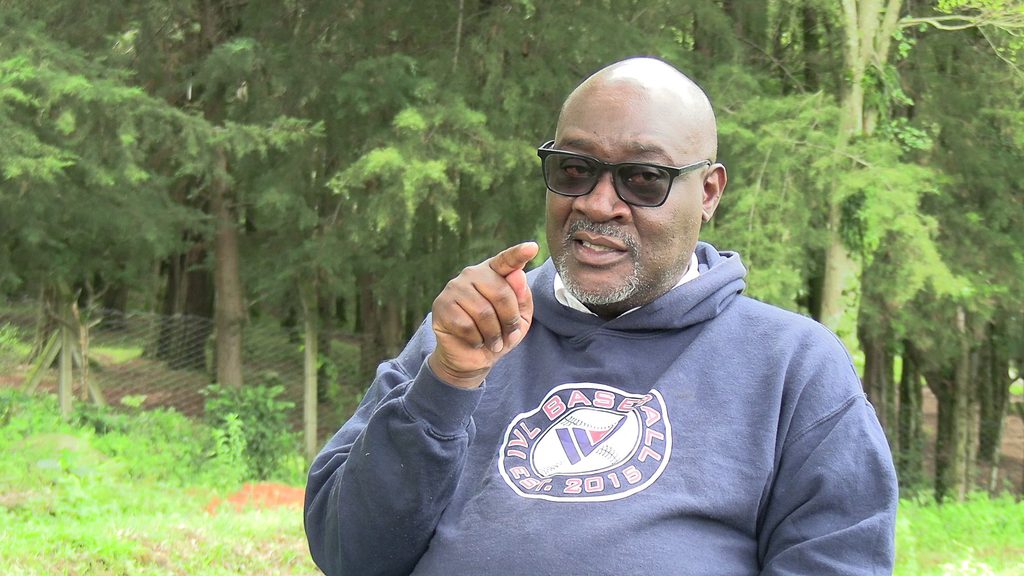
Denial followed. Even as a trained nurse, he delayed starting medication. It was his children, a doctor son and daughters who are nurses, who helped him begin treatment. “At first, I would forget to take my medication. Sometimes I would suddenly feel very weak,” he says. Routine became essential: early mornings, strict meals, daily medication. “I used to go the whole day without eating. Now I cannot.”
Monthly medication can reach Ksh6,000, pushing many patients to ration or abandon treatment. As nurse in-charge at a sub-county hospital, he urges people not to fear the diagnosis but to fear not knowing. “At the end of the day, I ask myself: what have I done to change someone’s life?”
Rural areas, previously less affected by diabetes, are now reporting higher numbers
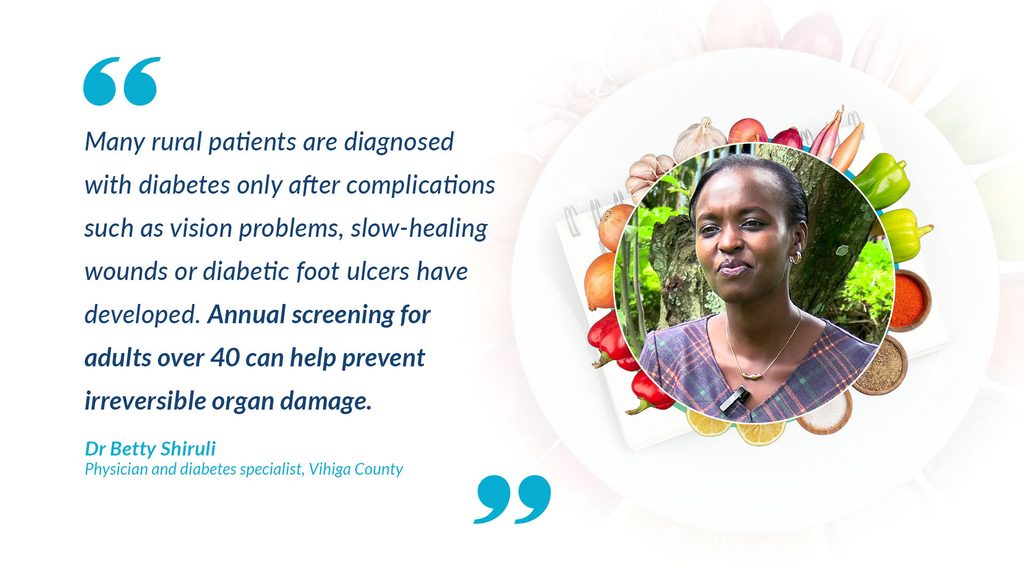
Dr Betty Shiruli, a physician and diabetes specialist in Vihiga County, says Kenya is witnessing a surge in cases. Better screening, combined with reduced physical activity and diets high in starch and processed foods, has raised the risk even in rural areas once considered less vulnerable. “Even rural areas, previously less affected, are now reporting higher numbers,” she says.
Many patients arrive with complications already advanced, including vision problems, slow-healing wounds, or diabetic foot ulcers. “Many are only diagnosed when referred from eye clinics,” she explains. She stresses annual screening for adults over 40 to prevent irreversible organ damage.
Inconsistencies in drug supply, particularly insulin, leave many patients exposed. Children in Vihiga benefit from donor-supported programmes, but adults often face gaps due to lack of finances.
Dr Nicholas Kitungulu, the Vihiga County Health Minister, emphasises that lifestyle management is central to preventing complications. “Diet is everything. I advocate for complex carbohydrates, vegetables, moderate proteins, and minimal processed foods. Sugar intake must be carefully controlled, and patients need to be taught to recognise symptoms of low blood sugar,” he said. Uncontrolled diabetes, he warns, leads to nerve damage, kidney failure, heart problems, and life-threatening ketoacidosis.
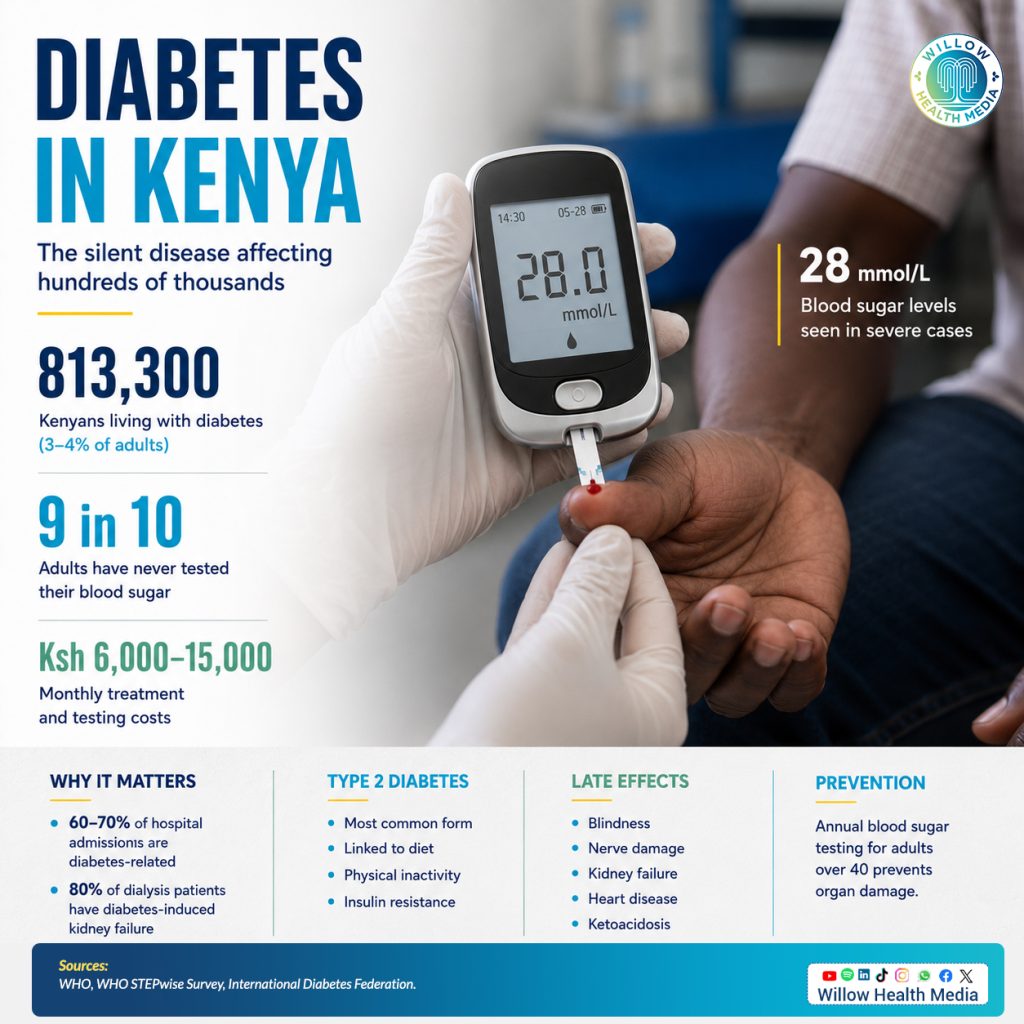
Nearly nine in 10 Kenyan adults had never had their blood sugar tested
The scale of the crisis is stark. A WHO STEPwise Survey found that nearly nine in 10 Kenyan adults had never had their blood sugar tested. The Ministry of Health estimates national prevalence at roughly 3 to 4 per cent of adults, about 813,300 people, with many diagnosed only after severe complications arise. Between 60 and 70 per cent of current hospital admissions are linked to diabetes-related issues, and 80 per cent of dialysis patients are battling kidney failure caused by the disease.
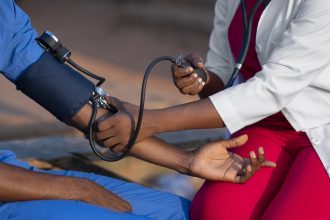
Globally, the International Diabetes Federation estimates that nearly 589 million adults are living with diabetes, with over 40 per cent unaware they have it, particularly in low- and middle-income countries where access to early testing remains limited. The World Health Organisation (WHO) describes it as a metabolic disease that, if untreated, leads to serious damage to the heart, eyes, kidneys and nerves, with the burden falling heaviest on those least equipped to bear it.
“Without consistent screening, reliable drug access, and family-wide adoption of healthy lifestyles,” Dr Kitungulu warned, “patients struggle financially and socially, and complications remain common.” It is a crisis that is no longer creeping quietly. It has arrived.
We believe in the free flow of information
Republish our articles for free, online or in print, under Creative Commons licence.