

A medic physically shows up for their shift but is functionally checked out, suffering from a hangover, withdrawal symptoms or active intoxication- and cannot accurately audit drug dosages- with the highest abuse disorders reported in Rift Valley and Nairobi.
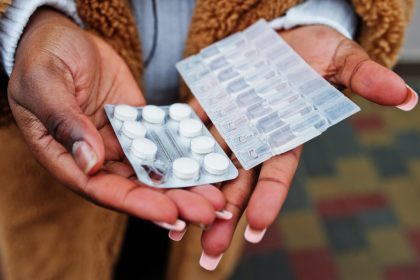
A brilliant clinical pharmacist in Central Kenya found herself spiralling into a severe benzodiazepine dependency. The daily anxiety of managing high-stakes oncology prescriptions, combined with a painful personal separation, left her with chronic insomnia. She knew the exact therapeutic window of Diazepam and Alprazolam, convincing herself she was merely “self-medicating” to maintain peak job performance.
She began quietly slipping blister packs into her lab coat pocket, adjusting inventory logs to cover her tracks. Within months, her tolerance skyrocketed, and she found herself taking dosages that would sedate an average patient just to keep her hands from shaking while compounding chemotherapy drugs. The turning point came when a colleague noticed she was slurring during morning ward rounds, triggering an internal audit that revealed massive discrepancies in the pharmacy’s controlled drug safe.
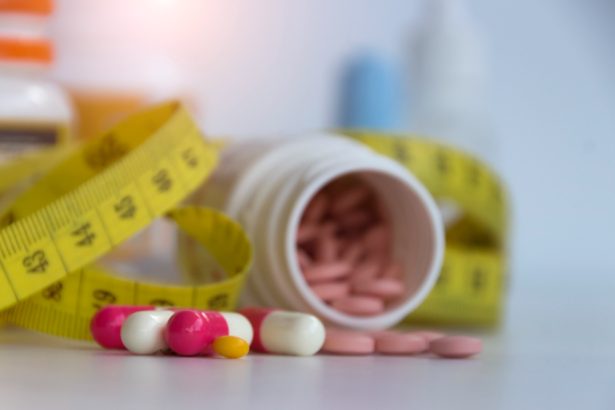
Elsewhere, a young pharmaceutical technologist working in a frantic 24-hour retail chemist in Nairobi faced an unplanned pregnancy just as her employment contract was up for renewal. Terrified of the stigma and the threat of being a young mother, she used her position to access Mifepristone and Misoprostol (abortion pills) from the bulk store.
Lacking a proper clinical supervisor to monitor the subsequent heavy bleeding, she suffered severe complications alone in her apartment. To cope with the physical pain and lingering emotional trauma while continuing 12-hour shifts, she began abusing antibiotics to prevent possible infection alongside heavy doses of prescription painkillers, and thus turning a professional space into a personal coping ground.
Even the most benign categories of medication, like antibiotics, get swept into this pattern of underground use. A medical officer in a busy public emergency department developed a severe, recurring respiratory tract infection. Rather than booking an appointment, waiting in line and getting a proper culture test, he used his prescribing privileges to cycle through heavy rounds of Amoxicillin-Clavulanate and eventually Azithromycin and Ceftriaxone, treating antibiotics like fuel to suppress symptoms so he could pull consecutive night shifts.
The pressure-cooker environment of Kenyan healthcare driving medics into drug dependency
This casual, unmonitored self-prescription masked an underlying structural burnout and highlights how deep the culture of bypassing standard patient protocols runs within the medical fraternity. When clinicians view themselves as immune to the rules of patienthood, the line between objective science and dangerous habit blurs entirely. This is how a pharmacist in a pristine white coat counselling you on exact dosages, drug-drug interactions and potential side effects, could be quietly battling the very substances they are licensed to dispense.
For decades, substance use disorder was viewed as a societal issue affecting the unemployed, the disillusioned or the marginalised. Recent data shatters this stereotype, revealing that the pressure-cooker environment of Kenyan healthcare is driving its own protectors into dependency.
For a long time, the scale of substance use among Kenyan healthcare providers remained anecdotal. A study by Dr Jasmit Shah and colleagues titled, “Substance use among healthcare professionals: A cross-sectional study in Kenya,” provided an eye-opening reality check. The study surveyed 1,768 healthcare providers across Kenya, including doctors, nurses and allied health staff, revealing that more than half reported using a substance in their lifetime.
While alcohol remains the undisputed giant, cannabis emerged as the second most common substance, hitting a figure significantly higher than the general Kenyan public’s lifetime usage, with tobacco products close behind, alongside an alarming rate of non-medical use of opioids, sedatives and sleeping pills.
The geographical spread is equally telling, with lifetime substance use among medics highest in Rift Valley, followed closely by Nairobi. More tellingly, the data revealed a distinct hierarchy of vulnerability: doctors and allied health staff, including pharmacists and pharmaceutical technologists, were significantly more likely to use substances than nurses, with lifetime use of tobacco, alcohol, cannabis and sedatives consistently highest among the doctor and pharmaceutical cohorts.
Pharmacists suffer from a unique occupational hazard known as pharmacological optimism
To understand why a pharmacist, who after studying pharmacology, toxicology and the dangers of chemical dependencies, would misuse drugs, we must look beyond the chemical and into the cultural and systemic environment of modern medicine.
Pharmacists suffer from a unique occupational hazard known as pharmacological optimism. Because they understand exactly how a molecule works, how it is metabolised and how to counteract its side effects, they often develop a false sense of security. Unlike the average citizen, who must navigate illicit channels to acquire controlled substances, a pharmacist lives in a world of radical abundance, surrounded by rows of narcotics, benzodiazepines and therapeutics daily.
When a healthcare worker is pushed to the brink of physical and emotional exhaustion, the proximity of a chemical solution becomes a profound temptation. It often starts innocently: a mild sedative to sleep after a chaotic night shift, or a stimulant to stay awake through a gruelling weekend double-shift. Over time, the body builds tolerance, demanding higher doses just to achieve baseline functioning.
The Kenyan healthcare sector faces acute, systemic challenges that accelerate this decay. Severe staff shortages mean a single pharmacist or doctor is routinely left responsible for hundreds of patients daily.

Managing continuous inventory, navigating chaotic public hospital supply chains and facing constant life-and-death stakes creates chronic, unremitting stress. Interestingly, recent research shows professionals in private and faith-based institutions exhibit even higher rates of substance use than those in public facilities, often tied to higher income brackets providing greater purchasing power, coupled with intense corporate performance metrics and stress.
Substance use among medical professionals acts like a stone thrown into a still pond, its ripples damaging every facet of their professional and personal ecosystem. While missing work entirely threatens job security, presenteeism is arguably more dangerous in a clinical setting: a medic physically shows up for their shift but is functionally checked out, suffering from a hangover, withdrawal symptoms or active intoxication. A pharmacist operating under severe cognitive dampening cannot accurately audit drug dosages, spot contraindications or maintain sterile protocols.
Addiction thrives in darkness, and medics withdraw from friends, spouses, colleagues to hide their habit
According to the screening metrics used by researchers, nearly 20 per cent of healthcare workers who used substances admitted their habits directly caused them to fail to meet work expectations within a three-month window. When a pharmacist or doctor loses focus, the consequences aren’t just reduced productivity; they are written in patient charts and medical malpractice lawsuits.
Addiction thrives in darkness, and as a medical professional’s dependency deepens, they progressively withdraw from friends, spouses and colleagues to hide their habit. Being married serves as a powerful protective factor, likely because it provides a built-in support network and an emotional buffer against work-related loneliness, leaving unmarried or single younger medics significantly more vulnerable to using chemicals as surrogates for emotional support.
If a pharmacist or medic recognises they have a problem, intense structural and social stigmas unique to the medical community stand in the way of recovery. Healthcare workers face regulatory terror, knowing that stepping forward could mean immediate suspension, permanent loss of their practising licence from the Pharmacy and Poisons Board (PPB), or termination by hospital boards. There is also the myth of infallibility, which breeds shame because society expects medics to cure illness, not succumb to it, worsened by a profound lack of specialised, confidential rehabilitation frameworks designed explicitly for healthcare professionals in East Africa.
When a professional attempts to quit cold turkey without external help, they face the brutal reality of physical withdrawal: unpredictable mood swings, severe anxiety, tremors and debilitating physical illness. Trapped between the fear of withdrawal and the fear of professional ruin, many choose to keep using just to stay afloat.
Hospitals should allow a pharmacist struggling with addiction to seek treatment without fearing the chop
Ignoring this crisis is no longer an option, because protecting our healthcare workers is quite literally a matter of protecting public health. Healthcare organisations, including major referral centres and public county facilities, must transition from a purely punitive approach to a restorative one. Hospitals should establish formal Employee Assistance Programs guaranteeing absolute confidentiality, allowing a pharmacist struggling with addiction to seek treatment without fearing permanent revocation of their livelihood.

Medical and pharmaceutical training curricula must explicitly address the occupational risk of addiction, equipping students to recognise early warning indicators of substance impairment in their peers, such as uncharacteristic emotional outbursts, frequent unexplained absences, or inexplicable discrepancies in narcotic registries.
There is also an urgent need to build anonymous, medic-to-medic support networks across Kenya, since knowing one is talking to a fellow clinician who truly understands the specific trauma, long hours and unique pressures of the medical field breaks down isolation far more effectively than generic rehabilitation strategies.
Pharmacists, doctors and nurses are human beings long before they are clinicians, and expecting them to be completely immune to substance use disorder simply because they hold a degree in healthcare is an unrealistic, dangerous double standard. By shedding light on the true statistics, dismantling the crippling stigma of medical vulnerability, and implementing compassionate, systemic guardrails, Kenya can ensure its healthcare professionals find the healing they so desperately need, allowing them, in turn, to safely heal the nation.
Dr Madeline Iseren is a pharmacist and commentator on topical medical and health topics.
We believe in the free flow of information
Republish our articles for free, online or in print, under Creative Commons licence.