


Fear of being seen as weak is driving young men away from clinics in Kibra, but most are now learning to talk about a crisis they were taught to hide.
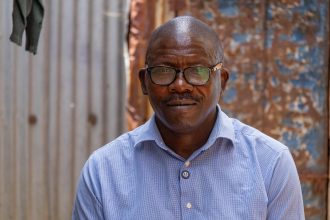
Wickliff Mose, a resident of Kibra, is one of many young men buckling under the weight of traditional masculinity, where the unrelenting pressure to find work and provide for family creates immense psychological stress.
“I don’t have a job,” says the 28-year-old. “So, every day I think about my future, and I think about it too much. I feel like I’m going crazy.”
His words capture a reality shared by many young men in Kibra, where unemployment, financial insecurity and uncertainty about the future have become daily stressors.
According to the Kenya National Bureau of Statistics’ 2025 Economic Survey, the informal sector generated 703,700 new jobs in 2024, accounting for 90 per cent of all new employment that year, out of 782,300 jobs created in total. Youth aged 15 to 24 face an unemployment rate of 13.4 per cent, above the national average.
That growth has not translated into stability for young men trying to build independent lives; for them, finding independence means relying on myriad casual jobs just to get by. While a future devoid of employment or income is a living nightmare for many young people, the more silent monster is the mental health struggle unfolding behind closed doors, one that stigma, privacy fears and a difficult referral system keep hidden from view.
Being in a low-income environment does not help matters. A 2025 pilot study by University of Nairobi researchers, working directly with youth groups in Kibra and Mukuru Kwa Reuben, screened 94 young people aged 15 to 24 and found probable depression in 25 per cent and probable anxiety in 34 per cent. The study published in Cambridge Prisms: Global Mental Health also noted that most participants were unemployed, with higher depression and anxiety scores closely linked to alcohol and substance use.
When I have issues, I can’t share them with anyone because they’ll see me as weak
For Wickliff, the biggest obstacle is not distance or cost. It is stigma. “When I have issues, I can’t share them with anyone because they’ll see me as a weak person,” he explains. “People think if you’re a man, you should handle your own problems.”
Those beliefs are deeply rooted within many communities, where masculinity is often associated with emotional resilience and self-reliance. Seeking help for anxiety, depression, or emotional distress can therefore be interpreted as weakness rather than strength, and even where help is available, fear of being seen keeps many away.

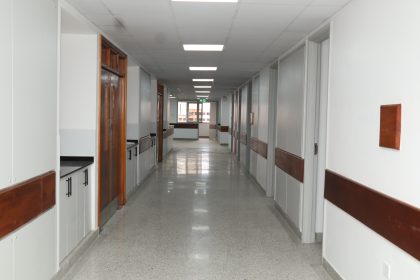
Privacy is another concern. Lameck Misango, also from Kibra, says government health facilities can feel too public. “In a government hospital there are many people,” explains the 22-year-old. “Your neighbour might see you there. Then they go home and start saying they saw you at the hospital because something is wrong. That’s why many people don’t like going to government institutions.”
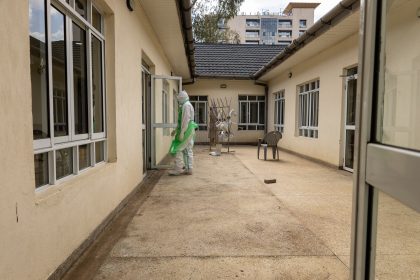
Community Health Promoter (CHP) Salim Mohamed sees this pattern regularly. Working on the frontline, he is often among the first people approached by residents experiencing emotional distress, and refers clients needing specialised mental healthcare through Kenya’s public health system. Yet he says the referral pathway itself presents another obstacle.
“A person seeking mental health care may reach the first facility and receive some support,” he says, “but they may still not be ready or fully stabilised. They might need to be referred to a Level Two, Level Three, or even Level Four facility. But getting them to the next level becomes a major challenge. As a result, the client decides to just stay where they are and not continue with treatment.”
Faced with repeated referrals and long waiting periods, many young people stop seeking care
The scale of that gap shows up in the numbers. The 2022 Kenya Demographic and Health Survey (KDHS) found that only three per cent of men aged 15 to 49 have ever been diagnosed with depression or anxiety by a health worker, and just 21 per cent of those are receiving treatment. About four per cent of women in the same age group have been diagnosed, pointing to a wider gap between diagnosis and care across the board.
That undercount likely reflects how few people ever reach a formal diagnosis in the first place. A separate community-based study by Patrick Nzivo and other researchers and which was published in PLOS Global Public Health in 2025, involved screening adults in Mombasa, Kwale and Nairobi counties using clinical tools. It found depressive symptoms in 22 to 28 per cent of respondents, far above the share who are ever formally diagnosed, underlining how much distress goes undetected within the system.

Faced with repeated referrals and long waiting periods, many stop seeking care. While formal healthcare systems work to expand mental health services, community organisations have stepped in to address gaps in Kibra. At CFK Africa’s Youth Friendly Services Centre, mental healthcare takes a different approach, offering an environment for youth that is deliberately safe, private and non-judgmental.
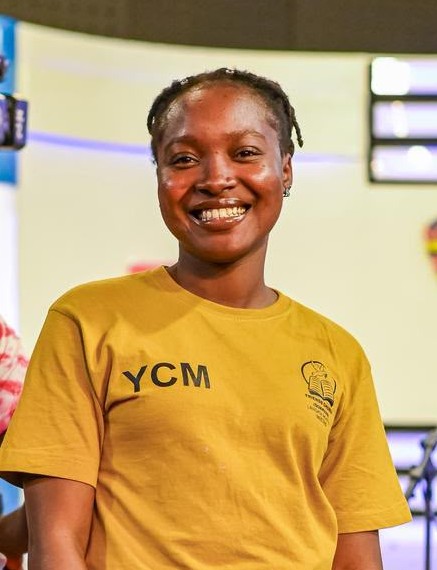
Youth Peer Provider Enock Omari says that atmosphere is a major reason young people seek out CFK Africa. “There’s a conducive environment,” he says, “where you can air out your problems, and you can be listened to, and they are very confidential. So I think that particular environment alone is an inviting piece for the youth to come out and speak up.”
Rather than waiting for young people to request counselling, the organisation creates opportunities for conversations to emerge naturally. Psychosocial counsellor Victrine Oluoch explains that even recreational activities become mental health interventions, with indoor games helping young people relax while opening conversations around stress, relationships and other life challenges. “As they’re playing, they’re also having conversations,” she explains. “That becomes an entry point for youth peer providers to offer support and eventually encourage them to attend counselling sessions.”
Young men find their struggles are not unique, leading to bonding, encouragement, shared solutions
Across Kibra, the Vonya Brothers Youth Initiative uses a similar approach, founded by young men raised within the community and reaching others through football, community clean-up activities and peer engagement. It is in projects like these that mental health discussions evolve organically, and young men find their struggles are not unique, leading to bonding, encouragement and shared solutions.

Founder Benson Vonya says relationships built over time encourage young men to open up. “The more we spend time together,” he says, “the more they begin telling us what’s happening at home, with their families and in their lives.”
Psychiatrist and Principal Clinical Research Scientist Dr Linnet Ongeri says stigma remains one of the biggest barriers preventing young people, particularly young men, from accessing care. “Many people still associate mental illness with severe psychiatric conditions,” she explains. “They don’t recognise that common conditions such as anxiety, depression and stress are also mental health issues that deserve attention and treatment.”
She notes that in communities like Kibra, mental health challenges rarely exist in isolation. Poverty, unemployment, financial insecurity, gambling, alcohol and substance use, and unstable family environments often interact, making recovery far more complex than simply treating symptoms. Research from Nairobi’s informal settlements has drawn the same link, tying unemployment and financial strain directly to depression, hopelessness and, in severe cases, suicidal ideation among young men.
A football match, a neighbourhood clean-up or casual chat with a peer can open the door to support
Government health facilities cannot shoulder the growing mental health burden alone, Dr Ongeri says. Community Health Promoters, youth peer providers and grassroots organisations already embedded within communities can complement formal healthcare by raising awareness, identifying people in need and connecting them to services.

“There is a lot of room for everyone to work together,” she says. “Young people in the community can be trained as champions to help others understand what mental health conditions look like, how to maintain mental wellbeing and where services are available. At the same time, health facilities need stronger referral systems so that people who need specialised care can access it without unnecessary barriers.”
For young men like Wickliff, trusted community spaces may become the first step on a journey toward professional care. A football match, a neighbourhood clean-up or a casual conversation with a peer can open the door to support that once felt out of reach. It is in those moments of trust, community and understanding that the path to recovery truly begins.
Jewel Nyamusi is part of KEMRI Graduate School/ Willow Health Media Health Communication programme in collaboration with the University of Liverpool.
We believe in the free flow of information
Republish our articles for free, online or in print, under Creative Commons licence.