

As Ebola spreads, the World Cup is being played under the watch of scientists, border officials and health workers, not just referees and fans.
After half a century in soccer Siberia, DR Congo has finally returned to football’s biggest stage. But their first World Cup since 1974 is unfolding against the backdrop of an Ebola outbreak at home, travel bans targeting African countries, and a mandatory quarantine in Belgium before being allowed to set foot on American soil.
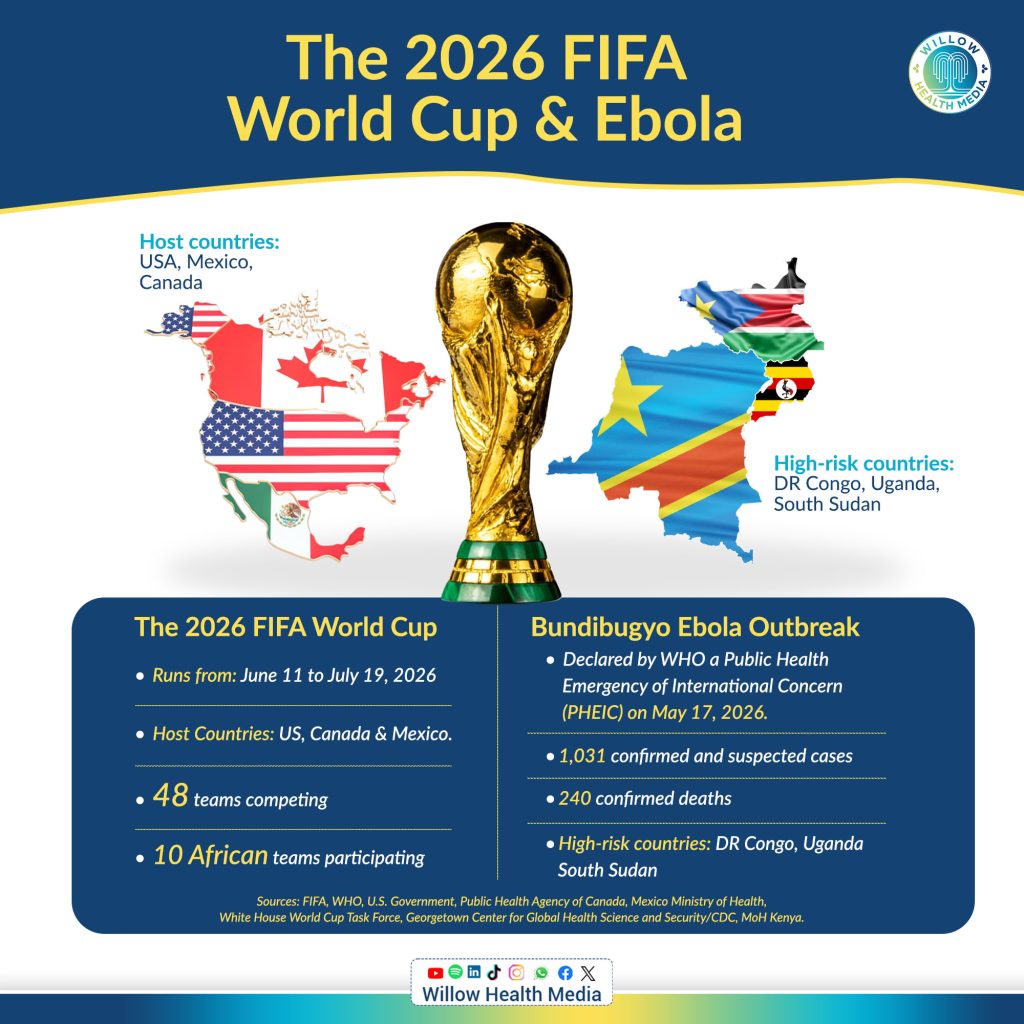
The 2026 World Cup hosts USA, Canada and Mexico, have put coordinated health restrictions ahead of the June 11 to July 19 tournament, which is estimated to attract over six million fans.
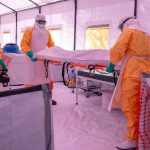
The joy of qualification has been shadowed by the Ebola crisis after the World Health Organization (WHO) declared the Bundibugyo Ebola strain a Public Health Emergency of International Concern on May 17, with 1,031 confirmed and suspected cases and 240 confirmed deaths recorded.
The outbreak, which began in DRC, has spilled into Uganda, and South Sudan is also classified as high risk. In response, the three host nations issued a joint statement on 29 May saying the health and safety of every person in the region remained their highest priority.
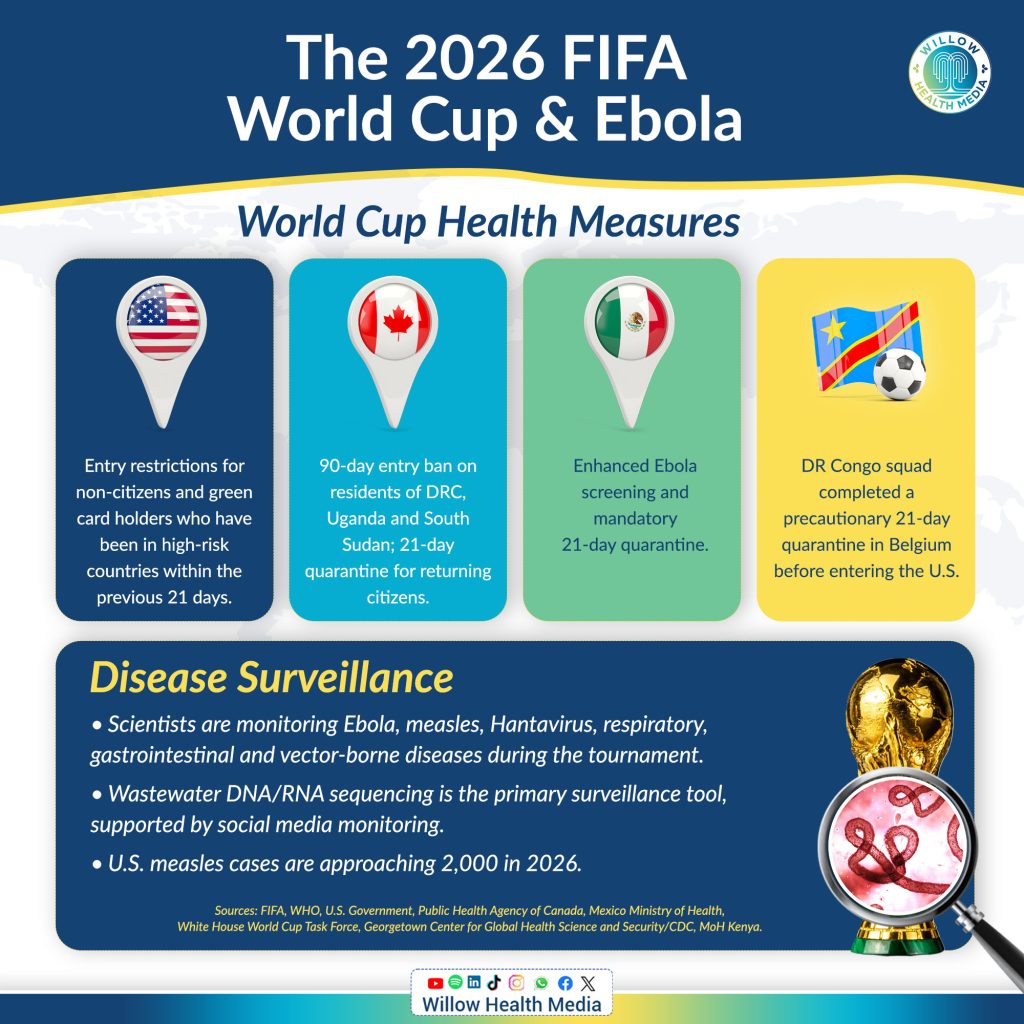
The U.S. invoked Title 42, a public health law, to bar non-citizens and later green card holders who had been in DRC, Uganda or South Sudan in the previous 21 days.
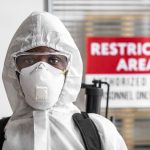
Designated airports, including Washington Dulles, Hartsfield-Jackson and George Bush Intercontinental in Houston, now carry out enhanced screening for travellers from the African region.
Mexico announced 21-day quarantine, urged the public against travelling to DRC
Canada barred residents of the three affected countries for 90 days and, from 30 May, required its own citizens and permanent residents returning from affected areas to quarantine for 21 days. Mexico’s health secretary announced stricter Ebola screening, a 21-day quarantine requirement and urged the public against travelling to DRC.
DR Congo, who qualified as Zaire 52 years ago, sealed their return on March 31 when Axel Tuanzebe’s 100th-minute winner against Jamaica sparked jubilation across Kinshasa. The Leopards, coached by Frenchman Sébastien Desabre since August 2022, drew heavily on diaspora talent in naming their 26-man squad. Captain Chancel Mbemba, the country’s most-capped player with 107 appearances, marshals the defence, while striker Cédric Bakambu, 35, sits one goal short of the national scoring record.
DR Congo are in Group K alongside Portugal, Colombia and Uzbekistan. Their matches are: Portugal on June 17 in Houston, Colombia on June 23 in Guadalajara and Uzbekistan on June 27 in Atlanta. Other African teams at this year’s World Cup include Algeria, Cabo Verde, Côte d’Ivoire, Egypt, Ghana, Morocco, Senegal, South Africa and Tunisia.
DR Congo’s team has been undergoing precautionary quarantine in Belgium. Andrew Giuliani, Executive Director of the White House Task Force for the World Cup, confirmed they would only be permitted entry after completing 21 days there.
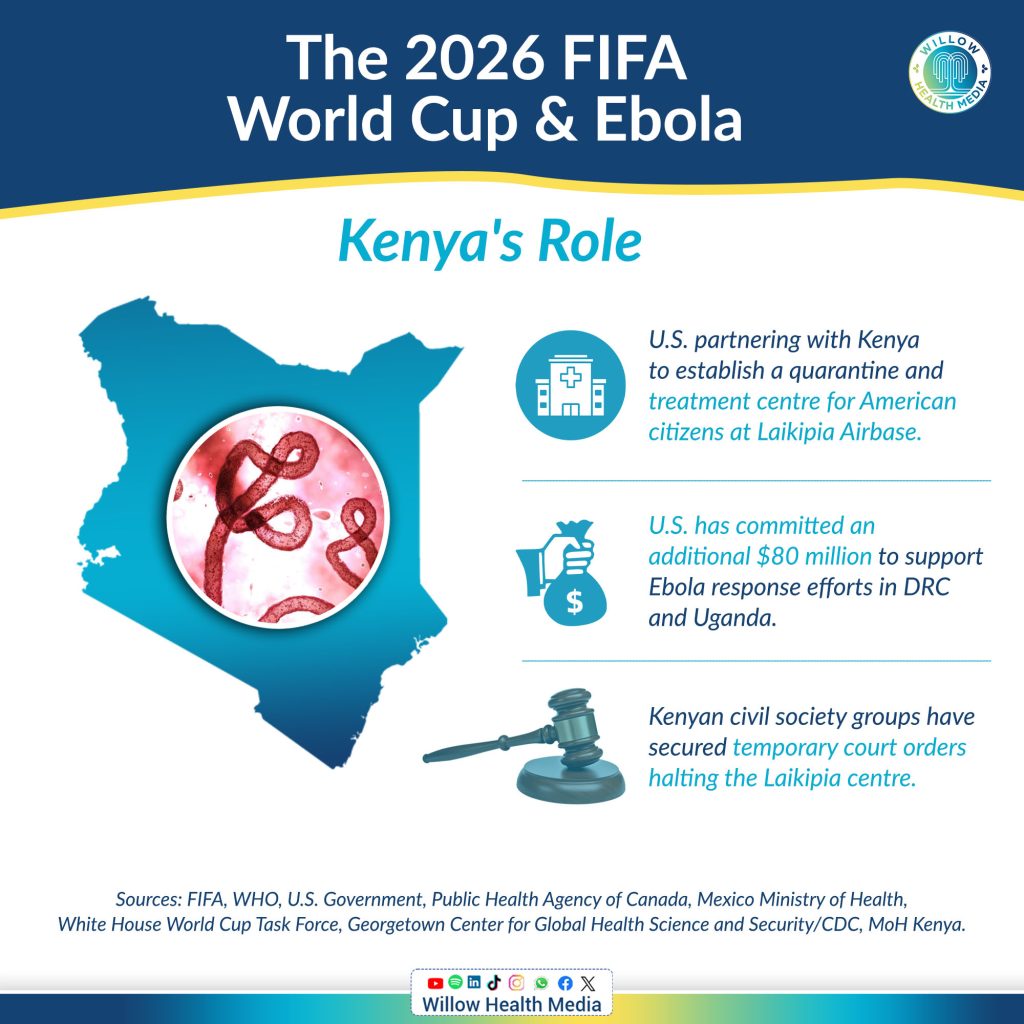
USA is partnering with Kenya to establish a quarantine centre for American citizens
Kenya, which sits in the high-risk African region, is also central to the response. The U.S. is partnering with Kenya to establish a quarantine and treatment centre for American citizens at Laikipia Airbase. Medical Services Principal Secretary Dr Ouma Oluga said Kenya’s healthcare system was resilient and capable of hosting such a centre. “It is a moment that we should be proud that others trust in our healthcare systems,” he said.
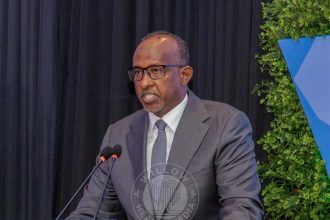
Health Cabinet Secretary Aden Duale echoed the position: “Kenya is ready. Kenya is capable. Kenya will continue to act responsibly in safeguarding both national and global health security.” Civil society organisations have, however, obtained temporary court orders halting the activity. Separately, the U.S. has committed an additional $80 million to fighting the Ebola outbreak in DRC and Uganda.
Beyond Ebola, epidemiologists have prepared to monitor several other diseases during the 39-day tournament. A newly formed team of scientists has established an epidemiological command centre at Georgetown University, bringing together academic institutions, non-profits, private companies and government agencies.
The centre is tracking Ebola, measles, Hantavirus, respiratory viruses including influenza and Covid-19 variants, gastrointestinal illness, and vector-borne diseases. Rebecca Katz, Director of Georgetown’s Center for Global Health Science and Security, described advanced wastewater analysis using DNA and RNA sequencing as the cornerstone of the surveillance. “Using DNA and RNA sequencing to detect genetic material from a wide range of microbes without needing laboratory cultures is an incredibly powerful technology,” she said, adding that data was already flowing in from collection sites across all three host nations.
USA withdrawal from WHO have strained capacity to counter multiple simultaneous outbreaks
The team is also conducting social listening, tracking anonymised digital conversations on social media and other forums for early signals of disease transmission.
Katz identified measles as a more immediate concern than Ebola, with U.S. case numbers nearing 2,000 in 2026 and outbreaks resurging in parts of Mexico and Canada. Ebola, she noted, poses a lower risk to the general public because it is not airborne and requires direct contact with an infected person. Budget and staffing cuts under President Donald Trump’s administration, combined with the U.S. withdrawal from the WHO, have strained the country’s capacity to counter multiple simultaneous outbreaks.
Disease surveillance at major tournaments is not new. For the 2022 FIFA World Cup in Qatar, the Ministry of Public Health and the WHO’s Eastern Mediterranean Regional Office established a dedicated event-based surveillance team six months before the tournament, with the European Centre for Disease Prevention and Control’s Epidemic Intelligence Group also exchanging daily findings.
Qatar had one of the lowest Covid-19 mortality rates in the world, attributed partly to its epidemiological surveillance system, strategic testing and free vaccinations. The Georgetown command centre is designed to go further, with its work intended as a blueprint for future large-scale events, including the 2028 Summer Olympics in Los Angeles.
There is currently no local Ebola transmission within the U.S., though one American doctor who contracted the virus while treating patients in DRC was evacuated for care at a high-level isolation facility in Germany.
We believe in the free flow of information
Republish our articles for free, online or in print, under Creative Commons licence.