
Patients using nuclear medicine for cancer treatment have to stay hydrated, flush the toilet twice, sleep alone, use separate utensils and avoid close contact with pregnant women and children during the first week.
When Moses Kariuki arrived at Kenyatta University Teaching, Referral and Research Hospital (KUTRRH) for his first cancer treatment in November 2024, he was in a wheelchair. Today, he walks unaided. “I can’t compare,” he says. “When I came for my first cycle, I couldn’t even walk. Today, as you can see, I am on my feet.”
His daughter Milkah is equally direct: “I have my dad back.”
Moses is currently one of only two Kenyans to have received Lutetium-177 PSMA therapy, a radioactive cancer treatment, free of charge at a public hospital.
When he began treatment two years ago, his prostate-specific antigen (PSA) level, a key marker of prostate cancer activity, stood at 425. By December, it had fallen to 22.9. By January, it dropped further to 3.45, a dramatic response for a patient with stage 4 disease.
What these two men received is not conventional chemotherapy or radiotherapy. Lutetium-177 PSMA therapy works like a guided missile. A molecule targeting a protein called PSMA – found in high amounts in prostate cancer cells – carries a radioactive isotope, Lutetium-177, directly into the cancer cell and destroys it from within, sparing much of the surrounding healthy tissue.
Unlike chemotherapy, which affects rapidly dividing cells throughout the body, or external radiotherapy, which exposes a broader area to radiation, this approach only destroys cells that express PSMA.
The treatment has been approved by the US Food and Drug Administration (FDA) for stage 4 and, more recently, stage 3 prostate cancer. The same Lutetium-177 isotope is also used for neuroendocrine tumours, attached to a different targeting molecule called DOTATATE, which binds to receptors commonly found on those tumour cells.
Five years ago, patients traveled to India for PET scan, today, that’s fully covered by SHA
This field is called theranostics, a combination of therapy and diagnostics. The same molecule used to image a tumour can be labelled with Lutetium-177 to treat it.
The treatment became available in Kenya through a partnership between the International Atomic Energy Agency (IAEA), the Oncidium Foundation and KUTRRH and was launched in November 2025. The IAEA provided specialised training to local clinicians while the Oncidium Foundation donated several doses, enabling two patients to receive the full treatment course free of charge.
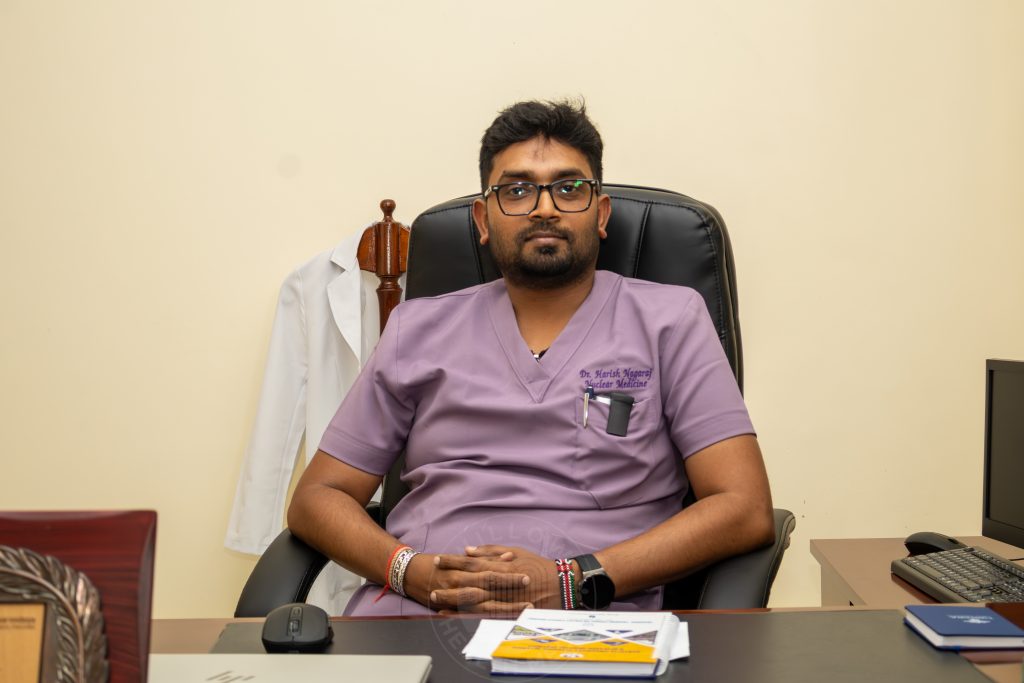
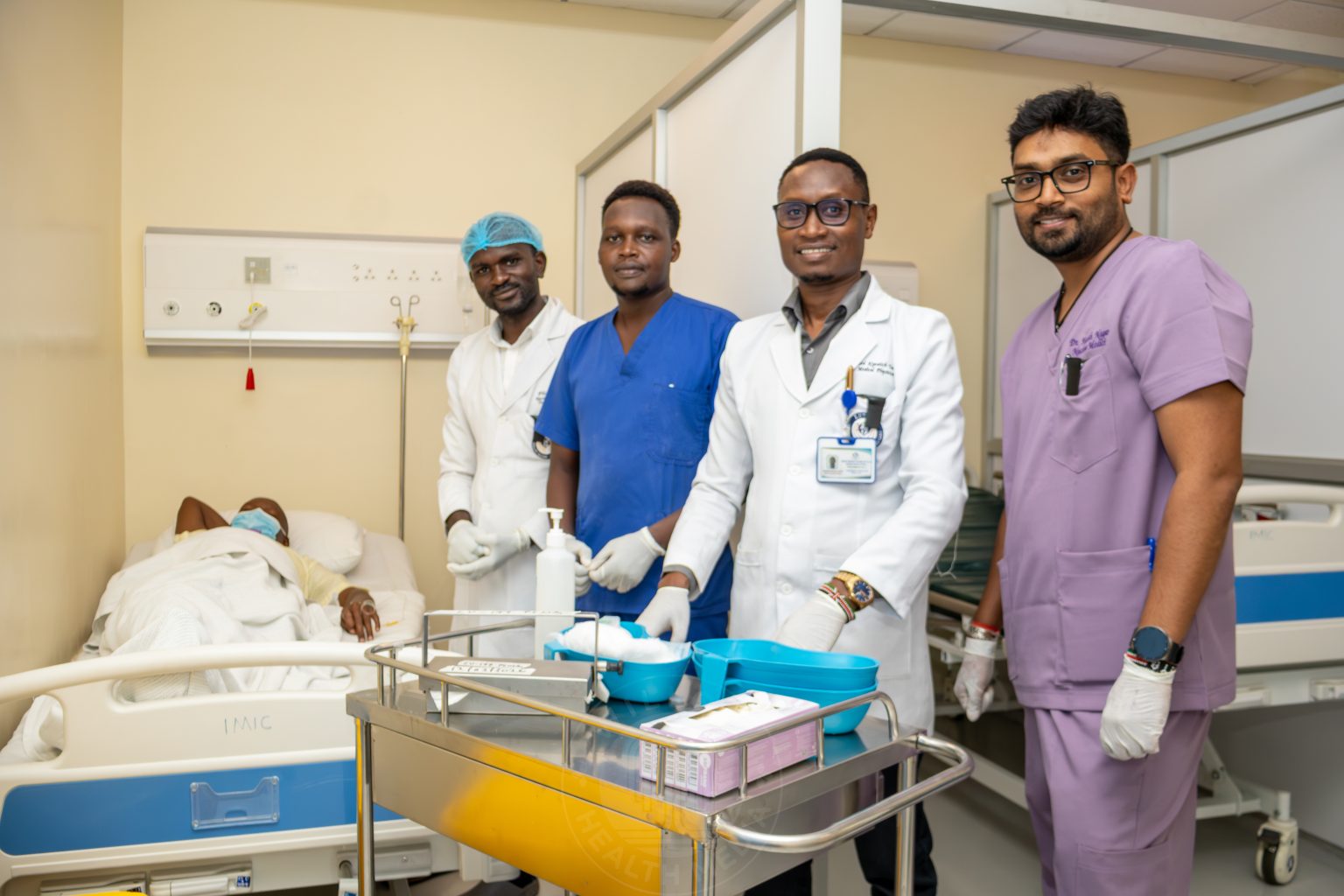
At the centre of this milestone is Dr Harish Nagaraj, Nuclear Medicine Specialist and Director of the Integrated Molecular Imaging Centre (IMIC) at KUTRRH. “Five years ago, patients had to travel to India or South Africa just to access a PET scan,” he says. “Today, those scans are locally available and fully covered by the Social Health Authority (SHA). After performing 21,000 scans since 2022, we knew it was time to take the next step.”
The eligibility process is rigorous. Twenty-six applications were reviewed, and only two patients qualified. A multidisciplinary team – oncologists, urologists, nuclear medicine physicians and nuclear pharmacists -first confirms that a patient’s cancer cells express PSMA through a PET scan, then evaluates blood count, kidney function and liver function to ensure the patient can tolerate treatment.
Aga Khan University Hospital (AKUH) in Nairobi has also been offering Lutetium-177 PSMA and Lutetium DOTATATE therapy for eight months.
Dr Samuel Nguku, Consultant in Radiology and Nuclear Medicine at AKUH, reports that three-quarters of patients treated have achieved all three intended outcomes: prolonged survival, slowed disease progression and improved quality of life.
Known side effects include bone marrow suppression, dry mouth, potential kidney injury
“What stands out most, however, is the improvement in quality of life. When patients report dramatic reductions in pain and fatigue and can resume their normal routines, that is significant, especially in the case of advanced cancer.”
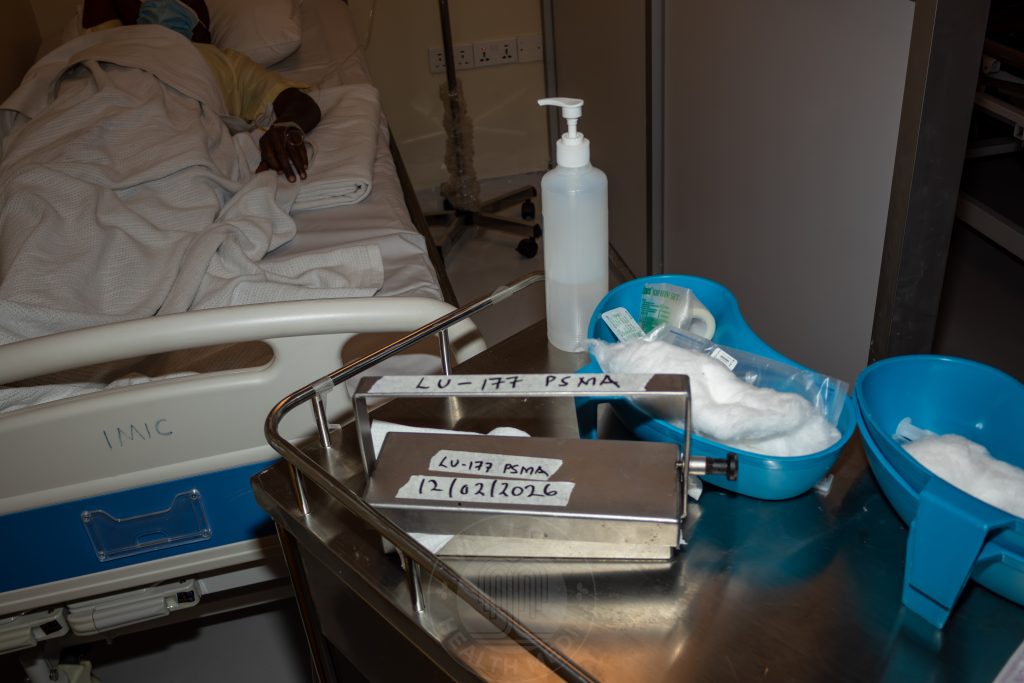
Lutetium-177 has a half-life of 6.7 days, meaning within a week, half of it has decayed, and within a couple of weeks, very little remains. Radioactive material that does not bind to cancer cells is cleared through the kidneys and urine.
Patients are advised to stay well hydrated, flush the toilet at least twice and wash their hands thoroughly. They must maintain a distance of at least one metre from others for the first five days, sleep alone, use separate utensils and avoid close contact with pregnant women and children during the first week.
Known side effects include bone marrow suppression, dry mouth – because PSMA is also expressed in salivary glands – and potential kidney injury. There is also a theoretical long-term risk of secondary malignancy, though reported cases of therapy-related blood disorders remain uncommon. All treated patients are enrolled in lifelong follow-up.
Dr Elizabeth Itotia, one of only a handful of nuclear pharmacists in Kenya, oversees drug preparation at KUTRRH.
The process is highly time-sensitive – the drug has a shelf life of only a few hours after preparation. Once a patient’s booking is confirmed and arrival verified, a four-hour preparation process begins, followed by rigorous quality control testing before the drug is released.
With one cycle costing more than Ksh1 million, patients need 4 to 6 cycles, and the treatment, not currently included in the national cancer benefits package, Lutetium-177 therapy, remains out of reach for most Kenyans. The primary cost driver is the importation of raw materials required to manufacture the drug.
At SHA, we are monitoring the progress of this treatment very keenly
SHA’s Deputy Director of Benefits and Actuarial Services, Margaret Macharia, acknowledges the treatment’s potential but stresses that coverage decisions follow a structured process. “We are monitoring the progress of this treatment very keenly, and I am aware that it is a game-changer,” she says. “But SHA does not independently make decisions on coverage.”
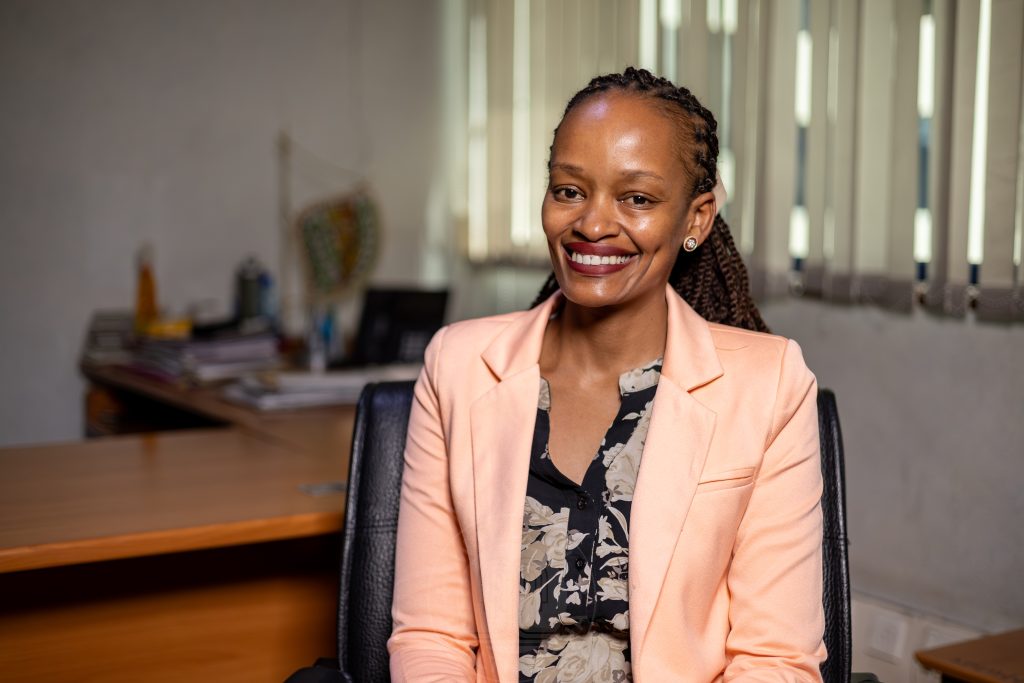
Decisions rest with the Benefits Package and Tariffs Advisory Panel, chaired by Prof Walter Jaoko, which uses Health Technology Assessment (HTA), a globally recognised framework, to determine which treatments enter the essential benefits package.
The criteria include clinical effectiveness, disease burden, equity, cost-effectiveness, budgetary impact, affordability and the potential to reduce catastrophic health expenditure.
The current benefits package was gazetted in September 2024 and came into effect on October 1, 2024. The next review must be completed by October 1, 2026. “At that point, we will know whether Lutetium therapy or any other nominated intervention has been approved for coverage,” Prof Jaoko says.
Macharia adds that a co-payment model would need careful design, given the high upfront cost. “In my view, a coverage of more than 60 per cent would make the remaining out-of-pocket costs more affordable for the majority of Kenyans. However, that decision rests with the advisory panel.”
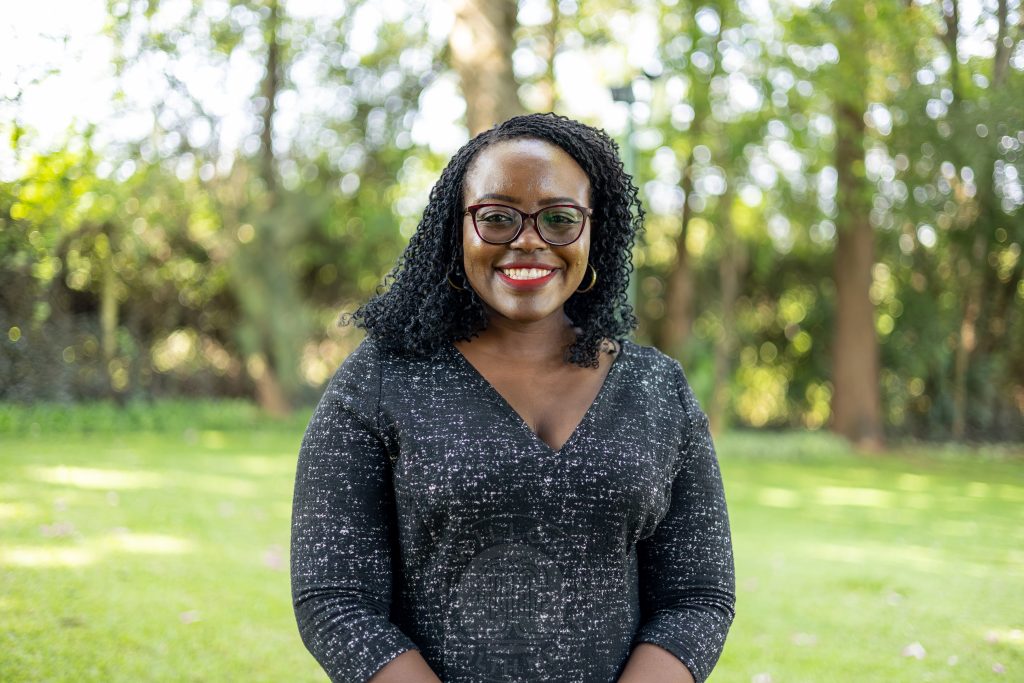
Clinical Oncologist Dr Dulcie Wanda draws a parallel with Herceptin, a targeted therapy for HER-2 positive breast cancer, which was once considered prohibitively expensive at around Ksh120,000 per dose, with patients requiring up to 18 cycles.
“Over time, because of the clear need and strong outcomes, there was a buy-in from the government, and today patients access it in public hospitals at a significantly reduced cost,” she says.
Prostate cancer tends to be more aggressive in men of African descent
She notes that the need for effective advanced therapies in Kenya is acute. “Unfortunately, the majority of the prostate cancer cases we see are already at stage 3 or 4. Prostate cancer particularly tends to be more aggressive in men of African descent, which means many of our patients present with advanced disease.”

Phoebe Ongadi, Executive Director of the Kenya Network of Cancer Organisations (KENCO), argues that access is not only about cost or policy but also patient understanding. “It is risky to introduce a new treatment without a clear patient education plan,” she says. “It affects uptake and creates room for fear, especially when the science is not well understood.”
Kenya has crossed an important threshold – the ability to deliver highly targeted, cutting-edge cancer care within its own borders. The real test lies ahead. Bridging the gap between innovation and access will require deliberate policy, sustainable financing and a system that brings patients along – not just clinically, but in understanding.
We believe in the free flow of information
Republish our articles for free, online or in print, under Creative Commons licence.