



Dr Caroline Mithi, an endocrinologist, calls weight-loss medicine one of the biggest breakthroughs in obesity management in decades, and says it’s time to lose the stigma, not just the weight.
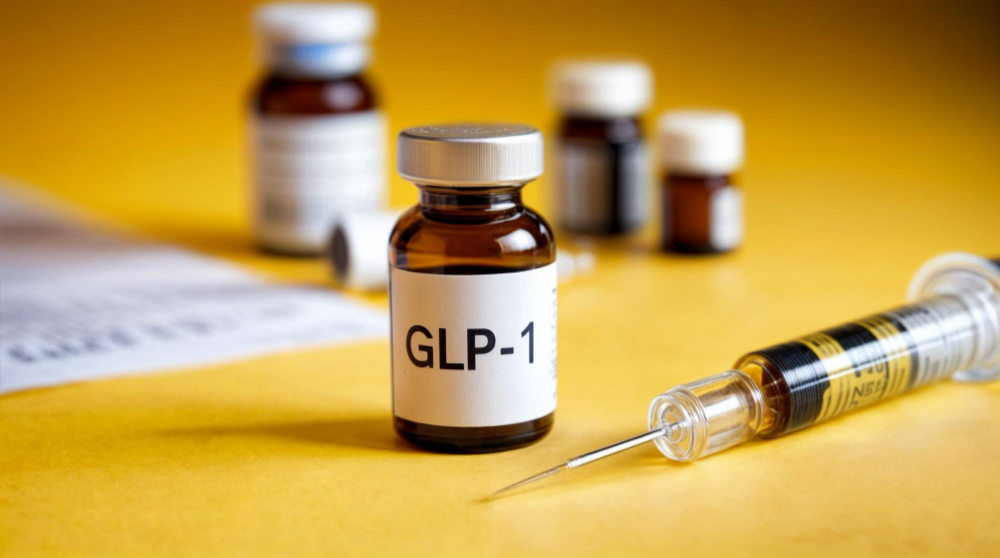
For years, people living with obesity have been told to simply eat less and exercise more. Today, that advice is being replaced by a more nuanced understanding of obesity as a chronic disease, one that often requires comprehensive medical care. At the centre of this shift are a new generation of medicines known as GLP-1 receptor agonists, including semaglutide, commonly known by the brand name Ozempic, and tirzepatide, marketed as Mounjaro.
That shift is reshaping how doctors, patients and the public think about weight loss altogether. What was once framed as a matter of discipline is now understood as a disease with biological, behavioural and environmental roots, one that demands a structured medical approach rather than willpower alone. As GLP-1 medicines gain global attention, endocrinologists are working to correct public misconceptions about how they work, who they are for and what role they play within a much larger treatment plan.
These medicines have become the subject of intense public interest, fuelled by celebrity endorsements and social media. Yet misconceptions remain. Many people view them as cosmetic weight-loss injections rather than evidence-based treatments for a complex disease.
Speaking during the second Kenyatta University Teaching, Referral and Research Hospital (KUTRRH) Annual Scientific Conference, endocrinologist Dr Caroline Mithi said the emergence of GLP-1 therapies marks one of the biggest breakthroughs in obesity treatment in decades.
“Things are moving so fast. Even for us in the medical world, we wake up and there’s something new every day,” she said, urging the public not to stigmatise people using medicines such as Ozempic or Mounjaro but instead to understand their role in managing obesity.
Obesity is a chronic, relapsing disease caused by a complex interaction of genetics, biology, eating behaviours
According to the World Health Organization (WHO), obesity is a chronic, relapsing disease caused by a complex interaction of genetics, biology, eating behaviours, access to healthy diets, physical inactivity and the environments in which people live. More than one billion people worldwide are now living with obesity, making it one of the world’s fastest-growing public health challenges. In 2022, one in every eight people globally was living with obesity, while overweight and obesity contributed to an estimated 3.7 million deaths from non-communicable diseases in 2021.

In Kenya, the burden is also rising. Data from the Kenya Demographic and Health Survey (KDHS) 2022 show that 45 per cent of women aged 20 to 49 are overweight or obese, up from 38 per cent in 2014. Among adolescent girls aged 15 to 19, 13 per cent are already overweight or obese. The World Obesity Atlas projects that by 2030, more than one million Kenyan children aged five to 19 will be living with obesity.
Dr Mithi explained that obesity management rests on four key pillars: nutrition therapy, physical activity, behavioural modification and medical treatment. Medication is only one component of a broader, long-term strategy.
Nutrition therapy has evolved beyond the traditional advice of simply reducing food portions. Instead, patients undergo medical nutrition therapy under the guidance of trained nutritionists, with personalised meal plans that increase protein and vegetable intake while reducing excess starches and sugars. “When patients receive proper nutrition therapy, they should lose between five and 10 per cent of their body weight,” Dr Mithi explained, noting that even modest weight loss significantly improves health outcomes, including diabetes control.
Those injecting themselves without exercising, may lose weight, but rebound weight gain can be significant
Physical activity is equally important, particularly for people taking GLP-1 medicines. Dr Mithi cautioned that medication alone is not enough. “If people are just injecting themselves and they’re not exercising, they may lose weight, but the rebound weight gain can be significant,” she said. She recommends at least 150 minutes of moderate aerobic exercise every week, roughly 30 minutes on five days, combined with two or three sessions of strength training. Strength training does not necessarily require a gym; simple body-weight exercises such as squats, lifting the arms or everyday movements can help maintain muscle mass while losing weight.

Behavioural modification forms the third pillar of treatment. Doctors assess sleep quality, stress levels and mental health because all influence body weight. Chronic stress, inadequate sleep, anxiety and depression can all contribute to obesity, making psychological support an essential component of treatment. Only after these foundations are in place does medication become part of the treatment plan.
GLP-1 medicines work by mimicking natural hormones that regulate appetite. They act on the brain to reduce hunger, suppress persistent thoughts about food, sometimes referred to as “food noise”, and increase feelings of fullness. They also slow the emptying of food from the stomach, helping people remain satisfied for longer after eating.
For people with type 2 diabetes, these medicines stimulate insulin release from the pancreas when blood sugar levels rise, improving glucose control while simultaneously promoting weight loss. “The patients don’t feel hungry. They always feel full,” Dr Mithi explained.
Research has also shown that these medicines provide benefits beyond weight reduction. They improve blood sugar control, reduce cardiovascular risk, protect kidney function and may even reduce the risk of certain neurological conditions. These additional benefits are one reason why WHO, in 2025, included GLP-1 therapies in its Essential Medicines List for high-risk patients with type 2 diabetes and issued conditional recommendations supporting their use in obesity management as part of comprehensive care.
Before weight-loss drugs, achieving 20 per cent weight loss required bariatric surgery
Perhaps the most significant advance is the amount of weight patients can lose. Before GLP-1 therapies became available, achieving about 20 per cent weight loss generally required bariatric surgery. Today, similar outcomes are becoming possible with medication for eligible patients.

However, these medicines are not intended for everyone seeking to lose a few kilograms. Dr Mithi stressed that eligibility is based on medical criteria: a body mass index (BMI) of 30 or higher, or a BMI of at least 27 with obesity-related conditions such as diabetes or hypertension. “They are not prescribed simply because someone wants to fit into a wedding dress,” she noted, emphasising that treatment decisions should be guided by clinical need rather than cosmetic goals.
Like all medicines, GLP-1 therapies carry potential side effects. The most common include nausea, vomiting, constipation, diarrhoea, heartburn and gastritis due to slower movement of food through the stomach.
Long-term risks require careful medical assessment. People with a family history of medullary thyroid cancer are generally not considered suitable candidates because animal studies raised concerns about a possible association. Patients with severe diabetic eye disease should undergo ophthalmological assessment before starting treatment, while excessive alcohol consumption increases the risk of pancreatitis. Gallstones may also develop or become symptomatic during rapid weight loss. Despite these risks, Dr Mithi said the medicines remain safe for most eligible patients when prescribed appropriately and accompanied by regular medical monitoring.
For patients who require additional interventions, other treatment options are available. Endoscopic gastric balloons occupy space within the stomach for several months, reducing the amount of food that can be eaten. However, because they do not address appetite regulation in the brain or eating behaviours, many patients regain weight after the balloon is removed.
Gastric sleeve surgery not only reduces stomach size but also lowers levels of hunger hormones
Bariatric surgery, including gastric sleeve and gastric bypass procedures, remains an important option for selected patients with severe obesity. Gastric sleeve surgery not only reduces stomach size but also lowers levels of ghrelin, the hormone responsible for stimulating hunger, allowing many patients to achieve sustained weight loss. “So, you find these patients also don’t feel hungry. So, it almost prompts like the GLP-1s in a sense, but it also does not affect the brain. So it will just mean eat less and never feel fuller and you have at least 23 per cent of total body weight loss,” says Dr Mithi.

Ultimately, Dr Mithi believes the greatest misconception about obesity is that it can be solved by willpower alone. For nearly a century, medicine had few effective tools to treat obesity. The arrival of GLP-1 therapies has transformed that landscape, offering new hope to millions of people living with a disease that affects nearly every organ in the body.
But she cautions against viewing these medicines as miracle injections. Successful obesity management, she said, still depends on combining nutrition therapy, regular physical activity, behavioural support and, where appropriate, medication or surgery. Lasting weight loss is not about chasing quick fixes; it is about treating obesity as the chronic medical condition that it is.
We believe in the free flow of information
Republish our articles for free, online or in print, under Creative Commons licence.