


During Covid-19, patients and families struggled to find hospitals with available intensive care beds. Today, the Ministry of Health can track bed capacity from its headquarters, demonstrating the potential of Kenya’s evolving digital health system to make healthcare more accessible, wherever people are.
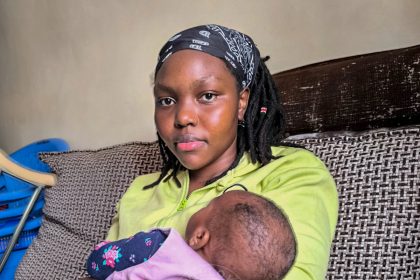
For many patients in Kenya, a visit to a health facility begins as a test of memory. They piece together their own medical history, hoping the right records, the right medicine and the right health worker will all be in the same place at the same time.
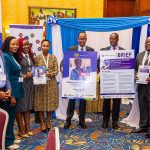
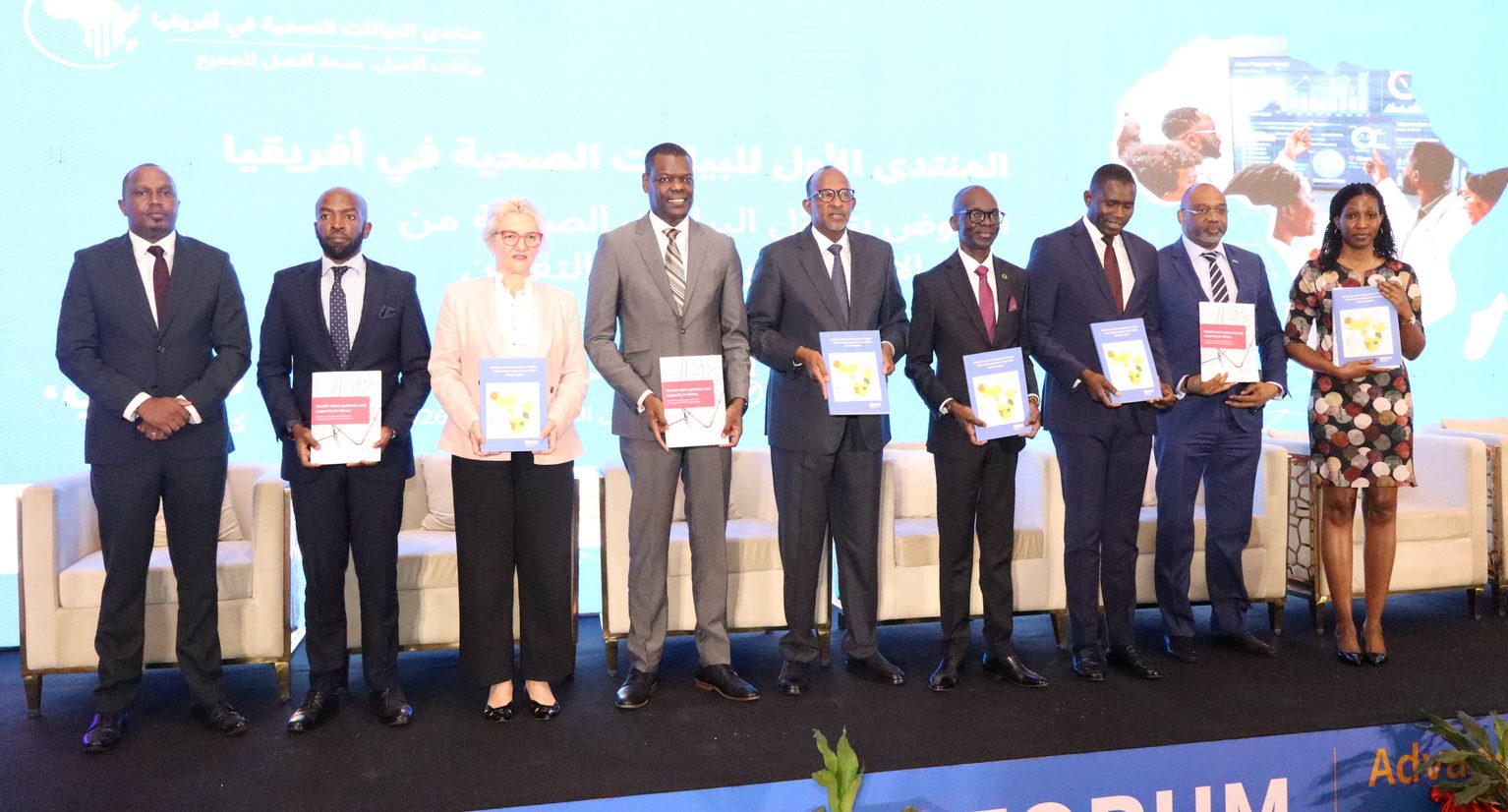
Kenya is betting that digital reform can end that gamble. At the inaugural Africa Health Data Forum, convened in Nairobi on November 10, 2026 by the World Health Organization (WHO), the Ministry of Health and Kenya’s Digital Health Agency under the theme Better Data, Better Health for All, officials described a health system beginning to connect information once scattered across facilities and programs.
The promise for patients is less time explaining, chasing and waiting, and more time being treated.
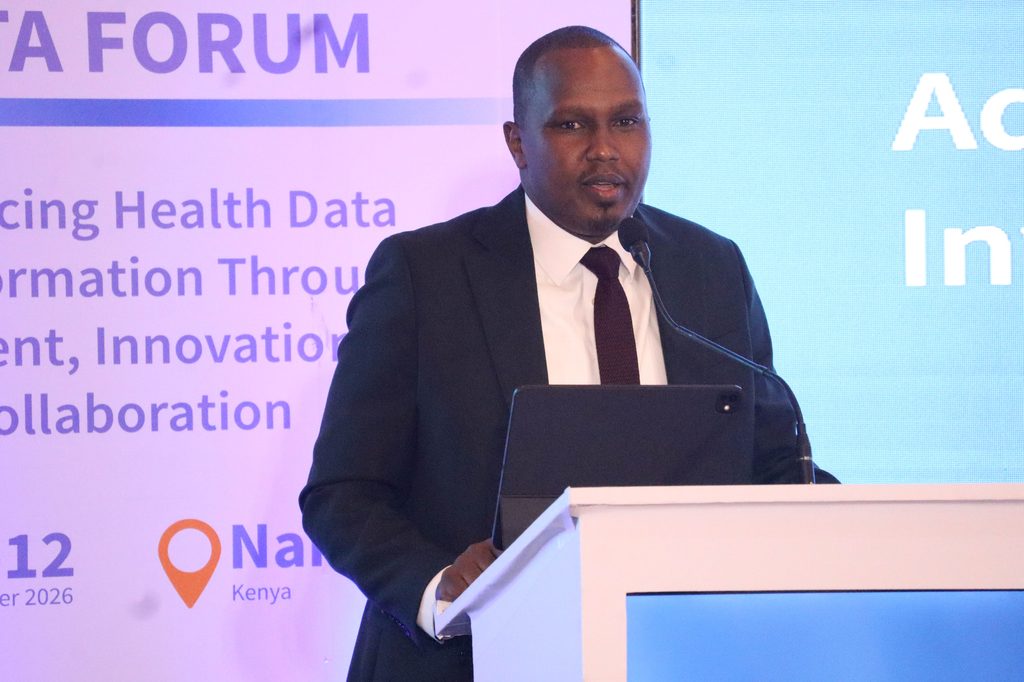
Eng. Antony Lenaiyara, Chief Executive Officer of Kenya’s Digital Health Agency, said the country’s challenge was never a shortage of technology.
Its founding survey made that clear. “We realised that the problem was not systems, but the fundamental problem is how systems are structured,” he said. A single hospital, he recalled, could be running about 70 systems, each collecting data for separate programs such as malaria and HIV, often without sharing it. “The data we used to collect will never help us to make a lot of decisions,” he said.
When records stay locked inside programmes, patients carry the burden. Kenya is now working towards a more coordinated architecture, underpinned by the Data Protection Act of 2019 and the Digital Health Act of 2023, so that systems can exchange information securely.
For someone managing a chronic illness, connected records could mean continuity of care and fewer interruptions in treatment
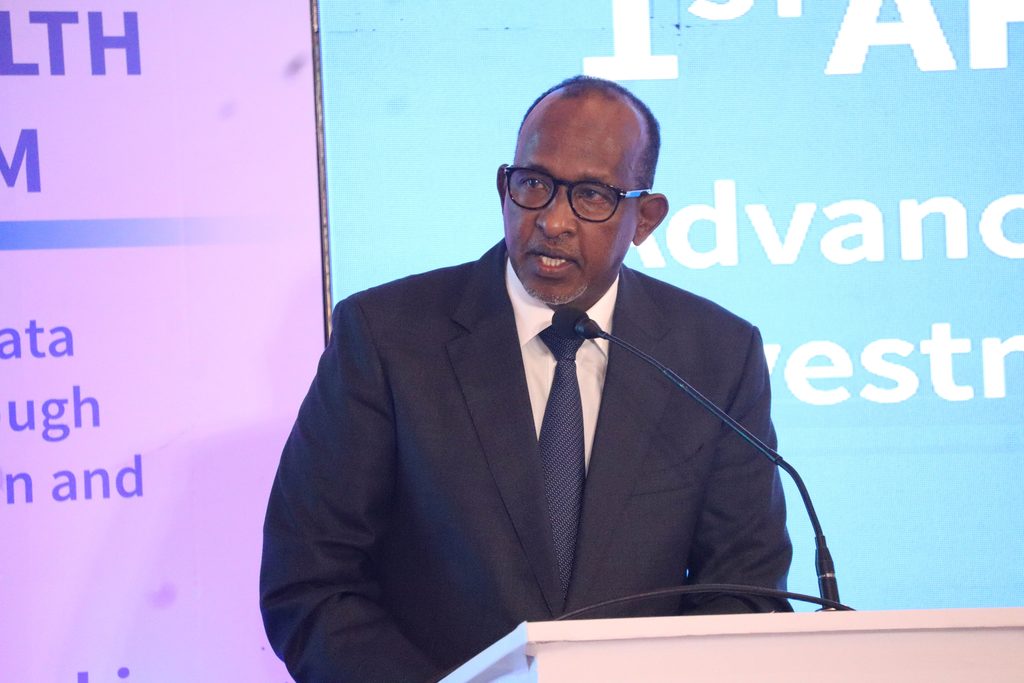
Health Cabinet Secretary Aden Duale said 33.5 million people have been registered with the Social Health Authority (SHA), crediting the switch from manual registration to a digital-first approach.
Digitisation, he said, is helping Kenya “move from a system where access was decided by the ability to pay” to one that protects households from financial burden.
“For Kenya, digitisation and data are not simple enablers. They are the backbone of our universal health coverage,” he added.
But registration is only the first step. Patients must still confirm eligibility and receive covered services without administrative hurdles.
Behind this sits a bigger ambition, which Duale called “one patient, one longitudinal health record”, accessible wherever that patient receives care.
Whether a patient arrives on referral, while travelling or in an emergency, doctors and nurses can see what came before. For someone managing a chronic illness, connected records could mean continuity of care and fewer interruptions in treatment.
Many patients arrive to find the prescribed medicine out of stock. Duale said the government is developing a national pharmaceutical track-and-trace system to follow medicines from manufacturers and importers to patients. It is expected to identify counterfeits and show what stock facilities hold.
“We want to have a supply chain which is driven by evidence rather than estimates,” he said. If it works, managers could spot shortages early and redirect supplies before shelves run empty.
A separate portal named Platform 360 is being developed as a trusted source on healthcare professionals
The same logic applies to hospital capacity. During the Covid-19 pandemic, Duale recalled, patients and families struggled to find which hospitals had intensive care beds. Today, he said, the country can see occupied and available beds from its headquarters.
That visibility comes through what he called the digital health superhighway, which gives the government real-time information on bed capacity, maternal health outcomes, disease trends and medicine stock levels. “What gets measured is managed, and what gets measured in real-time can be managed,” he said.
Duale also announced plans for a National Intelligence and Analytics Centre under the Digital Health Agency to strengthen the analysis of health data. A separate portal, Platform 360, is being developed as a trusted source on healthcare professionals, where they work and where staffing gaps lie. For patients to feel the difference, data must be accurate, current and in the hands of people who can act on it.

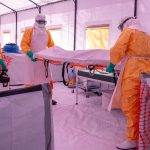
Kenya has seen this work. Prof. Mohamed Yakub Janabi, WHO Regional Director for Africa, pointed to the country’s response to the Bundibugyo Ebola virus. All 135 contacts of Kenya’s first case were traced, at home and abroad. Eight later tested positive, and they were already in quarantine.
“Data did not replace people. It told people where to go, whom to call, and when,” he said. Connected records work only if people trust them, and Lenaiyara acknowledged that confidence cannot be assumed.
“How do people, how do Kenyans trust that the storage of their data, the use of their data, the sovereignty of their data is assured?” he asked.
When a grant ends, surveys and systems can stop with it, leaving governments without the evidence to plan services
Aboubakri Diaw, Chief of Staff in the Office of the Executive Secretary of the United Nations Economic Commission for Africa (UNECA), widened the question to the continent. Who controls the information health systems generate, he asked, and who benefits from it, particularly as artificial intelligence grows more influential in healthcare?
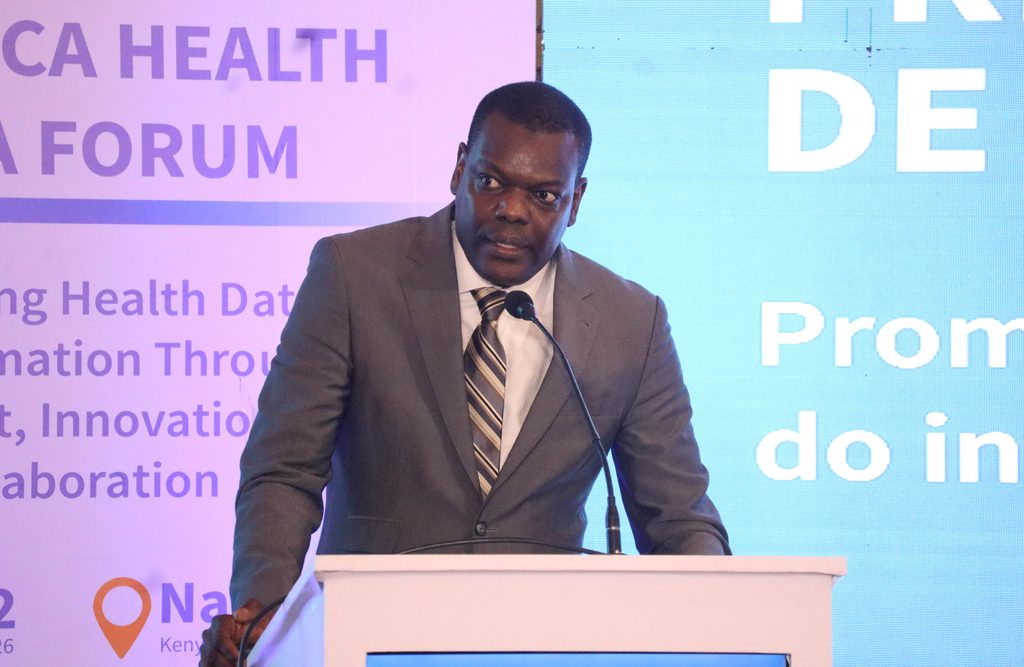
“Data is no longer only a record. It is an asset,” he said.
A 2024 WHO assessment of 40 of the African Region’s 47 Member States gave health information systems an overall maturity score of 59 out of 100. Janabi singled out data from the lowest levels.
“There are huge challenges in terms of availability of data, the representativeness of data, as well as quality of data,” he said.
When that information is incomplete or late, governments cannot see who is missing essential services, and health threats can take hold before anyone responds. “A child who is not counted is a child who is not planned for,” Diaw said.
Etleva Kadilli, UNICEF Regional Director for Eastern and Southern Africa, made the same point. “For UNICEF, behind every data, there is a child,” she said.

Financing compounds the problem. Diaw warned that many African countries still lean on external funding to collect and manage health data.
When a grant ends, surveys and systems can stop with it, leaving governments without the evidence to plan services. Duale made the same case. Africa, he said, cannot afford fragmented systems or parallel reporting while external financing shrinks.
The speakers’ first remedy is money. Diaw wants health information funded “as public infrastructure like roads and power lines, not as projects that end when the grant ends.”
Dr Abdourahmane Diallo, Director of Programme Management at the WHO Regional Office for Africa, tied data directly to public money. “A budget allocation is a commitment to the public,” he said. Governments, he argued, need credible evidence of whether funds were spent as intended and what they achieved.

The second is for countries to lead. “We really need to enhance African leadership, the ownership of countries,” Janabi said, also urging sustained investment. WHO Director-General Dr Tedros Adhanom Ghebreyesus went further.
“Crucially, Africa’s health data must be owned, governed, and used by African countries in the interests of their people.”
Duale pushed the argument beyond data. “Africa should not merely be a consumer of technologies developed elsewhere. We must become producers of solutions that respond to our own priorities and realities,” he said.
When health arrives with numbers, the choice is no longer between competing priorities
The third is to build platforms so that systems can talk to each other, rather than each country or programme starting from scratch. “The Digital Health Agency is ready to be a peer learning institution for the whole of Africa,” Lenaiyara said.
WHO is pushing in the same direction. In August 2026 it launched a Regional Health Data Hub, which brings information from different health programmes into one place.
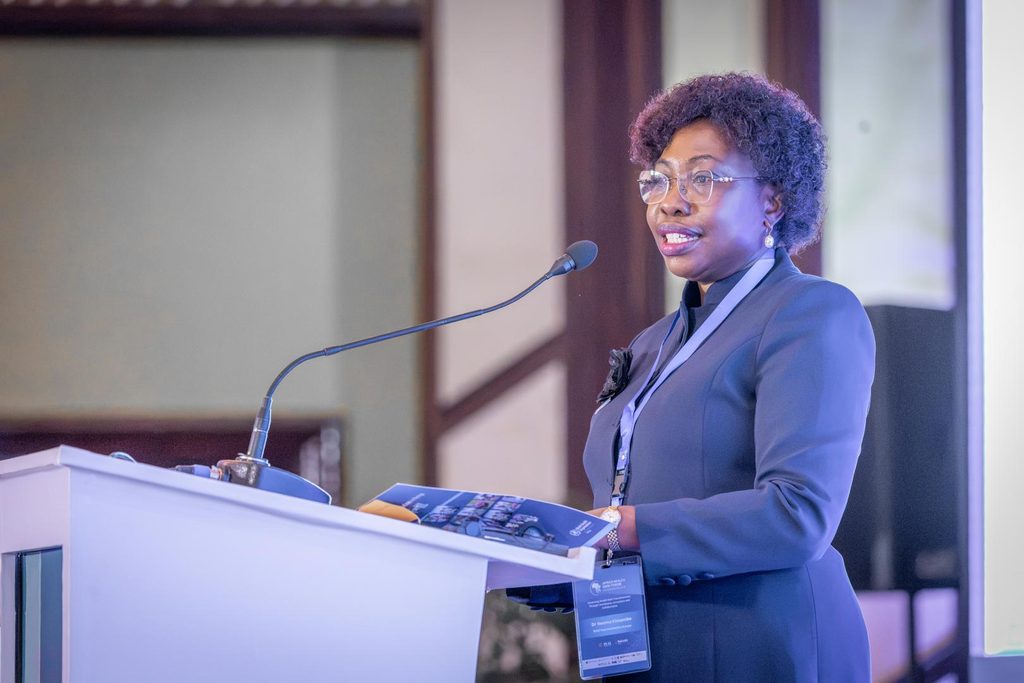
Dr Benson Droti of the WHO Regional Office for Africa, who showed participants how it works, was clear about who owns it. “It is not the WHO’s platform. It’s a platform built for the member states,” he said.
Underpinning all three is public trust in how data is stored, used and governed. The reward, Diaw argued, is that good data helps health officials win resources. “When health arrives with numbers, the choice is no longer between competing priorities,” he said.
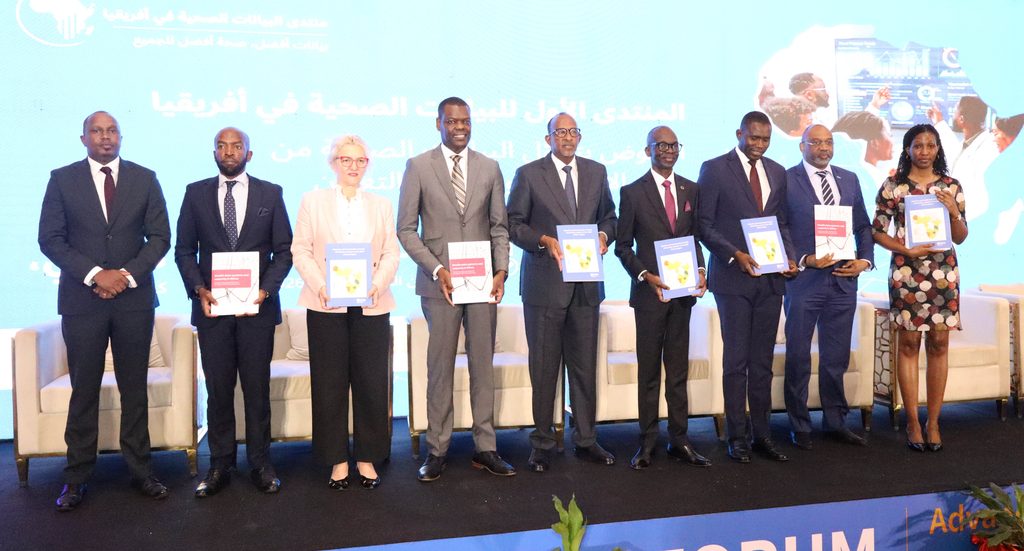
Duale urged delegates to “leave Nairobi with a very practical Africa Health Data Roadmap”, setting out responsibilities, timelines and a way to track delivery. The forum, which drew more than 300 participants from 51 countries, will meet every two years to review progress.
Dr Neema Rusibamayila Kimambo, WHO Representative to Kenya, set the bar for what comes next. “The aim of this Forum is not another set of recommendations,” she said. “It is to listen to countries and act together, and WHO stands ready to align our support behind country priorities.”
We believe in the free flow of information
Republish our articles for free, online or in print, under Creative Commons licence.