
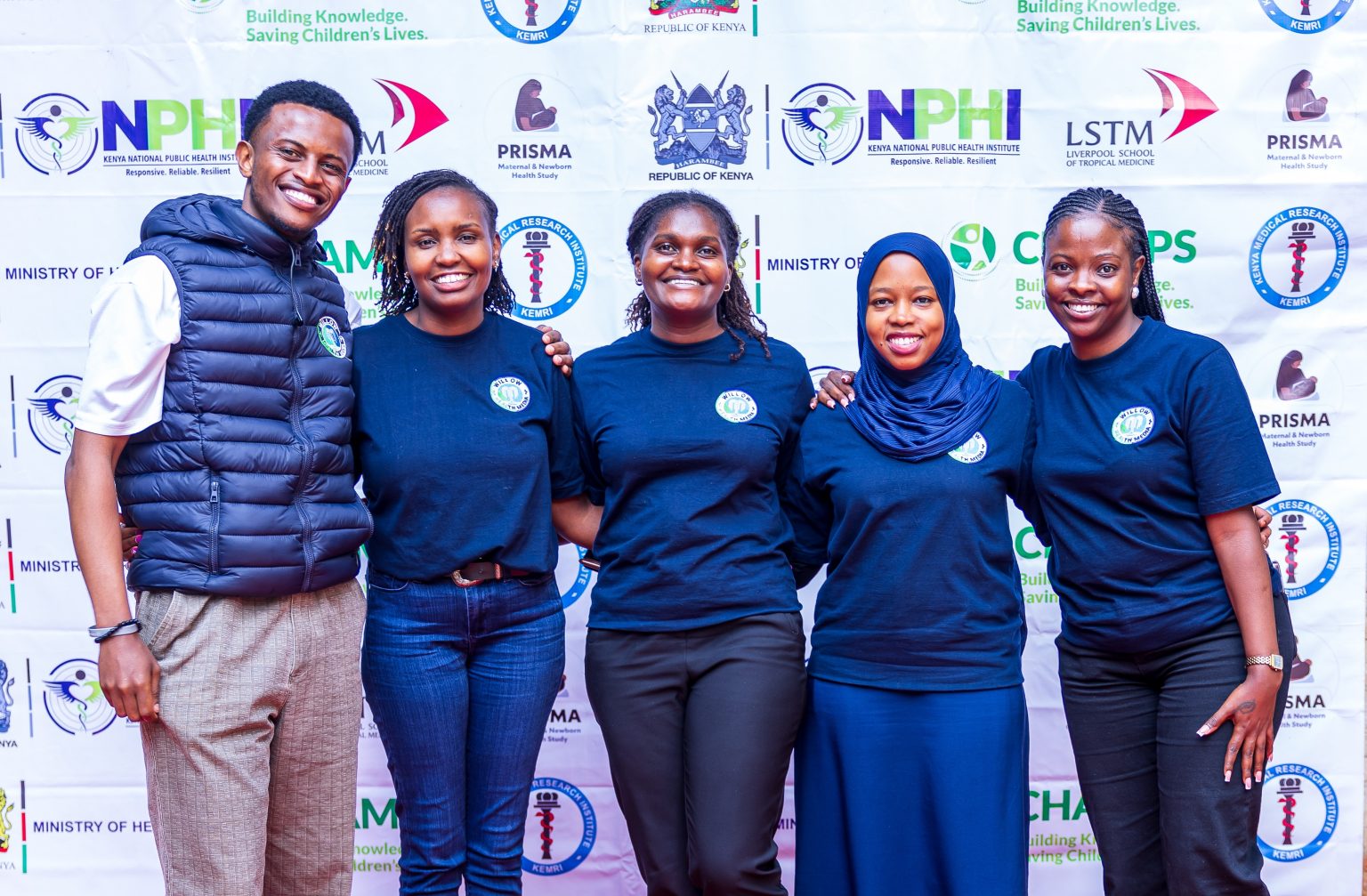

At the launch of two policy briefs on maternal and newborn deaths, Willow Health Media connected journalists with the evidence, so the recommendations could reach policymakers, health workers and families across Kenya.
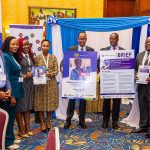
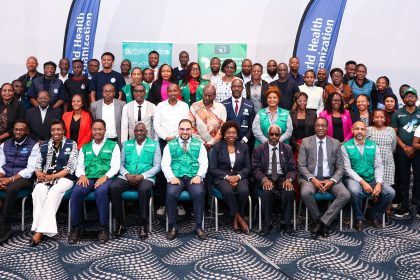
On November 10, 2026, Kenya’s Ministry of Health launched two policy briefs on preventable maternal and newborn deaths at the Serena Hotel in Nairobi. The event brought together government officials, researchers, county health leaders and partners, with Willow Health Media supporting as a media partner.
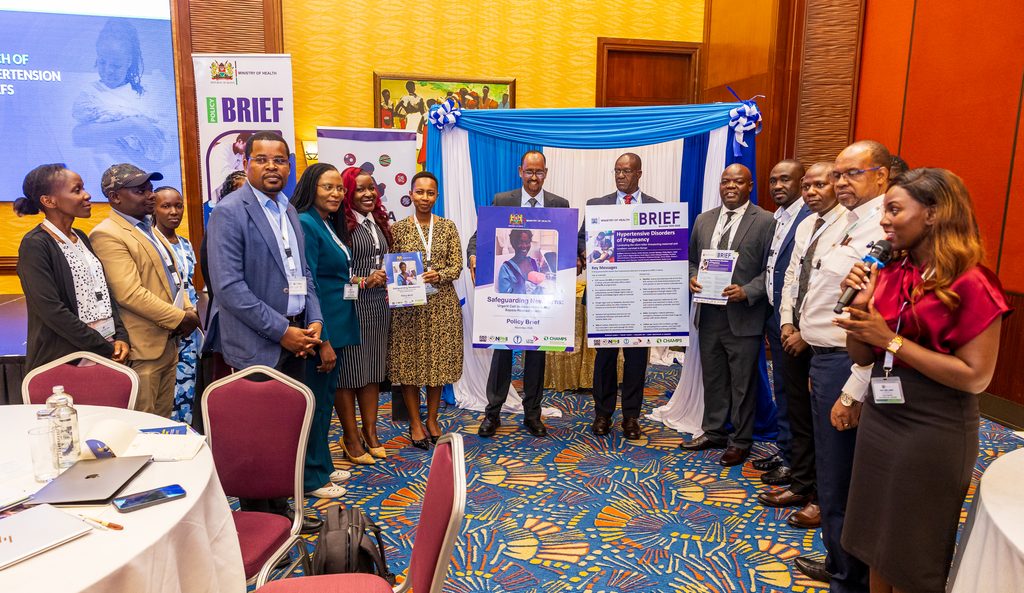
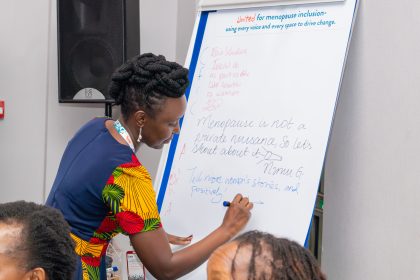
Drawing on its rich network of health journalists, Willow acted as a liaison with reporters from mainstream and digital outlets to hear the evidence first-hand and put their questions to the people behind it.
The aim was to help the briefs’ findings reach audiences beyond the launch and the institutions that developed them, through Willow’s own platforms and the wider media.
Preventable maternal and newborn deaths remain a major public health concern in Kenya, with gaps in early detection, quality care and infection prevention still putting lives at risk.
The briefs target two of the biggest threats, namely Hypertensive Disorders of Pregnancy, which describes the condition as a silent killer threatening maternal and newborn survival, focuses on gaps in preventing and managing pregnancy-related hypertension. Safeguarding Newborns, an urgent call to address neonatal sepsis-related deaths, sets out how to strengthen the prevention, diagnosis and treatment of infections in newborns.

Presentations highlighted persistent problems with hypertension in pregnancy. These include low awareness of danger signs among pregnant women and health workers, late antenatal care, inconsistent blood pressure monitoring and weak referral and follow-up.
Speakers called for health workers to be better equipped to identify women at risk, and for the right interventions to be available when complications arise.
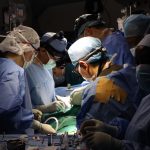
On sepsis, the evidence showed that the infection causes up to one in five newborn deaths in Kenya, and that many of these infections are caught in health facilities.
The briefs also set out practical fixes. For hypertension, they call for risk assessment and blood pressure checks at every antenatal visit, reliable stocks of essential medicines such as aspirin, calcium and magnesium sulphate, and stronger follow-up in communities. For sepsis, they call for ring-fenced funding for infection prevention, better hand hygiene, laboratory testing to guide antibiotic use and less crowded newborn units.

Community Health Promoters (CHPs) were singled out as vital to spotting problems early and linking pregnant women to care.
Willow has previously worked with the Social Health Authority on CHP town halls and has reported on CHPs’ work across Kenya.
The briefs draw on research by the Kenya Medical Research Institute (KEMRI), including its PRISMA and CHAMPS platforms. They were developed with the Ministry of Health, the Kenya National Public Health Institute, counties, health practitioners and research partners.
Speaking on behalf of KEMRI’s leadership, Dr Kizito Lubano stressed that research must lead to practical change. “The significance of today’s launch goes beyond the publication of the two policy briefs. It’s about translating scientific evidence into policy and practice,” he said.
The launch was a call for coordinated action to identify complications earlier, improve the quality of care and strengthen health systems, so that preventable deaths among mothers and newborns are no longer accepted as inevitable. Willow was at the forefront to support the Ministry and its partners in sharing that message with the media and more importantly, with the public.