

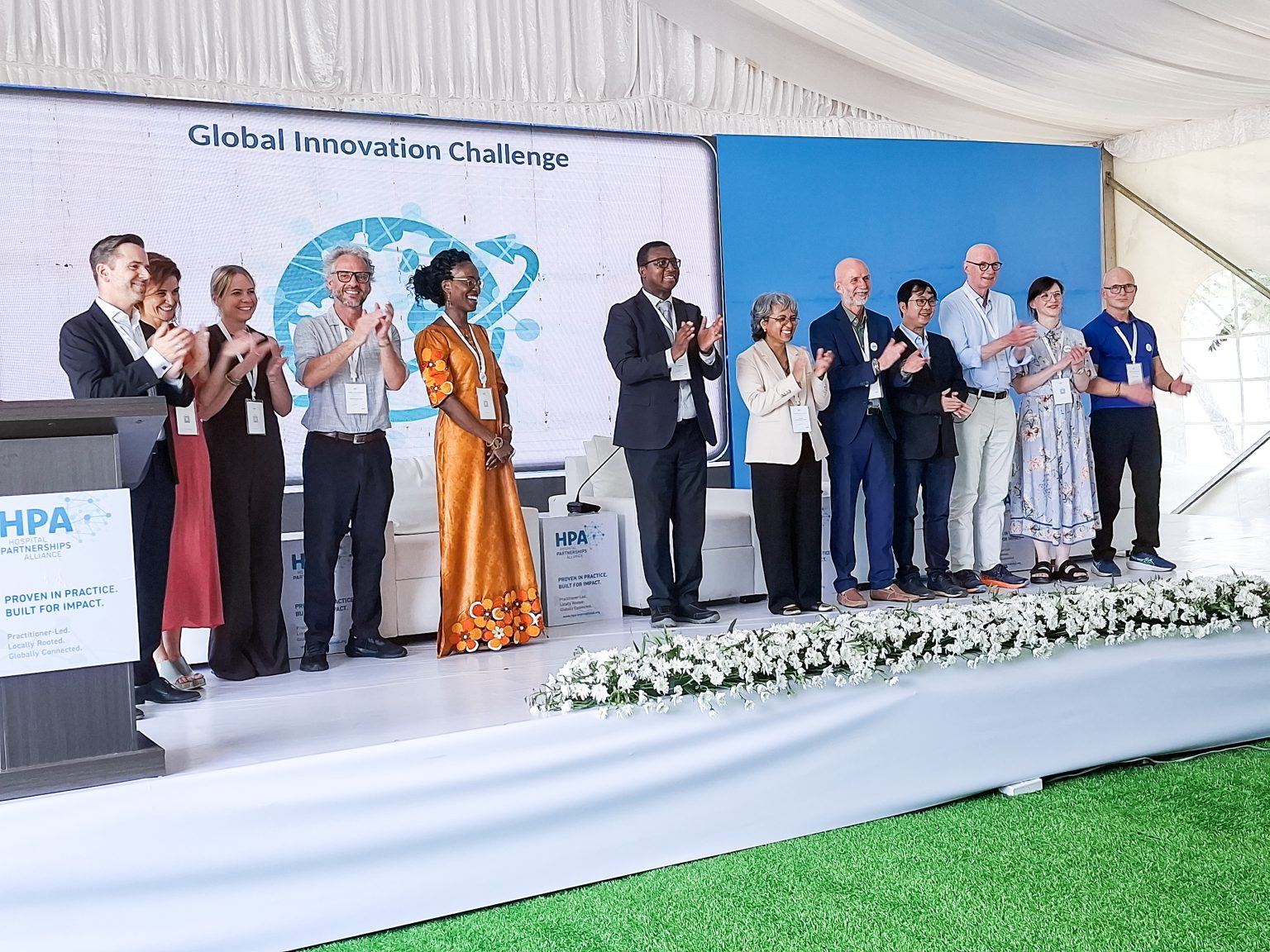
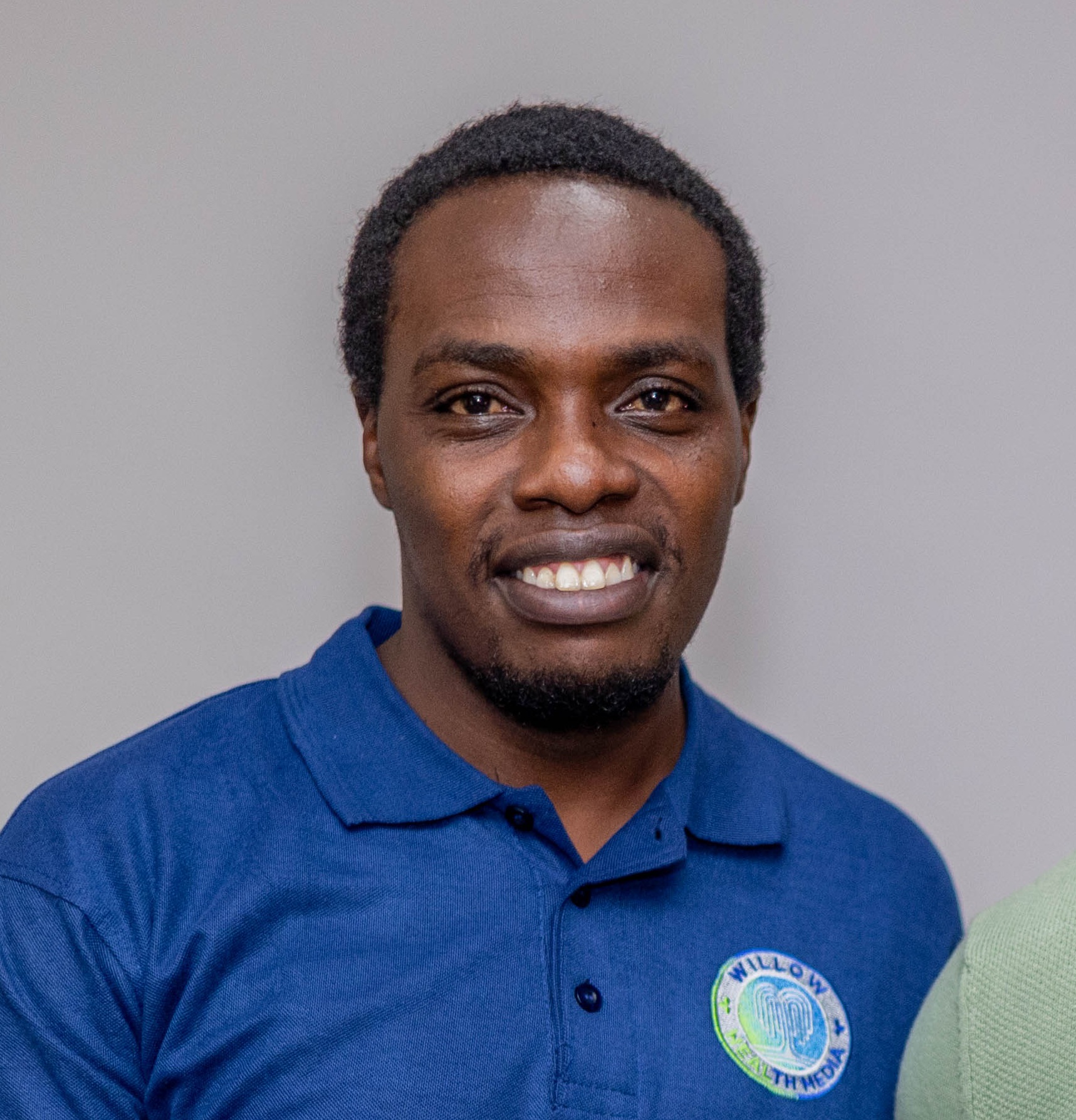
As niche newsroom for health in Africa, Willow gave young innovators and clinicians a platform to share the stories behind startups that aim to improve access to healthcare.
When more than 130 clinicians, innovators, researchers and partners from at least 30 countries met in Moshi, Tanzania, to discuss how partnerships can tackle global health challenges, Willow Health Media was in the room.
Willow journalists Moses Kibwana and Michael Ollinga covered the Hospital Partnerships Alliance (HPA) Global Forum, held on 9 and 10 November 2026 at the Kilimanjaro Christian Medical Centre (KCMC), where they set out to highlight the event and ask critical questions about collaboration and innovation in global health.
HPA, a global, practitioner-led network of hospitals, medical faculties, research institutes and health professionals, was founded in January 2026. At this year’s forum, themed “Reframing Global Health Collaboration”, speakers named the rising burden of non-communicable diseases, more frequent infectious diseases, the unequal distribution of health workers, brain drain and shrinking aid budgets as urgent challenges.
True to its commitment to solutions journalism, Willow pressed researchers, healthcare specialists, academics and innovators on affordable, efficient answers. As niche newsroom for health in Africa, it also gave young innovators and clinicians a platform to share the stories behind startups that aim to improve access to healthcare.
Lessons on mutual learning, shared responsibility, and building long-term relationships based on trust and respect
In the opening speech, HPA Chairperson Professor Diavolana Andrianarimanana-Köcher, a Malagasy paediatrician and medical professor, urged practitioners to work as a team rather than in silos. “Meaningful and sustainable improvements in healthcare emerge when practitioners work together as equal partners,” she said.
“Our approach is not about one side providing solutions to another,” she added. “It’s about mutual learning, shared responsibility, and building long-term relationships based on trust and respect.” Partnerships, she explained, aim to improve service delivery and patient outcomes.

Professor Gileard Masenga, Executive Director of KCMC and HPA vice-president, traced the Alliance from the 2025 practitioners’ meeting that produced the Lisbon Declaration to the new HPA Global Centre at KCMC. After Lisbon and Rio de Janeiro, Moshi is the third, extending HPA’s reach in Africa.
“It will connect clinicians, medical practitioners and hospitals in East Africa and Southern Africa,” Masenga said. Local practitioners can now set their own agenda, “because we know what the problems are. It won’t be necessary to wait for people from abroad to solve our problems.”
Willow’s journalists also spoke with innovators about what inspired their technologies and how these are changing access to care.
Reagan Rowland, founder of OneClick-Med and a member of the Nigeria Health Federation, told Willow his wife nearly died when her medical history went missing during an emergency caesarean referral.
“The scare made me dig in for a solution that would create patient data and make it accessible across facilities,” he said. OneClick-Med develops apps to streamline, digitise and protect health data.
Ghanaian-born German innovator Gloria Niquuaye showcased Commitment to Medical Solution (COMESO), designed to ensure diaspora remittances sent home for treatment are not diverted. “After moving to Germany, we lost my beloved aunt because the money sent to her for treatment was used for other personal needs,” she said.
A Nigerian private hospital showed how the Pioneer Network for Telemedicine AI (PINTAI), an HPA flagship, powers its intensive care partnership with a Brazilian hospital. Specialists consult across continents without flying patients out or specialists in, helping address the unequal global distribution of specialists and lowering costs.
Dr Elichilia Robert Shao, a medical microbiology subspecialist and lecturer at KCMC, is developing a multiplex test to diagnose patients with fevers above 38°C quickly and accurately. A Mawenzi Regional Hospital and KCMC study of 870 patients found that 60 per cent were clinically diagnosed with malaria, but only two per cent of those tested positive.
“The rest had other pathogens,” Shao said. HPA’s collaboration let the team pick up where that study ended. The test would spare patients repeated tests and premature antimicrobial use against the wrong illness, which drives resistance.
The forum culminated on 10 November with the launch of the €1.5 million (Ksh217 million) Global Innovation Challenge
His project, Climate Resilient Fever Care through Hospital Partnerships, is one of nine GIZ-funded HPA flagships. Others include Dr John Adabie Appiah’s Critical Illness in Children, Dr Delali Fiagbe’s CONNECT Mental Health, Dr Barsha Thapa’s STRIVE stroke-ready hospitals, Iryna Tsurkan’s breast cancer early detection model and Dr Jakob von Herder’s IMPACT cancer training platform.
The forum culminated on 10 November in the launch of the €1.5 million (Ksh217 million) Global Innovation Challenge. Open until 17 January 2027, it seeks ideas on the future doctor, staying human in the era of technology, and diaspora power.
Dr Nellie Bell, a Sierra Leonean paediatrician and HPA member, called for programs that turn brain drain into brain circulation and then brain gain. Winnie Wangari Kibiru, MedTech Lead at Villgro Africa in Kenya, urged universities to teach entrepreneurial skills so founders can pitch for funding from HPA and other partners.
Attendees included Dr Monira Managna, Madagascar’s Minister of Public Health; Vasyl Strilka, Ukraine’s Deputy Minister of Health; and Dr Salma Ibrahim Anas, Special Adviser to the President on Health in Nigeria.
Stakeholders closed by stressing that collaborations stay sustainable and result-oriented only when clinicians and innovators share knowledge both ways.
That exchange is where Willow sees its role. Reporting from regional forums such as Moshi carries the conversation across borders, so solutions found in one health system can inform another.