


As international health funding comes under pressure, clinicians and health leaders in Moshi called for African institutions to set priorities, governments to strengthen domestic financing and international partners to engage as equals in sustaining essential care.
When researchers at Kilimanjaro Christian Medical Centre (KCMC) and Mwanza Regional Hospital studied 870 patients who had come in with fever, they found that 60 per cent had initially received a clinical diagnosis of malaria. Further investigation showed that only two per cent actually had the disease.
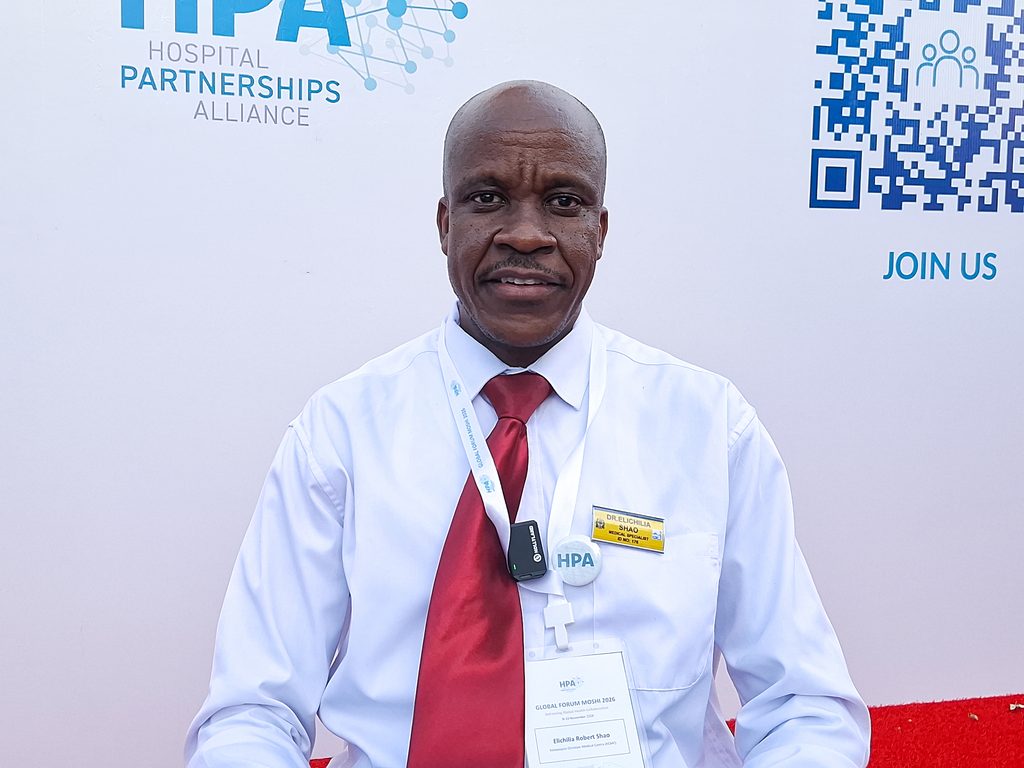
The finding, presented by Dr Elichilia Shao, a medical specialist at KCMC and senior lecturer at KCMC University, came from clinicians closest to patients. That idea ran through the Hospital Partnerships Alliance (HPA) Global Forum, held at KCMC in Moshi, Tanzania, on 9 and 10 November 2026.
Across Africa, health systems face shrinking development funding, shortages of skilled health workers, rising disease burdens and limited resources for growing patient needs. Declining official development assistance is squeezing institutions that rely on external support.
The Institute for Health Metrics and Evaluation (IHME) estimates that global development assistance for health fell to US$39 billion (Ksh5.1 trillion) in 2025, roughly half its 2021 peak of US$80 billion (Ksh10.4 trillion), with sub-Saharan Africa facing an estimated 25 per cent drop in a single year.
As traditional sources of international health financing come under strain, the forum asked how countries can sustain essential health services, strengthen their healthcare workforce and develop solutions that respond to the realities of their populations.
Under the theme “Reframing Global Health Collaboration”, healthcare leaders, practitioners, researchers, academics, policymakers, private-sector representatives and development partners from around the world examined how cooperation could become more equitable, sustainable, practitioner-led and responsive to what health systems actually need.
“Meaningful and sustainable improvements in healthcare emerge when practitioners work together as equal partners,” Professor Diavolona Andrianarimanana, Chair of the HPA Executive Board, said in the opening speech.
African institutions should be partners rather than recipients of solutions developed elsewhere
The Alliance, Andrianarimanana said, is built on mutual learning, shared responsibility and long-term relationships based on trust and respect. Discussions kept returning to one principle. African institutions should be partners rather than recipients of solutions developed elsewhere, with local healthcare professionals identifying their own priorities and actively shaping interventions for their countries’ specific needs.
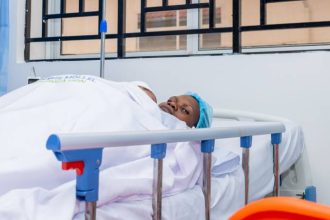
HPA emerged from a 2025 gathering in Lisbon, Portugal, where healthcare professionals and institutions called for a stronger platform to advance international hospital partnerships. It was formally established in early 2026, building on the experience of the German Hospital Partnerships Programme, which has supported more than 670 projects across 78 countries and contributed to the training of over 50,000 medical staff.
Where conventional partnerships may be limited to two institutions or countries, HPA is building a multilateral network in which professionals share expertise, identify common challenges and develop joint solutions instead of relying on one-way assistance.
In Moshi, that network gained an African hub. The forum formally recognised KCMC as a Global Centre of the Alliance, following the centre established in Rio de Janeiro, Brazil, in July 2026. The designation gives one of Tanzania’s major referral, research and medical training institutions a coordinating role across East and Southern Africa.
According to the hospital, it serves approximately 11 million people in Northern Tanzania, with influence in medical education and research across East Africa.
Previously, support for hospital partnerships had largely been channelled through cooperation between Germany and partner countries
Dr Gileard Masenga, Executive Director of KCMC and a member of the HPA Council, describes HPA as a clinician-driven alliance that brings practitioners from different countries together to advance healthcare. Stronger regional networks matter, he said, because healthcare professionals understand the challenges facing their own institutions.
“As clinicians, we know what problems are facing our people,” said Dr Masenga, adding that the network will create opportunities for partnerships with institutions in other parts of the world.
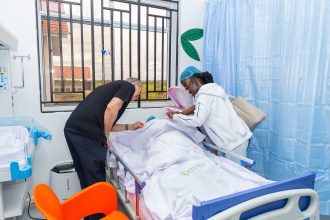
The centre will enable practitioners from countries such as Tanzania, Kenya and Malawi to convene, identify their own priorities, exchange expertise and develop solutions to challenges affecting service delivery, without necessarily waiting for institutions outside the continent to initiate the process.
The aim, Masenga stressed, is not to replace international partnerships but to build regional capacity to engage in them as equals, opening doors to institutions elsewhere in the world. The Alliance hopes its Global Centres will connect professionals across regions and anchor collaboration beyond individual hospital partnerships.
Equal partnership also means rethinking funding. HPA wants to move beyond a funding model largely dependent on one government or bilateral arrangement, and has invited other governments and partners to join.
“Previously, support for hospital partnerships had largely been channelled through cooperation between Germany and partner countries,” Masenga said. “HPA now wants to broaden this approach by welcoming support from other governments, private institutions and additional partners.”
Securing funding, he argued, must go hand in hand with priorities set by healthcare professionals. He also urged governments to strengthen domestic health financing and expand health insurance coverage, because innovation has limited impact if patients cannot afford it. The hospital provides exemptions worth nearly US$200,000 (about Ksh26 million) a month for people who cannot afford its services, Masenga said.
“The question of financing,” he said, “must therefore remain central to discussions about improving healthcare systems.”
The approach could reduce misdiagnosis, shorten hospital stays, lower treatment costs and limit unnecessary antibiotic use
Tanzania is already moving that way. Its Universal Health Insurance Act, passed in 2023, underpins a national scheme whose nationwide rollout began in January 2026.
Shao’s research shows what such partnership produces. Of the fever study, he said, “The remaining patients had other infections caused by bacteria, fungi and viruses.” The results exposed the limits of diagnosing fever by symptoms alone where malaria is often the first suspected cause.

Shao and fellow researchers are now exploring multiplex testing, which would detect several pathogens in a single test rather than subjecting patients to multiple investigations. Malaria, chikungunya, dengue and leptospirosis are among the priority pathogens.
The project also adds climate and health intelligence, combining demographic and meteorological data to see how changing environmental conditions could influence disease spread.
According to Shao, the approach could reduce misdiagnosis, shorten hospital stays, lower treatment costs and limit unnecessary antibiotic use, which contributes to antimicrobial resistance. Collaborators from Tanzania, Nigeria, Germany, Nepal and Colombia reflected the cross-border cooperation HPA wants to encourage. For Shao, HPA offers more than money, extending to mentorship, knowledge exchange and the facilitation of international research collaboration.
The goal is diagnostics that can be applied elsewhere in East Africa, where similar diseases and environmental conditions exist.
Up to €1.5 million (Ksh217 million) in catalytic funding aims to move promising ideas from discussion to implementation
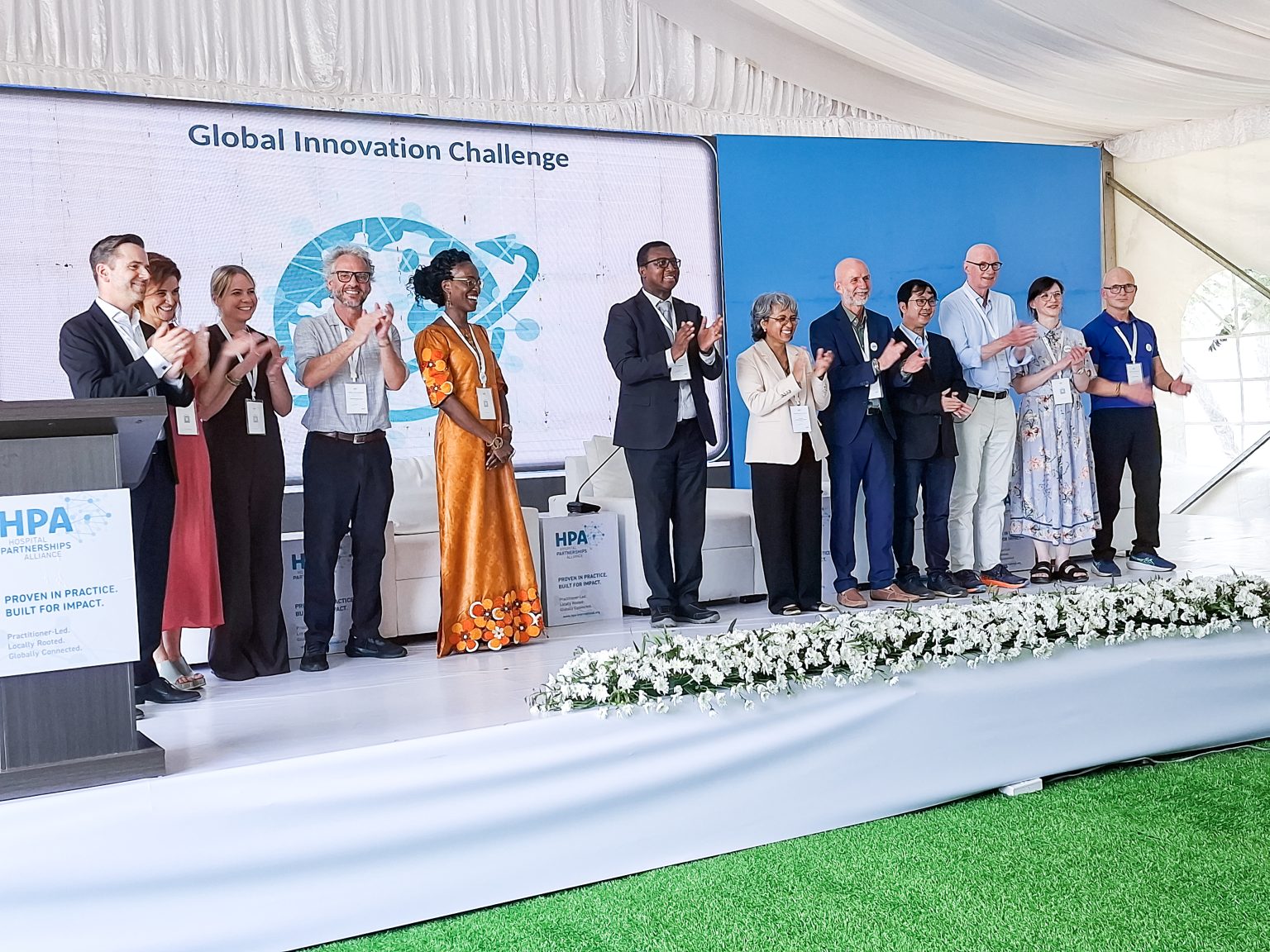
The forum’s major announcement aims to multiply such projects. The HPA Global Innovation Challenge 2027 is an international call for ideas inviting health professionals, researchers, students, innovators and other interested groups to tackle healthcare’s most pressing challenges through cross-country projects.
Up to €1.5 million (Ksh217 million) in catalytic funding from the HPA Catalyst Fund, supported by the German Federal Ministry for Economic Cooperation and Development, aims to move promising ideas from discussion to implementation.

The challenge has three themes. The Future Doctor examines how the roles of doctors, nurses, midwives and other professionals are changing with emerging technologies, artificial intelligence, new diagnostic tools and growing pressure on health systems, and what knowledge and skills the next generation will need to adapt to changing patient expectations and working environments.
How to Stay Human explores how technology, climate change, longer life expectancy and changing social relationships affect people’s ability to remain healthy and connected. Diaspora Power asks how medical professionals working outside their countries of origin can contribute more systematically at home, mobilising their experience, expertise and networks to support training, research, mentorship and healthcare delivery.
Applicants submit short concept notes by January 17, 2027. Promising proposals will receive support to develop structured projects involving institutions in at least three countries during a development phase in March and April 2027, followed by a global award ceremony in May.
Selected projects should begin implementation in July 2027. The initiative reflects HPA’s ambition to encourage collaboration across disciplines, generations and borders, informed by people working within health systems.
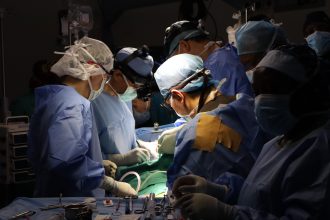
Together, the speakers outlined a practical agenda for sustaining health systems as aid declines, emphasising the need to let practitioners set priorities, strengthen regional hubs such as KCMC to enable African institutions to engage international partners as equals rather than recipients, and diversify funding beyond reliance on a single government.
They also called for greater investment in domestic health financing and insurance to ensure patients can afford the services that partnerships help deliver, alongside cross-border research collaboration, as demonstrated by the fever diagnostics project involving partners across four continents.
The Moshi forum marks another step towards a more connected, sustainable model of international health cooperation. For African institutions, the test is whether these opportunities translate into stronger local capacity, improved access to healthcare and lasting improvements in patient outcomes.
As discussions closed, the emphasis was on moving beyond commitments and conference resolutions towards practical interventions shaped by the people who deliver healthcare every day. With the challenge launched and KCMC established as a Global Centre, the Alliance is betting that those people can turn shared challenges into collaborative solutions.
We believe in the free flow of information
Republish our articles for free, online or in print, under Creative Commons licence.