



More than a year after the Social Health Authority (SHA) replaced the National Hospital Insurance Fund (NHIF) on October 1, 2024, many Kenyans still find the system confusing. If you’re trying to add your spouse as a dependent, this guide walks you through the process step by step.
Before the registration process, you must ensure that your spouse is also registered independently before you can add them as a dependent. The SHA system will reject any attempt to add someone who doesn’t have an active profile. This is the most common mistake people make, leading to unnecessary delays and frustration.
Step 1: Ensure Your Spouse Has Registered
Your spouse can complete their individual registration through any of these channels:
- Online: SHA portal or AfyaYangu website
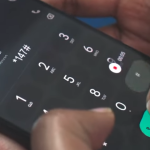
- Mobile: Dial *147# from any phone
- In person: Visit SHA branches, Huduma Centres, or TSC offices
Registration typically takes just a few minutes. Once complete, wait 24 to 48 hours for the system to update before attempting to add them as your dependent.
Step 2: Gather Required Documents
Before you begin, have these documents ready:
- National ID: Must match the name on your spouse’s SHA profile
- Registered phone number: For consent verification via OTP
- Proof of marriage: Marriage certificate, affidavit, or chief’s letter
- Additional documents (if applicable):
- Divorce decree (when removing a previous spouse)
- Death certificate (if applicable)
Important note for public officers: Your base premium covers one spouse. If you need to add additional spouses, you’ll pay supplementary fees and face waiting periods.
Step 3: Add Your Spouse via the SHA Portal
Follow these steps carefully:
- Log in to your SHA account
- Navigate to My Profile
- Select Dependents
- Click Add Dependent
- Fill in the required information:
- Select “Spouse” as the relationship type
- Enter your spouse’s ID number and full name (exactly as it appears on their ID)
- Upload supporting documents
- Enter your spouse’s phone number for consent verification
- Enter the OTP code sent to their phone
- Submit your request
The verification process usually takes 24 to 48 hours. You’ll receive a notification once your spouse has been successfully added.
Step 4: Alternative Method Using USSD
If you prefer to use your mobile phone:
- Dial *147#
- Select Manage Dependents
- Choose Add Dependent
- Enter ID and phone details
- Complete the OTP consent verification
You can submit physical documents later at any SHA service point if needed.
Troubleshooting: OTP Verification Issues
OTP delays remain one of the most common complaints. Recent reports from health facilities across Kenya show that authentication problems continue to affect service delivery. If you experience OTP issues, try these solutions:
- Wait a few minutes before requesting a new code
- Double-check that you entered the correct phone number
- Clear message storage if your inbox is full
- Request a new code through the system
- Visit a service center for assisted enrollment support
Dr Abdi Mohamed, SHA Chairman, recently acknowledged these operational challenges in Nairobi, noting that the organisation is still in transition and actively working to address system glitches while recruiting staff and improving infrastructure.
Step 5: Updating or Removing Spouse Information
Life changes require profile updates. Here’s what you need to know:
- First spouse change: Subject to a waiting period
- Additional changes: Face longer waiting periods
- Removal due to death: Requires death certificate submission
- Removal due to divorce: No waiting period; requires divorce decree
Data mismatches have been reported across SHA accounts. Some users have found unknown dependents listed, while others discovered legitimate dependents missing. After any update, review your profile carefully to confirm accuracy. If you spot errors, report them immediately through official SHA support channels, as self-service deletion options are currently limited.
While frustrations with OTP delays and login failures are valid, Dr Abdi Mohamed emphasised that SHA represents more than just a new health insurance system. It’s part of a comprehensive health financing reform package that includes the Facility Improvement Fund Act, designed to strengthen hospital financing and expand community oversight.
Dr Abdi noted that with Kenya facing rising costs from non-communicable diseases, the country cannot rely solely on out-of-pocket payments or external donor support. SHA aims to build a sustainable domestic health financing mechanism.
Despite ongoing challenges, the system has registered approximately 29 million Kenyans. Dr Abdi called for more informed public discussion focused on policy structure and long-term sustainability rather than temporary technical glitches.
If you encounter persistent issues, visit your nearest SHA branch, Huduma Centre, or contact SHA support through official channels for assisted enrollment.
We believe in the free flow of information
Republish our articles for free, online or in print, under Creative Commons licence.