
Nearly three million people in Kenya live with hearing loss, and most of them will never be formally identified. This new screening app presents an opportunity to close the silent gap that has persisted for decades.
For the child sitting at the back of a classroom who cannot follow the lesson, the grandmother who has slowly withdrawn from family conversations, or the community health worker in a rural dispensary with no audiologist for hundreds of kilometres, a new digital tool from the World Health Organization (WHO) may represent the most meaningful development in hearing care in years.
On June 4, 2026, WHO officially launched WHOears, a tablet-based hearing screening application designed to bring standardised, low-cost hearing checks to schools, communities and primary healthcare facilities, particularly in low and middle-income countries where access to specialist ear care remains deeply unequal.
“Today’s launch is about much more than an app. It is about ensuring that hearing loss is identified early, that people can access services closer to home, and that children and adults alike can be connected to timely hearing care, rehabilitation and assistive technology,” said Pascal Bijleveld, Chief Executive Officer of ATscale, the global partnership for assistive technology that supported development of the tool.
The launch comes against a staggering global backdrop. Hearing loss currently affects an estimated 1.5 billion people, translating to nearly one in five people on earth. Of these, about 430 million, including 34 million children, live with disabling hearing loss severe enough to affect their ability to communicate, learn, work and participate in society.
By 2050, WHO projects that figure could rise to 2.5 billion people, with over 700 million requiring hearing rehabilitation services. The burden falls overwhelmingly on poorer countries. Nearly 80 per cent of people with disabling hearing loss live in low- and middle-income countries, where specialist services are typically concentrated in urban referral hospitals, far from the communities that need them most.
Roughly 14 in every 1,000 children in Kenya experience moderate to severe hearing impairment
In Kenya, the scale of the problem is both significant and largely invisible. An estimated 2.75 million Kenyans live with hearing loss, including approximately 900,000 who are profoundly deaf. Among children, roughly 14 in every 1,000 experience moderate to severe hearing impairment. Yet of the estimated 300,000 school-age children with hearing difficulties, only around 20,000 are enrolled in any educational institution, which is fewer than seven per cent.
Despite 141 schools for the deaf operating across the country, gaps in early detection mean that most children with hearing problems are identified only after their condition has already begun affecting their schooling, speech development and social integration. For many adults, hearing loss goes undetected until it disrupts employment or erodes relationships.
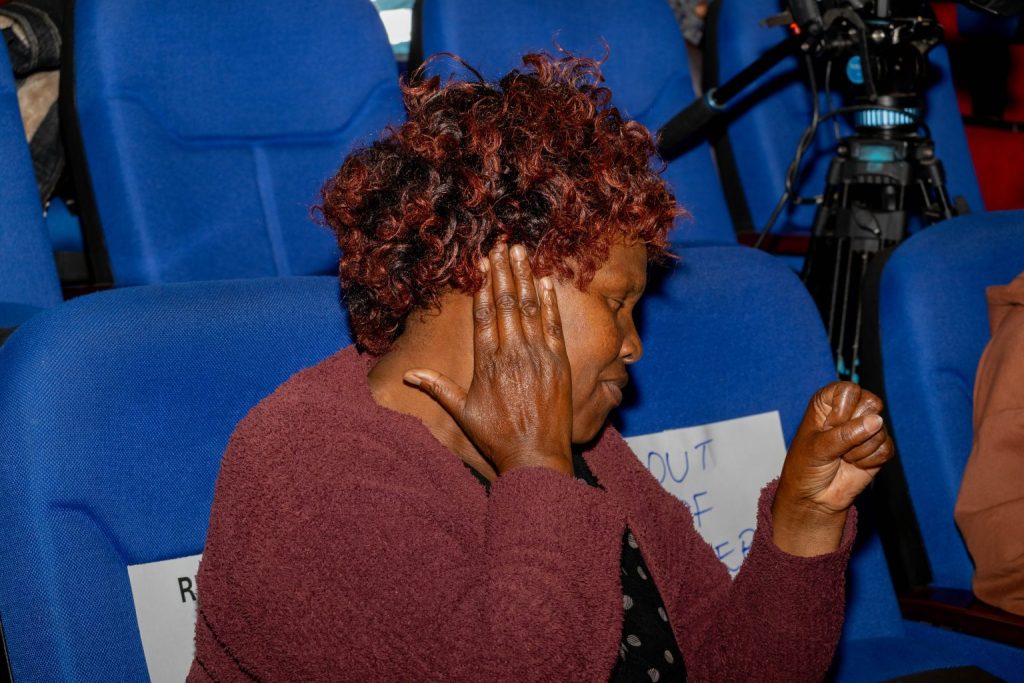
The causes are varied and, in many cases, preventable. Childhood infections, among them meningitis, chronic ear infections and maternal infections during pregnancy, account for a significant share of hearing impairment in children. Middle ear infections alone affect an estimated 700 million children globally every year. More than half of neonatal hearing loss cases are linked to genetic factors.
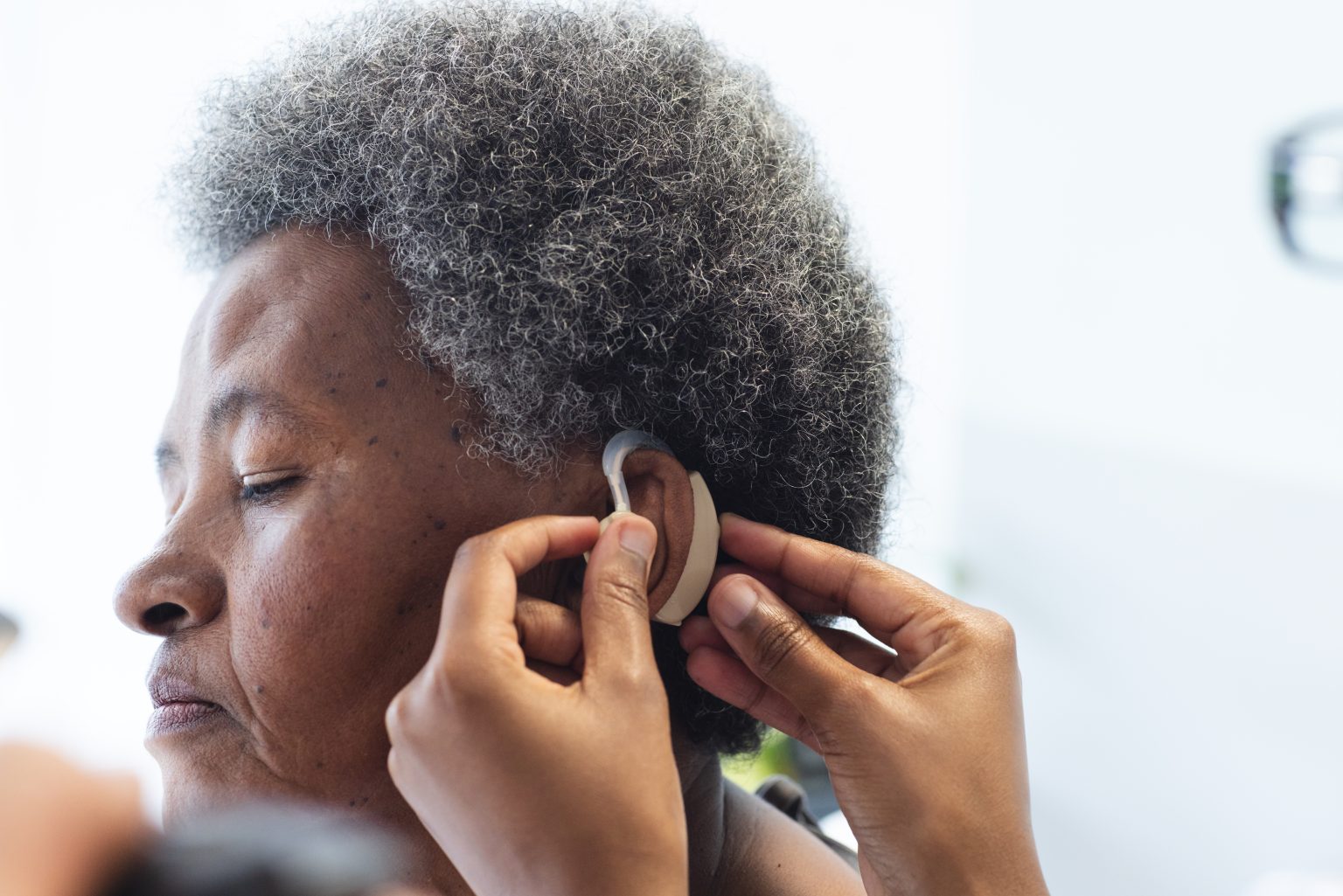
In adults, prolonged occupational noise exposure accounts for roughly 16 per cent of hearing loss cases, while over 600 medicines carry known risks of hearing damage. Even untreated earwax accumulation remains a common and entirely preventable cause of hearing problems, particularly among older adults.
Hearing loss also carries an economic cost that is rarely discussed. Globally, unaddressed hearing loss results in nearly US$1 trillion (Ksh129 trillion) in annual losses through healthcare expenditure, reduced educational outcomes, lower productivity and broader social costs.
The app uses calibrated tones delivered through standard headphones connected to a tablet
Conventional hearing assessments require expensive audiometry equipment, sound-controlled environments and highly trained audiologists, a combination that most sub-Saharan African health systems cannot consistently provide outside major cities. WHOears is designed to change that equation.
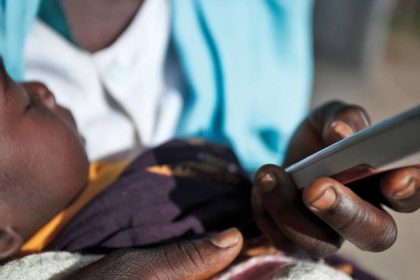
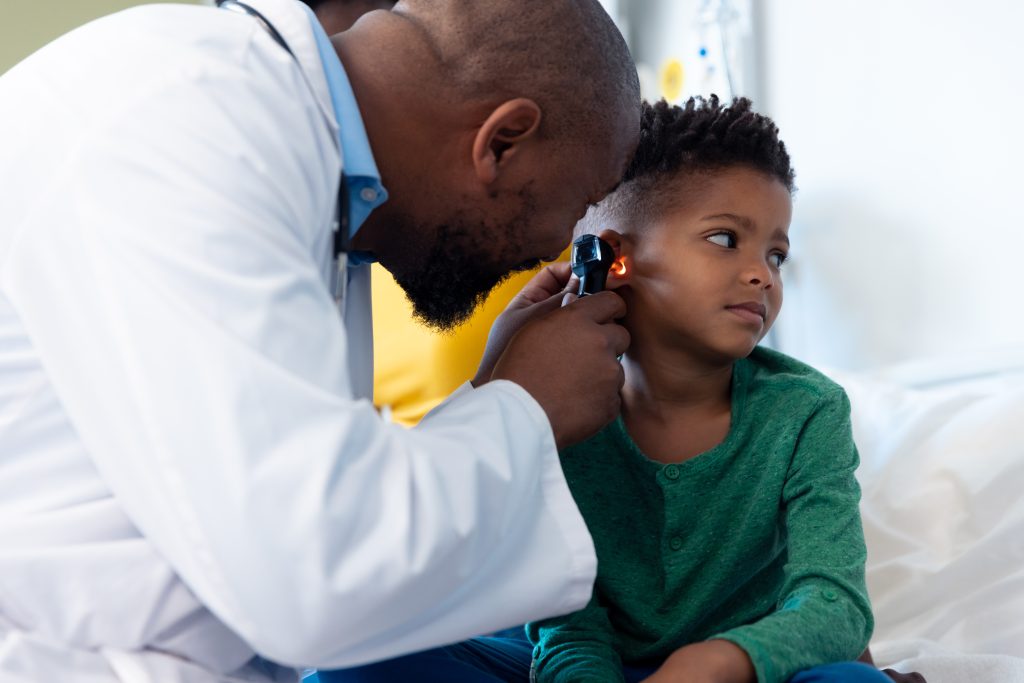
The app uses calibrated tones delivered through standard headphones connected to a tablet. A trained operator guides a participant through the screening process while the app simultaneously checks environmental noise levels to ensure test reliability. It then generates clear referral recommendations for those requiring further assessment, treatment or rehabilitation.
Critically, WHOears operates entirely offline once downloaded, an essential feature for Kenya’s rural and remote settings where internet connectivity can be unreliable. It stores no personal data, reducing both cybersecurity and privacy risks. The app is free, requires no expensive equipment, and can be administered by a trained health worker, teacher or Community Health Promoter.
“Hearing screening has for long been hindered by lack of access to expensive technologies, noise-controlled environments and highly trained healthcare professionals,” said Dr Shelly Chadha, WHO’s lead on ear and hearing care. “It is these problems that this app is trying to address.”
Early validation data are encouraging. In a study involving children aged 8 to 13 in Spain, WHOears results closely matched those of standard audiology equipment, correctly identifying hearing problems in 88 per cent of cases and accurately ruling them out in 91 per cent. In Egypt, the app was incorporated into a large national household health survey, with authorities expanding use to all 21,000 participating households after early trials proved straightforward and well-received.
“The tone-based system was really friendly, simple, and took no time,” said Dr Nelly Hegazi, WHO Public Health Officer in Egypt. Because the app uses tones rather than language-dependent speech tests, it can be deployed across diverse linguistic settings without adaptation; an important advantage in multilingual countries like Kenya.
Community Health Promoters, who already use digital tools, are natural candidates to administer the screening
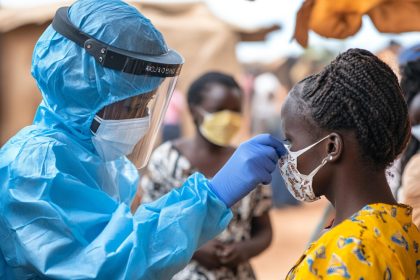
WHO is explicit that WHOears is not a consumer health app, but “a test to be provided by a trained person, either a health worker, a community worker, or a teacher,” said Dr Carolina Der, WHO Technical Officer for Ear and Hearing Care. “It’s not a self-screening app.”
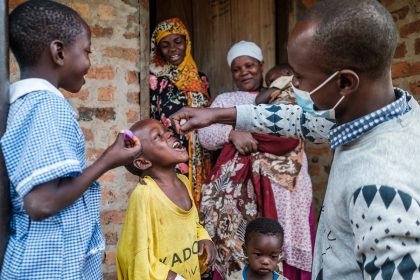
That distinction matters for how Kenya should approach implementation. Community Health Promoters, who already use digital tools for maternal health tracking, immunisation records and disease surveillance, are natural candidates to administer the screening. Schools could conduct routine hearing checks during health days, while primary healthcare facilities could incorporate screening into visits for older adults. Community outreach campaigns which are already common in Kenya’s public health infrastructure could add hearing assessment alongside other preventive services.
Kenya’s digital health infrastructure makes this feasible in a way that would not have been possible a decade ago. Mobile penetration exceeds 130 per cent, and internet connectivity continues to expand in rural areas, meaning the logistics of deploying a tablet-based screening tool at community level are increasingly practical.
Health experts are careful, however, to frame WHOears as a first step rather than a solution in itself. Screening identifies people who may need help, but what follows, including diagnosis, treatment, rehabilitation, hearing aids and community support, requires a functioning referral pathway that Kenya must also strengthen.
The gap between identification and access to care is currently wide. Globally, only about 17 per cent of people who could benefit from hearing aids actually use them. In Kenya, access to audiologists, hearing aids and rehabilitation services remains concentrated in Nairobi and a handful of other urban centres.
WHO promotes the H.E.A.R.I.N.G. framework, a broader strategy encompassing screening, prevention and treatment of ear disease, access to hearing technologies, rehabilitation services, communication support, noise reduction, and community engagement. The organisation estimates that scaling up these interventions globally would require an additional annual investment of approximately US$1.33 (Ksh172) per person, a figure WHO argues is eminently achievable given the returns.
Over ten years, that investment could benefit nearly 1.5 billion people, avert 130 million disability-adjusted life years, and generate a return of approximately US$16 (Ksh2,070) for every US$1 (Ksh129) spent.
“Screening is not an end in itself,” said Bijleveld, Chief Executive Officer of ATscale. “It is the first step on a pathway to care, a pathway that can lead to diagnosis, treatment, rehabilitation and access to assistive technology.”
For Kenya, where nearly three million people live with hearing loss and most will never be formally identified, WHOears represents an opportunity to close a gap that has persisted for decades.
We believe in the free flow of information
Republish our articles for free, online or in print, under Creative Commons licence.