

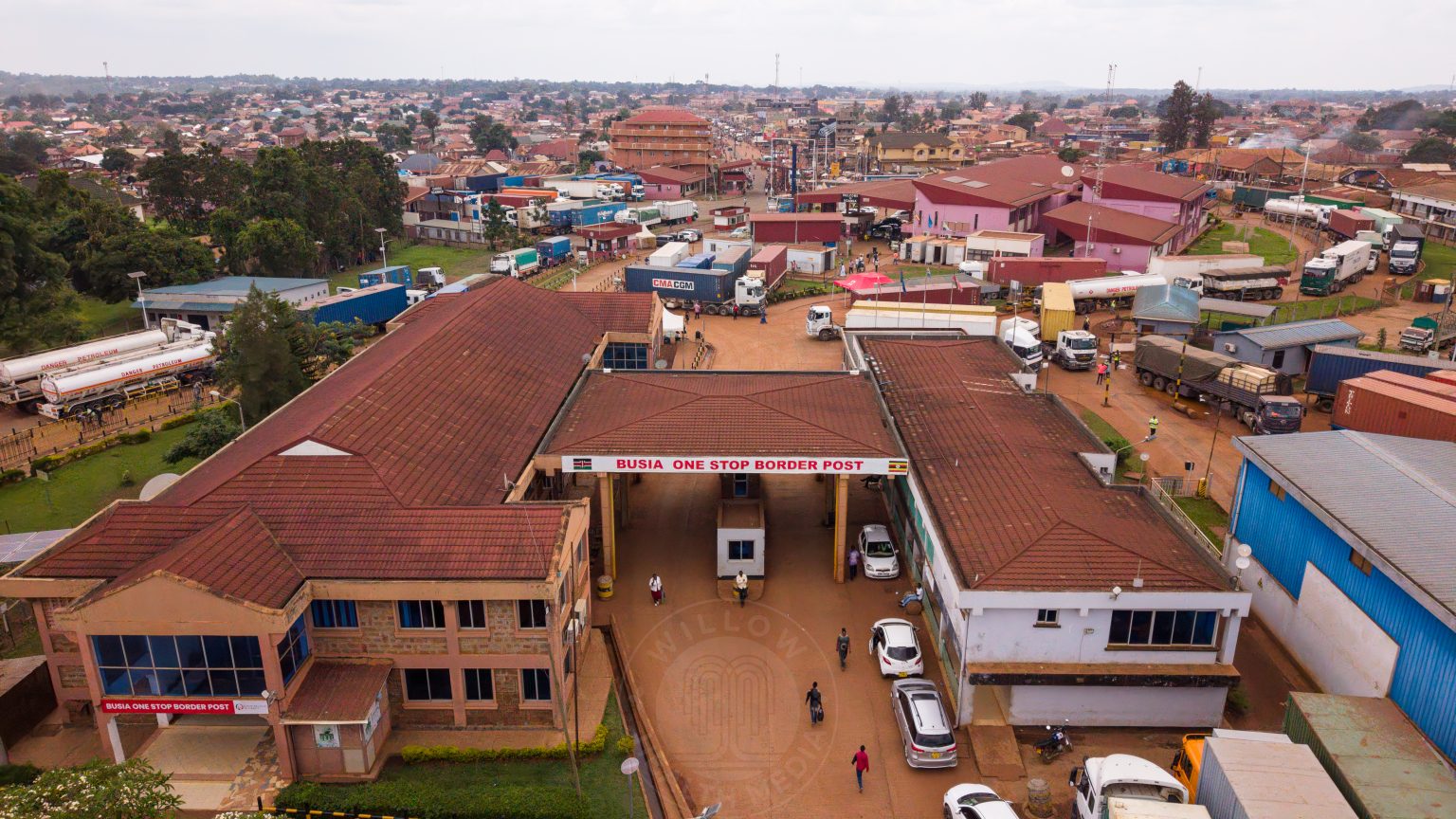

There are at least 21 crossing points between Kenya and Uganda, but only two are gazetted, with officials warning that traffic through the remaining informal routes is even higher, and could complicate Ebola screening efforts.
As the Ebola Virus Disease tears through the Democratic Republic of Congo and spills across the border into Uganda, Kenya is fortifying one of its most vulnerable entry points on the bustling border town of Busia, in what officials describe as a race against a disease that is moving faster than the systems designed to stop it.
The outbreak in eastern DRC has surpassed 1,000 confirmed and probable cases, with over 200 deaths reported, while Uganda has confirmed infections linked to the Bundibugyo strain of the virus. The World Health Organization (WHO) has classified the situation as a Public Health Emergency of International Concern, and the Africa Centres for Disease Control and Prevention (Africa CDC) declared it a Public Health Event of Continental Security.

For Kenya, a country that shares a 933-kilometre border with Uganda, these are not distant statistics.
“Busia is not simply protecting itself,” said Arthur Odera, Busia Deputy Governor and County Executive Committee Member for Health in an exclusive interview with Willow Health Media. “We are a buffer for Kenya. If we fail to contain an outbreak here, the entire country could be affected.”
That warning is grounded in geography and history. At the Busia One Stop Border Post, hundreds of trucks from Uganda stream into Kenya daily alongside traders, boda boda (motorcycle) riders and travellers, making Busia one of East Africa’s busiest commercial corridors, linking Kenya to Uganda, the DRC and the wider Great Lakes region. The same arteries that drive regional trade now carry significant epidemiological risk.
What makes Busia uniquely vulnerable is not just its proximity to Uganda, but the sheer volume of movement through unofficial crossings. Health authorities have identified at least 21 crossing points between the two countries, but only two are formally gazetted. The rest operate beyond the reach of any screening protocol.
Ebola Virus’ 21-day incubation period makes round-the-clock vigilance non-negotiable
“The challenge is that traffic through the other 19 informal crossings is actually higher than through the official points,” Odera said.
This is not a new discovery. During the Covid-19 pandemic, Teso North and Matayos sub-counties, which host the county’s main transit corridors, recorded 84 per cent of all Covid-19 infections in Busia. The concentration tracked movement, not population density.
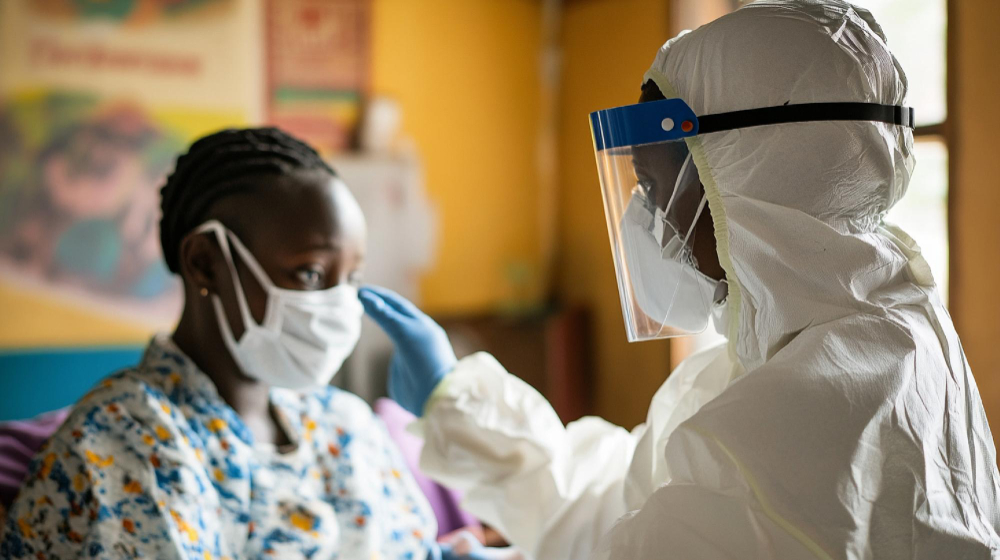
“That tells you that the concentration of infections was around the ports of entry and linked to transit activity across the border,” Odera said. The same pattern repeated during the Mpox outbreak, when Busia recorded some of Kenya’s highest case numbers. Health officials now fear Ebola could exploit the same weaknesses: heavy human movement, informal crossings, overstretched health systems, and delayed detection.
In response, surveillance teams have been deployed to informal crossing points, including Sophia, Soko Matope, Marenga, Port Victoria, Omena Beach, Atotoi, Ngelechom, Mong’ura and Buteba. Heightened screening continues at the official Busia and Malaba posts. Odera noted that the Ebola Virus Disease’s 21-day incubation period makes this round-the-clock vigilance non-negotiable.
Under the coordinated multi-agency response plan, the Kenya National Public Health Institute (KNPHI) is leading emergency preparedness and technical coordination, while WHO is supporting training, surveillance and outbreak readiness. The Kenya Medical Research Institute (KEMRI) is strengthening laboratory diagnostics and research support, while the Intergovernmental Authority on Development (IGAD), through its E-GUARD program, is supporting cross-border surveillance and One Health coordination.
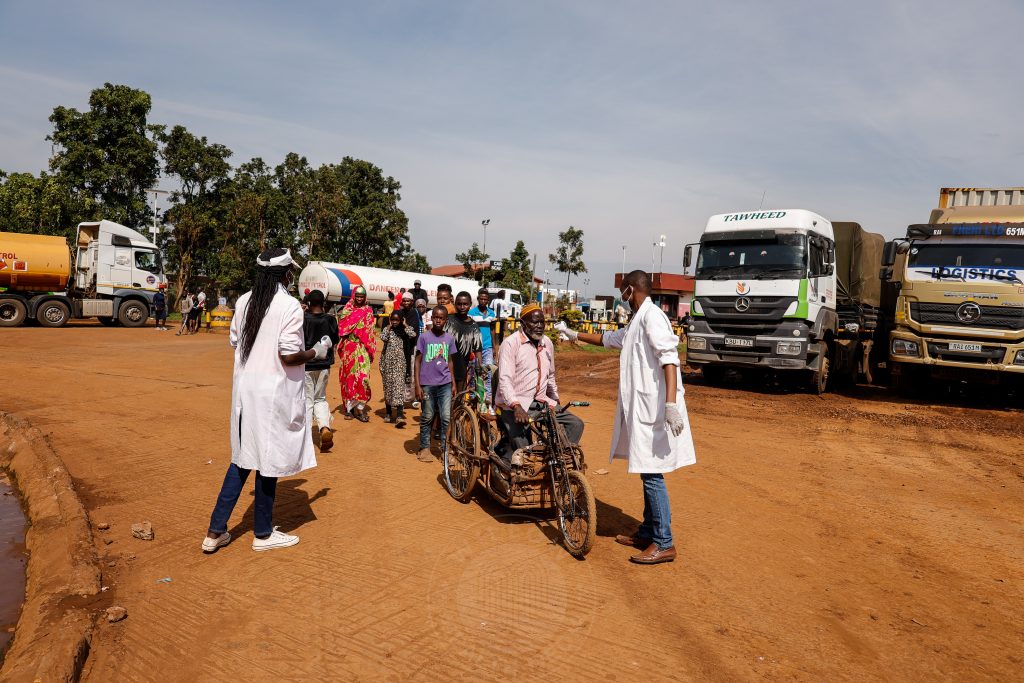
The Strengthening Infectious Disease Detection Systems (STRIDES) activity, funded by the US government, is also supporting healthcare worker training, screening operations and preparedness activities along the Kenya-Uganda border.
The strategy reflects a growing recognition among public health experts that future pandemic preparedness cannot focus only on hospitals and airports. Informal mobility routes, community-level surveillance and cross-border coordination now sit at the centre of disease control strategies across Africa.
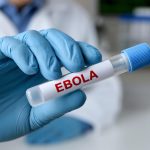
Busia County Referral Hospital has received a mobile laboratory to support rapid testing of suspected Ebola cases
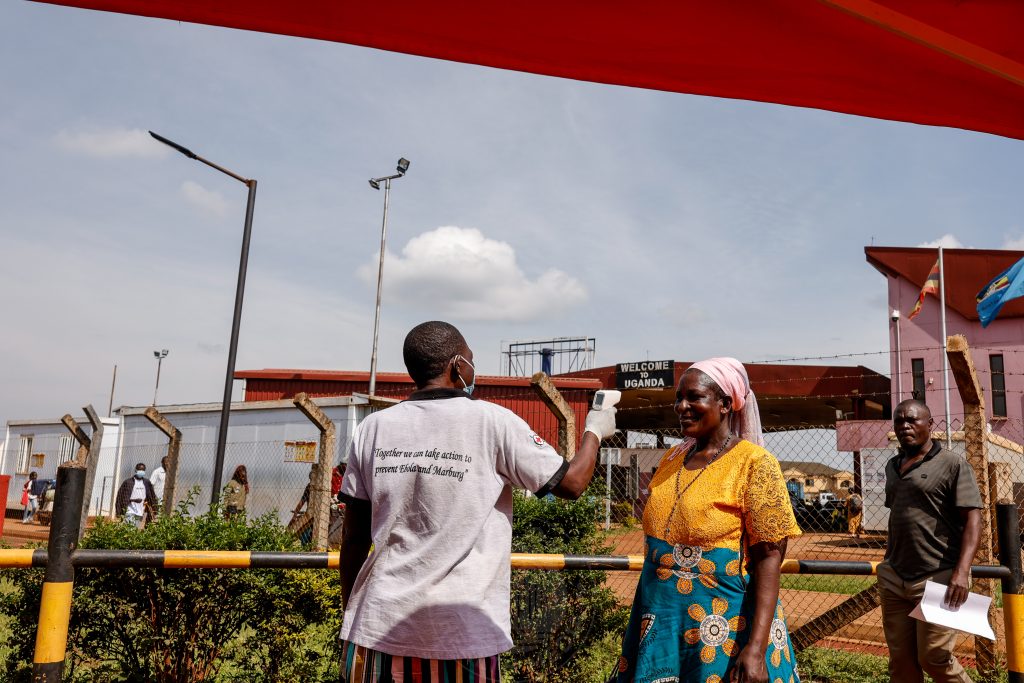
Busia County has also established Rapid Response Teams across all eight sub-counties and completed an intensive six-day training program involving clinicians, nurses, laboratory officers, surveillance teams, immigration officials, educators and community leaders. The training focused on infection prevention and control, surveillance, contact tracing, case management, emergency coordination and safe outbreak response.
A large-scale simulation exercise conducted in Alupe tested how healthcare workers would respond if a suspected Ebola patient crossed into Kenya.
Joseph Oprong, Busia County Director of Public Health and Sanitation, said preparedness efforts must extend beyond healthcare facilities, and “We have put numerous systems and structures in place to ensure readiness.”
According to Oprong, the preparedness program brought together frontline workers from the health sector, Ministry of Interior, county administration, border health units and education sector to ensure coordinated response systems in the event of an outbreak.
The county has designated Alupe as its Ebola Treatment Centre and is working with partners under KNPHI coordination, with Kenya Red Cross teams supporting emergency preparedness on the ground.
Specialised training is planned for healthcare workers who will staff the facility, while emergency management teams and safe and dignified burial teams have already been constituted. Busia County Referral Hospital has also received a mobile laboratory to support rapid testing of suspected Ebola cases.
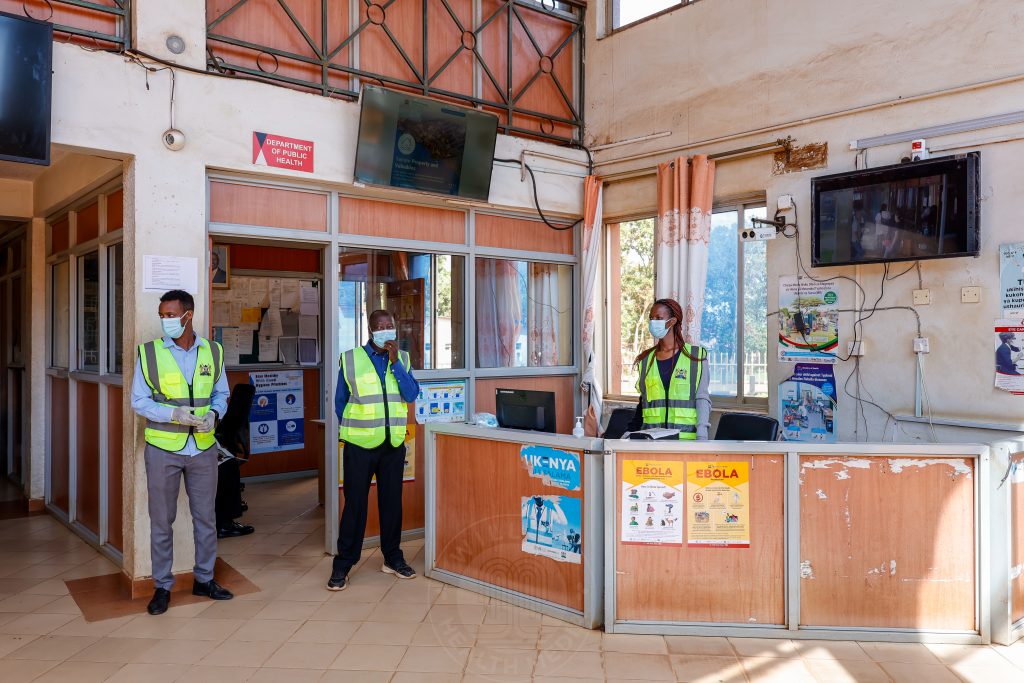
Busia Director of Medical Services Dr Nina Rabare said authorities had intensified surveillance along both official and unofficial crossing routes to strengthen early detection.
“We have strengthened surveillance and screening measures, including at unofficial crossing points, to ensure that any suspected cases entering through those routes can be identified quickly,” Dr Rabare said.
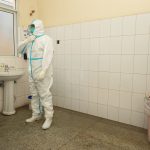
She added that healthcare workers had received personal protective equipment (PPE) and essential supplies, while community sensitisation campaigns were ongoing across the county.
“We are also educating communities on Ebola, its symptoms and preventive measures. The department remains on high alert and continues to prepare for any eventuality,” she said.
During outbreaks, communities often avoid screening centres, hide symptoms or resist contact tracing because of fear, rumours or economic pressure
Dr Rabare urged residents to seek immediate medical attention if they develop symptoms such as fever, headaches, abdominal pain or joint pains, especially after travelling from affected areas. Yet even as Kenya strengthens border screening and emergency response systems, experts warn that surveillance alone will not stop an outbreak.
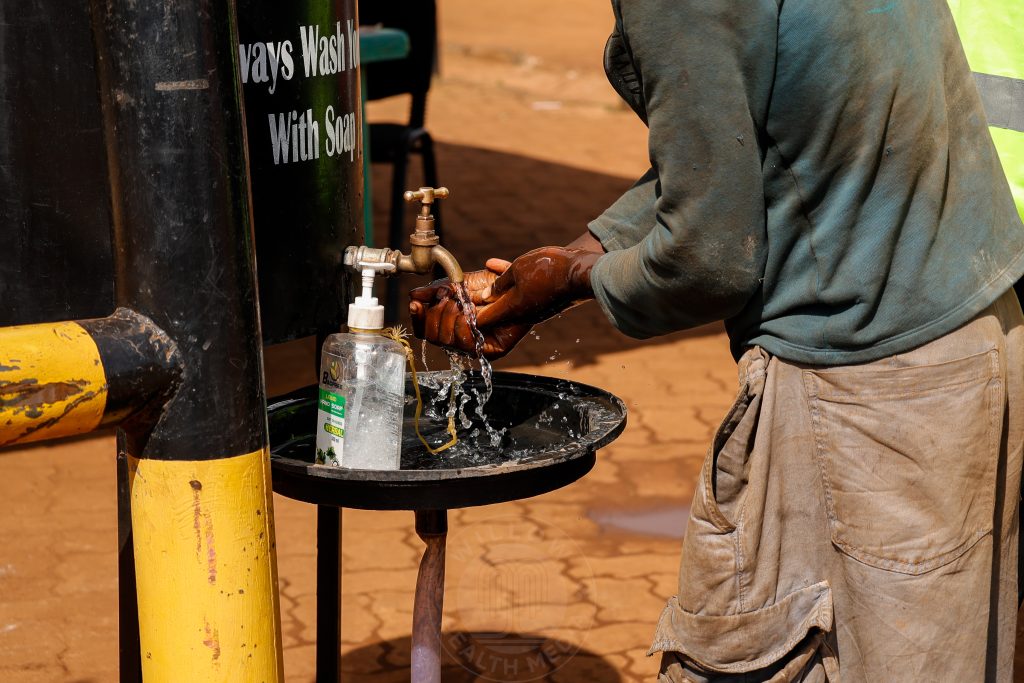
One of the hidden but persistent threats during epidemics is public mistrust. Covid-19 exposed how misinformation, fear, stigma and distrust in government institutions can undermine even well-funded public health responses. During outbreaks, communities often avoid screening centres, hide symptoms or resist contact tracing because of fear, rumours or economic pressure.
Health officials say those lessons are shaping current preparedness efforts. Clinical psychologist and Rapid Response Team Chairperson Bishop David Bulimu Musa said psychosocial support and community trust are now central components of Busia’s Ebola response strategy.
“The people most affected during such a response are usually frontline health workers,” Musa said. “Some experience trauma, isolation, compassion fatigue and emotional stress while caring for patients.”
Drawing from his experience during the Covid-19 pandemic, Musa noted that healthcare workers often faced stigma from communities and even family members because of fears they could spread infection.
To address this, psychosocial support teams have been integrated into Busia’s emergency response framework to provide counselling, debriefing and emotional support for healthcare workers and affected families.
The approach signals a broader shift in outbreak management across Africa, where experts increasingly argue that pandemic preparedness must include mental health support, risk communication and community engagement, not just laboratories and isolation wards.
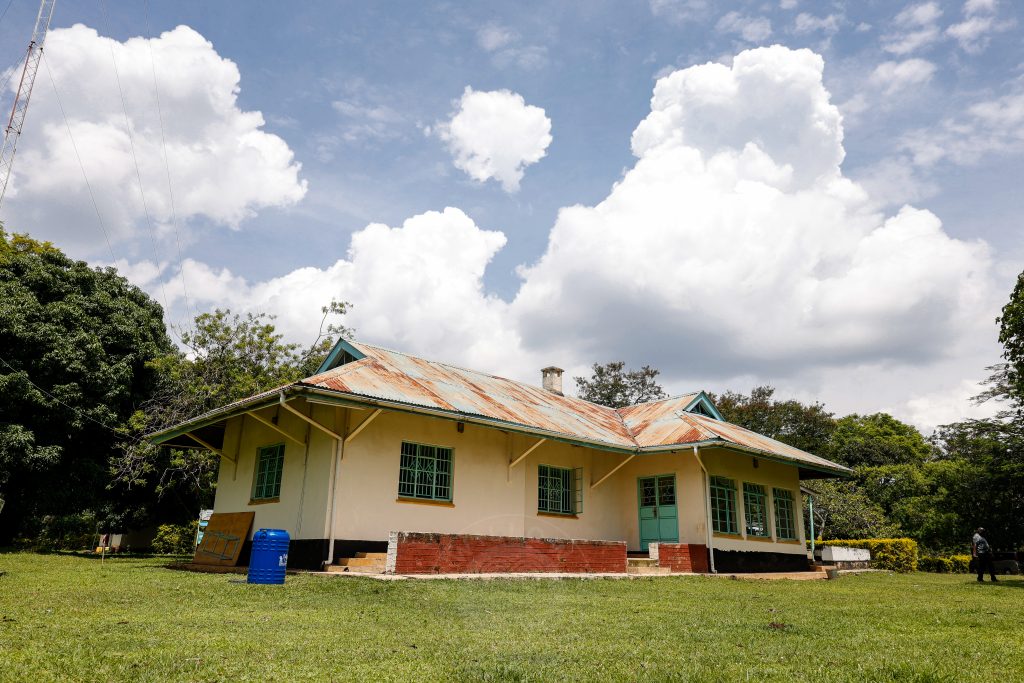
Meanwhile, KEMRI is using the crisis to push for longer-term investments in regional infectious disease preparedness infrastructure.
“We intend to establish this facility as a centre of excellence for the management of highly infectious diseases,” said Acting Vice Chancellor of the KEMRI Graduate School Prof Elijah Songok during a tour of Busia and the Alupe Isolation Centre.
According to Prof Songok, KEMRI has already identified laboratory testing, outbreak diagnostics and isolation infrastructure as critical investment priorities.
“Ebola requires Biosafety Level Three or Four containment facilities. We need facilities that can safely contain cases locally rather than transferring patients for long distances,” he said.
Plans are now underway to transform Alupe into a regional training and research hub capable of serving healthcare professionals from across Africa and beyond.