

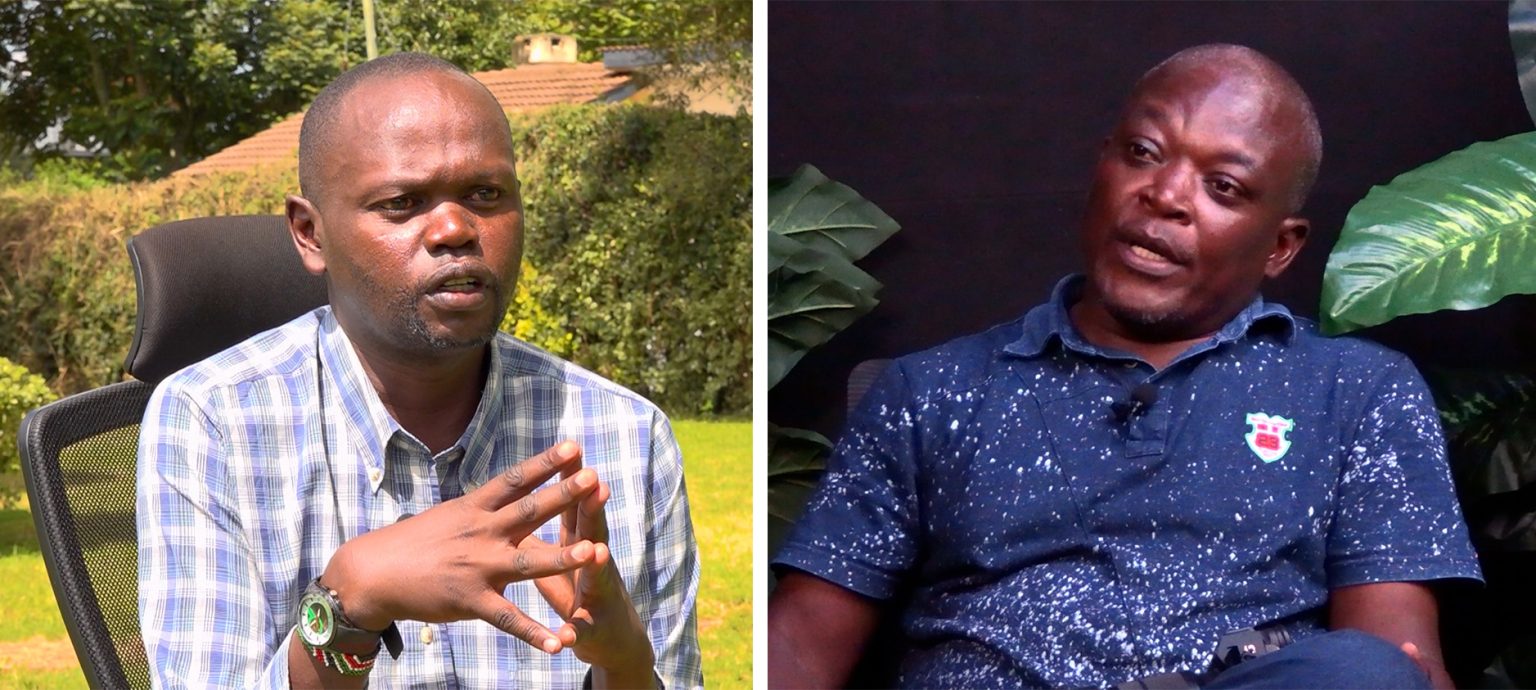
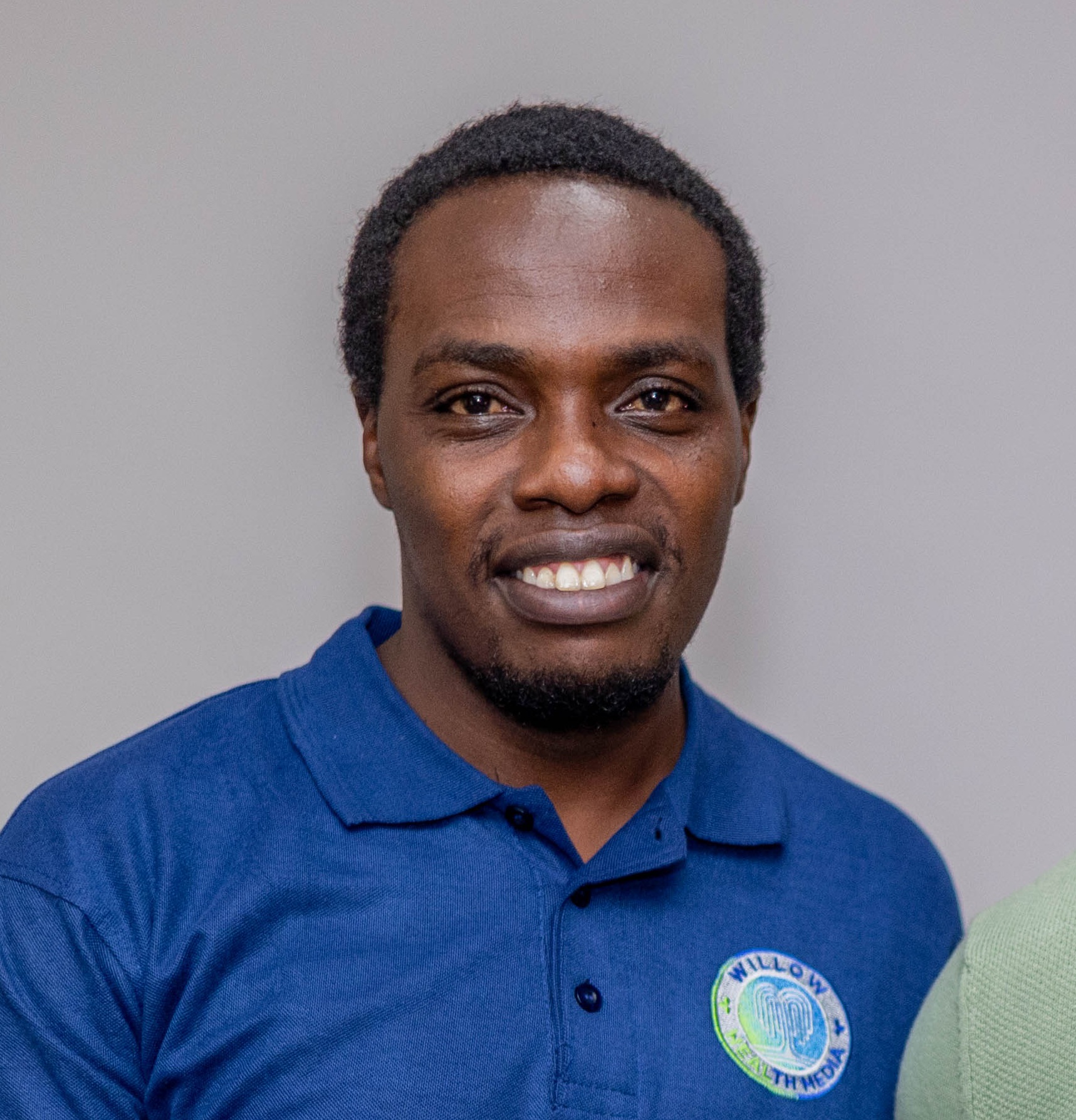
Moses was forced to film attackers mutilating a wounded farmer before dousing piles of bodies in paraffin and burning them, while Wycliffe spent a night on a tree, clinging to branches, battling thirst and hunger in a bandit-prone area.
Seasoned TV journalist Moses Baya spent 20 years covering conflicts, terrorism and accidents in the Coast region, but reporting ethnic clashes in Tana River County for two years to 2012, nearly drove him into depression, alcoholism and domestic strife.
Baya was crossing a river to reach the scene of a violent clash between farmers and pastoralists that left 25 dead. Armed youths stopped his videographer colleague but forced Baya to proceed, leaving him unsure if he’d be safe.

At the site, he saw piles of bodies and was forced to film as attackers brutally killed a wounded farmer, cutting off his hands and dragging him away. The memory still haunts Baya, considering the attackers doused the piled bodies in paraffin and burned them, demanding he record.
“What viewers see on TV are filtered videos, but haunting images remain in our minds,” says Baya, who also recalls covering a terror attack where Satrin Osinya, who was later adopted by politician Mike Sonko, had been shot and his mother killed.
Baya also almost ran into terrorists who massacred people in Boni Forest, and after killing police officers and preachers in Changamwe. The terrorists had singled out journalists as their next target, spreading panic.
He resorted to regularly beating up his children over changing radio or TV channels
Baya later became reserved and isolated himself. The local bar became his second sitting room. “I never thought I was losing it until I beat up a female reporter in the office over flimsy reasons which never warranted the aggression,” recalls Baya whose also resorted to regularly beating up his children over changing radio or TV channels, besides quarrels with his wife whenever she asked for something.
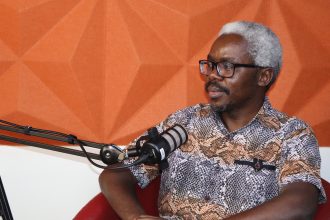
“PTSD (Post-Traumatic Stress Disorder) symptoms could make people think you are aggressive and arrogant, but it’s the mental pressure being released at the slightest of provocations,” explains Baya, adding that few cared to find out “why a gentle and diligent journalist suddenly became violent even without provocation.”
At a workshop, a counsellor helped Baya connect his PTSD to his anger and drinking after years of covering trauma, yet “Many scribes fear psychological therapy because they think they will be immediately put on antidepressants.”
Wycliffe Kipsang, another journalist, remains traumatised a decade after getting lost in bandit-prone wilderness while covering a bloodbath in Nadome village at the Baringo-Turkana border that left 54 people dead.
Kipsang had joined journalists from other media houses, but after walking several kilometres down the valley, he returned alone to their parked car to get water, hoping to catch up later.
Dusk set and fearing attacks from wild animals, Kipsang thought of sleeping on riverbanks
“It was a treacherous journey down to the village, which was not accessible by a vehicle. Shortly after, I lost direction and began wandering in the wilderness. We had left our phones in the car because there was no network coverage,” he recalled.
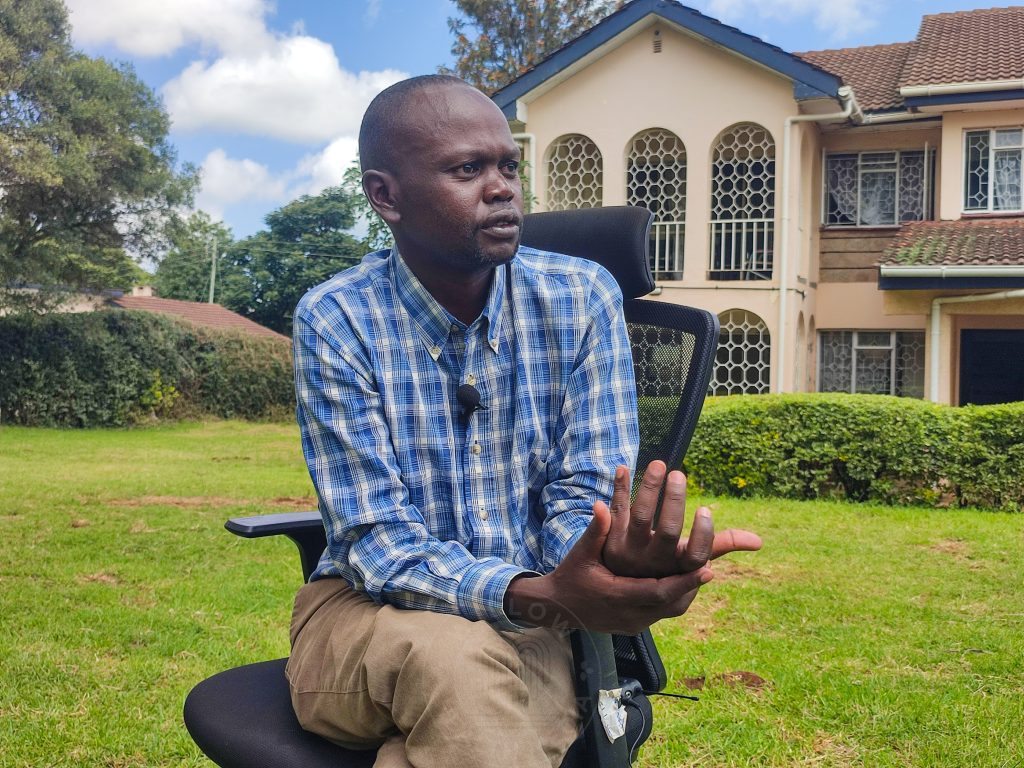
Dusk set and fearing attacks from wild animals, Kipsang thought of sleeping on riverbanks but instead climbed a tree where he spent the night clinging to branches, battling thirst and hunger in what was “The longest night ever.”
Come dawn, he walked to a Pokot homestead where suspicious residents questioned him. His knowledge of local leaders like Silale MCA Nelson Lotela and Taity MP William Kamket helped, as “They remembered an alert about a missing journalist and helped me reunite with colleagues.”
To date, Kipsang remains traumatised, his passion for work damaged as the thought of what would have happened to his wife and their then five-month-old child “in case something happened to me in the bandit-prone area.”
Counselling and monetary compensation were insufficient as he was later fired, leaving him feeling wasted after “I invested most of my life to be an excellent journalist, but where are the returns?”
Ferdinand Omondi, an ex-BBC reporter now in the NGO world, lives with deep psychological scars from covering the Mpeketoni ethnic clashes, which left 48 people dead in 2014.
Omondi found a man’s body being removed from a house as widow and children watched helplessly
Travelling overnight from Mombasa to Lamu without security in the aftermath of terror attacks was terrifying, he says. At dawn, he arrived to find a man’s body being removed from a house as the widow and children watched helplessly. “That image has never left my mind,” Omondi says.
Unprepared for the scene, he says media houses only wanted updates, not the well-being of journalists. He recalls waiting for the widow to wail before interviewing her, absorbing her grief while struggling to remain detached. Later, he went to the mortuary to physically count 30 bodies to verify the death toll before broadcast.
“More than ten years later, I still see the bodies, the blood-splattered skulls. I still remember the smell of human bodies piled together and set ablaze,” says Omondi, adding that years of covering deaths along the Coast, including the Tana River clashes that killed over 120 people, left Omondi emotionally numb and easily angered.
“I became short-tempered, even with people I loved. Combined with childhood trauma, I slipped into a mental health condition I am still struggling with,” explains Omondi, who credits the BBC for prioritising staff safety and mental health, as most undergo first aid training before assignments to hostile environments like riots. “No story is worth your life,” he says. “Personal safety must come before being first on the scene.”
Jacob Otieno, a retired photojournalist, spent decades among the first responders at violent clashes, road accidents, floods, infernos and bomb blasts. The work demanded speed, precision and clarity, often leaving no time to process what he witnessed as “Your mind switches to survival and storytelling,” he says. “Trauma doesn’t always strike immediately. Sometimes it comes weeks or years later.”
There were no debriefings. No trauma care. We were expected to move on. But you don’t
Otieno recalls being first at a road accident where 27 people were killed. A police officer examined the remains of a young boy whose skull had been crushed. Another officer later found a severed arm and asked whether it belonged to the same child, and “As a father, that broke me.”
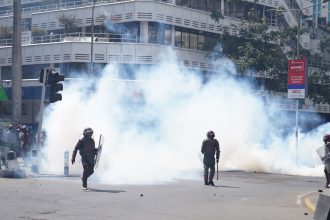
He also covered the 1998 US Embassy bombing in Nairobi, which killed 224 people and injured over 4,500. Off duty at the time, he was recalled and arrived at Moi Avenue to find buildings reduced to rubble.
“I stood on the debris through the night listening to a woman trapped underneath calling for help,” he recalls. The woman, Rose, died hours before rescuers reached her.
Other memories include a US computer expert who lost both eyes, the charred remains of students at Kyanguli High School, and the mass funeral that followed, yet “There were no debriefings. No trauma care. We were expected to move on. But you don’t.”
Cate Wanjeri was shot at in Nakuru during the Anti-Finance Bill protests that claimed tens of lives.
“It’s two years down the line, and I haven’t gotten over it. It’s the most traumatising incident in my life, not just career,” she reflected on the events of July 16, 2024.
Wanjeri told Willow Health Media that no one was held accountable, and “I can no longer move around freely like I used to. I’m always watching my back. I relocated to a safer but expensive neighbourhood, and with the industry’s pay rates, it’s not smooth.”
Editors have normalised sending journalists on risky and traumatising events
Wanjeri argues that journalism school theories and industrial attachments are different from real-life work beat, and “Journalists are often caught off guard with the dangers and hardships of the profession, and the newsroom culture does not help much.”
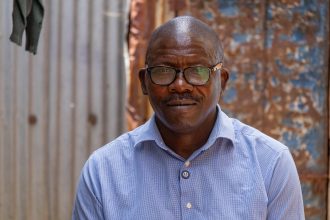
Wanjeri observed that editors and newsroom leads have normalised sending journalists to risky and potentially traumatising events without a brief on safeguarding their physical and mental health.
It was only after her incident that some media houses offered protective gear to their journalists, while her mental health support was provided by foreign organisations. Had that not happened, “I may not have recovered this much,” she revealed, adding that “Therapy sessions are expensive, considering the low pay rates in the industry” yet on average, Kenya’s media faces “Delayed salaries and work pressure and most journalists end up in alcohol and drugs.”
She developed compulsive habits, repeatedly checking on her daughter at school
Wanjeri reckons, “The Media Council of Kenya must make it mandatory for media houses to provide safety gear for journalists covering risky events. The same way they vet and credit journalists, they should ensure their safety is not compromised by employers.”

She also proposed that media houses facilitate free counselling every three months, with priority given to those who are exposed to traumatic events.
Another female television journalist who requested anonymity says covering fatal accidents and domestic violence involving children made her paranoid. She developed compulsive habits, including repeatedly checking on her daughter at school.
It was only during a trauma training session that a counsellor identified her distress and offered help.
You walk away, but the images return without warning, sleep becomes restless
Kevin Tunoi, a multimedia journalist and editor, says it is almost impossible to avoid traumatic scenes.
“I’ve covered deadly crashes, murder scenes, and suicides. But nothing prepares you for parents wailing over slain children,” says Tunoi, who describes the emotional conflict between being a journalist and a human being thus: “You walk away, but the scene stays with you. Images return without warning. Sleep becomes restless.”
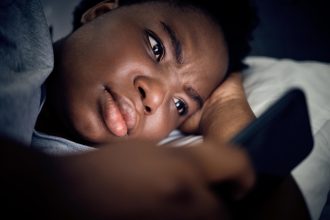
He realised something was wrong when his emotions became overwhelming, and his passion declined. Opening up to colleagues helped, as did trauma training, therapy, faith and journalling.
Queenter Mbori, Executive Director, Association of Media Women in Kenya (AMWIK), acknowledged the lack of safeguards against mental health in local media houses where most journalists cover traumatic incidents at least once or twice in their careers.
Mbori cites the 2021 study by the Media Council of Kenya titled “The State of Mental Health in Kenyan Media“, which found that 86 per cent of journalists had been exposed to traumatic events, while 62 per cent acknowledged knowing a colleague who had been mentally affected by traumatic events in the line of duty.
“Manifestations of these mental health challenges are seen in the heavy drinking among journalists. Journalists’ state of mind has a direct impact on their output and should be sustainably addressed,” says Mbori, adding that “An unhealthy journalist is a threat to media freedom because whatever they do affects the wider masses.”
Covering traumatic events leaves journalists physically, cognitively and emotionally affected
AMWIK, she adds, has partnered with the Mental Wellness Association of Kenya (MWAK) to hold an annual mental wellness summit for identifying and filling gaps for media practitioners.
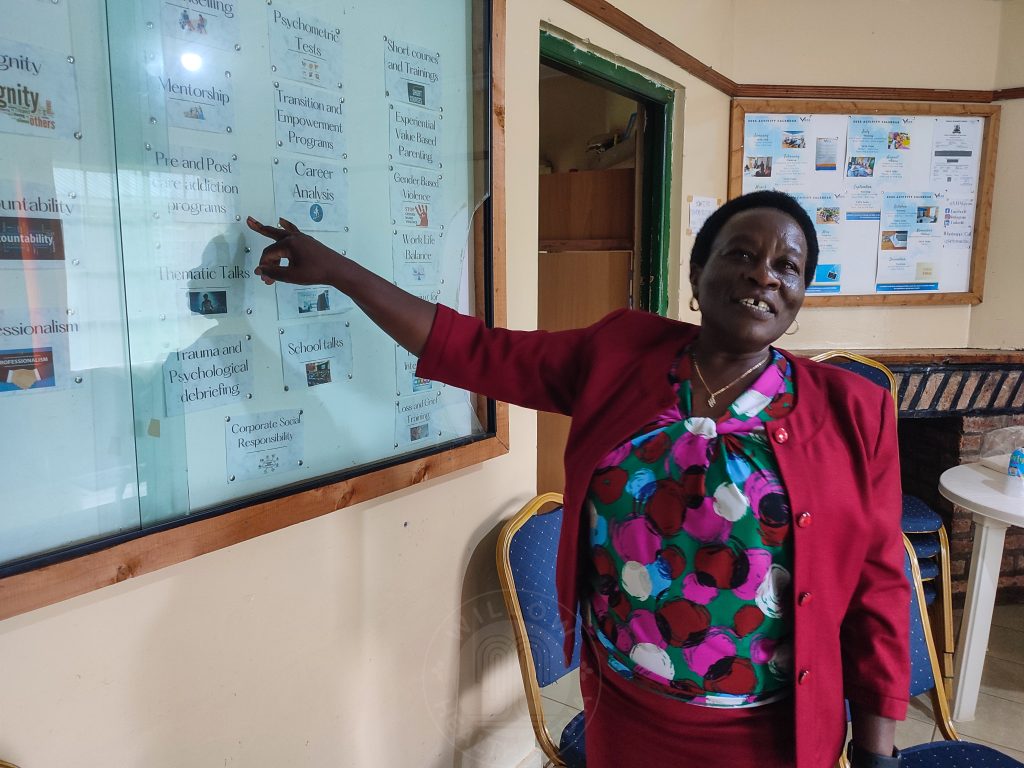
Dr Scholastica Adeli, a counselling psychology lecturer at Moi University and founder of You Are the Answer, notes that exposure to traumatic events leads to PTSD as “Journalists like all humans have inbuilt control of situations they face, but when these situations surpass the controls, it becomes traumatising…if they don’t get help to debrief and heal from trauma.”
Journalists are vulnerable to trauma as they cover traumatic events while trying to save their lives and give help to others, thus leaving them “physically, cognitively and emotionally affected”, she says, adding that recovery means accepting “they are not okay and need help and talk to professionals.”
Adeli called for media policies that address trauma before, during and after covering traumatic events. Emotions are blunted, and journalists end up “conveying traumatising information and images without knowing, that’s why traumatised journalists need to be helped for their wellbeing and that of the audiences.”
No story is worth your life or sanity. So, speak up to colleagues, family or counsellors
Kipsang and Baya warned that stress and trauma are pushing journalists to suicidal thoughts, which can be addressed with wellness support and better pay. Kipsang also called for trauma training in journalism schools, noting he never received any.

Baya concurred and added that media houses lack functional structures to safeguard journalists from PTSD. “There needs to be training on emotional intelligence first to help scribes know how to relate with others and identify early signs of psychological pressure and assist them. What happens when an editor does not approve a story, yet the journalist went through tough conditions to deliver?” he posed.
Due to widespread trauma exposure, varying awareness, and systemic gaps in mental health support for journalists in Kenya, Omondi says wellness must be ingrained in “mental-aware job protocols”, but journalists’ collective call for action is unanimous: “No story is worth your life or sanity. Speak up … to colleagues, family, or counsellors.”
Additional reporting by Asha Bekidusa.