

Grief is not only about death. Therapist Mueni Wambua explains why divorce, relocation, illness and even promotion can trigger it, how a trauma-illiterate society fails mourners, and what families, workplaces and carers can do to help people live with loss.
Picture an employee who has just buried a parent, a child, a sibling or a spouse. The company granted seven days of compassionate leave, but 20 days after the loss, someone wonders aloud why they have not moved on.
For grief therapist Mueni Wambua, that remark exposes a blind spot.
“I think as a society, we are largely very trauma illiterate,” she says. Such a comment “is ignorant of what the reality of loss looks like”. Voicing the mourner, she adds, “I may have come back to work physically, but every morning I am reminded that my world has been shattered irreparably.”
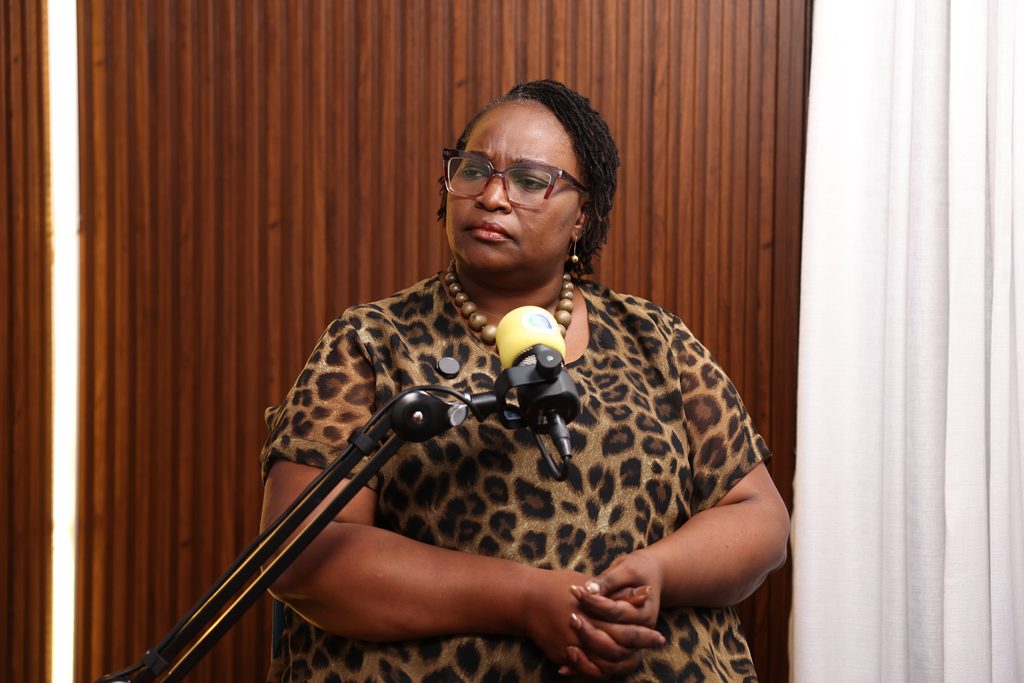
Speaking to Nuru AbdulAziz on Lifeline Dialogues, Wambua, a pastor and founder of Heartwork Africa, said that her own losses and her ministry led her here. Handling many benevolence cases, she often left bereaved families doubting her words.
“Is it helping? Or am I just throwing cliché lines?” That sense of inadequacy drove her to train as a grief therapist. Heartwork Africa now creates safe spaces for healing conversations, rooted in her belief that “every grief that you go through deserves to be observed, deserves to be witnessed, deserves to be supported, and deserves to be held in a place of dignity.”
Asked which role comes first, she calls it “an egg-and-chicken question”, since the pastoral space is “essentially a work of heart. And so is grief.”
One of five colleagues, promoted to head of department, must now supervise and sometimes discipline the four peers they once complained alongside
Bereavement is merely the loudest, most visible loss. Wambua defines grief as “a normal and natural reaction to loss” and, more broadly, as “an end of a familiar pattern”.
By that measure, grief follows a business collapse or the downsizing that has swept organisations since the Covid-19 pandemic. It follows a diagnosis, divorce or separation, or even the death of a pet. It visits empty nesters who ask “now what is my relevance again?” after children have grown up and moved out of the family home.

Changing schools or jobs counts too. A new workplace strips away small certainties like where colleagues eat lunch, who covers for you, where to park and what “casual Friday” means.
Leaving high school, with its teachers and timetable bell, for university freedom can overwhelm a student who has “never had to think for myself”. Emigrants feel it, asking “Base ya mtura iko wapi?” as they hunt for Kenyan delicacies and miss the familiar ugali. “We generally would say the person is homesick,” she says, “but that person is homesick, and that’s a level of grief.”
Even good news can trigger grief. A scholarship student abroad, perhaps the only Black person around, watches Christmas unfold at home on social media while sitting in class. A happy new bride can no longer drive off to Nakuru on a Friday whim. One of five colleagues, promoted to head of department, must now supervise and sometimes discipline the four peers they once complained alongside. “Most life transitions put us in a state of grief,” Wambua says.
A parent who could not sleep after losing one child may be unable to stay awake after losing another
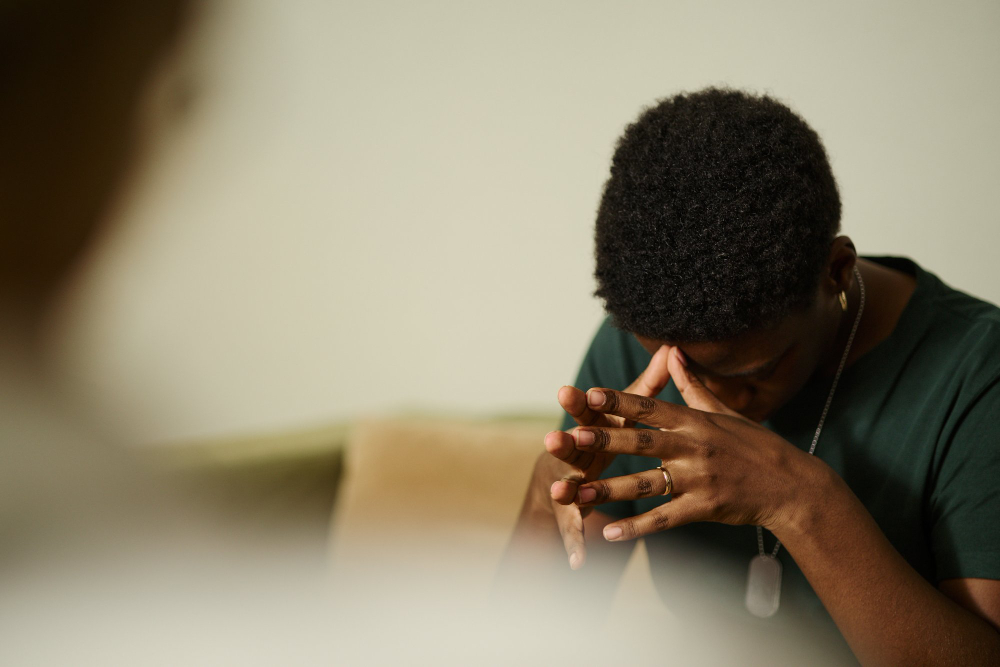
Many assume grief means tears. In fact, it may surface as headaches, an upset stomach, insomnia, an inability to get out of bed or eating disorders. Wambua sums it up as heightened or dulled senses. Appetite for food, for life and even for sex may soar or vanish.
A parent who could not sleep after losing one child may be unable to stay awake after losing another. Age, life stage, culture, religion and place all shape the response. A Kenyan abroad when a relative dies at home may find no community and no familiar way to mourn, and that grief “may linger longer”.

Grief does not necessarily cause mental illness, but it can amplify existing conditions, overwhelming a person’s capacity to cope. Blood pressure may rise, and diabetes may go haywire. “For every dimension of us that is unwell, grief will amplify it.”
Wambua rejects the language of recovery. “We don’t overcome grief because grief is not a task to be completed. We learn to live with grief.”
The colleague who dresses up for the office may simply feel “I don’t have an option but to shower and show up.” In coping with grief, some personalities regain their bearings quickly and others stay stuck, yet grief can baffle even the usually resilient.
Families should look for poor sleep and appetite, weight loss, fatigue, dull skin, a newly curt temper, withdrawal and lost interest in life.
“The human body is amazingly communicative of what’s going on inside a person,” she says. Grief touches thoughts, feelings, body, spirit, behaviour and relationships, so the real signal is a change from how someone was before. Sometimes the mourner notices first.
Men taught that admitting a struggle or seeking help is weakness, and lacking safe spaces to break down, many suffer alone
Guilt may stem from a hospital visit never made or help never given. Some people cling to sadness because laughter feels like betrayal. She asks where it comes from and what purpose it serves. If that purpose is remembering, her answer is gentle. “What you had with them was love. You don’t need guilt to keep you reminded.”
Men carry a particular burden. Taught that admitting a struggle or seeking help is weakness, and lacking safe spaces to break down, many suffer alone. Wambua places the first duty on society. Acknowledging the weight of loss “does not make them weak. It just makes them human.”
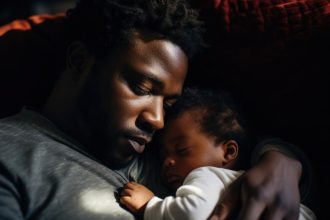
Families splinter because “we don’t grieve over titles. We grieve over relationships.” Five siblings may each mourn a different mother. A favourite child grieves differently from one whose conflicted bond has lost all hope of repair.
If the mother had her first child at 25 and her last at 40, those 15 years may have reshaped her parenting and the family’s finances, from walking to a public school to riding a bus to a private one. Old disputes resurface, because “grief is a great revealer” of people, relationships and even what we think about God.
Rituals like burial help people remember and say farewell, but restrictions such as those observed during Covid-19 have limited who can show up. Some mourners feel lonely while others welcome the quiet. Wambua urges families to find meaningful ways to honour the dead, including virtual memorial services. The harder test follows Kenya’s communal burials, once the tents come down and everyone leaves.
Returning to the gym, work or school proves not everything has changed, restoring a sense of stability and security
First, show up with empathy, compassion and humility. She treats “I cannot even imagine what you’re going through” as a posture, not a platitude. “So to empathise with you is to just join you in that hole and sit with you there.” The aim is not to haul anyone out but, as a therapist, to help them find their own strength, resources and the new self that loss can produce.
Second, respect individual styles. Some want company at once while others process alone first.
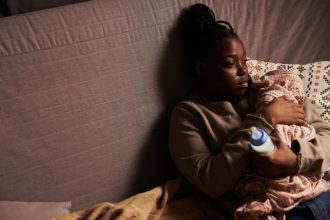
Third, rebuild routine. Returning to the gym, work or school proves not everything has changed, restoring “a sense of stability and security”.
Fourth, sustain support beyond the funeral through churches, religious communities, friends and therapy. Fifth, care for the carers. “Every therapist must have a therapist,” she says, plus a supervisor to check boundaries, ethics and when to refer. Pastors must submit to an authority. “Jesus and your therapist are not in competition.”
Finally, ask what the loss took. A lost job can strip identity as well as income.
“My name was Mueni, and I was a manager. Now who am I that I’m unemployed?” She calls this the secondary loss, the meaning attached to what is gone. A widow who had known her husband since primary school may have lost a lifelong companion, adviser, cheerleader, encourager and even her personal banker.
For those who are willing to help but do not know how, Wambua offers hope. Understand those hidden losses, she says, and you will know how to help.