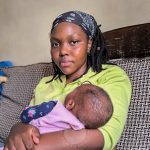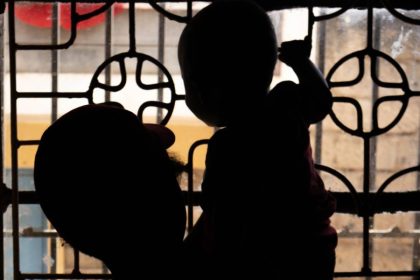

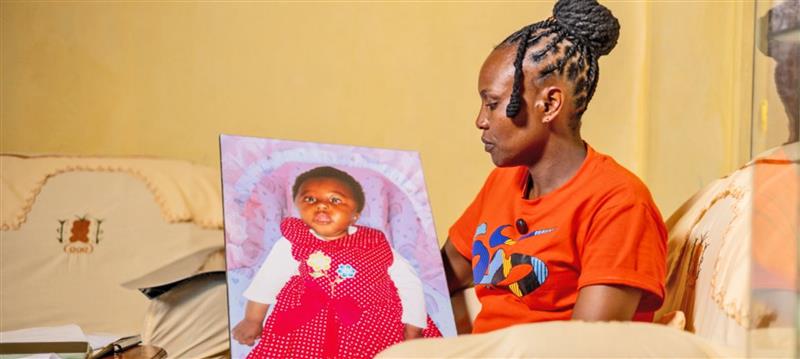

Doctors explained that the baby had to be born first before diverting excess fluid from her brain to the stomach. Cindy suffered from Hydrocephalus, an incurable genetic condition.
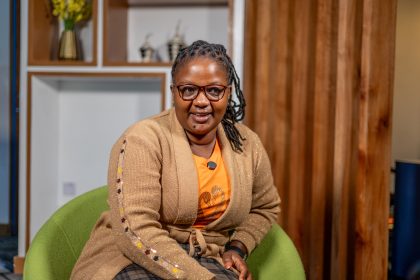
Lucy Mwaura buried her daughter on January 13, 2025, after three years of hospital wards, surgeries, seizures and relentless caregiving. Cindy’s life was short, shaped by a rare genetic condition that could not be cured, only managed. The cost-emotional, physical and financial-was immense, and its weight still lingers.
Cindy’s health challenges began before she was born. During a routine antenatal visit, a gynaecologist noticed an abnormal accumulation of fluid in the baby’s brain. Lucy was referred to Kenyatta National Hospital, where a scan confirmed excess fluid. Soon after, she heard a new and frightening word: hydrocephalus.
Doctors explained that nothing could be done during pregnancy. The baby would have to be born first. Only then could a shunt be inserted to drain the fluid. A shunt procedure involves placing a small tube in the brain to divert excess fluid into the stomach, easing pressure inside the head. Throughout the pregnancy, Lucy underwent numerous tests, but none were genetic. At the time, genetics did not feel relevant. It would later become central to her story.
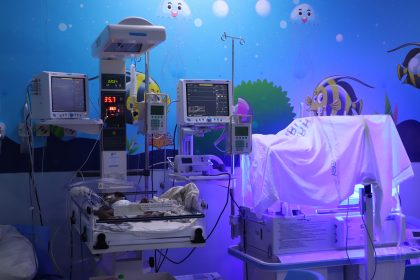
Cindy was born prematurely on February 10, 2022, through a caesarean section, weighing under two kilograms. Instead of going home, she was admitted to the newborn unit to gain weight. An MRI conducted when she was 11 days old showed that the fluid in her brain had not been reduced. Doctors decided to wait until she was strong enough for surgery, which required her to reach a weight of at least two kilograms.
The shunt was inserted when Cindy was about six weeks old. A few days later, mother and child were discharged. They were home for just one week. Then the convulsions began.
While the seizures were eventually controlled, pneumonia followed. Cindy struggled to breathe
The seizures were violent and terrifying. Cindy was rushed back to hospital and readmitted, this time for nearly two months. While the seizures were eventually controlled, pneumonia followed. She struggled to breathe and required oxygen support. By the time Cindy was four months old, hospital wards had already become familiar.

After Cindy’s death, Lucy and her husband underwent genetic testing. Their results were normal. While this brought some reassurance, it did not erase the fear of recurrence, loss, or starting again. With doctors, they planned cautiously. Any new pregnancy would be closely monitored from the earliest weeks, with genetic counselling and tests at six, eight and nine weeks.
Lucy now speaks openly about rare diseases, urging parents to accept their children and seek information early. She also calls on the government to support families living with rare conditions. “I wish we could have hospitals where therapy is free,” she says.
Support, she insists, must be emotional, psychological and financial. Families cannot shoulder the cost of therapy, medication and specialised care alone.
“Cindy was using four types of drugs every day, and they were expensive,” Lucy says. “If the government can help by providing free or subsidised medicine, it would make a huge difference.”
Cindy’s diagnosis came late in her short life, affected feeding, swallowing and movement
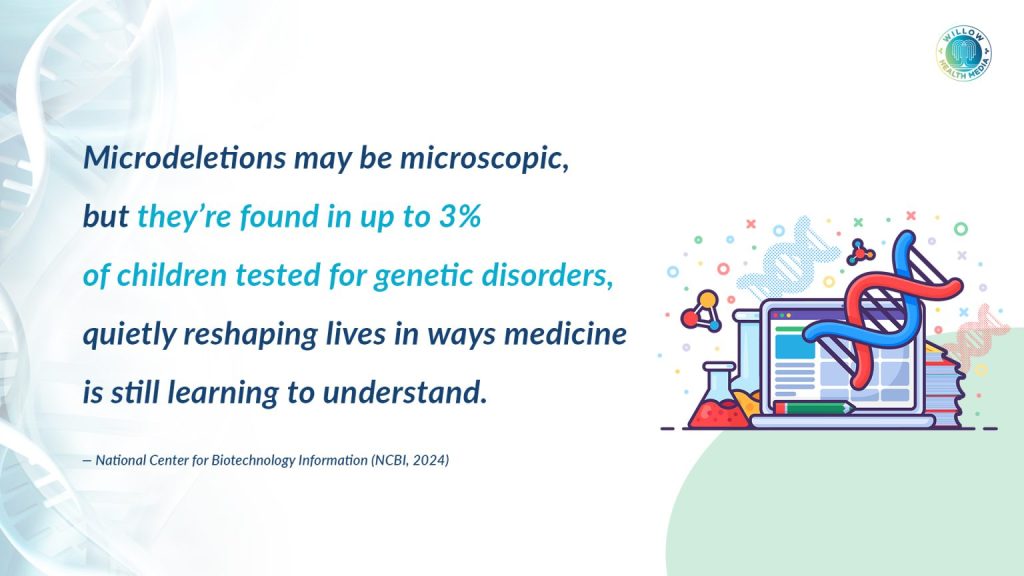
Cindy’s diagnosis came late in her short life. Genetic testing revealed a deletion on chromosome 16, meaning part of her brain had not formed properly. The condition affected her feeding, swallowing and movement. Lucy had hoped the results would bring a cure. They did not.
“Dr Catherine Mutinda came with a counsellor and made me understand this was a condition, not a disease,” she says. “We are supposed to manage it, not treat it.”
Blame followed the diagnosis. Questions lingered about whether earlier genetic testing would have changed anything. “Sometimes I blame myself,” Lucy admits. “But then I tell myself I did my best, and so did the baby.”
Doctors had earlier told Lucy and her husband that children with symptoms like Cindy’s had a 50–50 chance of reaching their first birthday. Every day felt borrowed. When Cindy passed that milestone, it felt like defying a prediction, bringing a fragile sense of hope. “As a first-time mother, it was not easy,” Lucy recalls.
Feeding became one of the greatest challenges. Cindy could not breastfeed. Milk had to be expressed, measured and fed through nasal or oral tubes. Initially, she could only tolerate five millilitres every three hours- roughly the amount in a standard teaspoon. Any more caused vomiting.
Milk would travel to her stomach, then come back up, but a fundoplication surgery tightened it
Further tests revealed gastro-oesophageal reflux disease (GERD). Doctors explained that pressure from the fluid in her brain was affecting vital functions. Milk would travel to her stomach, then immediately come back up. A fundoplication surgery followed, tightening the top of the stomach around the food pipe to prevent reflux. A PEG feeding tube was also inserted directly into her stomach.
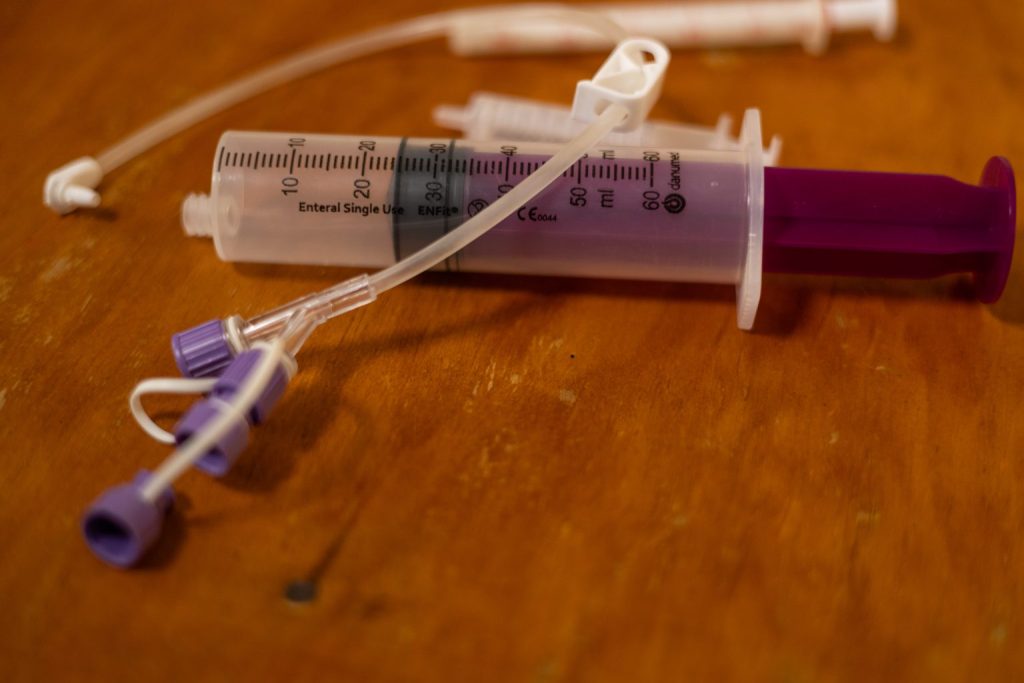
While the tube improved feeding, it introduced new challenges. Infections were frequent. Milk and food leaked through the skin around the tube. Every feed came with fear. The tube was long and dangling, making it difficult for Cindy to sit comfortably. She spent most of her time lying on her back.
Doctors later replaced the tube with a button-style PEG, which was easier to manage but had to be purchased privately. Lucy recalls searching unsuccessfully for a 150 millilitre syringe at chemists and hospitals, eventually buying one from an agrovet shop.
Caregiving was isolating. Most hired nannies left within a day. Lucy becomes emotional remembering how heavy it felt to watch caregivers walk away after seeing how fragile her baby was.
The family’s medical insurance covered much of the hospital care, especially repeated admissions at Kenyatta National Hospital. But many costs fell outside the insurance cover. Transport, food, specialised formula and medication were paid for out of pocket. When Cindy was six months old and breastfeeding was no longer possible, Lucy’s milk supply stopped. Cindy was switched to a prescribed lactose-free formula that was expensive but medically necessary.
It reached a point where I told the doctor, everything was exhausting and draining me
Therapy followed. Initially, Cindy attended therapy twice a week, alongside multiple specialist clinics including neurosurgery, gastroenterology, neurology and ophthalmology. The financial strain became overwhelming.
“Every week we were supposed to take her twice, on Tuesday and Thursday,” Lucy recalls. “Lakini ilifika mahali nikaambia daktari (It reached a point where I told the doctor) ‘It is exhausting, and it is draining me.’”
She negotiated to reduce therapy to once a week. Balancing work and caregiving was relentless. Recovery from a caesarean section happened alongside daily hospital visits. Fatigue became constant. Support came from colleagues, her husband, her sister-in-law, who stepped in after Lucy’s mother passed away, and neighbours.
Lucy remembers how Cindy’s first convulsions were noticed by a neighbour. “When I saw Cindy turning her head, I did not know it was convulsions,” she says. “A neighbour came, recognised it, and we rushed to the hospital.”
It was during one of Cindy’s later hospital admissions that doctors raised the possibility of a genetic condition. At first, testing was unaffordable. Most genetic tests are not covered by insurance and can cost between Ksh10,000 and Ksh100,000 in Kenya. After further complications and with the involvement of Dr Mutinda, the tests were eventually conducted.
No parent chooses this life. Cindy’s life was short. Its impact was not
After a severe infection, Cindy died. Following her death, Lucy joined Rare Disease Kenya. Previously, she could not attend meetings because she could not carry Cindy.
For the first time, she met adults living with rare conditions, parents managing care, and professionals thriving in their careers. Seeing a doctor in a wheelchair changed her perspective.
Rare disease did not always mean early death. Lucy now shares her story so other parents do not feel alone. “Love and accept your children,” she says. “With denial, you cannot take care of your child.”
No parent chooses this life. But with awareness, early testing and support, families can face it with more knowledge and less isolation.
Cindy’s life was short. Its impact was not.
Graphics by Brian Wekesa.