When a doctor says the word cancer, what happens next often depends on how the news is delivered. Three patients recount how empathy, plain language, and honest hope helped turn a terrifying diagnosis into a fight for life, rather than a surrender to fear.
The word cancer can change the temperature in a room. For Evans Machera, it happened along a corridor at Moi Teaching and Referral Hospital, where he had waited as his health deteriorated, severely weak and weighing about 40kg.
When the report finally came back, it was not the medical explanation that stayed with him. It was one word: Cancer.
“What are you talking about?” Machera recalls saying. “Fear hit me very hard.”
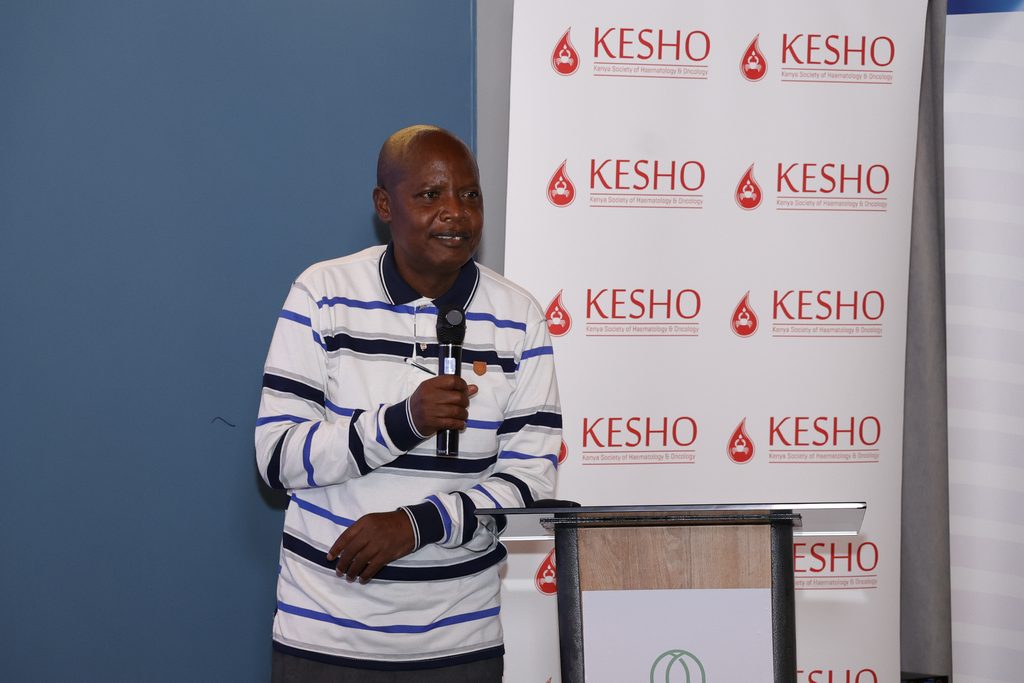
Six years into survivorship, he says a pharmacist who spoke to him afterwards helped restore some of the hope the diagnosis had taken away.
“He engaged me about my financial status and indicated clearly that I should go slow and organise myself. This is something we can manage,” Machera says.
That conversation mattered. He found hope before telling his family, and his brother later helped organise finances and treatment.
Machera’s fear in that corridor is not an isolated case. Kenya records an estimated 35,867 new cancer cases and 22,888 cancer deaths every year, according to the World Health Organization (WHO) and the International Agency for Research on Cancer (IARC), using GLOBOCAN data. Breast cancer is the most commonly diagnosed cancer overall, followed by cervical, prostate, oesophageal and colorectal cancer.
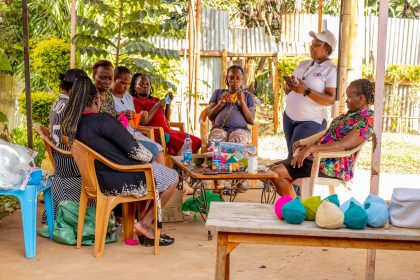
Behind those numbers sits a difficult conversation between a doctor and a frightened patient, the subject of a one-day training programme on strengthening patient-centred communication among medical doctors in Kenya, organised by Willow Health Media with the Kenya Society of Haematology and Oncology (KESHO).
The training brought together oncologists, palliative care specialists and pathologists to examine how words shape a cancer patient’s journey.
Eventually, Machera returned to his oncologist with a PET scan report, angry enough to throw it at her
For Machera, the difficult conversations did not end with diagnosis. After six cycles of chemotherapy, the routine it had given him vanished, replaced by tests, scans and waiting, a mental battle that saw him withdraw from people until he met Lucy, another survivor, who recognised in him a psychological weight others could not see.

Eventually, Machera returned to his oncologist with a PET scan report, angry enough to throw it at her.
“She was kind enough; she sat me down,” he recalls. As the doctor read the report, he watched her face. “Then, without talking, she raised her head and smiled at me. It was terrible for me. I broke down.”
For Machera, the journey was not only about chemotherapy, scans and remission. It was about having someone to sit with him through fear and uncertainty.
Catherine Ombogo’s cancer journey began in 2012 with a leukaemia diagnosis, though what she remembers most vividly is how little she understood at the time.
“For me it was hard because when I was diagnosed with leukaemia, the doctor just said you have leukaemia and because for a long time I was battling anaemia, I thought it was advanced anaemia,” she says.
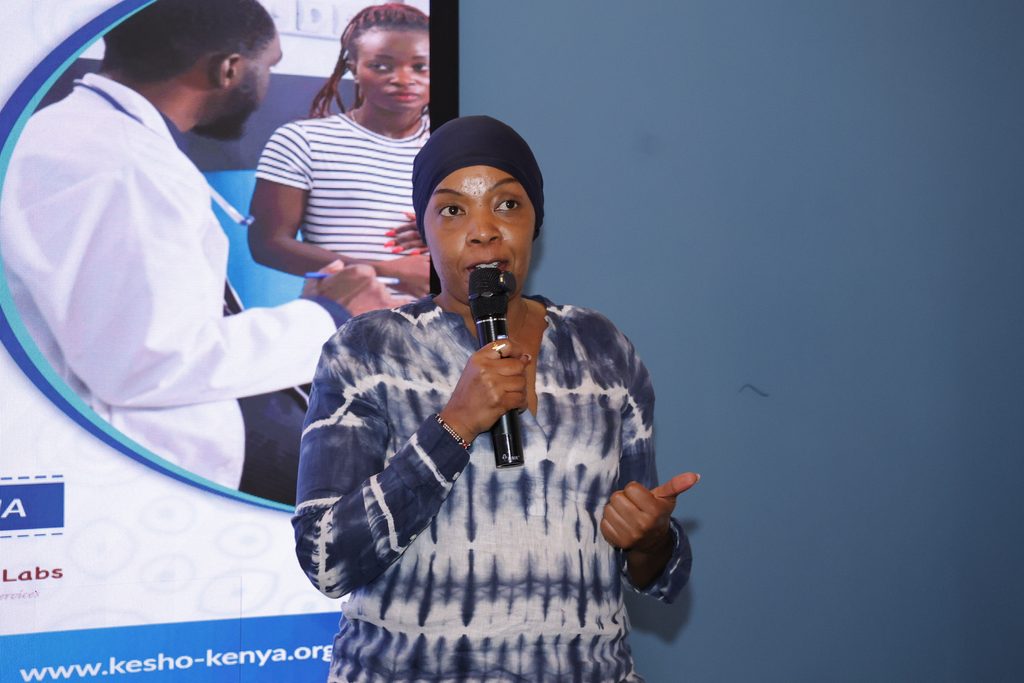
Told she had about six months to live, she calculated she would die that September and, rather than begin treatment, waited.
“I just sat and waited for death.”
Her health deteriorated, but death did not come. Hope slowly returned as she searched for information online, turning to what she jokingly calls her friend, “Mr Google”, before a doctor explained things more clearly and started her on treatment.
Her journey since has included brain tumours, a bone marrow transplant, memory loss and multiple recurrences before a 2022 clinical trial, a decision she saw as bigger than her own prognosis.
“If I do the clinical trial and it works for me, then it is a win because it will help someone else.”
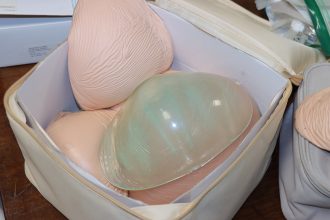
A heart problem later led doctors to recommend palliative care, a term not explained clearly enough, so she turned again to the internet.
“Palliative care for me meant end of life.” That misunderstanding kept her away from care for months, until a friend persuaded her to visit a hospice, care focused on comfort and dignity for the terminally ill. She arrived frightened, almost turning back, but found something different from what she had imagined.
“I left that place with so much hope, so much love, and I felt a lot of care, compassion, and dignity,” she says. “No matter how heavy the situation is, if you are able to talk to us in a way that we can understand, the journey becomes easier.”
Only after she left the consultation room and met her daughter did the emotional impact hit
For Lucy Njeri, the moment of diagnosis was strangely quiet. She was at the hospital with her daughter, who stayed in the waiting area when the doctor broke the news.
“Lucy, you have Invasive ductal carcinoma,” the doctor told her. Lucy did not understand the terminology.
“I had to ask her, what does that mean in simple language? If it is cancer, just tell me.”
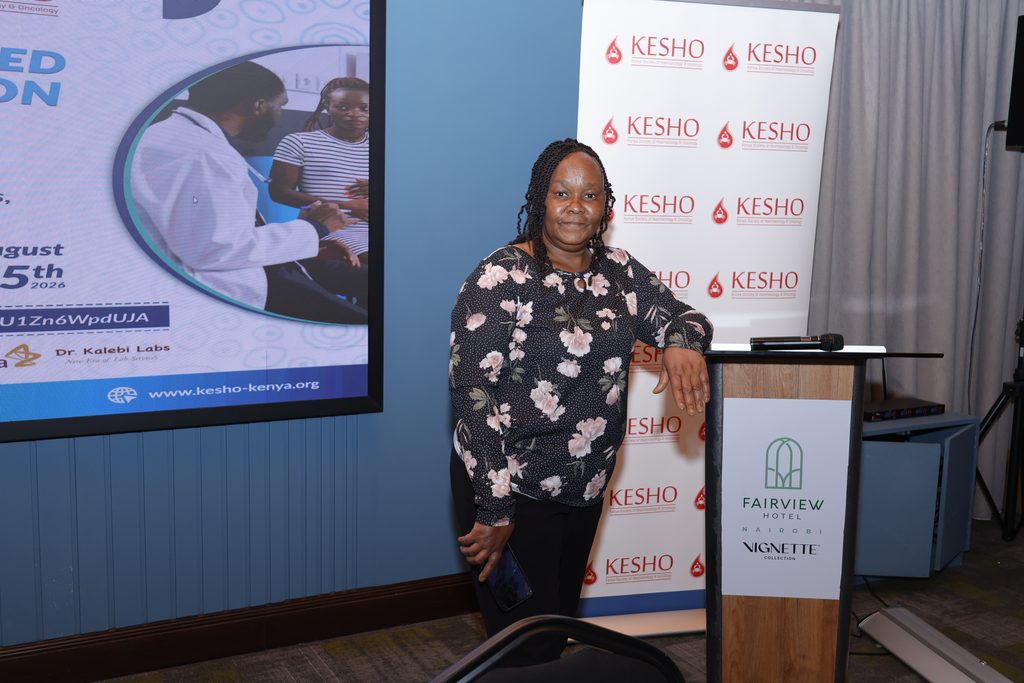
She pressed on with questions about causes and next steps, and learnt that she needed a CT scan to check whether the cancer had spread. Only after she left the consultation room and met her daughter did the emotional impact hit.
“Mum, what have you been told?” her daughter asked. Lucy broke down. Her daughter searched the diagnosis online, then offered the reassurance that stayed with Lucy through everything that followed.
“She told me, ‘Mum, don’t worry. It is manageable’.”
Two years of chemotherapy, surgery, radiation and hormone therapy later, Lucy describes treatment and support carrying her in equal measure.
“It is one thing for the doctor to tell you that the hair will fall, and it is another thing to experience the hair fall. That brings about the emotional turmoil that comes with that.”
Her message is simple; Cancer patients need people who understand what medical information means in real life.
KESHO President Dr Gladwell Kiarie told participants that communication is not simply about delivering information. It is core to training anyone who works with cancer patients, because it shapes outcomes long after the consultation ends.
Cancer communication in Kenya is complicated by the country’s diverse cultures, religions, languages and family structures
“It directly influences the choices your patient makes, the decisions, how they are going to be adherent to treatment, the trust they will have with you and basically the quality of life that they shall have.”
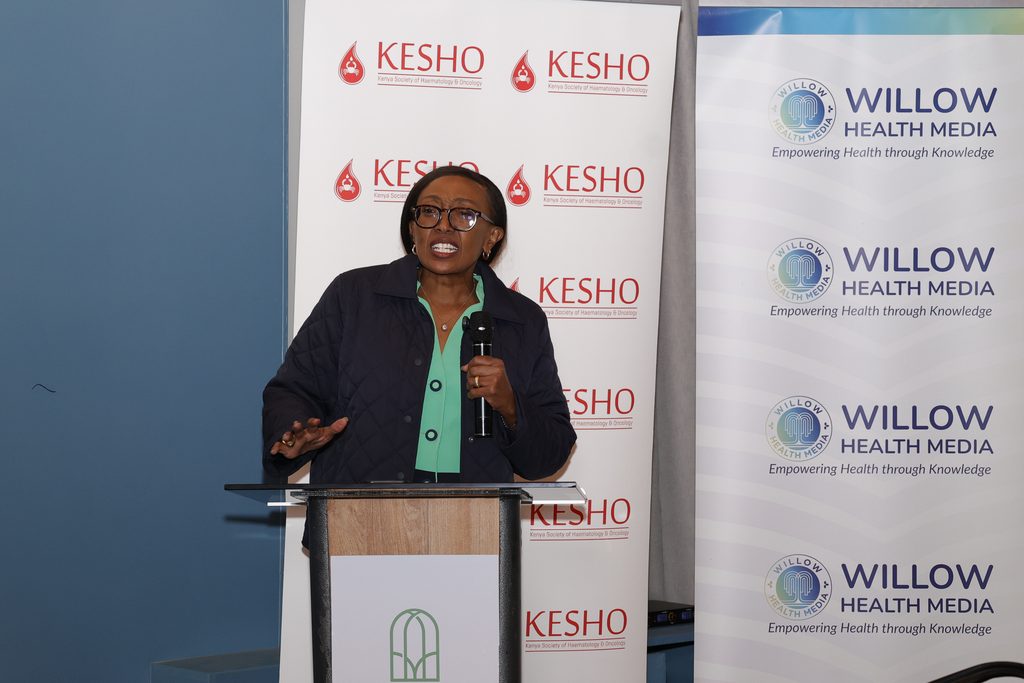
For Kiarie, cancer communication in Kenya is complicated by the country’s diverse cultures, religions, languages and family structures, with doctors often explaining diagnosis, prognosis, treatment and costs while navigating relatives financing the care. Her answer to that complexity is not false reassurance, but realistic hope.
Prof Anne Beatrice Kihara, former president of the International Federation of Gynaecology and Obstetrics (FIGO), said good communication starts with recognising the patient is more than the disease.
“Every patient is more than just her diagnosis, her bed number or the disease entity you are addressing. Patients arrive with fear, hope, families, financial pressures and social circumstances.”
Empathy, she said, is not about agreeing with a patient, but about understanding what they are experiencing and making them feel their concerns matter.
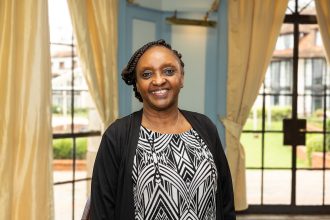
“Empathy builds trust and trust improves communication.”
Prof Kihara advocated simple language, active listening, open-ended questions and a “teach-back” method, where patients explain in their own words what they understood.
Erin Das, an advanced practice palliative care nurse, Global Treehouse practice lead and Nairobi Hospice board member, teaches healthcare workers to prepare patients emotionally before breaking bad news.
“I am sorry to tell you, but we have some bad news to share,” she suggested, pausing before delivering information gradually rather than all at once.
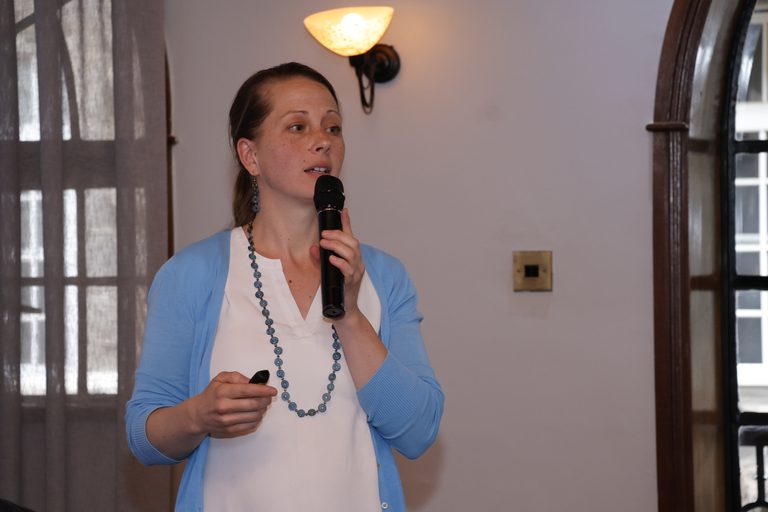
“We need to listen for it. Listen and observe the emotion.”
The goal, Das said, is understanding, since a doctor can speak for twenty minutes and still fail if the patient does not grasp what was said.
Dr Mary Achakolong, a consultant anatomic pathologist, said the problem begins before an oncologist discusses treatment, since pathology reports carry information, including tumour grade, margins and biomarkers, that patients struggle to interpret.
New cancer medicines and diagnostics will not reach full potential if patients cannot understand what they are offered
“The biomarkers usually are the link to treatment,” said Dr Achakolong.
Clinicians should lead with the headline finding, explain what it means, then check whether the patient has understood, she argued, as “Patients usually want to know what the personal interface with this disease for me is.”
Dr Kiplangat Sigei, the medical affairs professional who helped conceive the training, said new cancer medicines and diagnostics will not reach full potential if patients cannot understand what they are offered.
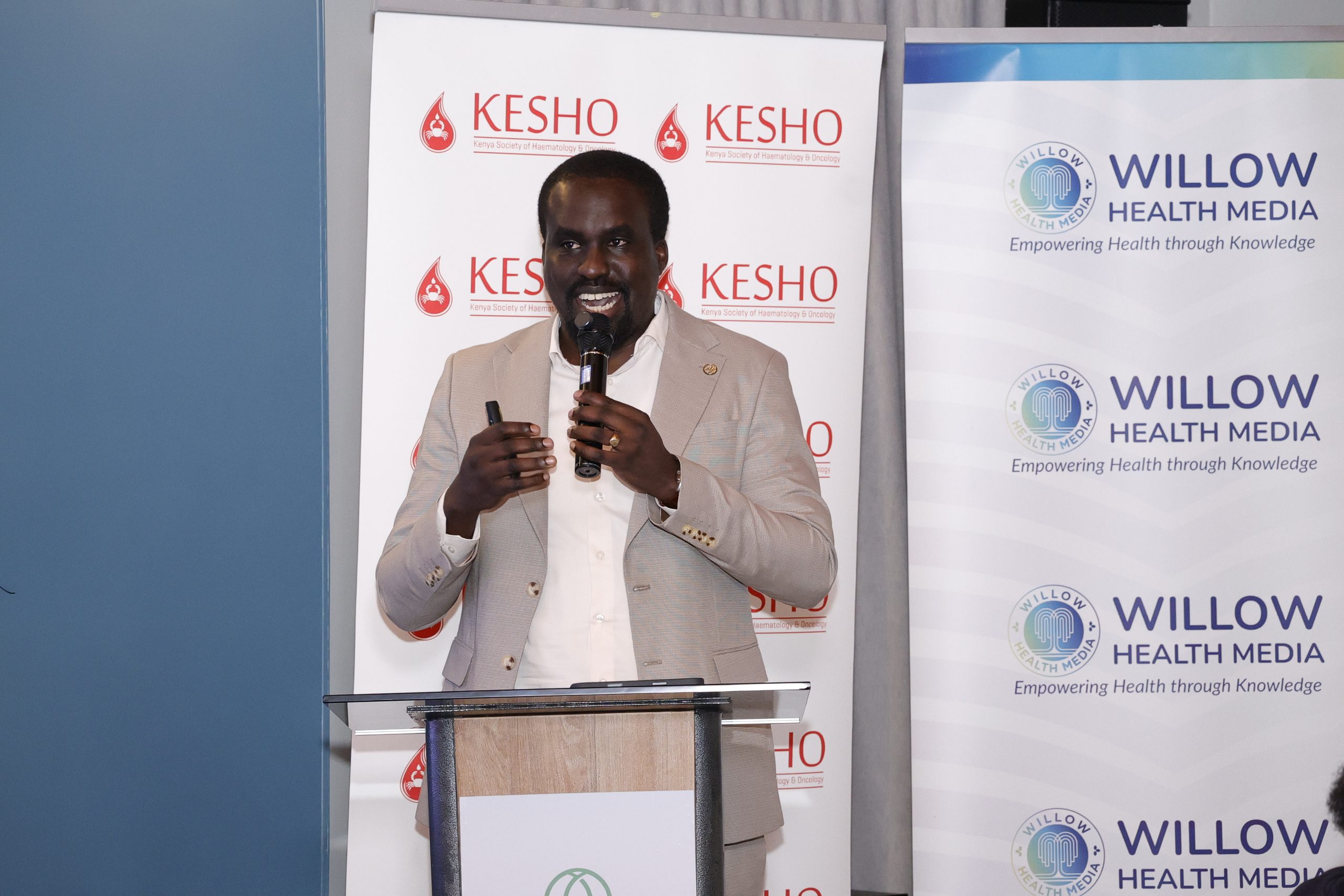
“We will never really achieve what we want to achieve when it comes to innovative drugs, innovative tests, because there are many challenges. There are access, affordability, efficacy and safety challenges, but one of the issues that keeps coming up is communication.”
The challenge, he said, is especially visible in oncology, where results can be complex, and the task is to translate that complexity without creating anxiety.
Kenya’s National Cancer Control Strategy 2023-2027 frames prevention, early detection, diagnosis, treatment, palliative care and survivorship as one continuum. The KESHO training suggests success rests as much on how clinicians talk to patients as on the medicines available.
A warning before bad news, gradual information, plain language checked through teach-back, and results explained in personal terms cost little to adopt but need training and time Kenya’s stretched health system does not always allow.
None of their stories suggests words alone cure cancer, but they show communication determines whether a patient understands their illness, asks questions, follows treatment and keeps dignity through a difficult journey. As Kiarie put it, the goal of patient-centred communication is to treat the person, not just the tumour.